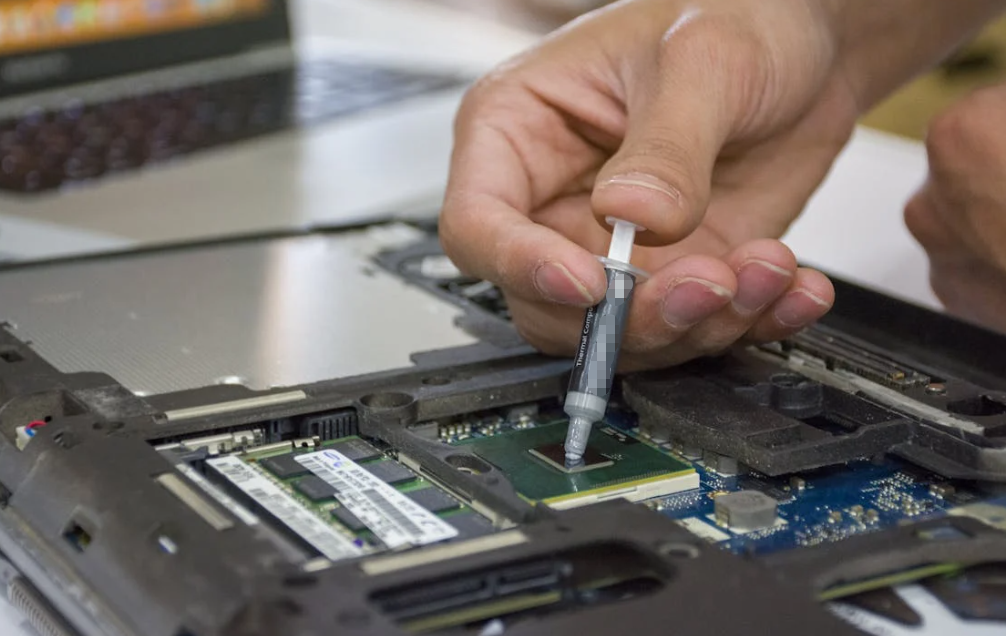
In today’s electronics and thermal management landscape, components are getting smaller, faster, and more power-dense. As a result, managing excess heat effectively has become mission-critical—not optional. If you’re an engineer, procurement specialist, product designer, or simply someone keen to understand heat-dissipation materials, thermal gap filler is one of those components you’ll encounter early and often.

In this article, we explore what thermal gap fillers are, how they work, why they are critical in modern electronics, how to choose the right one, and practical considerations for real-world applications.
1. Introduction to Thermal Management
Electronic devices—from smartphones and laptops to automotive electronics and high-power industrial systems—generate heat during operation. If this heat is not efficiently conducted away, several problems can occur:
- Reduced performance
- Device throttling
- Component damage
- Accelerated aging
- Catastrophic failure
This is where thermal interface materials (TIMs) come into play. These specialized materials bridge the microscopic gaps between heat-producing components and their heat sinks, facilitating rapid transfer of heat away from sensitive parts.
Thermal gap filler is a specialized class of TIM designed for situations where gaps are larger, irregular, or where surfaces are not perfectly aligned.
2. What Is a Thermal Gap Filler?
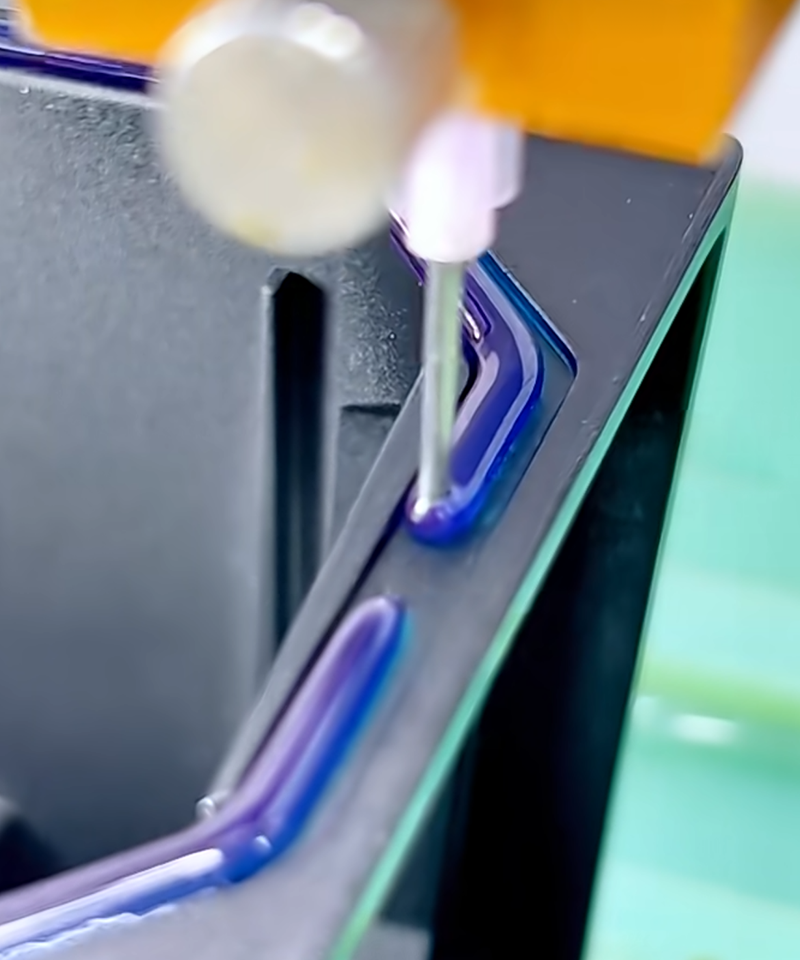
Thermal gap filler is a thermally conductive material engineered to fill air gaps between heat-generating components and heat sinks or enclosures. In essence, they bridge uneven spaces that generic pads or pastes can’t effectively manage.
Air is a very poor conductor of heat. When there are air pockets between surfaces—like between a chip and a heat sink—heat transfer efficiency plummets. Thermal gap fillers solve this by replacing air with a material that conducts heat more effectively.
Core Definition
A thermal gap filler is:
- Typically gel-like, liquid, or semi-solid at room temperature
- Made from thermally conductive fillers such as ceramics (BN, ZnO, alumina), silicones, or polymer matrices
- Designed to fill large gaps or irregular surfaces
- Often used where traditional pads or grease cannot conform fully to the interface geometry
In short: gap fillers ensure surfaces make thermal contact even when tolerances vary or surfaces aren’t flat.
3. How Thermal Gap Fillers Work

Thermal gap fillers operate based on several principles of thermal conduction:
Eliminate Air Pockets
Air gaps between surfaces are thermally resistive. Gap fillers replace these pockets with a medium that conducts heat much more effectively, minimizing interface thermal resistance.
Conformability
Unlike solid pads, gap fillers flow into surface irregularities, ensuring intimate contact with both surfaces. Some are liquid-dispense, curing in place, while others remain semi-solid but highly conformable.
Thermal Pathway
Gap fillers are loaded with conductive fillers (ceramics, metal particles), which establish a thermal pathway between the heat source and heat sink. The effectiveness of this pathway depends on:
- Filler type
- Filler loading percentage
- Intrinsic thermal conductivity
- Material thickness and pressure
In well-engineered gap fillers, thermal resistance is minimized across the interface.
4. Types of Thermal Gap Fillers
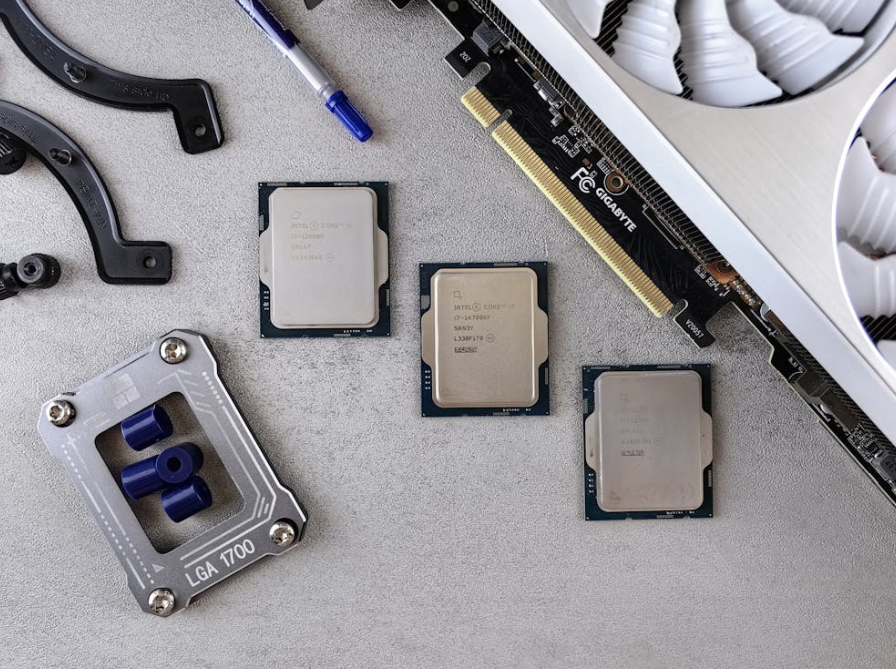
Gap fillers can vary widely in formulation, form factor, and application method. Here are common classifications:
Silicone-Based Gap Fillers
These are flexible, stable under a broad temperature range, and offer excellent wettability and surface conformity. They are widely used in electronics where reliable thermal transfer is essential.
Two-Component (2K) Gap Fillers
These consist of two parts that mix during application and cure to form a thermally conductive elastomer. They are excellent for high-volume manufacturing that needs consistent dispensing.
One-Component (1K) Gap Fillers
These are single-component pastes that may remain semi-solid or cure at room temperature without mixing—great for small volume or special applications.
Phase Change Materials (PCMs)
PCMs are solid at room temperature but soften or melt at operational temperatures to improve thermal contact. They combine low contact resistance with ease of handling.
Each type has its own benefits and challenges, which we explore in later sections.
5. Materials Used in Thermal Gap Fillers
Thermal gap fillers are composite materials. The overall performance depends on both the binder and the conductive fillers embedded within.
Binder Matrix
Common binder materials include:
- Silicone elastomers
- Polyurethane
- Epoxy or polymer bases
Silicone is popular due to its flexibility, temperature resistance, and chemical stability.
Conductive Fillers
These are high-conductivity powders or particles mixed into the binder to enhance thermal pathways:
- Boron Nitride (BN) – excellent ceramic filler
- Alumina (Al₂O₃) – widely used, economical
- Zinc Oxide (ZnO) – good performance
- Metal powders such as silver or copper in specialized formulations
Advanced blends can achieve high thermal conductivity while still maintaining low mechanical stress on components.
6. Key Properties of Thermal Gap Fillers
When evaluating a thermal gap filler, numbers on a datasheet only tell part of the story. Real-world performance depends on a balance of thermal, mechanical, electrical, and long-term reliability properties. Understanding how these characteristics interact helps engineers avoid common design pitfalls and select materials that perform consistently over the full product lifecycle.
Thermal Conductivity and Thermal Resistance
Thermal conductivity, expressed in W/m·K, is often the first value designers look for—and with good reason. It defines how efficiently heat flows through the material itself. Most thermal gap fillers used in electronics fall within a range of 1.0 to 16.0 W/m·K, depending on filler loading and formulation.
However, conductivity alone does not determine cooling performance. Thermal resistance—which considers material thickness, surface contact, and conformity—is equally important. A slightly lower-conductivity gap filler that fully wets both surfaces can outperform a higher-conductivity material that leaves voids or traps air.
In practical applications, the goal is not simply to maximize conductivity, but to minimize total interface thermal resistance.
Gap-Filling Capability and Conformability
One of the defining strengths of thermal gap fillers is their ability to conform to uneven or non-parallel surfaces. Manufacturing tolerances, component height variations, and warped PCBs can create gaps that are difficult to manage with solid pads or thin greases.
Gap fillers excel in these situations because they:
- Flow into surface irregularities
- Compensate for height differences between components
- Maintain contact across large or complex geometries
Typical gap-filling ranges vary from 0.5 mm to over 6 mm, depending on material softness and formulation. Softer materials offer better conformity but may require mechanical support, while firmer materials provide dimensional stability at the expense of flexibility.
Hardness, Compressibility, and Mechanical Stress
Mechanical properties play a critical role in protecting sensitive electronic components. Thermal gap fillers are commonly rated using Shore 00 or Shore A hardness, with lower values indicating softer, more compressible materials.
- Soft gap fillers reduce stress on components like ceramic capacitors, BGAs, and fragile silicon packages.
- Firmer gap fillers provide better structural support and maintain thickness over time.
Compressibility helps the material adapt during assembly, but excessive compression force can transfer stress to solder joints or PCBs. A well-chosen gap filler balances softness with sufficient mechanical integrity to prevent long-term deformation or pump-out.
Electrical Insulation and Dielectric Properties
In many applications, thermal performance must be paired with electrical isolation. Most thermal gap fillers are electrically insulating by design, making them suitable for use around exposed conductors and power devices.
Key electrical properties include:
- Dielectric strength (kV/mm)
- Volumeresistivity
- Surface resistivity
Ceramic-filled formulations such as boron nitride or alumina-based systems are commonly used when electrical insulation is mandatory. This combination allows heat to be transferred efficiently without increasing the risk of short circuits or leakage currents.
Operating Temperature Range
Thermal gap fillers must remain stable across a wide range of operating temperatures. In many electronics applications, materials are expected to perform reliably from –40°C to +150°C, with some specialized systems pushing even higher.
Temperature stability affects:
- Material elasticity
- Adhesion to surfaces
- Long-term thermal performance
A gap filler that hardens at low temperatures or softens excessively at high temperatures can compromise both thermal efficiency and mechanical reliability.
Long-Term Reliability and Aging Resistance
Thermal gap fillers are not short-term solutions. Once applied, they are often expected to perform for years without maintenance. This makes aging resistance a critical property.
High-quality gap fillers are engineered to resist:
- Thermal cycling fatigue
- Material drying or cracking
- Oil bleed or filler separation
- Performance degradation over time
Silicone-based systems are widely favored for their chemical stability and resistance to environmental stress. For automotive, industrial, or outdoor electronics, long-term reliability is often a deciding factor in material selection.
Outgassing and Volatile Content
In sealed or sensitive environments—such as optical systems, sensors, or aerospace electronics—outgassing can cause serious contamination issues. Low-outgassing gap fillers are formulated to minimize the release of volatile compounds during operation.
This property is especially important for:
- Optical assemblies
- Medical electronics
- High-vacuum or sealed enclosures
Selecting materials tested to recognized outgassing standards helps ensure performance stability and component cleanliness.
Processability and Manufacturing Compatibility
From a production standpoint, a thermal gap filler must integrate smoothly into existing manufacturing workflows. Processability factors include:
- Dispensing method (manual vs automated)
- Viscosity stability during application
- Pot life and curing time (for two-component systems)
Materials that dispense consistently and cure predictably help reduce scrap rates and improve assembly efficiency. For high-volume manufacturing, consistent process behavior is just as important as thermal performance.
Adhesion and Rework Considerations
Some thermal gap fillers are designed to bond lightly to surfaces, while others remain non-adhesive. The choice depends on whether the application requires:
- Permanent attachment
- Vibration resistance
- Ease of disassembly or rework
In applications where components may need replacement, non-adhesive or easily removable formulations are often preferred. Conversely, automotive and industrial systems may benefit from gap fillers that provide additional mechanical stability.
Environmental and Regulatory Compliance
Modern electronics must comply with environmental and safety regulations. Many thermal gap fillers are formulated to meet:
- RoHS compliance
- REACH standards
- Low toxicity and halogen-free requirements
These considerations are increasingly important for global supply chains and long-term product certification.
7. Thermal Gap Fillers vs. Thermal Pads & Paste
Understanding how gap fillers differ from related materials helps in choosing the right solution:
| Feature | Thermal Gap Filler | Thermal Pad | Thermal Paste |
| Form | Gel/Liquid (dispensable) | Solid sheet | Viscous paste |
| Best for | Irregular, large gap surfaces | Predictable small gaps | Thin, even surfaces |
| Reworkability | Often permanent (depends) | High | Medium |
| Interface conformity | Excellent | Good | Fair |
| Automated dispensing | Easy for 2K | Limited | Moderate |
Gap fillers offer the best conformability across irregular geometries, whereas thermal pads are simple and fast to use for consistent gaps. Pastes are ideal for very thin interfaces.
8. Typical Applications
Thermal gap fillers are used wherever heat must be transferred efficiently across uneven or variable gaps. Their ability to conform to complex geometries makes them especially valuable in modern electronic systems, where component density continues to rise and space constraints grow tighter. Below are the most common application areas, along with practical reasons why gap fillers are often the preferred thermal interface solution.
Consumer Electronics
In consumer electronics, compact designs and high power density create significant thermal challenges. Devices such as smartphones, tablets, laptops, and wearable electronics often contain multiple heat-generating components packed into confined spaces.
Thermal gap fillers are commonly used to:
- Transfer heat from processors, memory chips, and power ICs to metal frames or heat spreaders
- Accommodate height differences between adjacent components
- Maintain thermal contact despite vibration or minor mechanical movement
Because consumer devices are assembled at high volumes, gap fillers used in this sector must offer consistent dispensing behavior and long-term reliability without adding excessive mechanical stress.
Power Electronics and Industrial Equipment
Power electronics operate at higher voltages and temperatures, making effective thermal management essential for safety and performance. Applications include inverters, converters, motor drives, and power supplies used in industrial automation and energy systems.
In these environments, thermal gap fillers help:
- Dissipate heat from power modules to heat sinks or metal enclosures
- Compensate for tolerance stack-ups in large assemblies
- Reduce thermal cycling stress on solder joints and substrates
The materials selected for industrial power electronics often prioritize thermal conductivity, electrical insulation, and resistance to long-term thermal aging.
Automotive Electronics
Modern vehicles contain dozens of electronic control units (ECUs), each exposed to harsh operating conditions such as vibration, humidity, and wide temperature swings. Thermal gap fillers are widely used in automotive systems due to their durability and conformability.
Typical automotive applications include:
- Engine control modules
- Battery management systems (BMS)
- Onboard chargers and DC-DC converters
- ADAS and sensor modules
Electric Vehicles and Energy Storage Systems
Electric vehicles (EVs) and energy storage systems generate significant heat, particularly in battery packs and power conversion modules. Efficient thermal pathways are essential to maintain performance, extend battery life, and ensure operational safety.
Thermal gap fillers are used to:
- Transfer heat from battery cells or modules to cooling plates
- Fill irregular gaps between cells, housings, and thermal plates
- Electrically isolate components while maintaining thermal conductivity
In EV applications, materials must combine thermal efficiency with flame resistance, chemical stability, and long service life.
LED Lighting Systems
High-brightness LEDs generate localized heat that can degrade luminous efficiency and shorten lifespan if not properly managed. Thermal gap fillers are frequently used to connect LED boards to heat sinks or metal housings.
Their advantages in LED systems include:
- Improved heat transfer across uneven mounting surfaces
- Vibration resistance in outdoor or industrial lighting
- Long-term stability under continuous thermal load
Because LED fixtures are often sealed, gap fillers with low outgassing and minimal oil bleed are preferred.
Telecommunications and Networking Equipment
Telecom infrastructure, including base stations, routers, and data transmission equipment, operates continuously and must remain thermally stable over long periods. High component density and enclosed designs make thermal management particularly challenging.
In these systems, thermal gap fillers are used to:
- Conduct heat from processors and RF components to chassis walls
- Maintain thermal contact across large PCB assemblies
- Improve cooling efficiency without adding excessive mechanical pressure
The reliability of gap fillers in telecom equipment directly impacts uptime and long-term operational costs.
Data Centers and Server Hardware
Servers and high-performance computing systems rely on efficient heat dissipation to maintain performance and avoid throttling. While thermal greases and pads are common, gap fillers play a key role where mechanical tolerances vary.
Applications include:
- Memory modules and power regulators
- Auxiliary heat paths to metal enclosures
- Custom cooling solutions for high-density racks
Gap fillers help manage secondary heat sources that are not in direct contact with primary heat sinks.
Aerospace and Defense Electronics
Aerospace and defense systems demand materials that perform reliably under extreme conditions, including rapid temperature changes, vibration, and long service lifetimes.
Thermal gap fillers are applied in:
- Avionics systems
- Radar and communication equipment
- Control modules in defense platforms
In these applications, low outgassing, high reliability, and predictable long-term performance are essential selection criteria.
Medical Devices
Medical electronics require precise thermal control to ensure both patient safety and device accuracy. Thermal gap fillers are used in imaging systems, diagnostic equipment, and portable medical devices.
Key requirements in medical applications include:
- Electrical insulation
- Biocompatibility (where applicable)
- Clean, stable materials with minimal contamination risk
Gap fillers help maintain thermal stability without introducing mechanical stress or electrical hazards.
Industrial Control and Automation Systems
Programmable logic controllers (PLCs), sensors, and industrial control units often operate in enclosed cabinets with limited airflow. Thermal gap fillers improve heat dissipation by linking heat-generating components to cabinet walls or cooling structures.
Their use helps:
- Stabilize operating temperatures
- Extend component lifespan
- Improve system reliability in continuous-operation environments
Gap fillers help ensure stable thermal contact even when components experience mechanical shock or thermal expansion, making them well-suited for automotive qualification standards.
9. How to Choose the Right Thermal Gap Filler
Selecting a thermal gap filler is not simply a matter of choosing the highest thermal conductivity listed on a datasheet. The right material must perform reliably within the mechanical, electrical, and environmental constraints of the application—often over many years of service. A systematic evaluation process helps avoid over-engineering, unnecessary cost, or long-term reliability issues.
Define the Thermal Requirements
The first step is understanding the thermal challenge itself. This involves calculating the amount of heat that must be dissipated and the maximum allowable temperature rise of the component.
Key questions to consider:
- How much power does the component generate under peak load?
- What junction or surface temperature limits must be maintained?
- Is the thermal interface part of a primary or secondary heat path?
From this information, engineers can estimate the required thermal resistance and determine whether a standard or high-conductivity gap filler is necessary.
Measure the Gap Size and Surface Geometry
Accurate measurement of the interface gap is essential. In many assemblies, gaps are not uniform due to PCB warpage, component height variation, or enclosure tolerances.
Important considerations include:
- Minimum and maximum gap thickness
- Presence of stepped or uneven surfaces
- Movement due to thermal expansion or vibration
Thermal gap fillers are particularly effective when gap thickness varies across the interface, as they can adapt without creating air pockets or excessive stress.
Evaluate Mechanical Sensitivity of Components
Electronic components differ widely in their tolerance to mechanical stress. Fragile packages, ceramic components, and fine-pitch solder joints can be damaged by excessive compression forces.
When mechanical sensitivity is a concern:
- Choose softer, low-modulus gap fillers
- Avoid materials that require high clamp force to achieve good contact
- Verify compressibility under actual assembly conditions
A softer gap filler can protect components while still providing adequate thermal performance.
Consider Electrical and Safety Requirements
Many applications require thermal interface materials that also provide electrical insulation. This is especially important in power electronics, automotive systems, and high-voltage equipment.
Selection criteria may include:
- Dielectric strength
- Volume resistivity
- Flame retardancy or UL ratings
For electrically sensitive designs, ceramic-filled gap fillers offer a reliable balance between heat transfer and electrical isolation.
Assess Operating Environment and Temperature Range
The surrounding environment plays a major role in material performance. Thermal gap fillers must maintain their properties across the full range of operating conditions.
Environmental factors to evaluate:
- Operating and storage temperature range
- Exposure to humidity, dust, or chemicals
- Vibration and mechanical shock
For automotive, industrial, or outdoor applications, materials with proven resistance to thermal cycling and environmental aging are essential.
Choose Between Curing and Non-Curing Systems
Thermal gap fillers are available in both curing and non-curing formulations. Each option offers distinct advantages depending on the application.
- Curing systems provide dimensional stability and vibration resistance once set.
- Non-curing systems remain flexible, allowing for easier rework and component replacement.
The choice depends on whether the assembly is intended to be permanent or serviceable over time.
Manufacturing Process Compatibility
Material selection must align with manufacturing capabilities and throughput requirements. A gap filler that performs well thermally but complicates production may not be practical.
Key process-related considerations:
- Manual versus automated dispensing
- Pot life and working time (for two-component systems)
- Cure time and post-cure handling
Consistent viscosity and predictable flow behavior help reduce assembly variation and improve production efficiency.
Reliability, Testing, and Qualification
Before finalizing a material, it is important to validate performance through testing that reflects real-world conditions.
Common evaluation steps include:
- Thermal cycling tests
- Long-term aging studies
- Vibration and shock testing
- Power cycling under load
Qualification testing helps confirm that the selected gap filler will maintain performance throughout the product’s intended service life.
Regulatory and Environmental Compliance
Global electronics markets require compliance with environmental and safety regulations. Selecting compliant materials early in the design process helps avoid certification delays.
Common requirements include:
- RoHS and REACH compliance
- Low VOC and halogen-free formulations
- Industry-specific standards (automotive, medical, aerospace)
Regulatory compliance is especially important for products intended for international distribution.
Balancing Performance, Cost, and Longevity
Finally, the ideal thermal gap filler balances performance with cost and durability. Over-specifying materials can increase expenses without measurable benefits, while under-specifying can lead to premature failures.
A practical selection strategy considers:
- Total system thermal performance
- Assembly efficiency
- Expected product lifespan
- Long-term maintenance or rework needs
The goal is not to choose the “best” material in isolation, but the most appropriate material for the complete system.
10. Best Practices for Usage
Surface Preparation
Ensure both surfaces are clean, free of dust, oils, or contaminants.
Controlled Dispensing
Use automated dispensing for consistent volume and placement, especially in high-volume manufacturing.
Compression & Contact
Apply the correct clamp force or compression guidelines for optimum interface contact.
Avoid Outgassing
Use materials designed to minimize outgassing in sensitive applications like optics.
Testing & Validation
Always validate thermal performance through prototype testing under real-life operating conditions.
11. Frequently Asked Questions (FAQ)
What is the difference between thermal gap filler and thermal pad?
Gap fillers are conformable gels or liquids ideal for larger or irregular gaps, while thermal pads are solid sheets for predictable small gaps.
Can thermal gap fillers be used in automotive electronics?
Yes, they are widely used where irregular geometries and high heat densities are common.
What thermal conductivity range is typical for gap fillers?
Most gap fillers range from about 1 to 16 W/m·K depending on formulation and application.
Are thermal gap fillers electrically insulating?
Many gap fillers are formulated with high dielectric strength to ensure electrical isolation.
Can gap fillers be reworked after application?
Reworkability varies: some cure permanently while others are designed to remain flexible or removable.
12. Conclusion
Thermal gap fillers are a foundational material in modern thermal management. When components don’t meet perfectly flat surfaces or there are large or irregular gaps, gap fillers provide a way to efficiently bridge those spaces, reduce interface resistance, and improve heat dissipation.
From consumer electronics to automotive and industrial power systems, properly selected thermal gap fillers help extend performance, reliability, and longevity. Understanding the materials, properties, and best practices behind these solutions empowers engineers and designers to make confident, high-impact material choices.
At HakTak, we specialize in high-performance thermally conductive materials and can support your next generation of thermal management solutions with expertise and tailored products.