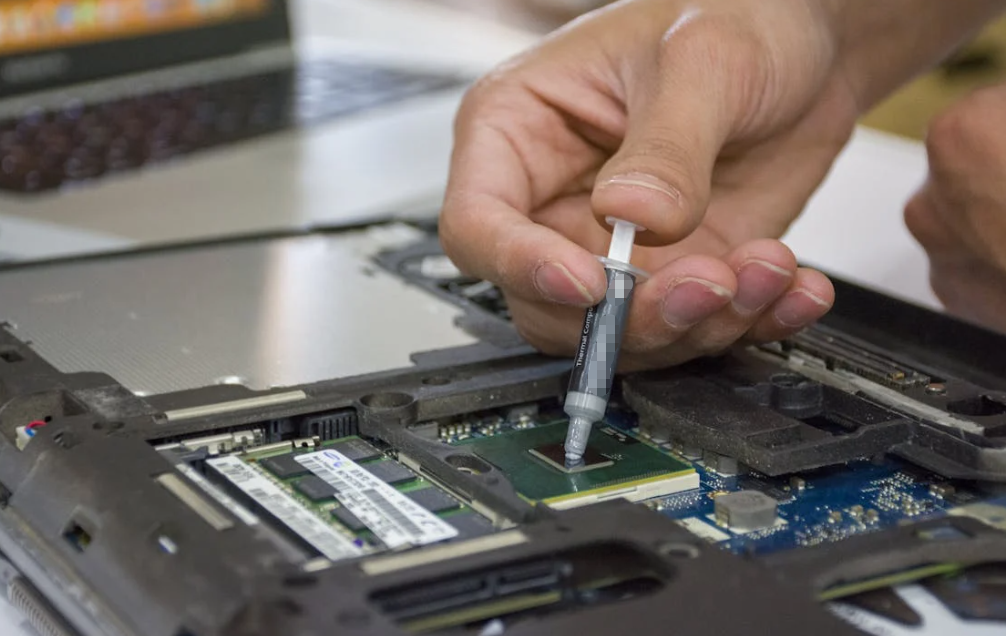
Thermal paste—also called thermal grease or thermal compound—is a small but essential material in electronics cooling. It fills microscopic gaps between a heat source (such as a CPU or GPU) and a heatsink, improving heat transfer and ensuring stable performance.
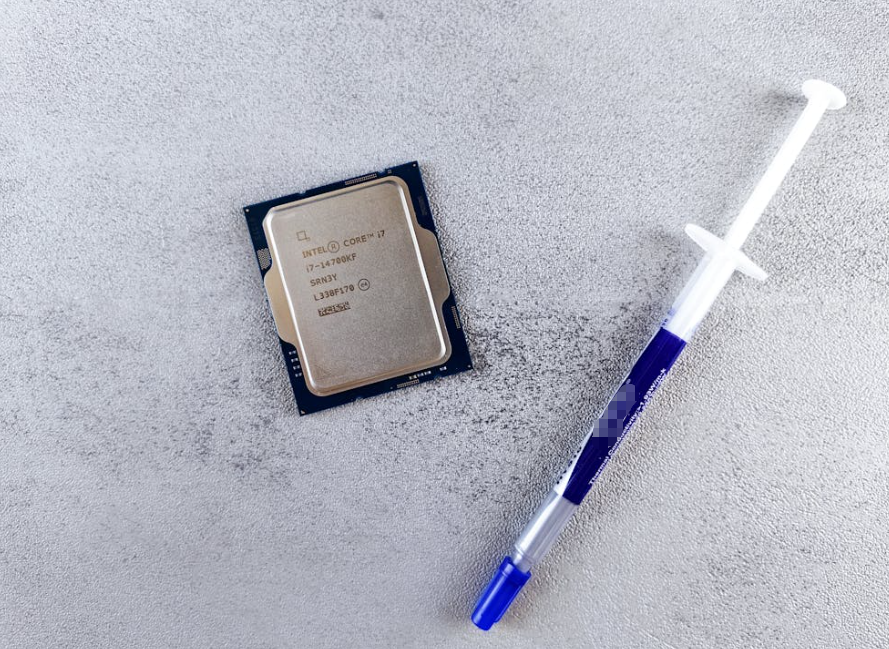
However, many technicians and PC builders encounter a simple question after finishing a build: what should you do with the remaining thermal paste?
Leaving a partially used tube in the wrong environment can shorten its lifespan dramatically. Exposure to air, humidity, and high temperatures may cause the paste to dry out, separate, or lose thermal conductivity. Proper storage, on the other hand, can extend the usability of thermal paste for years.
This guide explains how to store unused thermal paste properly, the environmental factors that affect it, and the best practices professionals use to keep thermal compounds in good condition.
Understanding Thermal Paste and Why Storage Matters
Thermal paste is a thermal interface material (TIM) composed of a base fluid (often silicone or oil) combined with thermally conductive particles such as silver, aluminum oxide, or carbon compounds. These particles improve heat conduction between surfaces that appear smooth but actually contain microscopic imperfections.
Because the paste contains both liquids and solid particles, it can degrade when exposed to environmental stress.
The most common degradation processes include:
- Evaporation of carrier fluids
- Oxidation of metallic particles
- Separation of fillers and oils
- Moisture contamination
Over time, these changes can reduce the paste’s ability to transfer heat effectively.
Under proper storage conditions, most thermal pastes can last 2–5 years, although this varies depending on formulation and quality.
That lifespan can shrink significantly if the paste is exposed to air, extreme temperatures, or humidity.
Typical Shelf Life of Thermal Paste
Before discussing storage techniques, it’s useful to understand how long thermal paste typically lasts.
Unopened Thermal Paste
Most high-quality compounds have a shelf life of:
- 3–5 years when unopened
- Some premium formulations can last even longer
If stored properly, unopened paste remains stable because it has not been exposed to oxygen or moisture.
Opened Thermal Paste
Once opened, the lifespan usually drops to:
- 1–2 years in average conditions
- Potentially longer if sealed well and stored correctly
This happens because air gradually enters the tube, accelerating chemical breakdown and evaporation.
Lifespan by Thermal Paste Type
Different formulas age differently:
| Type | Typical Shelf Life |
| Metal-based paste | 3–5 years |
| Ceramic-based paste | 2–3 years |
| Carbon-based paste | 3–4 years |
| Silicone-based paste | 4–6 years |
Metal pastes are often more sensitive to moisture and oxidation, while carbon and silicone compounds tend to be more stable.
Proper storage is therefore essential for maximizing the usable life of any thermal interface material.
The Three Biggest Enemies of Thermal Paste
To store thermal paste properly, you must understand the factors that degrade it.
Heat
High temperatures accelerate chemical reactions and can cause separation between the base oil and conductive fillers.
Thermal paste is best stored at 15–25°C (59–77°F), which corresponds to normal room temperature.
Avoid storing paste in places such as:
- Garages
- Attics
- Cars
- Near heaters or radiators
- Near computer exhaust vents
Temperatures above 35°C (95°F) can significantly accelerate degradation.
Air Exposure
Air exposure leads to oxidation and evaporation.
When oxygen interacts with metal particles in thermal paste, it can cause:
- Hardening
- Surface crust formation
- Reduced thermal conductivity
Additionally, the base fluid may slowly evaporate if the container is not sealed properly.
Therefore, always reseal the tube immediately after use.
Humidity
Moisture in the air can contaminate thermal paste and alter its chemical balance.
High humidity may lead to:
- Oxidation
- Reduced viscosity
- Lower thermal conductivity
Ideally, thermal paste should be stored in environments with less than 50% relative humidity.
Bathrooms, damp basements, and humid storage rooms should be avoided.
Best Practices for Storing Unused Thermal Paste
Following these practical steps will help preserve unused thermal paste for as long as possible.
Always Seal the Tube Tightly
After using thermal paste, the first and most important step is sealing the container.
Best practices include:
- Replace the cap immediately
- Wipe excess paste from the nozzle
- Ensure the cap threads are clean
- Remove air from the tube before sealing
If the original cap is missing, temporary alternatives include:
- Aluminum foil
- Plastic wrap
- Silicone caps
However, the original cap always provides the best protection.
Store in a Cool, Stable Environment
Room temperature storage is ideal.
Recommended conditions:
- Temperature: 15–25°C (59–77°F)
- Humidity: Below 50%
- Light exposure: Minimal
A desk drawer, storage cabinet, or electronics toolbox usually provides a stable environment.
Avoid locations with frequent temperature fluctuations.
Protect From Light
Ultraviolet (UV) light can degrade certain chemical compounds used in thermal pastes.
Although most syringes are opaque, prolonged exposure to direct sunlight should still be avoided.
Recommended storage locations include:
- Toolboxes
- Desk drawers
- Electronic parts cabinets
Use Airtight Secondary Storage
For long-term storage, an extra protective layer can help.
You can place the thermal paste tube inside:
- A ziplock bag
- An airtight container
- An electronics storage case
Adding silica gel packets can help control humidity.
This technique is especially useful in humid climates.
Label the Opening Date
A simple but effective habit is writing the opening date on the tube.
This allows you to track how long the paste has been exposed to air.
For example:
Opened: June 2025
If the paste is more than two years old, check its condition before applying it to critical hardware.
Should You Store Thermal Paste in the Refrigerator?
Many people wonder whether refrigeration can extend thermal paste lifespan.
Technically, cooler temperatures slow chemical reactions. However, refrigeration introduces several problems.
Potential risks include:
- Condensation inside the tube
- Changes in viscosity
- Moisture contamination
When cold paste is exposed to warm air, water droplets can form inside the container.
For this reason, refrigeration is generally not recommended, unless indoor temperatures regularly exceed 30°C (86°F).
If refrigeration is necessary, allow the paste to warm up to room temperature before opening it.
How to Tell if Thermal Paste Has Gone Bad
Even with proper storage, thermal paste eventually degrades.
Before using older paste, perform a quick inspection.
Visual Inspection
Check for:
- Discoloration
- Oil separation
- Hard crust on the surface
A small amount of oil separation is normal, but heavy separation indicates degradation.
Texture Test
Squeeze a small amount onto a clean surface.
Healthy thermal paste should be:
- Smooth
- Creamy
- Easy to spread
If the paste is gritty, dry, or crumbly, it should be replaced.
Smell Test
Some degraded pastes develop a strong chemical or burnt odor.
If the smell seems unusual, the paste may have broken down.
Storage Tips for Professional Technicians and System Builders
For IT professionals and electronics manufacturers, thermal paste storage becomes even more important because multiple tubes may remain unused for long periods.
Here are some practical recommendations.
Use Inventory Rotation
Adopt a first-in, first-out (FIFO) approach.
Older tubes should always be used before newer ones.
Avoid Bulk Purchases
Unless you assemble systems regularly, avoid buying large quantities of thermal paste.
Smaller tubes reduce the risk of long-term storage issues.
Use Storage Containers
Many repair shops store thermal paste in electronic component organizers with controlled environments.
This helps maintain consistent temperature and humidity.
Check Tubes Periodically
Every few months, inspect stored thermal paste for:
- Hardening
- Leakage
- Separation
Early detection helps avoid applying degraded paste to expensive hardware.
Why Proper Storage Matters for Performance
The purpose of thermal paste is simple: maximize heat transfer between surfaces.
When paste degrades, the following problems can occur:
- Increased CPU temperatures
- Thermal throttling
- Reduced hardware lifespan
- System instability
In severe cases, degraded paste can cause temperatures to increase 10–20°C higher than normal.
That difference can significantly affect system performance and reliability.
Proper storage is therefore not just about saving materials—it also protects valuable electronic equipment.
Storage Considerations for High-Performance Thermal Materials
Modern electronics demand increasingly efficient thermal management.
High-performance thermal pastes used in:
- Gaming computers
- Servers
- Industrial electronics
- AI hardware
- Power electronics
often contain advanced fillers such as graphene, silver, or ceramic particles.
These advanced compounds can deliver excellent thermal conductivity, but they are still sensitive to environmental conditions.
Manufacturers like HakTak, which specialize in thermally conductive materials, design their pastes to remain stable under controlled storage conditions. However, users still play a crucial role in maintaining product quality after opening.
Proper handling ensures the paste retains its original performance characteristics.
Conclusion
Thermal paste may seem like a minor component, but its storage has a direct impact on cooling performance and hardware reliability.
By following a few simple practices—sealing the tube properly, storing it in a cool and dry place, protecting it from air and light, and checking its condition before reuse—you can significantly extend the lifespan of unused thermal paste.
In most cases, properly stored thermal paste can remain usable for several years, saving both time and resources. For technicians, system builders, and electronics manufacturers alike, good storage habits ensure that this essential thermal interface material continues to perform exactly as intended.
FAQs
How long can unused thermal paste be stored?
Most thermal pastes last 2–5 years unopened and about 1–2 years after opening, depending on storage conditions.
Should thermal paste be refrigerated?
Usually no. Refrigeration can cause condensation and moisture contamination. Room temperature storage is generally best.
What temperature is best for storing thermal paste?
The recommended storage temperature is 15–25°C (59–77°F) in a cool, stable environment.
Can separated thermal paste still be used?
If the separation is minor, gently mixing it may restore consistency. However, heavy separation usually means the paste has degraded.
How do I know if thermal paste is no longer usable?
If the paste becomes dry, hard, crumbly, or discolored, it should be replaced.