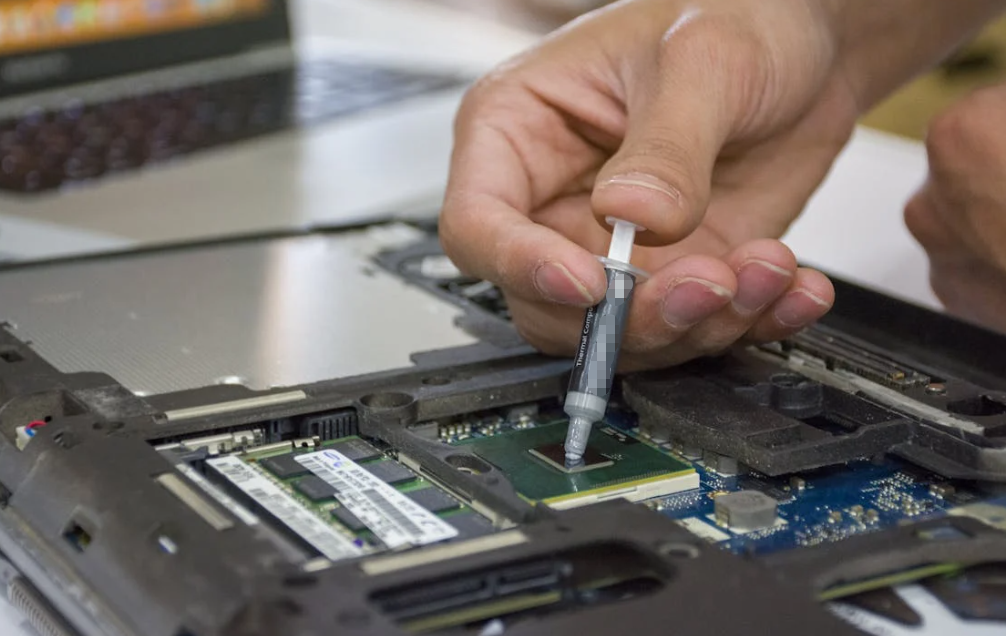
Thermal management is one of the most critical challenges in modern electronics design and manufacturing. As devices become ever smaller and more powerful, efficient heat dissipation is no longer a luxury — it’s a necessity. Among the many tools engineers have for managing heat, thermally conductive epoxy potting compounds stand out as a versatile solution that protects sensitive components while aiding thermal control.

In this comprehensive guide, we explore what thermally conductive epoxy potting is, how it works, why it’s important, which industries rely on it most, and how to choose the right compound for your application.
1. What Is Epoxy Potting?
At its core, potting is the process of encapsulating an electronic assembly, circuit board, or component in a solid resin to protect it from the external environment. In electronics, potting helps exclude moisture, dust, corrosive gases, mechanical shock, and vibration — all of which can degrade performance or cause failure over time.
Epoxy potting compounds are among the most widely used materials for this purpose. Traditional epoxy resins cure into a rigid solid that bonds securely to substrates like metals, ceramics, and printed circuit boards (PCBs). However, standard epoxies typically have low thermal conductivity, often around 0.2 W/m·K, which limits their ability to transfer heat.
Related Read: A Complete Guide to Thermally Conductive Structural Adhesives in Modern Electronics
2. Why Heat Management Matters
When electronic components operate, they generate heat. If that heat isn’t effectively removed, it accumulates and raises the junction temperature of semiconductors, integrated circuits, LED arrays, power modules, sensors, and other heat-sensitive parts.
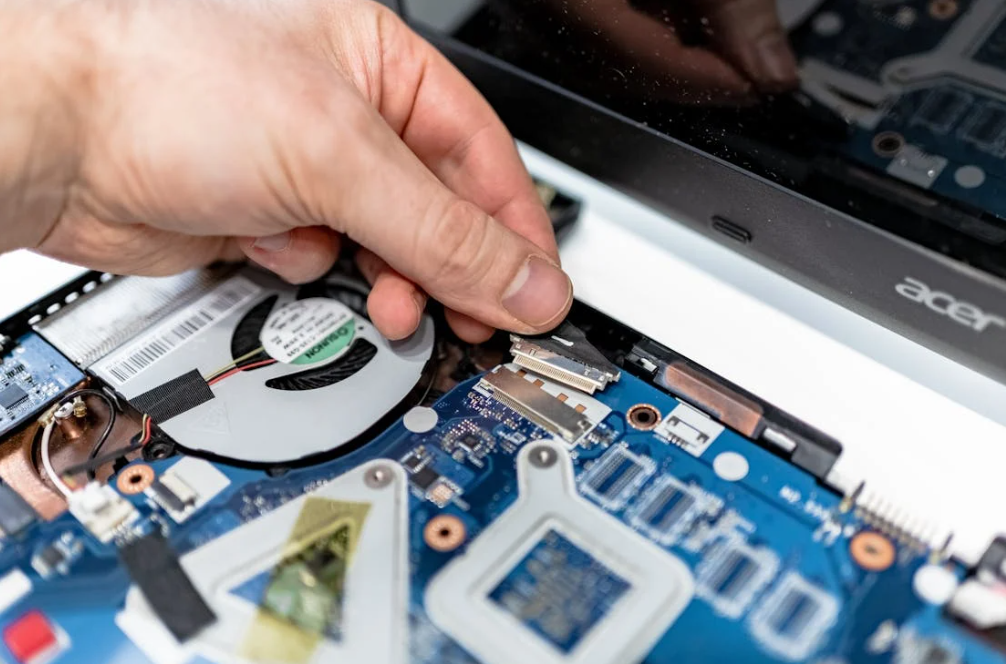
Excessive heat can cause:
- Reduced performance and signal drift
- Shortened device lifespan
- Thermal runaway and catastrophic failure
- Reduced reliability in harsh environments
Effective thermal management maintains stable operating temperatures and prevents these issues — making it essential in everything from consumer gadgets to power electronics. That’s where thermally conductive materials come into play.
Related Read: What Is Thermal Adhesive? A Complete Guide to Heat-Conductive Bonding Materials
3. What Makes Epoxy Thermally Conductive?

Epoxy resin on its own is a poor thermal conductor. To solve this, manufacturers formulate thermally conductive epoxy potting compounds by blending the resin with high-performance fillers such as:
- Aluminum oxide (Al₂O₃)
- Boron nitride (BN)
- Aluminum nitride (AlN)
- Specialized ceramic or carbon fillers
When dispersed within the epoxy matrix, these fillers create continuous pathways that allow heat to move more rapidly through the cured compound. This dramatically enhances the thermal conductivity of the potting material — in some advanced formulations reaching above 1-3 W/m·K, and in specialty materials even higher.
Related Read: What Is a Thermal Gap Filler? A Complete Guide to Materials, Uses, and Benefits
4. Key Properties of Thermally Conductive Epoxy Potting
When selecting or designing a potting compound with thermal conductivity in mind, several material characteristics are critical:
Thermal Conductivity
This is the measure of how well heat can move through the cured epoxy. Higher values mean better heat dissipation.
Electrical Insulation
Because many electronics are voltage-sensitive, a good potting compound must conduct heat without becoming electrically conductive.
Low Coefficient of Thermal Expansion (CTE)
A close match between the CTE of the potting material and surrounding components minimizes stress during thermal cycling.
Viscosity and Pot Life
Flow characteristics determine how well the epoxy penetrates tight spaces and voids before curing begins.
Mechanical Strength
High tensile strength, compressive strength, and rigidity help resist vibration, shock, and mechanical stress.
Chemical and Environmental Resistance
Good potting compounds resist moisture, chemicals, fuels, and oils — essential for harsh industrial or automotive environments.
Related Read: Understanding Non-Silicone Thermal Materials: Benefits, Applications, and Selection Guide
5. How Thermally Conductive Epoxy Potting Works

The potting process typically involves:
- Mixing the epoxy resin with fillers and a curing agent
- Pouring or dispensing the mixture into a mold or enclosure with the component inside
- Allowing the material to cure, forming a solid structure around and through the assembly
During curing, the thermal pathways formed by the fillers enable heat to travel from the component into the potting matrix and then to heat sinks or enclosures. This helps dissipate heat more evenly and reduces hot spots that can degrade performance.
Thermally conductive epoxy compounds are engineered to balance ease of application against performance. Some formulations offer long working times and low exotherm, making them suitable for large potting volumes without generating damaging heat during cure.
6. Common Applications & Use Cases
Thermally conductive epoxy potting has become indispensable across industries where heat and reliability are priorities:
Power Electronics
Electric vehicles (EVs), inverters, converters, and renewable energy systems generate substantial heat. Proper potting keeps power modules cool and reliable.
LED Lighting
LED arrays are sensitive to prolonged heat exposure. Conductive potting helps dissipate heat and extend light lifetime.
Consumer Electronics
Smartphones, wearables, and tablets benefit from thermal potting to prevent chip overheating and performance throttling.
Medical Devices
Diagnostic imaging and portable medical tools generate internal heat where reliability and safety are essential.
Aerospace & Defense
Avionics and sensors operate in extreme temperature ranges where efficient thermal management and protection matter.
7. Technical Considerations When Selecting a Potting Compound
Choosing the right epoxy potting material depends on specific design and environmental demands:
Thermal Performance vs Electrical Safety
Select a compound with enough thermal conductivity while maintaining dielectric strength suitable for your voltages.
Operating Temperature Range
Ensure the epoxy will perform reliably across expected hot and cold temperature cycles.
Application Method
Low-viscosity epoxies flow better in complex geometries, while paste or thixotropic materials may be better for vertical surfaces.
Cure Schedule
Cure temperatures and timing affect throughput — some systems cure at room temperature; others require elevated heat.
Compliance & Standards
Look for certifications like UL, RoHS, and industry-specific approvals when required.
8. Benefits of Thermally Conductive Epoxy Potting
Thermally conductive epoxy potting compounds offer a host of advantages over traditional encapsulants:
Efficient Heat Transfer
By moving heat away from hotspots, these materials improve reliability and performance.
Strong Environmental Protection
They protect against moisture, dust, vibration, and mechanical shock.
Improved Reliability
Components under thermal stress experience less fatigue, lowering failure rates.
Size and Weight Reduction
Effective potting lets designers reduce heatsink size or device bulk without compromising cooling.
Electrical Insulation
Despite enhanced thermal paths, the materials maintain dielectric insulation, crucial for safety.
9. Limitations and Engineering Challenges
While highly useful, thermally conductive epoxies are not without limitations:
- Trade-offs Between Fillers and Mechanical Properties: High filler content improves heat transfer but can increase brittleness.
- Cure Heat (Exotherm): Some formulations release heat while curing, which must be managed in thick sections.
- Processing Complexity: Large volume pours may need special handling or staging.
Understanding these trade-offs early helps engineers choose the right formulation for their design constraints.
10. How to Apply Thermally Conductive Epoxy Potting
Proper application matters for performance:
- Prepare and clean substrates thoroughly
- Degas the potting compound if required
- Use controlled dispensing systems to avoid air voids
- Monitor cure conditions — temperature, humidity, and timing
- Inspect the cured potting for voids or defects
Well-executed application enhances thermal contact and long-term device performance.
11. Quality, Compliance, and Industry Standards
Many industries require adherence to standards such as UL 746A for safety and RoHS for environmental compliance. When selecting materials, ensure documentation supports key claims about thermal conductivity, dielectric strength, and temperature performance.
12. Choosing the Right Supplier
For electronics manufacturers and OEMs, partnering with a supplier who understands application requirements is essential. Look for companies that offer:
- Technical support and formulation guidance
- Sample evaluation and testing
- Detailed data sheets and compliance certificates
- Customizable potting chemistries
HakTak, with deep expertise in thermally conductive materials, supports engineers seeking tailored thermal management solutions across markets.
13. Conclusion
Thermally conductive epoxy potting compounds are more than just protective encapsulants — they are critical to thermal management in modern electronics. By combining robust mechanical protection, electrical insulation, and efficient heat transfer, these materials help designers tackle rising power densities and shrinking form factors across industrial, consumer, automotive, and aerospace applications.
Whether you’re designing high-power inverters or compact IoT modules, understanding the properties, applications, and engineering considerations of thermally conductive epoxy potting will help you make better decisions and achieve greater product reliability.
14. Frequently Asked Questions (FAQs)
What is thermally conductive epoxy potting?
It’s an epoxy resin compound filled with materials (like aluminum oxide or boron nitride) to improve heat transfer while encapsulating and protecting electronics.
How does it help with heat management?
The fillers create conductive pathways that carry heat away from components, preventing overheating and improving reliability.
Is thermally conductive potting electrically safe?
Yes — these compounds are formulated to conduct heat but remain electrically insulating, protecting circuits from short circuits.
Where is it commonly used?
Electric vehicles, LED lighting, medical devices, aerospace electronics, and consumer gadgets all use thermally conductive potting.
How do I choose the right product?
Consider thermal requirements, operating temperature, viscosity, cure profile, and compliance standards needed for your application.