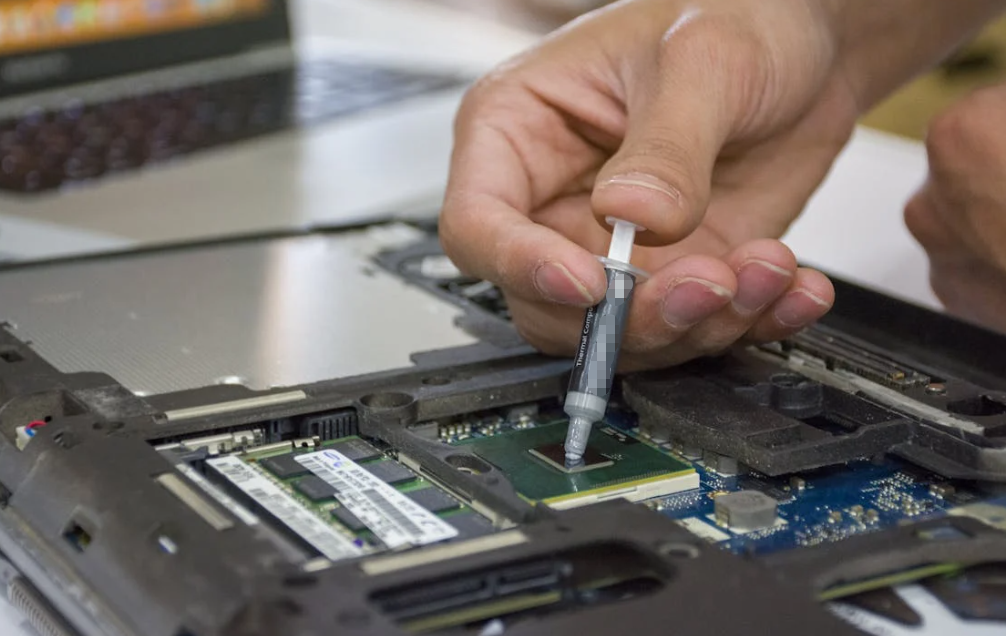
In the world of electronics cooling and thermal management, thermal compound plays a crucial but often overlooked role. Whether you’re designing high-performance servers, building custom PCs, or manufacturing power electronics, understanding what thermal compound is and how it works is essential. In this comprehensive article, we’ll unpack the science, applications, selection tips, and real-world considerations behind thermal compounds — with insight that goes beyond the basics to empower engineers, technicians, and enthusiasts alike.

1. Introduction: Why Thermal Management Matters
Every electrical device that processes power — from CPUs and GPUs to LED modules and power transistors — generates heat. When heat is not properly managed, it can degrade performance, shorten component lifespan, and even lead to sudden failure. Modern systems often run at high power densities, making efficient heat dissipation a core design challenge.
At the heart of this challenge lies the interface between a heat-generating component and its cooling system. Even when two metallic surfaces appear smooth to the naked eye, microscopic irregularities prevent perfect contact. Those tiny gaps trap air, a poor conductor of heat, creating thermal resistance that undermines cooling performance.
This is where thermal compound comes in: it fills those microscopic gaps, drastically improving heat transfer and helping systems stay cool and reliable.
2. What Is Thermal Compound?
Thermal compound, also known as thermal paste, thermal grease, heat sink compound, or thermal interface material (TIM), is a thermally conductive material applied between two surfaces to improve the transfer of heat from one surface to another. In electronics, it’s commonly placed between heat-generating devices (like CPUs or power transistors) and heat sinks to ensure efficient heat dissipation.
At its simplest, thermal compound bridges the gaps and irregularities between surfaces, replacing air pockets with a medium that conducts heat much more effectively. Without it, heat transfer would be inefficient, leading to higher operating temperatures and reduced performance.
3. How Thermal Compound Works
Thermal compound works by improving the thermal interface between two components:
- Microscopic Imperfections: Even machined metal surfaces have tiny peaks and valleys that prevent perfect contact.
- Air Is an Insulator: Those surface irregularities trap air, which has very low thermal conductivity — around 0.025 W/m·K — significantly hindering heat flow.
- Compound Fills the Gaps: When applied, thermal compound spreads into those microscale gaps and irregularities, replacing air with a material designed to conduct heat better.
- Improved Heat Flow: With the gaps filled, heat can travel more efficiently from the heat source to the sink, lowering operating temperatures and improving device performance.
In essence, thermal compound enhances the thermal coupling between two surfaces, minimizing thermal resistance and maximizing heat transfer efficiency.
4. Composition of Thermal Compound
Thermal compounds are engineered materials made to balance thermal performance, ease of application, long-term stability, and safety. While formulations vary by manufacturer and application, most thermal compounds consist of two main components:
Base Matrix
The base matrix provides viscosity and workability. Common base materials include:
- Silicone oils or greases: These are flexible and easy to apply.
- Epoxies or acrylates: Used in some formulations for longer-term stability.
- Urethanes and synthetic polymers: Provide specific mechanical or thermal properties for niche applications.
Thermally Conductive Fillers
These fillers dominate the thermal behavior of the compound and are chosen to enhance heat conduction:
- Ceramic particles: Such as aluminum oxide (Al₂O₃), boron nitride (BN), or aluminum nitride (AlN). These are non-conductive electrically and provide reliable heat transfer.
- Carbon-based materials: Including graphite, carbon nano structures, and increasingly graphene for high-performance TIMs.
- Metal particles: Such as silver or copper. These offer high thermal performance but may be electrically conductive, requiring caution during application.
The filler content — sometimes up to 70–80% by mass — significantly boosts thermal conductivity compared to the base matrix alone.
5. Thermal Conductivity Explained
Thermal conductivity measures how well a material conducts heat, expressed in watts per meter-kelvin (W/m·K). Higher values indicate better heat conduction.
- Air: ~0.025 W/m·K (very poor conductor)
- Typical Thermal Pastes: ~1–8 W/m·K, depending on formulation and fillers
- Liquid Metal TIMs: Can exceed 13 W/m·K, beyond most ceramic pastes
Bear in mind that while liquid metal TIMs deliver superior conductivity, they can be electrically conductive and reactive with some metals (e.g., gallium attacks aluminum), so they must be selected and applied with care.
6. Common Applications of Thermal Compound
Thermal compound has diverse applications wherever efficient heat transfer is essential:
CPUs and GPUs
PC builders and system integrators apply thermal paste between the processor and its heat sink to maintain optimal operating temperatures.
Power Electronics
Devices like MOSFETs, IGBTs, and power modules generate significant heat. Thermal compound helps maintain performance and reliability in industrial systems.
LED Lighting and COB Modules
High-power LEDs use thermal compounds to conduct heat to heat sinks, preventing light output degradation and long-term failure.
Automotive Electronics
Thermal management is critical in automotive control units, electric power converters, and sensors, where elevated temperatures can affect performance and safety.
Telecom and RF Systems
High-frequency amplifiers and RF modules also rely on TIMs to maintain thermal stability under load.
In each case, selecting the right thermal compound and applying it correctly are key to system reliability and performance.
7. Types of Thermal Compounds
Thermal compounds vary not just in composition, but also in behavior and performance characteristics. Here are the most common categories:
Ceramic Thermal Compounds
- Electrical Insulation: Generally safe near PCB traces.
- Good Performance: Adequate for most consumer and industrial devices.
- Cost-Effective: Widely used in standard applications.
Metal-Based Thermal Compounds
- Higher Thermal Conductivity: Often silver or copper-based.
- Potential Conductivity: Can be electrically conductive or capacitive — careful application required.
- Use Cases: When performance outweighs cost and electrical risk.
Carbon/Graphite Thermal Compounds
- Balanced Performance: Good conductivity, non-conductive electrically.
- Increasing Use: Thanks to advanced carbon nanomaterials.
Liquid Metal TIMs
- Top Tier Conductivity: Unmatched thermal performance.
- Challenges: Electrically conductive and reactive with some metals.
- Best For: Enthusiast overclocking or high-end industrial scenarios.
Each type serves a specific niche. While standard ceramic pastes are ideal for everyday use, high-performance or mission-critical systems may benefit from carbon or liquid metal formulations — if proper care is taken during application.
8. Best Practices for Applying Thermal Compound
Application technique matters just as much as compound choice:
Surface Preparation
Clean both surfaces completely with isopropyl alcohol or a dedicated cleaner before applying. This removes old paste, oils, and contaminants.
Use the Correct Amount
Too much compound can squeeze out into unwanted areas; too little leaves gaps. A thin, even layer is optimal.
Apply Even Pressure
Once applied, mount the heat sink evenly to avoid air bubbles and ensure full contact across the surface.
Reapply as Needed
Over long usage cycles, thermal compounds can dry out or become less effective. Periodic inspection and reapplication can sustain performance and extend component life.
9. Risks and Common Pitfalls
While thermal compound is indispensable, several real-world issues can arise:
Incorrect Material Selection
Using electrically conductive pastes in sensitive circuitry can lead to shorts or damage.
Overapplication
Excessive paste can lead to spillover into adjacent areas or trapping of air pockets.
Inferior Products
Some low-quality thermal compounds may contain reactive chemicals that release corrosive vapors, damage heat sink surfaces, or bond components in unintended ways — a concern raised by recent investigations into certain consumer thermal pastes.
Choosing reputable suppliers and verified formulations helps mitigate these risks.
10. Conclusion
Thermal compound might seem like a humble paste you smear between a CPU and a heat sink, but its role in thermal management is far from trivial. As a thermally conductive interface material, it bridges the microscopic gaps that would otherwise trap air and inhibit heat transfer. From high-performance computing to power electronics and industrial systems, thermal compound enables devices to run cooler, longer, and more reliably.
At HakTak, we understand that high-quality thermally conductive materials are foundational to efficient cooling systems. The right thermal compound — applied with precision and informed by design requirements — can unlock peak performance and sustainable operation across electronics applications.
11. Frequently Asked Questions (FAQs)
What’s the difference between thermal paste and thermal compound?
There’s no practical difference — both terms describe the same thermally conductive interface material used to improve heat transfer.
Is thermal compound electrically conductive?
Most ceramic-based compounds are electrically insulating, but metal-based or liquid metal formulations can be electrically conductive or capacitive — apply with care.
How often should I replace thermal compound?
For most applications, inspect every 2–5 years, depending on usage conditions and thermal performance.
Can I use any thermal compound for my CPU?
Choose based on thermal conductivity requirements, electrical properties, and compatibility with your cooling setup. High-performance needs may warrant premium compounds.
What happens if I don’t use thermal compound?
Without thermal compound, microscopic air gaps remain, reducing heat transfer efficiency and potentially causing overheating and reduced device lifespan.