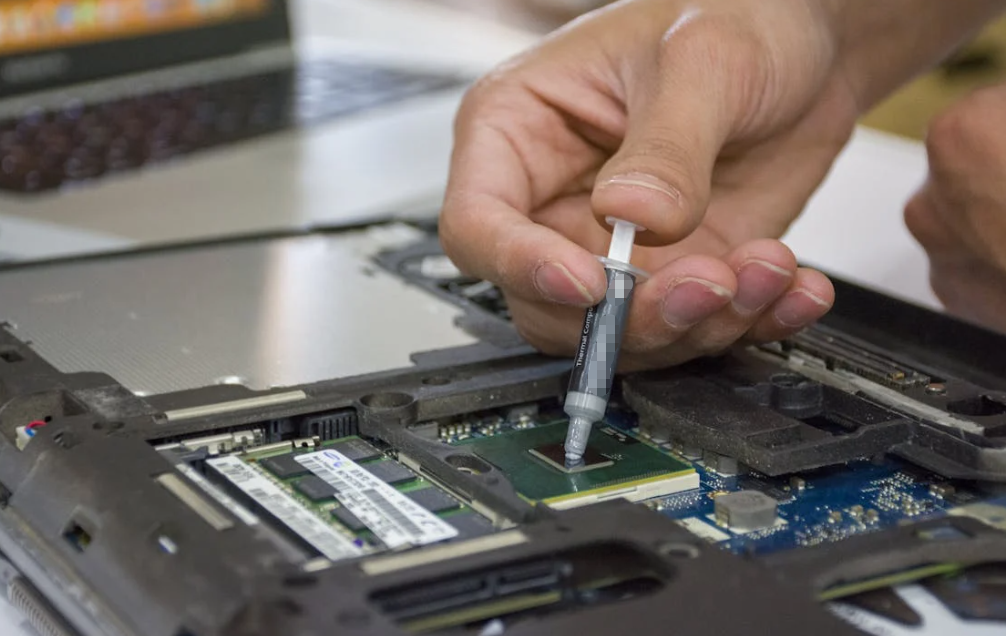
Efficient heat management is one of the cornerstones of modern electronics. Whether in high‑performance computing, industrial drives, automotive power modules, or consumer electronics, managing thermal energy is critical to reliability, performance, and safety. Among the myriad of thermal interface materials (TIMs), thermal putty and thermal paste are two widely used products that often get compared, confused, and sometimes misapplied.

In this comprehensive guide, we’ll explore what thermal putty and thermal paste are, their physical properties, functional differences, applications, pros and cons, selection criteria, and real‑world usage recommendations. Our goal is to equip engineers and purchasing managers with the insights needed to make the right choice — especially when designing or sourcing materials for demanding thermal environments.
What Is Thermal Interface Material (TIM)?
Before comparing specific products, it’s important to understand what a thermal interface material is. In any heat‑generating electronic system, excess heat must be transferred from a component — such as a microprocessor, power module, or LED — to a heat sink, chassis, or cooling medium.
However, even machined metal surfaces have microscopic peaks and valleys. These irregularities trap air — a poor thermal conductor — raising thermal resistance. TIMs are designed to fill these microscopic voids and improve thermal conduction between paired surfaces.
TIMs differ widely: from low‑viscosity pastes to solid pads, adhesive tapes, silicones, gels, and putties. Each has unique mechanical and thermal properties that make them suitable for particular applications.
Thermal Paste: Definition and Characteristics
Thermal paste, also called thermal grease or thermal compound, is a semi‑fluid material formulated to maximize heat transfer between two closely matched surfaces — most notably between CPUs/GPUs and their heatsinks.
Composition
- Thermal paste usually comprises a carrier base (such as silicone, synthetic oil, or polymer) and conductive fillers (including aluminum oxide, boron nitride, diamond, or even silver).
- In high‑end formulations, liquid metals like gallium alloys are used to achieve very high thermal conductivities.
Typical Properties
- Consistency: Smooth, viscous, and paste‑like, designed to spread into ultra‑thin layers.
- Thermal Conductivity: Typically ranges from a few W/m·K up to more than 10 W/m·K for advanced compounds.
- Electrical Properties: Most paste is electrically non‑conductive, but metal‑based pastes can be conductive, requiring careful application.
- Longevity: Over long usage cycles, thermal paste can dry, pump out under thermal cycling, or degrade, reducing performance.
Strengths
- Excellent thermal performance in thin bond lines
- Ideal for precision surfaces such as CPU/GPU integrated heat spreaders
- Easy to use in laboratory and DIY environments
Limitations
- Requires careful application — too much or too little can reduce performance.
- May become messy or require cleanup.
- Susceptible to pump‑out or drying under extreme thermal cycling.
- Not designed to fill large gaps.
Thermal Putty: Definition and Characteristics
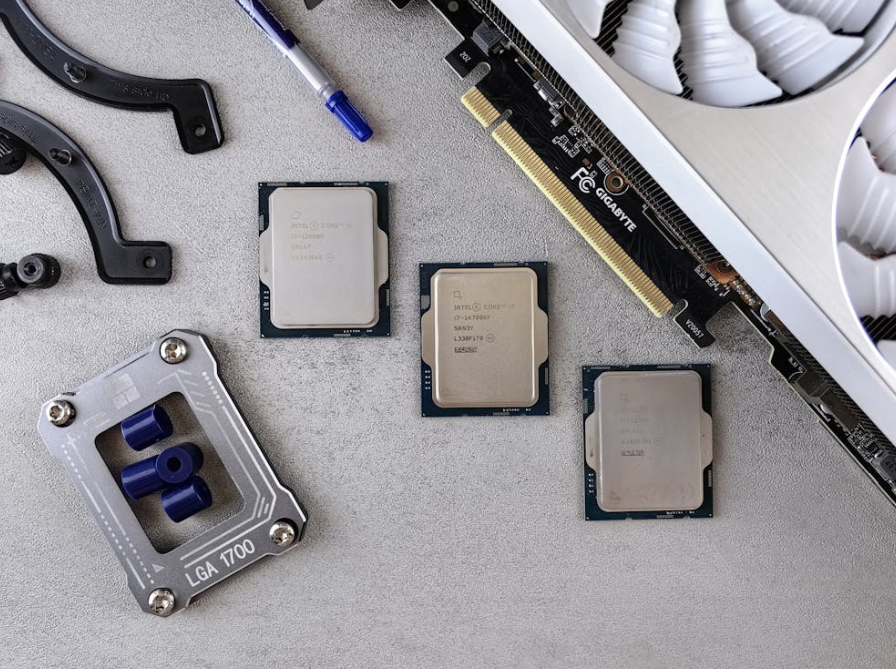
Thermal putty, sometimes called thermal gel or gap filler putty, is a malleable, soft, clay‑like thermal interface material that excels in filling larger gaps and conforming to irregular surfaces.
Composition and Physical Form
- Putty is typically silicone‑based with thermally conductive fillers.
- It remains soft and pliable, without curing hard, enabling rework and repositioning if necessary.
Typical Properties
- Consistency: Thicker and more moldable than paste.
- Thermal Conductivity: Often from single digits up to around 10–15 W/m·K depending on formulation.
- Gap Filling: Excellent for applications where the heat source and heat sink aren’t perfectly flush.
- Durability: More stable over long life cycles; doesn’t “pump out” like paste.
Strengths
- Works well for uneven surfaces and variable component heights.
- Remains pliable and reworkable.
- Less maintenance once applied in industrial assemblies.
Limitations
- Typically offers lower maximum thermal conductivity than the very highest‑end pastes.
- More expensive and can require specialized application equipment in high‑volume manufacturing.
- Not ideal for ultra‑thin gaps due to its thickness.
Key Differences Between Thermal Putty and Thermal Paste
Understanding the differences between these two materials helps engineers choose the right TIM for their design.
| Attribute | Thermal Paste | Thermal Putty |
| Form | Viscous, semi‑fluid | Thick, moldable clay |
| Ideal Gap | Ultra‑thin, smooth | Larger, irregular |
| Application | Precise, careful spreading | Molded or dispensed |
| Reworkability | Moderate (cleanup needed) | High (easily repositioned) |
| Durability | Can degrade/pump out | Stable long‑term |
| Typical Use | CPUs/GPUs, thin interfaces | Power modules, uneven surfaces |
Summary of Differences
- Gap Thickness: Pastes excel in thin, precision interfaces; putties are better when spacing varies or surfaces are not flat.
- Handling: Paste spreads; putty fills and molds.
- Rework: Putty is more forgiving in rework and repositioning.
- Performance Over Time: Putties typically maintain performance longer in sustained environments and under vibration.
Performance Considerations

Thermal Conductivity
Thermal conductivity is a key metric. For most thermal pastes, typical values range from around 2–12 W/m·K, depending on filler materials and base chemistry.
Thermal putties often fall into a similar range but are optimized for filling variable gaps rather than achieving ultra‑thin contact layers. Some advanced putties exceed 10 W/m·K in specialized formulations.
Thermal Resistance and Bond Line Thickness
The highest heat transfer occurs when the material fills all voids with minimal thickness. Thermal paste — by virtue of very thin bond lines — often offers the lowest thermal resistance in highly controlled assemblies.
In contrast, putty’s thicker application can increase thermal resistance if not applied correctly, but its greater conformity often outweighs this where surfaces are misaligned or height differences exist.
Mechanical Stability
In environments with vibration, shock, or thermal cycling, putty typically retains its form and thermal performance better than paste, which can pump out or dry over time.
Application Techniques and Best Practices
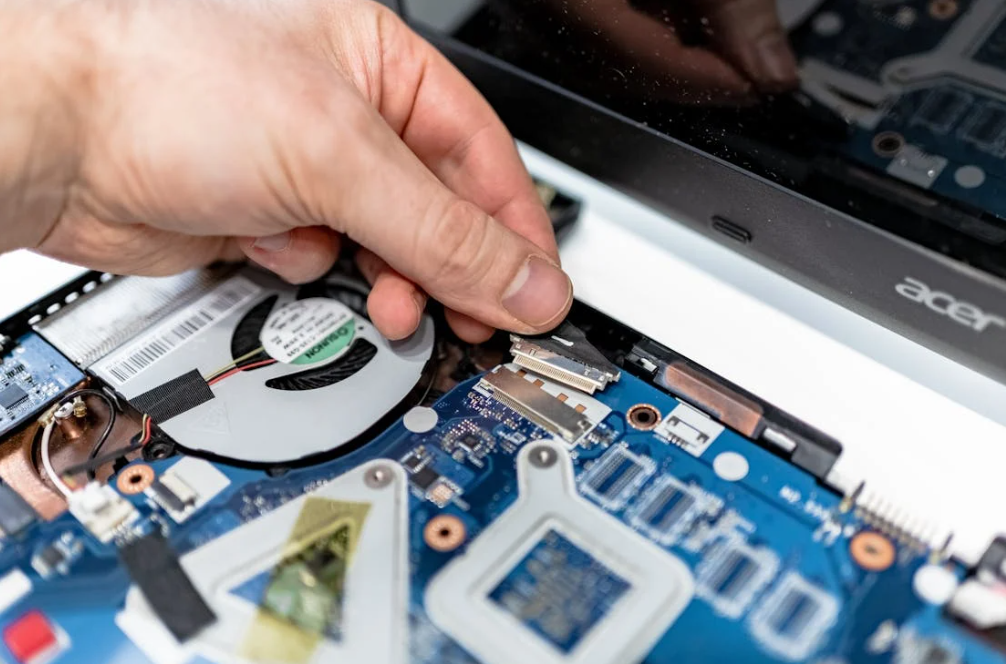
Applying Thermal Paste
- Clean surfaces (use isopropyl alcohol).
- Apply a thin, even layer — often a pea‑sized amount for CPUs.
- Mount heat sink and torque evenly.
- Avoid overapplication — excess doesn’t improve performance.
Common pitfalls include air bubbles, uneven spreading, or exceeding recommended thickness.
Applying Thermal Putty
- Assess surface irregularities and gap height.
- Mold or dispense putty to fill gaps completely.
- Ensure contact between mating surfaces without excessive compression.
- Verify final assembly under operating conditions.
Putty is more tolerant of application variation, but understanding system geometry is key to maximizing performance.
Typical Use Cases
Thermal Paste
- CPU/GPU interfaces in computers and servers.
- Compact electronics with minimal gap tolerance.
- High‑performance overclocking scenarios requiring optimal heat transfer.
Thermal Putty
- Power electronics with varying component heights.
- Automotive electronics where surfaces may not be machined precisely.
- Telecom and industrial systems with multiple heat sources and uneven surfaces.
How to Choose the Right TIM
Selecting between thermal putty and thermal paste depends on several factors:
Gap and Surface Characteristics
- Small, uniform gaps: thermal paste is typically superior.
- Variable surfaces or larger gaps: putty provides better contact.
Thermal Performance Requirements
Where heat densities are extremely high and surfaces are well‑matched, paste with high conductivity fillers may outperform putty. Conversely, in applications where contact conformity matters more than ultra‑thin bond lines, putty wins out.
Mechanical and Environmental Conditions
Systems that encounter shock, vibration, or thermal cycling over years benefit from materials (like putty) that remain pliable and stable.
Rework and Maintenance
Thermal putty is generally easier to remove and rework than conventional paste, which often requires cleaning and reapplication.
Common Misconceptions
“Thermal paste and thermal putty are interchangeable.” This is false. They are both thermal interface materials but have very different rheological and functional properties.
“Putty always outperforms paste.” Not in every context. In thin, precision interfaces, paste often provides lower thermal resistance due to thinner bond lines.
“High conductivity numbers guarantee better performance.” Conductivity is important, but interface resistance, gap thickness, and correct application are equally critical. A moderately conductive material applied correctly may outperform a high‑conductivity TIM applied poorly.
Conclusion
Thermal putty and thermal paste each have their place in modern thermal management design.
- Thermal paste excels in scenarios requiring ultra‑thin thermal interfaces and high heat transfer performance, especially where surfaces are well‑matched — such as CPUs, GPUs, and high‑end computing.
- Thermal putty shines where surface conformity, gap filling, and long‑term stability matter — such as automotive electronics, industrial power modules, and mismatched mechanical interfaces.
There is no one‑size‑fits‑all solution; successful thermal management depends on understanding both materials’ properties, the system’s mechanical geometry, and operating conditions. Choosing the right TIM — whether paste or putty — can mean the difference between thermal success and performance limitations.
Frequently Asked Questions (FAQs)
What is the main difference between thermal putty and thermal paste?
Thermal putty is a thick, moldable material suited for filling larger gaps, while thermal paste is a viscous compound optimized for ultra‑thin interfaces.
Which has higher thermal conductivity?
Premium thermal pastes often achieve higher maximum conductivity, but high‑end putties can also reach competitive values depending on formulation.
Can I use thermal putty instead of thermal paste on a CPU?
In most cases, no — putty is not designed for extremely thin bond lines and may increase thermal resistance on CPUs.
Is thermal putty reusable?
Yes, putty is generally reworkable and can be reapplied if removed carefully.
Do both require specialized application tools?
Thermal paste can be applied manually or with dispensers; putty may require specialized dispensers for consistent application in production environments.