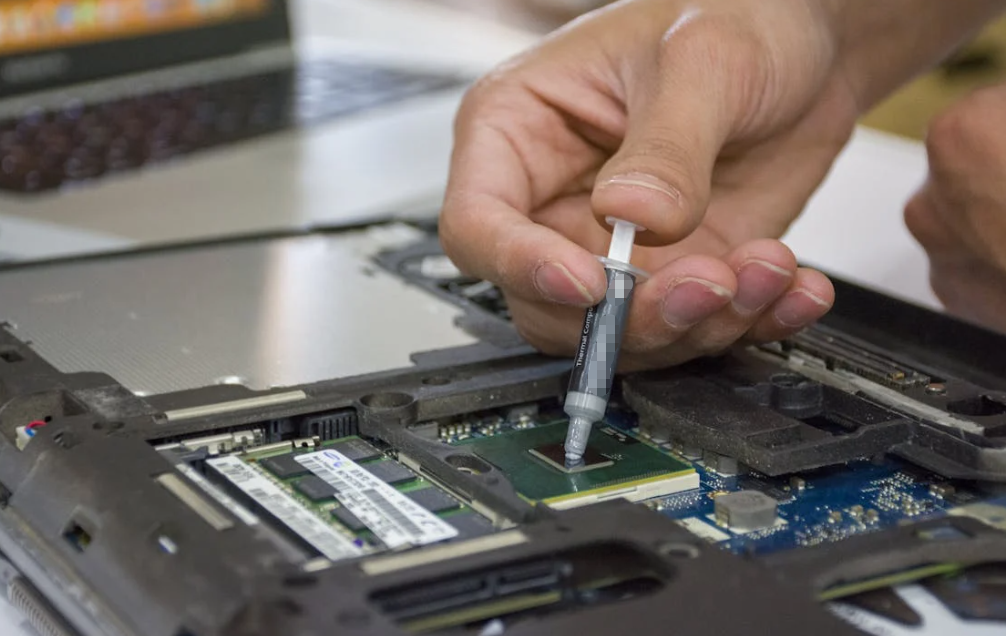
Thermal paste has long been the default thermal interface material (TIM) for CPUs, GPUs, and power electronics—but it’s not the only option anymore. As hardware evolves and user preferences shift toward convenience, durability, and performance consistency, several alternatives have emerged. Some are practical, others are niche, and a few are pushing the boundaries of what thermal management can look like.

So, are there real alternatives to thermal paste? Yes. But the better question is: which alternative makes sense for your specific use case?
This guide breaks it all down—clearly, honestly, and without the usual recycled talking points.
What Thermal Paste Actually Does (And Why Replacements Exist)
Before diving into alternatives, it helps to understand the job thermal paste performs.
No surface—no matter how polished—is perfectly flat. Microscopic air gaps exist between a chip (like a CPU) and a heatsink. Air is a terrible conductor of heat, so these gaps must be filled with a material that transfers heat efficiently. Thermal paste does exactly that by spreading into those tiny imperfections and improving contact.
However, thermal paste comes with trade-offs:
- It can be messy to apply
- It may dry out or degrade over time
- Application quality affects performance
- It often requires reapplication after a few years
These limitations are exactly why alternatives exist.
Why Look for Alternatives to Thermal Paste?
In real-world applications—from gaming PCs to industrial electronics—users often want:
- Cleaner installation (no mess)
- Reusability
- Long-term stability (no drying or pump-out)
- Electrical insulation
- Higher performance in extreme cases
No single solution perfectly checks all boxes. That’s why different alternatives exist for different scenarios.
Thermal Pads: The Simplest Replacement
What They Are
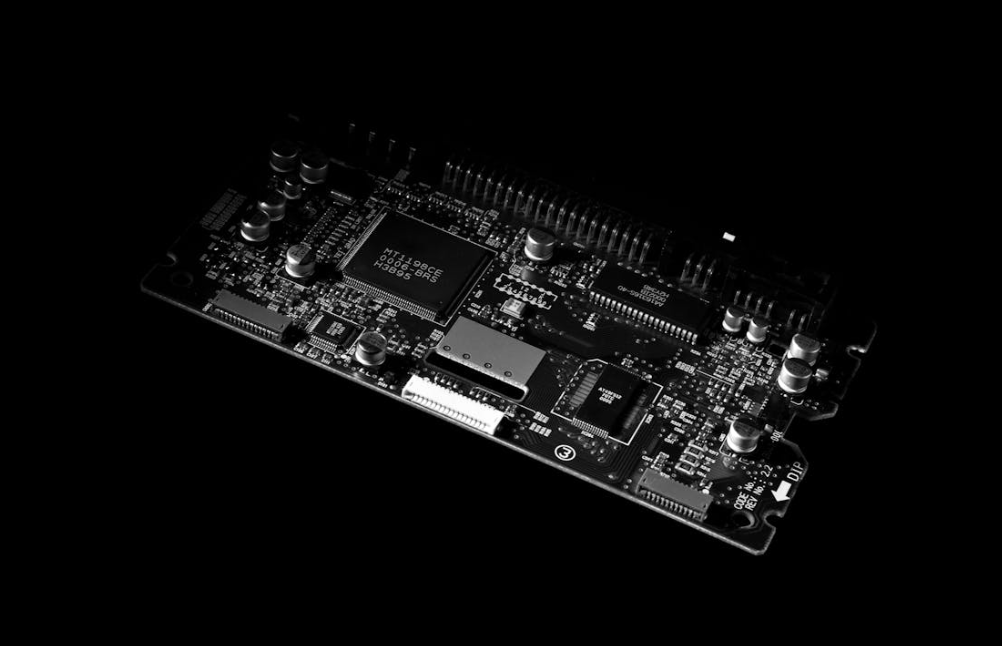
Thermal pads are solid sheets made from silicone, graphite, or ceramic-filled materials. They’re designed to sit between components and heatsinks without any spreading.
Why People Use Them
- Easy “peel-and-stick” installation
- No mess, no guesswork
- Electrically insulating (safer)
- Ideal for uneven surfaces or larger gaps
Thermal pads are widely used in VRAM, MOSFETs, and power modules where surfaces are not perfectly aligned.
Performance Reality
Although some high-end pads claim decent thermal conductivity (up to ~12 W/m·K), they often underperform compared to paste in real conditions due to thickness and imperfect surface contact.
Best Use Cases
- Memory chips (VRAM)
- Power delivery components (VRMs)
- Beginners or quick installations
Bottom Line
Thermal pads are the most practical alternative, but not the best for peak performance.
Graphite Thermal Pads: Reusable and Clean
What They Are
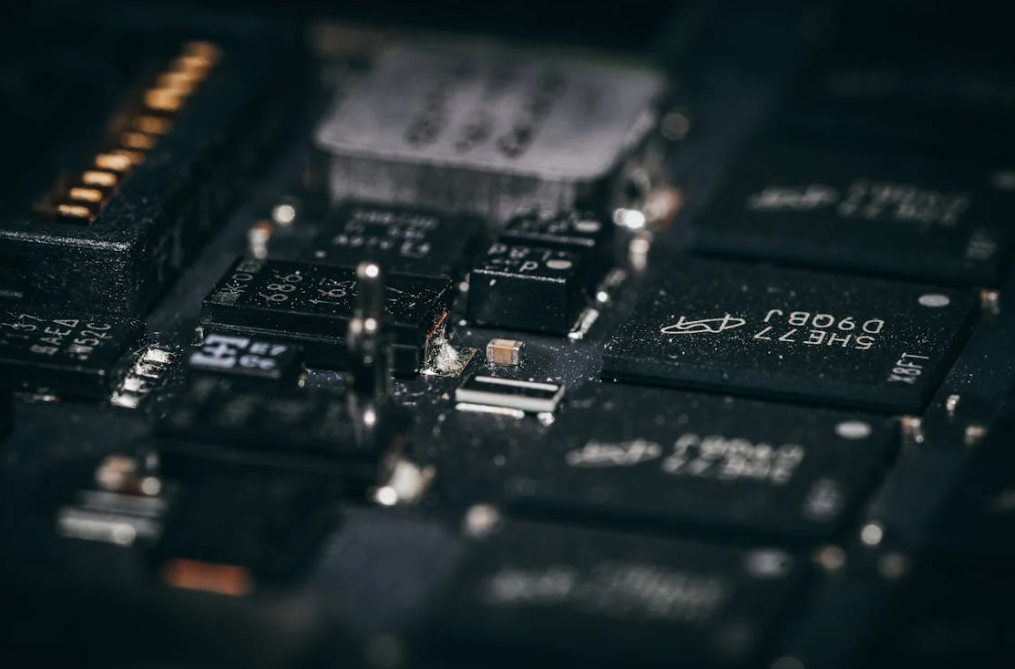
Graphite pads are ultra-thin, carbon-based sheets designed specifically to replace thermal paste in direct-contact cooling (like CPUs and GPUs).
Key Advantages
- Reusable (can be removed and reapplied)
- No drying or aging
- Consistent performance over time
- Clean installation
Unlike traditional pads, graphite pads are thin enough to compete directly with paste in certain scenarios.
Performance Insights
Graphite pads can perform close to mid-range thermal paste, especially under consistent mounting pressure.
Limitations
- Electrically conductive (risk if misaligned)
- Slightly worse than high-end paste under heavy loads
- Requires flat surfaces
Best Use Cases
- Frequent hardware swapping (testing labs, enthusiasts)
- Users who want zero maintenance
Bottom Line
Graphite pads are a premium, reusable alternative—great for convenience, decent for performance.
Liquid Metal: The High-Performance Option
What It Is
Liquid metal TIMs are made from alloys like gallium, indium, and tin. They behave like a liquid and offer extremely high thermal conductivity.
Why It Stands Out
- Thermal conductivity: ~30–80 W/m·K
- Extremely low thermal resistance
- Superior heat transfer compared to traditional paste
The Catch (And It’s a Big One)
- Electrically conductive → risk of short circuits
- Corrodes aluminum heatsinks
- Difficult to apply safely
- Not beginner-friendly
Best Use Cases
- Overclocking
- High-performance computing
- Advanced users only
Bottom Line
Liquid metal is the closest thing to a “superior” replacement, but it comes with serious risks.
Phase Change Materials (PCM): The Hybrid Solution

What They Are
Phase Change Materials behave like solids at room temperature but soften (or partially liquefy) when heated, filling microscopic gaps like thermal paste.
Why They’re Gaining Attention
- Cleaner than paste
- Better conformity than pads
- No manual spreading needed
- Reduced “pump-out” effect over time
Some modern GPUs and laptops already use PCM instead of traditional paste.
Real-World Insight
In enthusiast communities, PCM products (like PTM-type materials) are gaining popularity due to improved long-term stability and performance consistency.
Limitations
- Slightly higher cost
- Less widely available
- Performance varies by formulation
Best Use Cases
- Laptops
- GPUs with uneven dies
- OEM-level applications
Bottom Line
PCM is a next-generation alternative—quietly replacing paste in many modern designs.
Emerging Technologies: Vapor Chambers & Hybrid TIMs
The thermal interface space is evolving fast. One of the most interesting developments is hybrid materials that combine multiple technologies.
Recent innovations include vapor chamber-integrated pads that dramatically increase thermal conductivity—reportedly reaching up to 800–1,200 W/m·K in early prototypes.
These solutions aim to combine:
- Ease of thermal pads
- Performance of vapor chambers
- Reliability of solid-state materials
While still emerging, they signal where the industry is heading.
Comparing All Alternatives at a Glance
| Material Type | Ease of Use | Performance | Risk Level | Reusability | Best For |
| Thermal Paste | Medium | High | Low–Medium | No | CPUs, GPUs |
| Thermal Pads | Very Easy | Medium | Very Low | No | VRAM, VRMs |
| Graphite Pads | Easy | Medium–High | Medium | Yes | Reusable setups |
| Liquid Metal | Hard | Very High | High | No | Enthusiasts |
| PCM | Easy | High | Low | Limited | Modern devices |
| Hybrid/Vapor | Easy | Very High | Low–Medium | TBD | Future designs |
Real-World Perspective (What People Actually Use)
From lab testing to community discussions, a pattern emerges:
- Thermal paste remains the best all-around solution
- Liquid metal dominates high-performance niches
- Pads dominate convenience-focused use cases
- Graphite and PCM are gaining traction
In enthusiast forums, one common sentiment sums it up:
“Best = liquid metal… second graphite… third paste…”
That ranking isn’t perfect—but it reflects real-world trade-offs between performance and practicality.
When Should You Replace Thermal Paste?
Here’s a simple decision framework:
Choose an Alternative If You Want:
- No mess → Thermal pads or graphite
- Maximum performance → Liquid metal
- Long-term stability → PCM
- Ease + safety → Standard thermal pads
Stick With Thermal Paste If You Want:
- Best balance of performance and cost
- Proven reliability across all hardware
- Flexibility across different surfaces
A Practical Tip Most Guides Miss
The performance difference between materials is often smaller than installation quality.
A perfectly applied mid-range paste can outperform:
- Poorly applied liquid metal
- Misaligned graphite pads
- Incorrect pad thickness
In other words: Material matters—but technique matters more.
Conclusion
Yes, there are several viable alternatives to thermal paste—but none are universally better in every scenario.
- Thermal pads are the easiest
- Graphite pads are the cleanest reusable option
- Liquid metal offers unmatched performance (with risks)
- PCM represents the future of thermal interfaces
Thermal paste still holds its ground because it strikes a rare balance between performance, cost, and adaptability. But depending on your needs, switching to an alternative might not just be possible—it might be smarter.
FAQs
Can I use thermal pads instead of thermal paste on a CPU?
Yes, but performance may be slightly worse due to reduced surface conformity.
Is liquid metal better than thermal paste?
Yes, in performance—but it’s risky and not recommended for beginners.
Do graphite pads replace thermal paste completely?
They can, especially for CPUs, but may not match high-end paste performance.
How long do thermal paste alternatives last?
Graphite pads and PCM last longer than paste since they don’t dry out.
What’s the safest alternative to thermal paste?
Thermal pads are the safest due to electrical insulation and ease of use.