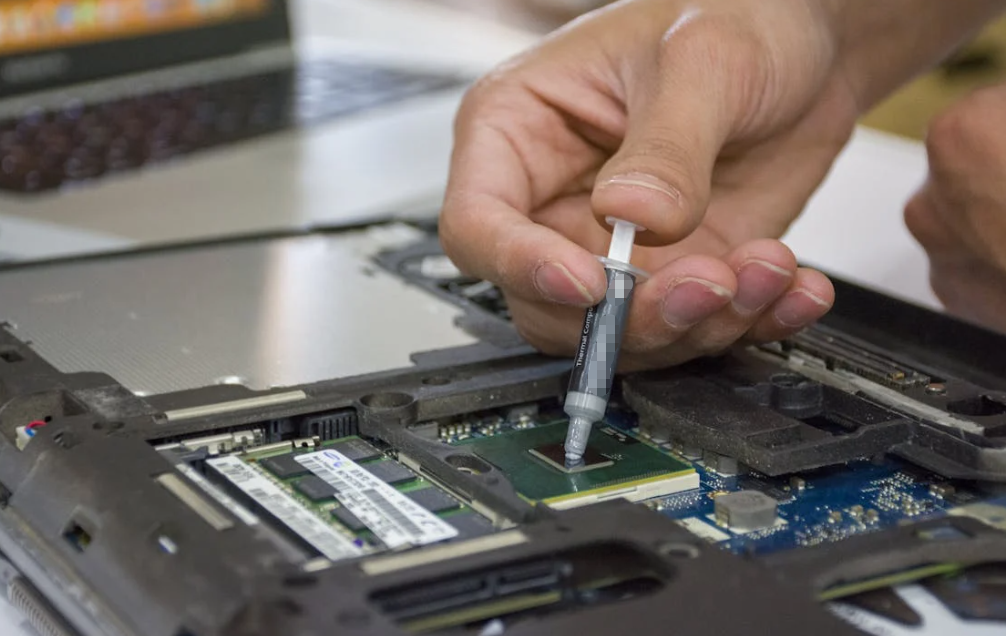
In the world of thermal management, where every degree of temperature rise matters, engineers and designers have long relied on thermal interface materials (TIMs) to bridge the gap between heat-generating components and their cooling devices. For decades, silicone-based solutions have dominated because of their pliability, ease of use, and good thermal performance. But as electronics become denser, more powerful, and more specialized — from 5G infrastructure and automotive electronics to optical sensors and high-precision medical instruments — the limitations of silicone have become hard to ignore.
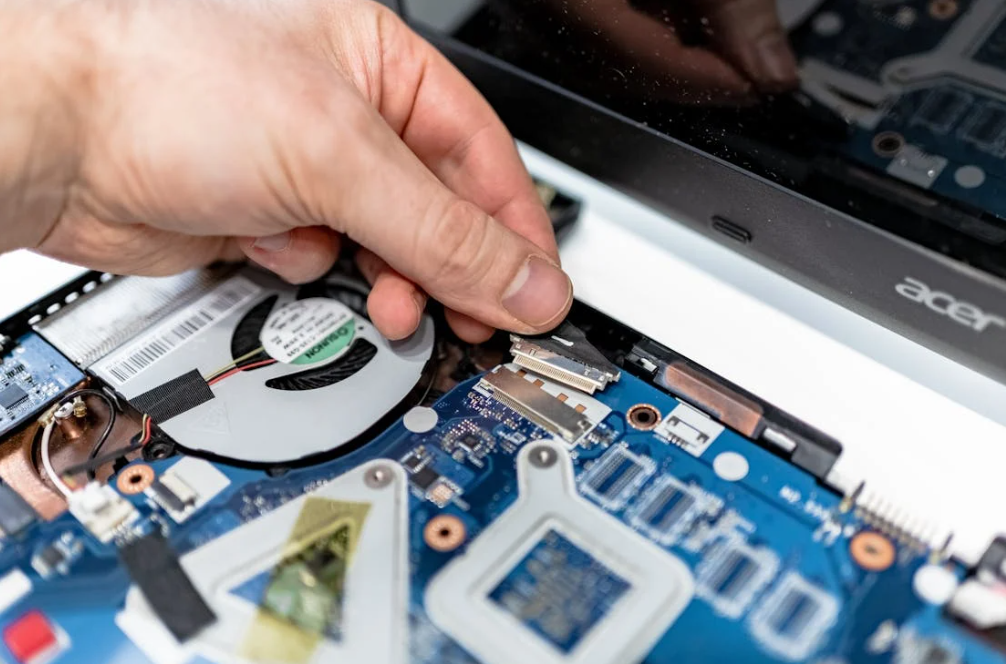
This is where silicone-free thermal solutions step into the spotlight: engineered alternatives that address the shortcomings of traditional silicone TIMs while delivering thermal efficiency, reliability, and contaminant-free performance.
In this deep dive, we explore what silicone-free thermal solutions are, why they matter, how they compare to silicone-based materials, and how to choose the right solution for demanding applications.
Whether you’re an engineer optimizing heat-dissipating pathways in EV power modules, or a product designer ensuring reliability in a rugged industrial controller, understanding silicone-free options is key to future-proof thermal design.
1. What Does “Silicone-Free” Really Mean?
Silicone-free thermal materials are a class of TIMs that eliminate all silicone polymers from their formulation. In place of silicone elastomers or silicone fillers, these materials rely on organics, special resins, metal oxides, ceramics, or engineered polymers to achieve thermal conductivity and mechanical compliance.
Typical silicone TIMs use silicone rubber as a base matrix with conductive particles mixed in. Silicone-free alternatives omit this backbone altogether, resulting in different physical properties, thermal behavior, and long-term stability.
This distinction matters in environments where silicone oil bleed, siloxane out-gassing, or contamination can harm sensitive components, optical surfaces, or precision assemblies.
2. Why the Industry Is Shifting Toward Silicone-Free Solutions

The shift isn’t just a fad — it’s driven by real engineering challenges:
Zero Silicone Contamination
Silicone materials can release small molecules such as siloxanes into their environment. Over time, these molecules may migrate and deposit on sensitive parts like optical lenses, sensors, high-speed PCB contacts or IR windows, degrading performance or causing failure. Silicone-free materials avoid this risk entirely, ensuring cleaner interfaces and longer life.
Greater Long-Term Stability
Silicone-free TIMs often show exceptional long-term thermal stability, maintaining consistent performance even after prolonged thermal cycling or in harsh environmental conditions such as high humidity, elevated temperatures, or rapid temperature swings.
Wider Application Range
From automotive electronics exposed to under-hood heat to industrial power modules and aerospace control systems, silicone-free solutions can be tuned to meet diverse needs — including electrical insulation, mechanical compliance, and extended service life.
Environmental and Regulatory Drivers
Global trends toward sustainability and hazardous materials reduction are shaping TIM demand. Silicone-free materials often align with RoHS, REACH, and halogen-free standards, making them attractive for eco-conscious product lines.
3. Common Types of Silicone-Free Thermal Solutions

Silicone-free materials come in different formats, each suited to particular assembly needs:
Silicone-Free Thermal Greases
Auch bekannt als thermal pastes oder greases, these compound-type TIMs are spread thinly between surfaces to minimize air gaps. Silicone-free greases use non-silicone matrices with thermally conductive fillers.
Advantages:
- Good surface wetting and contact
- Low thermal resistance at thin bond lines
- Reworkable — surfaces can be separated and remated
- Reliable in applications requiring electrical insulation
Typical applications: CPUs, GPUs, power semiconductors, LED modules, and industrial controllers.
Silicone-Free Thermal Gels
Liquid or soft gel TIMs that do not cure after application, offering excellent conformability over rough or uneven surfaces. These gels displace air gaps and provide consistent thermal paths without hardening.
Key benefits:
- Conform well into micro-irregularities
- Do not cure, making them convenient for field installations
- Suitable for components exposed to vibration or cycling
Gels are used in telecommunications equipment, high-performance computing, and EV battery packs.
Silicone-Free Thermal Pads and Sheets
Vorgefertigt pads or sheets made from silicone-free thermally conductive materials can be placed between heat sources and sinks.
What makes them attractive:
- Easy to handle and install — no mess or dispensing equipment needed
- Available in a range of thicknesses (e.g., 0.5 mm to 5 mm+)
- Ideal for large surface contacts or repeatable assembly processes
Common uses include heat-spreader interfaces, SSD cooling, LED arrays, and industrial power blocks.
4. Performance Considerations: Silicone-Free vs Silicone TIMs

When comparing silicone-free materials with traditional silicone TIMs, several performance criteria help guide the selection.
Wärmeleitfähigkeit
Both silicone-free and silicone solutions can achieve reasonably high thermal conductivities, but the upper limits vary by formulation:
- Silicone-free TIMs: Typically range from ~1.3 to 8+ W/m·K depending on fillers and format.
- Silicone TIMs: Often range higher in standard products — 6–15 W/m·K — because of the optimized silicone elastomer matrix and particle loading.
Jedoch, application relevance outweighs raw numbers. Some silicone-free formulations optimized with high conductivity fillers or graphene composites can approach or exceed traditional silicone performance in practical assemblies.
Electrical Characteristics
Silicone TIMs are often sought for their excellent dielectric strength and insulation. In contrast, silicone-free materials may require additional design attention to achieve similar dielectric performance when electrical isolation is needed.
Selecting electrically insulating fillers and base polymers ensures that silicone-free TIMs remain safe in high-voltage environments.
Mechanical Behavior
Silicone materials typically exhibit excellent elasticity and compressibility, making them easier to conform to uneven surfaces with minimal assembly pressure.
Silicone-free alternatives vary in mechanical properties — some gels match silicone’s compliance, while certain pad materials are firmer. It’s important to consider mechanical stress, working gap thickness, and assembly tolerances when specifying a solution.
5. Design and Engineering Best Practices
To maximize the performance and reliability of silicone-free thermal solutions, engineers should consider these best practices:
Gap Thickness Matters
Thermal resistance is proportional to the thickness of the interface material. Choosing the thinnest effective TIM with high conductivity minimizes resistance while ensuring full surface contact. Pads are convenient but may not perform as well as greases or gels where micro-gap filling is critical.
Vorbereitung der Oberfläche
Proper surface cleaning and flatness are essential. Even the best TIM cannot compensate for major surface irregularities. In some designs, minor machining or surface enhancement improves contact and reduces boundary resistance.
Environmental Testing
Expose prototype assemblies to representative thermal cycling and humidity conditions. Silicone-free materials may behave differently under stress than silicone-based TIMs, so validating long-term performance before full production is crucial.
Electrical Isolation Requirements
When thermal and electrical isolation must coexist, selecting silicone-free materials engineered with the right dielectric properties is non-negotiable. Manufacturers can provide dielectric strength data for comparison.
6. Where Silicone-Free Solutions Make the Most Sense
Not every application needs a silicone-free TIM — but in the right contexts, they shine:
Electronics with Sensitive Optics or Sensors
Any system with optical lenses, IR windows, or sensor surfaces benefits from silicone-free materials. When silicone outgassing or oil migration can compromise signal quality, silicone-free eliminates the source of contamination.
Cleanroom and Medical Equipment
Medical diagnostics and cleanroom controllers demand materials that won’t release volatile compounds or interfere with precision measurements. Silicone-free thermal solutions are often mandated in these environments.
Automotive and High-Vibration Systems
Systems exposed to stress, vibration, and thermal cycling — like power converters in EVs, motor controllers, or automotive LED lighting — benefit from the dimensional and property stability of silicone-free TIMs.
Industrial Power and Telecom Infrastructure
Telecom base stations, industrial inverters, and power conversion hardware can generate substantial heat. Silicone-free materials help ensure consistent performance over the long term without risking contamination or premature degradation.
7. Choosing the Right Silicone-Free Solution

Selecting the ideal silicone-free thermal product requires balancing performance, process, and cost:
Define Thermal Requirements
Calculate heat flux, device power dissipation, and cooling path constraints. Look for thermal conductivity and thermal resistance specifications that meet your design margins.
Evaluate Mechanical Constraints
Are surfaces flat or uneven? Will assembly pressure be high or low? Silicone-free gels and greases can fill minor gaps, while pads excel in predictable gap thicknesses.
Check Compliance
Ensure materials meet industry standards for safety, environmental regulations (RoHS, REACH), and electrical insulation requirements.
Prototype Early
Testing silicone-free solutions early in development helps catch integration challenges before scale production.
8.The Future of Silicone-Free Thermal Materials
Innovation in thermal interface materials never stands still. Research into nano-engineered fillers, carbon-based composites, and hybrid polymers continues to push thermal performance higher while keeping mechanical and environmental properties in check.
Carbon-enhanced TIMs, graphene-based pads, and materials with tailored anisotropic heat paths are emerging — offering new options for applications where every watt of heat must be efficiently managed.
And as sustainability and contamination control become central engineering values, silicone-free TIMs are likely to move from niche to mainstream in many high-end electronics markets.
9.Conclusion
Silicone-freethermal solutions are more than just an alternative — they are a strategic choice for modern thermal design challenges. By eliminating silicone, manufacturers can offer materials that:
- Avoid contamination and outgassing
- Deliver stable performance over time
- Meet demanding environmental and regulatory expectations
- Adapt to specialized applications from optics to EV electronics
While silicone TIMs still retain value in many common cooling scenarios, silicone-free alternatives are carving out their own essential role in high-precision, high-reliability industries. As thermal demands grow and device complexity increases, engineers who understand the strengths and limitations of silicone-free solutions will be best positioned to deliver robust, long-life designs.
10. FAQs
What is a silicone-free thermal solution?
It’s a thermal interface material engineered without silicone polymers, minimizing contamination risk while providing effective heat transfer.
Where are silicone-free TIMs most useful?
They’re especially valuable in optics, sensors, medical equipment, and environments where silicone outgassing could damage components.
Do silicone-free TIMs conduct heat as well as silicone ones?
Many silicone-free TIMs achieve competitive thermal conductivity, though performance varies by material type and application.
Can silicone-free pads replace thermal grease?
Yes, in many cases; pads are easier to apply, though grease may be better for filling microscopic gaps.
Are silicone-free materials environmentally compliant?
Most silicone-free TIMs align with RoHS, REACH, and halogen-free standards, making them suitable for regulated markets.