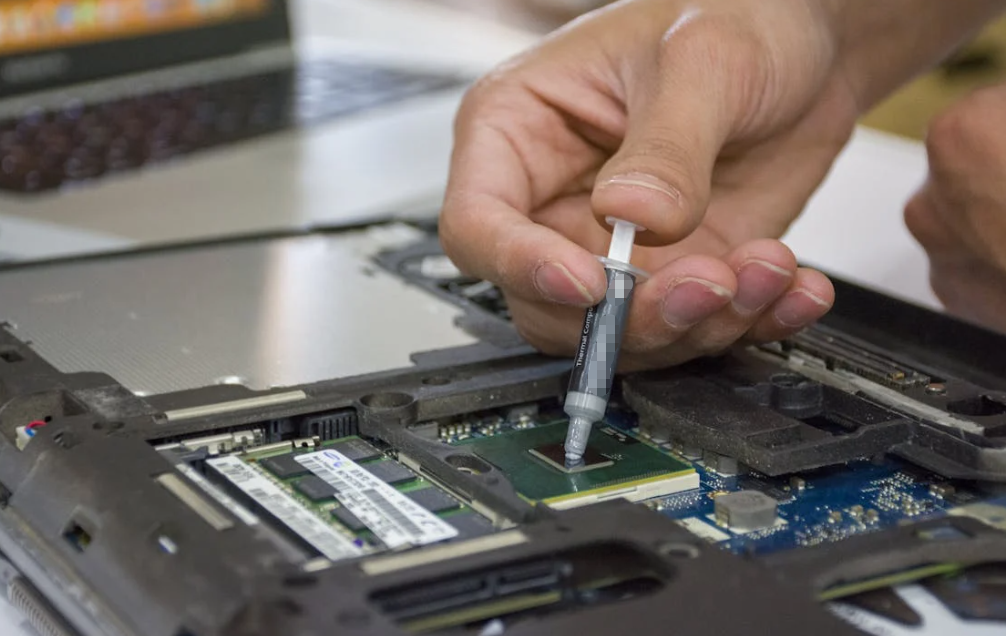
Wärmeleitpaste wird in der Elektronik oft als einfaches Hilfsmaterial behandelt – als etwas, das “nur die Lücke” zwischen einer CPU und einem Kühlkörper füllt. Doch in Vakuum- oder Niederdruckumgebungen wird diese scheinbar einfache Verbindung zu einem weitaus komplexeren Werkstoff.
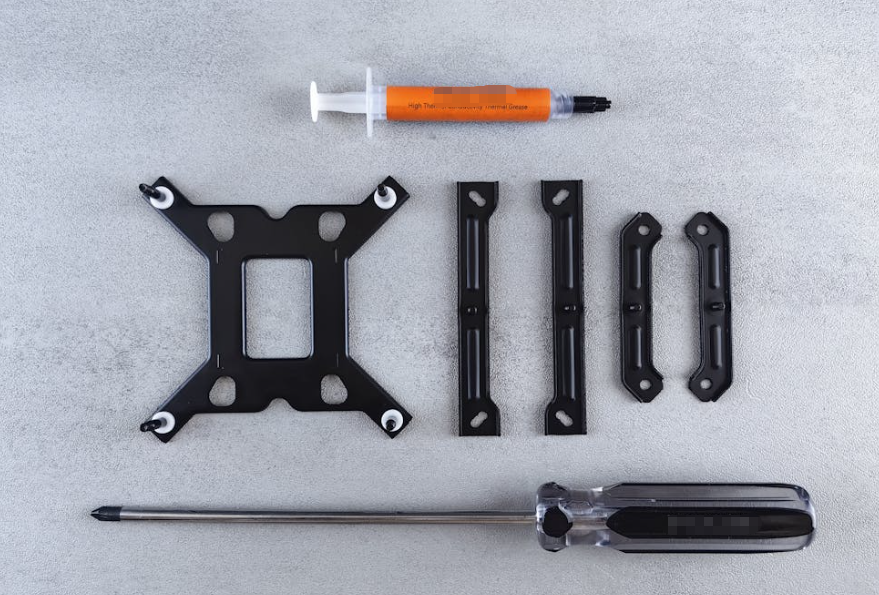
In Wirklichkeit ist Wärmeleitpaste nicht nur ein Wärmeleiter. Sie ist ein chemisch formuliertes Komposit, das normalerweise auf Silikonöl, synthetischen Basisflüssigkeiten und wärmeleitfähigen Füllstoffen basiert. Und unter Vakuum-Bedingungen können sich diese Basiskomponenten auf eine Weise verhalten, die sich direkt auf die Zuverlässigkeit des Systems auswirkt.
Hier setzt das Konzept von Verflüchtigung und Ausgasung wird kritisch.
Was passiert mit Wärmeleitpaste im Vakuum?
In einer normalen Atmosphäre, Wärmeleitpaste bleibt stabil, da der umliegende Luftdruck die Verdampfung unterdrückt. Sobald der Druck jedoch abfällt – wie in der Luft- und Raumfahrt, bei Satelliten, in Vakuumkammern oder hochentwickelten optischen Systemen –, verändert sich die Physik.
Unter Vakuum beginnen niedermolekulare Verbindungen im Fett zu entweichen. Dieses Phänomen wird als bezeichnet Ausgasung, und es handelt sich im Wesentlichen um eine langsame Freisetzung flüchtiger Moleküle aus dem Material in die Umwelt.
Wissenschaftliche Studien und Industriereferenzen zeigen übereinstimmend, dass:
- Vakuumumgebungen beschleunigen die Verdampfung flüchtiger Komponenten
- Auf Silikon basierende Materialien enthalten oft Spuren niedermolekularer Siloxane
- Diese Moleküle wandern und verdampfen unter Niederdruckbedingungen leichter.
- Das Ergebnis ist Kontamination und langfristiger Leistungsabfall
Einfacher ausgedrückt: Wärmeleitpaste “kocht” zwar nicht wie Wasser, aber sie gibt langsam interne Verbindungen in den Vakuumraum ab.
Ausgasung vs. Verflüchtigung: Was ist der Unterschied?
Diese beiden Begriffe werden oft verwechselt, sind aber in der Vakuumtechnik klar voneinander unterschieden:
- Verflüchtigungder physikalische Übergang von Molekülen in die Gasphase (Verdampfungsähnliches Verhalten)
- Ausgasungder umfassendere Prozess, bei dem eingeschlossene oder eingebettete Moleküle im Laufe der Zeit aus einem Material freigesetzt werden
Bei Wärmeleitpaste treten beide gleichzeitig auf.
Vakuumfett und Wärmeleitmaterialien werden speziell bewertet basierend auf ihrer Dampfdruck, was bestimmt, wie leicht sie Moleküle abgeben. Wenn der Dampfdruck zu hoch ist, wird das Material im Wesentlichen zu einer Kontaminationsquelle in der Vakuumkammer.
Warum silikonbasierte Wärmeleitpaste besonders empfindlich ist
Die meisten herkömmlichen Wärmeleitpasten verwenden Silikonöl als Basisflüssigkeit weil es bietet:
- Gute thermische Stabilität
- Großer Betriebstemperaturbereich
- Nichtleitfähigkeit
- Geringe Kosten und einfache Verarbeitung
Die Siliziumchemie hat jedoch eine bekannte Schwachstelle in Vakuum-Systemen: das Vorhandensein von niedermolekulare Siloxane.
Diese kleinen Moleküle können:
- Unter Hitze und Vakuum eindampfen
- Kondensation auf optischen Oberflächen (Bildung von Schleier oder Film)
- Elektrische Kontakte kontaminieren
- Wartungszyklen in geschlossenen Systemen verlängern
Aus diesem Grund werden Materialien in Luft- und Raumfahrtqualität häufig einer Vakuumdestillation, einer Nachhärtung oder einer speziellen Rezepturkontrolle unterzogen, um flüchtige Anteile zu reduzieren.
Warum ein Vakuum alles nur noch schlimmer macht
Unter atmosphärischen Bedingungen wird selbst dann, wenn eine kleine Menge Fett verdampft, dieses schnell durch die Luft verdünnt.
Unter Vakuum-Bedingungen gibt es einen solchen Puffer nicht.
Anstatt:
- Aus Fett freigesetzte Moleküle bewegen sich frei
- Sie wandern zu kälteren Oberflächen.
- Sie kondensieren auf empfindlichen Bauteilen
- Sie häufen sich mit der Zeit an.
Dies erzeugt das, was Ingenieure oft als “Verunreinigungskreislauf” in geschlossenen Systemen.
Ein gut dokumentiertes Problem in der Vakuumtechnik ist, dass eine einmal begonnene Kontamination sich schrittweise verschlimmern kann:
- Optische Klarheit (Linsen, Sensoren, Kameras)
- Elektrische Zuverlässigkeit (Übergangswiderstandserhöhung)
- Thermische Leistung (Oberflächenfilm verringert die Wärmeübertragungseffizienz)
Wärmeleitpaste im Vergleich zu gasungsarmen Materialien
Nicht alle Wärmeleitpasten verhalten sich in Vakuumumgebungen gleich.
Mittlerweile gibt es spezielle Hochleistungskorrosionsschutzmittel für die Luft- und Raumfahrt, die Halbleiterindustrie und die Feinoptikindustrie.
Diese Materialien zielen ab auf:
- Extrem geringer Gesamtmasseverlust (TML)
- Minimal gesammelte flüchtige kondensierbare Materialien
- Reduzierter Siloxangehalt
- Silikon- oder Nicht-Silikon-Grundlagen mit hoher Vernetzungsdichte
Einige technologisch optimierte TIMs ersetzen Silikonöle sogar vollständig. Silikonfreie Wärmeleitpasten sind beispielsweise so konzipiert, dass sie das Risiko einer Silikonverflüchtigung eliminieren und gleichzeitig die Leitfähigkeit aufrechterhalten.
Dieser Wandel ist bedeutsam, da er das zugrundeliegende Problem direkt angeht: molekulare Mobilität unter Vakuum.
Verdampft Wärmeleitpaste vollständig?
Ein weit verbreiteter Irrglaube ist, dass Wärmeleitpaste im Vakuum verschwindet.
Das tut es nicht – zumindest nicht in einem kurzen Zeitraum.
Stattdessen verhält es sich graduell:
- Leichte, flüchtige Verbindungen entweichen zuerst
- Die Migration von Grundöl findet im Laufe der Zeit statt.
- Verdickungsmittel und Füllstoff bleiben relativ stabil
- Die Leistung verschlechtert sich langsam, anstatt sofort auszufallen.
Die richtige Interpretation lautet also:
Wärmeleitpaste verdampft im Vakuum nicht vollständig, verliert aber kontinuierlich flüchtige Bestandteile, die die Sauberkeit und Zuverlässigkeit des Systems beeinträchtigen können.
Technische Auswirkungen in realen Anwendungen
Die praktische Auswirkung hängt stark von der Anwendung ab.
Unterhaltungselektronik
Vakuum ist kein Problem. Die Ausgasung ist bei normalem Gebrauch zu vernachlässigen.
Industrieelektronik
Mäßige Bedenken in geschlossenen Gehäusen oder beim Betrieb bei hohen Temperaturen.
Luft- und Raumfahrtsysteme
Kritischer Punkt. Die Kontrolle der Ausgasung wird zu einer Designanforderung, nicht zu einer Option.
Tatsächlich existieren NASA- und luft- und raumfahrttaugliche Spezifikationen speziell dafür, Materialien auf ihre Vakuumeffekttüchtigkeit zu qualifizieren und sicherzustellen, dass sie strenge Ausgasungsschwellenwerte einhalten.
Warum die Materialauswahl wichtiger ist als die Dicke
Ein weit verbreiteter Irrglaube im thermischen Design ist, dass die Leistung nur von der Dicke oder der Leitfähigkeit abhängt.
In Vakuumumgebungen, Die chemische Stabilität ist genauso wichtig – wenn nicht sogar wichtiger – als Wärmeleitfähigkeit.
Selbst ein hochleitfähiges Fett kann problematisch werden, wenn es:
- Setzt flüchtige Öle frei
- Kondenswasser auf optischen Sensoren
- Ändert die Unterdruckstabilität
- Bildet im Laufe der Zeit isolierende Filme
Aus diesem Grund werden emissionsarme TIMs oft bevorzugt, selbst wenn ihre Wärmeleitfähigkeit etwas geringer ist.
HakTak-Perspektive: Engineering für stabile thermische Schnittstellen
Bei HakTak, Thermische Grenzflächenmaterialien werden im Hinblick auf sowohl thermische Leistung als auch Umweltbeständigkeit entwickelt. Bei vakuumspezifischen Anwendungen ist die Rezepturkontrolle nicht optional – sie definiert die Systemzuverlässigkeit.
Wichtige Designaspekte sind:
- Reduzierung niedermolekularer Silikonfraktionen
- Auswahl thermisch stabiler Füllstoffsilyseme
- Verbesserung vernetzter Polymernetzwerke
- Kontrolle von flüchtigen Rückständen auf Chargenebene
Diese Anpassungen mögen subtil erscheinen, aber sie bestimmen, ob ein Material in normaler Elektronik zuverlässig funktioniert oder unter Vakuumbedingungen in Luft- und Raumfahrtqualität überlebt.
Kurzes Fazit
Wärmeleitpaste verflüchtigt sich im Vakuum nicht sofort, aber sie tut es ausgasen, wodurch im Laufe der Zeit flüchtige Bestandteile freigesetzt werden. Dieser Prozess kann in empfindlichen Systemen zu Kontaminationen, einer verringerten thermischen Leistung und Zuverlässigkeitsrisiken führen. In Umgebungen mit niedrigem Druck wird die Materialzusammensetzung ebenso wichtig wie die Wärmeleitfähigkeit, weshalb gasungsarme oder vakuumkompatible TIMs für die langfristige Stabilität unerlässlich sind.
Häufig gestellte Fragen
Verdampft Wärmeleitpaste im Vakuum vollständig?
Nein. Es setzt allmählich flüchtige Verbindungen frei, verschwindet aber nicht schnell vollständig.
Warum ist Ausgasen ein Problem?
Weil freigesetzte Moleküle Optiken, Elektronik und Vakuumsysteme kontaminieren können.
Ist Silizium-Wärmeleitpaste im Vakuum sicher?
Nur speziell formulierte Sorten mit geringer Ausgasung sind geeignet.
Was ist die Hauptursache für Ausgasung?
Niedermolekulare Öle und Additive im Schmierfett.
Wie kann die Ausgasung reduziert werden?
Durch die Verwendung ausgasungsarmer Materialien, Nachhärtung und vakuumkompatibler Rezepturen.