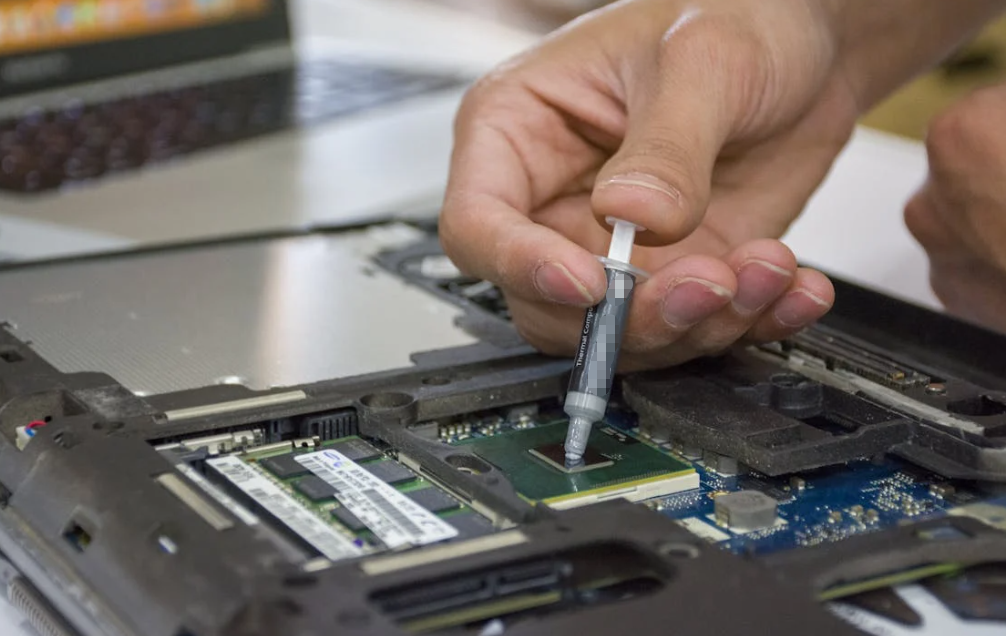
Buying thermal grease sounds simple—until you open a datasheet.
Suddenly you are staring at numbers like 8 W/m·K, 350,000 cP, -50°C to 200°C, thermal resistance 0.03°C-in²/W, and terms such as bleed, pump-out, dielectric strength, or non-silicone formula. Many buyers focus on one figure only: thermal conductivity. That is usually a mistake.
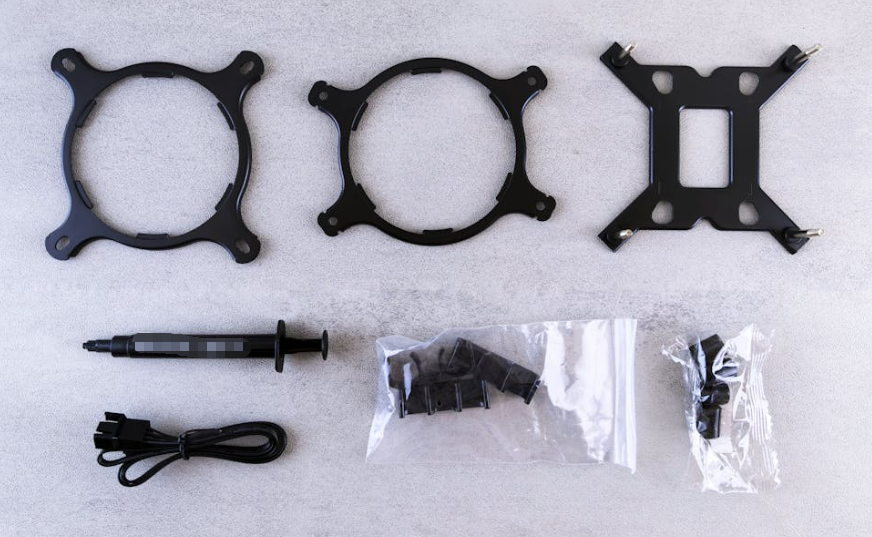
A good thermal grease is not the one with the biggest number on the label. It is the one that matches your device, operating temperature, assembly method, pressure, reliability target, and budget.
Whether you are sourcing TIM for CPUs, LED modules, IGBT power devices, telecom boards, automotive electronics, or industrial controllers, understanding the real parameters matters more than marketing claims.
This guide explains the most important thermal grease specs in plain English so you know what to check before you buy.
What Is Thermal Grease and Why Parameters Matter
Thermal grease, also called thermal paste or thermal compound, is a thermal interface material (TIM) placed between a heat source and a heatsink. Its job is to fill microscopic air gaps between two surfaces. Since air is a poor heat conductor, replacing those gaps with grease improves heat transfer.
Even precision-machined metal surfaces are not perfectly flat. Under magnification, they contain peaks and valleys. Thermal grease bridges those imperfections and lowers interface resistance.
But not all greases perform the same way.
Some are optimized for:
- high thermal conductivity
- easy dispensing
- long service life
- electrical insulation
- vibration resistance
- low oil separation
- non-silicone environments
- automated production lines
That is why parameters matter.
Thermal Conductivity (W/m·K)
This is the most advertised number.
Thermal conductivity measures how well a material transfers heat internally. It is expressed in watts per meter-kelvin (W/m·K).
Typical ranges for thermal grease:
- Entry level: 1–3 W/m·K
- Mid range: 3–8 W/m·K
- High performance: 8–12 W/m·K
- Specialty premium formulas: 12+ W/m·K
What buyers often misunderstand
A higher conductivity value does not automatically mean lower operating temperature.
Real performance also depends on:
- bond line thickness
- mounting pressure
- surface flatness
- filler particle distribution
- contact resistance
- curing or drying behavior
A 6 W/m·K grease applied correctly can outperform a poorly applied 12 W/m·K product.
Buying advice
Use conductivity as one filter—not the only filter.
Thermal Resistance
Many engineers consider this more useful than conductivity.
Thermal resistance describes how much the interface resists heat flow. Lower is better. It is often listed in units like:
- °C/W
- °C-in²/W
- mm²·K/W
Some suppliers publish both conductivity and resistance because conductivity alone does not capture contact effects under pressure.
Why it matters
If your application uses a thin grease layer with high clamping force, thermal resistance may predict real-world results better than bulk conductivity.
Buying advice
For CPUs, GPUs, power modules, and compact electronics, prioritize low thermal resistance.
Viscosity (Flowability)
Viscosity describes how thick or fluid the grease is.
High viscosity grease:
- stays in place better
- resists pump-out
- useful for vertical or vibrating assemblies
- harder to dispense or spread
Low viscosity grease:
- easier to print or dispense
- wets surfaces quickly
- can migrate or separate if poorly formulated
Intel notes grease can be messy and difficult to apply because of high viscosity in some formulations.
Buying advice
For automated dispensing lines, viscosity consistency matters as much as the nominal number.
Operating Temperature Range
Check the rated service temperature, for example:
- -40°C to 150°C
- -50°C to 180°C
- -60°C to 200°C
If the grease will see repeated heat cycles, this parameter becomes critical.
Applications needing high-temperature stability
- LED drivers
- EV electronics
- inverters
- IGBT modules
- outdoor telecom equipment
- industrial power supplies
Buying advice
Do not choose a desktop CPU paste for a 150°C industrial application.
Pump-Out Resistance
Pump-out is when grease gradually moves away from the interface during repeated heating and cooling cycles.
This can happen because materials expand and contract, squeezing grease outward over time. Intel specifically notes pump-out can degrade performance.
Why it matters
Pump-out leads to:
- rising temperatures
- unstable thermal performance
- maintenance calls
- shorter product life
Buying advice
For laptops, automotive modules, and cycling electronics, ask for pump-out test data.
Oil Separation / Bleed
Some greases release carrier oil over time.
Excessive bleed can contaminate nearby parts, optics, plastics, connectors, or sensors.
Important industries
- cameras
- optical modules
- medical devices
- consumer electronics
- sealed enclosures
Buying advice
If contamination risk exists, ask for:
- low bleed formula
- low volatility formula
- silicone-free options if required
Electrical Conductivity / Insulation
Many thermal greases are electrically insulating, but not all.
Metal-filled compounds may conduct electricity or create short-circuit risk if spilled onto traces or pins.
Buying advice
For PCB assemblies, memory modules, power boards, and exposed contacts, choose electrically non-conductive grease unless your engineering team specifically needs conductive materials.
Density
Density is mass per volume, often shown as g/cm³.
It may seem minor, but it affects:
- packaging yield
- weight-sensitive assemblies
- dispensing calibration
- material consumption estimates
High filler loading often increases density.
Buying advice
For high-volume manufacturing, density helps estimate total cost per unit.
Shelf Life and Storage Conditions
This is frequently ignored until material expires in the warehouse.
Typical shelf life:
- 6 months
- 12 months
- 24 months
Storage may require:
- cool dry place
- sealed packaging
- temperature-controlled storage
Buying advice
If you purchase in bulk, shelf life matters almost as much as price.
Cheap grease that expires before use is expensive grease.
Compatibility With Materials
Always check compatibility with:
- aluminum
- copper
- nickel plating
- plastics
- elastomers
- silicone parts
- ceramic substrates
Poorly formulated compounds can corrode surfaces or damage sensitive materials. Recent reporting on problematic paste formulations highlighted corrosion concerns in some low-cost products.
Buying advice
Ask for compatibility reports, especially in long-life industrial products.
Which Specs Matter Most by Application?
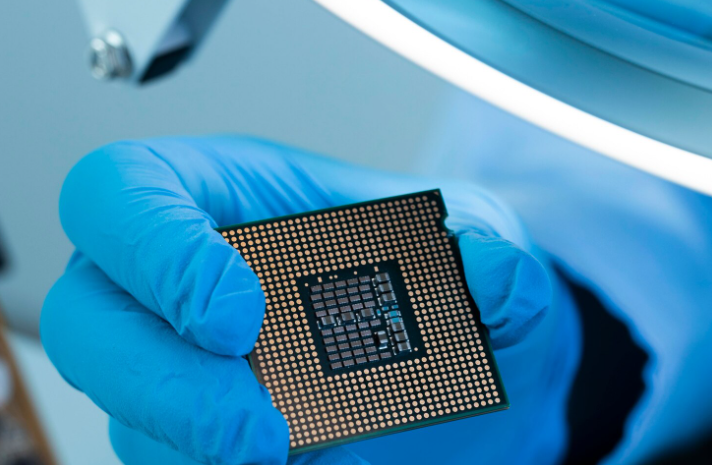
CPU / GPU Cooling
Prioritize:
- low thermal resistance
- easy spreadability
- long-term stability
- non-conductive if user-applied
LED Modules
Prioritize:
- temperature stability
- low bleed
- aging resistance
IGBT / MOSFET Power Modules
Prioritize:
- thin bond line performance
- pump-out resistance
- thermal cycling durability
Automated Manufacturing
Prioritize:
- stable viscosity
- syringe/cartridge consistency
- repeatable dispensing
Optical Electronics
Prioritize:
- non-silicone
- low volatility
- low contamination risk
Red Flags When Reading Datasheets
Be cautious if a supplier only advertises one giant number.
Examples:
- “15 W/m·K” but no test method
- no viscosity range
- no operating temperature
- no shelf life
- no thermal resistance data
- no reliability testing info
A serious supplier should provide structured technical data.
How to Compare Two Thermal Greases Properly
Instead of comparing only conductivity, compare this checklist:
| Parameter | Product A | Product B |
| Thermal Conductivity | 8 W/m·K | 12 W/m·K |
| Thermal Resistance | ? | ? |
| Viscosity | Medium | Very High |
| Operating Temp | 180°C | 120°C |
| Pump-Out Resistance | Good | Unknown |
| Electrical Safety | Insulating | Slightly Conductive |
| Shelf Life | 24 Months | 12 Months |
Sometimes Product A is the better engineering choice.
Why Many Buyers Overpay
Common mistake: buying the “highest W/m·K” grease for every project.
In reality:
- Office PC? Mid-range paste is enough.
- Mass production electronics? Dispensing consistency matters more.
- Outdoor inverter? Aging resistance matters more.
- Compact gaming laptop? Pump-out resistance matters more.
Match the spec to the mission.
Why HakTak Focuses on Real Parameters
At HakTak, thermal grease development focuses on usable performance rather than inflated marketing numbers. That means balancing:
- conductivity
- application behavior
- reliability
- insulation safety
- manufacturing efficiency
- long-term thermal stability
Because in real products, one number never tells the whole story.
Conclusion
Thermal grease selection should never be based on thermal conductivity alone.
Before buying, check the full picture: thermal resistance, viscosity, operating temperature, pump-out resistance, oil bleed, electrical insulation, compatibility, and shelf life.
The best thermal grease is not the most hyped product. It is the material that stays stable, transfers heat efficiently, and fits your production process for years—not just on day one.
FAQs
Is higher W/m·K always better?
No. Application quality, thickness, and contact resistance also matter.
What viscosity is best?
It depends on your process. Manual use and automated dispensing need different ranges.
Is thermal grease electrically conductive?
Some are, many are not. Always check the datasheet.
How long does thermal grease last?
Shelf life is commonly 12–24 months unopened, depending on formula.
What is more important: conductivity or resistance?
For many real interfaces, thermal resistance can be more practical than conductivity alone.