
Trong nền công nghiệp hiện đại, nhiệt không còn là vấn đề phụ. Đây là một trong những yếu tố chính quyết định việc thiết bị vận hành hiệu quả, hỏng hóc sớm hay có thể chống chịu được trong các điều kiện làm việc khắc nghiệt hay không. Khi mật độ công suất tiếp tục tăng lên trong các thiết bị điện tử, hệ thống tự động hóa, thiết bị năng lượng tái tạo, xe điện, phần cứng viễn thông và máy móc công nghiệp, các vật liệu quản lý nhiệt đã trở thành các thành phần kỹ thuật thiết yếu chứ không đơn thuần là phụ kiện.

Trong số các vật liệu này, độ dẫn điện cao keo tản nhiệt đóng một vai trò cực kỳ quan trọng. Nó nằm lặng lẽ giữa các thiết bị sinh nhiệt và bộ tản nhiệt, nhưng ảnh hưởng của nó đối với độ ổn định nhiệt, độ tin cậy và tuổi thọ hoạt động là vô cùng lớn. Một [sản phẩm] được lựa chọn kém vật liệu dẫn nhiệt giao diện có thể làm tăng đáng kể nhiệt độ của các linh kiện, làm giảm hiệu suất năng lượng và rút ngắn tuổi thọ. Mặt khác, mỡ tản nhiệt chất lượng cao có thể ổn định nhiệt độ vận hành, cải thiện khả năng truyền nhiệt và giúp các hệ thống công nghiệp hoạt động ổn định trong suốt các chu kỳ sản xuất dài.
Đối với các nhà sản xuất hoạt động trong lĩnh vực điện tử công nghiệp, mô-đun công suất, hệ thống LED, công nghệ biến tần, robot hoặc điện tử ô tô, việc lựa chọn loại mỡ tản nhiệt phù hợp nay là một quyết định kỹ thuật có tác động kinh doanh có thể đo lường được.
Các nhà sản xuất quản lý nhiệt của Trung Quốc như HakTak ngày càng cung cấp các vật liệu tản nhiệt tiên tiến cho các nhà sản xuất thiết bị gốc (OEM) toàn cầu và các nhà tích hợp công nghiệp – những đơn vị đòi hỏi các giải pháp có độ dẫn nhiệt cao và đáng tin cậy cho các môi trường khắt khe.
Tại sao Quản lý nhiệt lại quan trọng hơn bao giờ hết
Thiết bị công nghiệp hiện nay hoạt động ở mức công suất cao hơn đáng kể so với các hệ thống được chế tạo từ một thập kỷ trước. Các linh kiện nhỏ hơn, tần số chuyển mạch nhanh hơn và tải nhiệt tập trung nhiều hơn.
Điều này tạo ra một thách thức khó khăn: loại bỏ nhiệt hiệu quả khỏi các không gian hạn chế.
Nhiệt độ quá cao có thể dẫn đến:
- Sự suy giảm chất bán dẫn
- Độ cong vênh PCB
- Giảm hiệu suất xử lý
- Điều tiết nhiệt
- Mỏi mối hàn
- Thời gian ngừng hoạt động của thiết bị
- Hệ thống hỏng sớm
Trong các lĩnh vực như năng lượng tái tạo, di chuyển điện hóa, tự động hóa nhà máy và cơ sở hạ tầng dữ liệu, ngay cả một sự gia tăng nhỏ về nhiệt độ vận hành cũng có thể làm giảm độ tin cậy lâu dài.
Các nghiên cứu và quan sát trong ngành cho thấy liên tục rằng hiệu suất dẫn nhiệt ảnh hưởng trực tiếp đến độ bền của thiết bị điện tử và hiệu quả của hệ thống. Do đó, các vật liệu tản nhiệt hiện đại được thiết kế để giảm điện trở tiếp xúc và cải thiện khả năng truyền nhiệt giữa các bề mặt tiếp xúc.
Vấn đề trở nên quan trọng hơn nữa trong các môi trường công nghiệp, nơi các hệ thống có thể hoạt động liên tục hàng nghìn giờ dưới tác động của rung động, bụi bẩn, độ ẩm hoặc nhiệt độ môi trường tăng cao.
Keo tản nhiệt độ dẫn điện cao là gì?

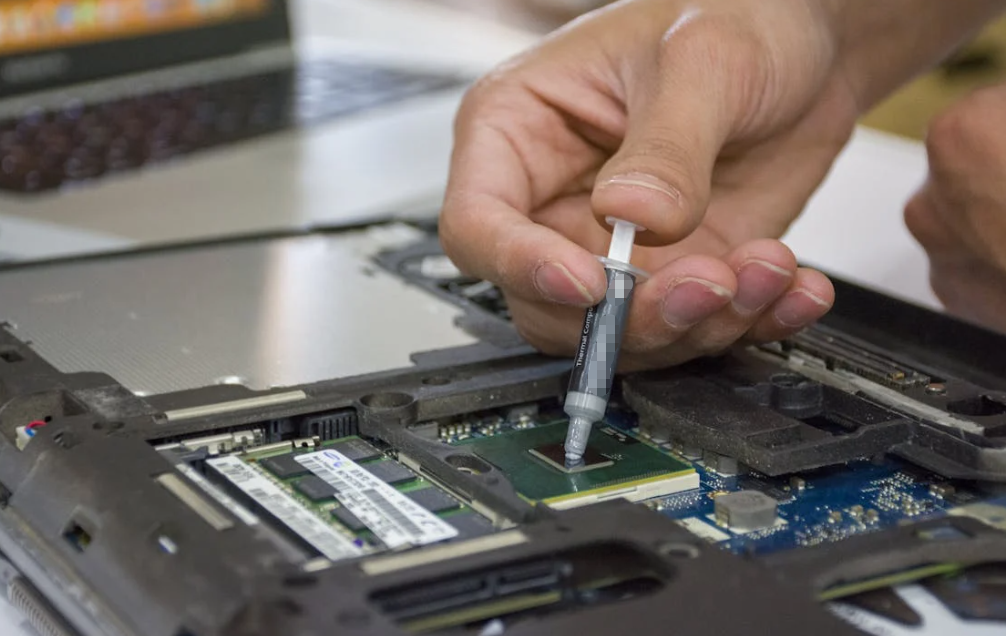
Keo tản nhiệt, đôi khi được gọi là keo tản nhiệt hoặc keo tản nhiệt, là vật liệu dẫn nhiệt được thiết kế để lấp đầy các khoảng trống không khí vi mô giữa hai bề mặt.
Ngay cả các bề mặt kim loại được đánh bóng cũng chứa các khiếm khuyết viroskop. Khi một bộ tản nhiệt được lắp lên bộ vi xử lý, bóng bán dẫn công suất hoặc mô-đun công nghiệp, các túi khí nhỏ bị kẹt vẫn còn lại giữa các bề mặt. Vì không khí dẫn nhiệt kém, các khoảng trống này tạo ra điện trở nhiệt.
Keo tản nhiệt loại bỏ các khoảng trống này.
Vật liệu lan tràn vào các khe hở bề mặt và tạo ra một đường dẫn nhiệt liên tục cho phép truyền nhiệt hiệu quả hơn từ nguồn nhiệt sang cấu trúc làm mát.
Keo tản nhiệt dẫn điện cao được thiết kế đặc biệt để tối đa hóa khả năng truyền nhiệt này. Nó thường chứa các chất độn chuyên dụng như:
- Nhôm oxit
- Kẽm oxit
- Nitrit bo
- Hạt gốm
- Hợp chất oxit kim loại
- Cacbua silic
Những chất làm đầy này làm tăng đáng kể độ dẫn nhiệt đồng thời vẫn duy trì khả năng dàn đều và độ ổn định lâu dài.
Keo tản nhiệt cấp độ công nghiệp thường có mức đánh giá từ 2 W/mK đến 15 W/mK hoặc cao hơn, tùy thuộc vào công thức và yêu cầu ứng dụng. Một số công thức tiên tiến không chỉ tập trung vào độ dẫn nhiệt thể tích mà còn tập trung vào việc giảm nhiệt kháng tiếp xúc dưới áp suất vận hành thực tế.
Các đặc điểm chính của mỡ tản nhiệt công nghiệp
Không phải mọi loại keo tản nhiệt đều được thiết kế cho môi trường công nghiệp. Các hợp chất cấp độ phổ thông có thể hoạt động tốt với thiết bị điện tử để bàn nhưng sẽ không đáp ứng được trong các điều kiện ứng suất công nghiệp.
Keo tản nhiệt công nghiệp phải đáp ứng một dải yêu cầu hiệu suất rộng hơn rất nhiều.
Dẫn nhiệt cao
Chức năng chính của keo tản nhiệt là truyền nhiệt hiệu quả. Các giá trị độ dẫn điện cao hơn thường cho thấy khả năng tản nhiệt tốt hơn, mặc dù hiệu suất trong thực tế cũng phụ thuộc vào độ dày lớp keo, độ phẳng bề mặt và lực ép lắp đặt.
Keo tản nhiệt công nghiệp hiện đại thường đạt giá trị độ dẫn nhiệt từ 4 W/mK đến 8 W/mK, trong khi các sản phẩm chuyên dụng có thể vượt quá các con số này.
Điện trở nhiệt thấp
Trong các ứng dụng công nghiệp, điện trở nhiệt thấp thường quan trọng hơn con số độ dẫn điện danh định.
Một vật liệu có thể quảng cáo độ dẫn điện cao nhưng vẫn hoạt động kém nếu nó không thể tạo ra một lớp giao diện siêu mỏng, ổn định. Do đó, các loại keo tản nhiệt tiên tiến được pha chế để duy trì độ dày đường dán thấp và đặc tính làm ướt bề mặt mạnh mẽ.
Độ tin cậy lâu dài
Hệ thống công nghiệp có thể hoạt động liên tục trong nhiều năm. Dầu tản nhiệt phải có khả năng chống lại:
- Làm khô
- Tách dầu
- Hiệu ứng bơm
- Bẻ khóa
- Sự oxy hóa
- Mỏi do chu kỳ nhiệt
Các nhà sản xuất ngày càng tập trung vào độ ổn định lâu dài vì hiệu suất tản nhiệt không ổn định có thể làm hỏng các linh kiện nhạy cảm theo thời gian.
Cách điện
Nhiều ứng dụng công nghiệp đòi hỏi vật liệu không dẫn điện để ngăn ngừa hiện tượng đoản mạch.
Keo tản nhiệt chứa thành phần gốm được sử dụng rộng rãi vì chúng mang lại khả năng dẫn nhiệt tốt đồng thời duy trì các đặc tính cách điện.
Phạm vi nhiệt độ hoạt động rộng
Thiết bị công nghiệp có thể hoạt động trong môi trường ngoài trời đóng băng hoặc các cơ sở sản xuất nhiệt độ cao. Keo tản nhiệt phải duy trì độ ổn định trong phạm vi nhiệt độ rộng, thường từ -40°C đến +150°C hoặc cao hơn.
Ứng dụng công nghiệp của mỡ tản nhiệt dẫn điện cao

Việc sử dụng keo tản nhiệt trải rộng trên hầu hết mọi lĩnh vực công nghiệp hiện đại.
Điện tử công suất
Các module công suất tạo ra lượng nhiệt khổng lồ trong quá trình hoạt động. IGBT, MOSFET, bộ chỉnh lưu và bộ chuyển đổi đòi hỏi các bề mặt tiếp xúc nhiệt ổn định để ngăn ngừa tình trạng quá nhiệt.
Keo tản nhiệt thường được bôi giữa:
- Chất bán dẫn công suất
- Tản nhiệt
- Tấm làm mát nhôm
- Tấm tản nhiệt
Trong hệ thống biến tần, ngay cả những giảm thiểu nhỏ về nhiệt trở cũng có thể cải thiện hiệu suất và kéo dài tuổi thọ của thiết bị.
Hệ thống chiếu sáng LED
Công suất cao LED các hệ thống cực kỳ nhạy cảm với nhiệt độ.
Khi nhiệt độ mối nối tăng quá mức, độ sáng của LED giảm và độ đồng nhất màu sắc suy giảm. Sự quá nhiệt lâu dài có thể làm giảm vĩnh viễn hiệu suất phát quang.
Keo tản nhiệt giúp truyền nhiệt từ các bo mạch LED sang các bộ tản nhiệt kim loại, cải thiện độ ổn định và tuổi thọ hoạt động.
Điện tử ô tô
Xe điện và các thiết bị điện tử ô tô tiên tiến phụ thuộc rất nhiều vào vật liệu quản lý nhiệt.
Các ứng dụng bao gồm:
- Hệ thống pin
- Bộ sạc trên xe
- Bộ chuyển đổi DC-DC
- Bộ điều khiển động cơ
- Hệ thống radar
- Các mô-đun ADAS
Khi mật độ công suất của xe điện tiếp tục tăng, các vật liệu tản nhiệt (thermal interface materials) đã trở thành các thành phần an toàn và hiệu suất thiết yếu.
Thiết bị Viễn thông
Cơ sở hạ tầng 5G và phần cứng viễn thông tạo ra tải nhiệt tập trung.
Trạm gốc, máy chủ, bộ định tuyến và các mô-đun truyền thông đòi hỏi hệ thống làm mát hiệu quả để duy trì độ ổn định của tín hiệu và ngăn ngừa gián đoạn hệ thống.
Keo tản nhiệt được sử dụng rộng rãi trong:
- Mô-đun RF
- Bộ xử lý mạng
- Hệ thống thông tin quang
- Bộ nguồn
Tự động hóa công nghiệp
Hệ thống tự động hóa nhà máy và robot chứa các thiết bị điện tử nhỏ gọn hoạt động liên tục trong môi trường kín.
Hệ thống servo, PLC, CPU công nghiệp và bộ điều khiển động cơ đều được hưởng lợi từ các vật liệu dẫn nhiệt đáng tin cậy giúp ổn định nhiệt độ trong quá trình vận hành kéo dài.
Keo tản nhiệt gốc silicone và không có silicone
Một cân nhắc công nghiệp quan trọng là nên sử dụng công thức gốc silicone hay không chứa silicone.
Keo tản nhiệt gốc silicone
Các hợp chất gốc silicone được sử dụng rộng rãi vì chúng mang lại:
- Độ ổn định nhiệt độ xuất sắc
- Độ lan tỏa tốt
- Tuổi thọ hoạt động lâu dài
- Khả năng chống oxy hóa mạnh
Chúng vẫn phổ biến trong các ứng dụng điện tử và công nghiệp.
Mỡ tản nhiệt không chứa silicone
Một số ngành công nghiệp tránh nhiễm bẩn silicone vì sự di chuyển của silicone có thể cản trở lớp phủ, hệ thống quang học hoặc các quy trình sản xuất nhạy cảm.
Keo tản nhiệt không chứa silicone ngày càng được sử dụng nhiều trong:
- Môi trường sơn ô tô
- Quang điện tử
- Sản xuất chất bán dẫn
- Hệ thống công nghiệp chính xác
Các nhà sản xuất đã phát triển các công thức không chứa silicone tiên tiến nhưng vẫn duy trì được độ dẫn nhiệt mạnh mẽ và độ ổn định lâu dài.
Các yếu tố cần cân nhắc khi lựa chọn keo tản nhiệt công nghiệp
Việc lựa chọn keo tản nhiệt không bao giờ nên chỉ dựa vào con số dẫn nhiệt được in trên bảng thông số kỹ thuật.
Hiệu suất công nghiệp thực tế phụ thuộc vào nhiều yếu tố tương tác với nhau.
Độ dẫn nhiệt so với Hiệu suất thực tế
Một quan niệm sai lầm phổ biến là giá trị W/mK cao nhất sẽ tự động mang lại kết quả tốt nhất.
Trên thực tế, hiệu suất nhiệt thực tế phụ thuộc vào:
- Độ nhám bề mặt
- Áp lực ngày càng tăng
- Độ dày lớp phủ
- Khả năng làm ướt
- Độ ổn định độ nhớt
- Điện trở tiếp xúc
Các cuộc thảo luận trong ngành ngày càng nhấn mạnh rằng các điều kiện thực tế ảnh hưởng đáng kể đến quá trình truyền nhiệt.
Độ nhớt
Mỡ có độ nhớt thấp dễ lan rộng nhưng có thể bị rò rỉ ra ngoài trong quá trình thay đổi nhiệt độ chu kỳ.
Mỡ độ nhớt cao có thể mang lại độ ổn định tốt hơn nhưng đòi hỏi áp lực lắp đặt lớn hơn.
Các ứng dụng công nghiệp thường đòi hỏi một công thức được cân nhắc kỹ lưỡng.
Khả năng chống chảy ngược
Các chu kỳ nung nóng và làm mát lặp đi lặp lại có thể đẩy mỡ tản nhiệt ra khỏi vùng tiếp xúc.
Hiện tượng này, được gọi là hiện tượng bơm trào, làm giảm hiệu suất nhiệt lâu dài.
Mỡ bôi trơn công nghiệp chất lượng cao được pha chế đặc biệt để chống lại vấn đề này.
Khả năng tương thích khi cấp phát
Các dây chuyền sản xuất hiện đại phụ thuộc nhiều vào các hệ thống cấp liệu tự động.
Keo tản nhiệt phải duy trì các tính chất lưu biến ổn định trong:
- In lụa
- Cấp phát tự động bằng robot
- Ứng dụng bơm tiêm
- Lắp ráp tự động
Độ tin cậy môi trường
Các vật liệu cách nhiệt công nghiệp có thể gặp phải:
- Độ ẩm
- Rung động
- Bụi
- Môi trường ăn mòn
- Sốc cơ học
Các công thức mỡ bôi trơn đáng tin cậy phải duy trì hiệu suất trong tất cả các điều kiện này.
Vai trò của chất độn trong độ dẫn nhiệt
Các chất độn bên trong keo tản nhiệt phần lớn quyết định các đặc tính hiệu suất của nó.
Chất độn gốm
Các hạt gốm như nhôm oxit và boron nitride cung cấp:
- Cách điện điện
- Hiệu suất nhiệt ổn định
- Kháng hóa chất
Những thiết bị này được sử dụng rộng rãi trong điện tử công nghiệp.
Chất độn gốc kim loại
Một số loại keo tản nhiệt sử dụng các hạt kim loại để tăng tính dẫn nhiệt.
Những công thức này có thể mang lại khả năng truyền nhiệt vượt trội nhưng có thể trở thành chất dẫn điện, khiến chúng không phù hợp cho một số ứng dụng nhất định.
Vật liệu nhiệt tiên tiến
Nghiên cứu về các vật liệu có độ dẫn điện cao tiếp tục tiến bộ nhanh chóng.
Các nghiên cứu hiện đại đã xác định các vật liệu như boron nitride và silicon carbide có tiềm năng dẫn nhiệt cực高 cho các hệ thống quản lý nhiệt trong tương lai.
Các nghiên cứu mới nổi cũng khám phá các hệ thống kim loại lỏng và vật liệu giao diện nhiệt được thiết kế dạng nano có khả năng làm giảm đáng kể điện trở nhiệt.
Mặc dù nhiều công nghệ trong số này vẫn còn mang tính chuyên dụng, chúng minh họa tầm quan trọng của việc quản lý nhiệt trong toàn ngành điện tử.
Những sai lầm phổ biến khi bôi keo tản nhiệt
Ngay cả keo tản nhiệt chất lượng cao cũng có thể kém hiệu quả nếu bôi không đúng cách.
Bôi Quá Nhiều Vật Liệu
Lượng mỡ thừa làm tăng độ dày của lớp tiếp xúc và thực tế có thể làm giảm hiệu suất truyền nhiệt.
Mục tiêu là tạo ra lớp cách nhiệt liên tục mỏng nhất có thể.
Phân bố không đều
Các túi khí hoặc việc phủ không hoàn toàn có thể tạo ra các điểm nóng nhiệt.
Hệ thống phân phối tự động thường được ưu tiên trong sản xuất công nghiệp để duy trì tính nhất quán.
Bỏ qua việc chuẩn bị bề mặt
Bụi bẩn, quá trình oxy hóa hoặc sự ô nhiễm có thể làm tăng đáng kể điện trở nhiệt.
Các bề mặt tiếp xúc sạch sẽ là điều cần thiết để đạt hiệu suất tốt.
Lựa chọn sản phẩm tiêu dùng cho hệ thống công nghiệp
Các hợp chất dùng cho người tiêu dùng có thể không chịu được chu kỳ nhiệt công nghiệp hoặc điều kiện môi trường.
Các ứng dụng công nghiệp đòi hỏi các công thức chuyên biệt tập trung vào độ tin cậy.
Tại sao người mua công nghiệp tập trung vào độ tin cậy hơn là các con số tiếp thị
Các chỉ số về độ dẫn nhiệt rất hữu ích, nhưng các kỹ sư có kinh nghiệm hiếm khi chỉ dựa vào một con số duy nhất.
Một loại keo tản nhiệt có mức 6 W/mK có thể mang lại hiệu suất cao hơn vật liệu có thông số cao hơn nếu nó mang lại:
- Độ thấm ướt tốt hơn
- Giảm điện trở tiếp xúc giao diện
- Cải thiện độ ổn định lâu dài
- Kháng trào ngược mạnh hơn
- Khả năng sản xuất tốt hơn
Đây là lý do tại sao kiểm tra đủ điều kiện công nghiệp vẫn đóng vai trò cốt lõi.
Các nhà sản xuất thường đánh giá vật liệu tản nhiệt bằng cách sử dụng:
- Kiểm tra chu kỳ nhiệt
- Thử nghiệm lão hóa
- Thử nghiệm rung động
- Thử nghiệm phơi nhiễm môi trường
- Đo điện trở nhiệt theo tiêu chuẩn ASTM
Sự ổn định vận hành thực tế quan trọng hơn các giá trị lý thuyết trong phòng thí nghiệm.
Nhu cầu ngày càng tăng đối với vật liệu tản nhiệt tiên tiến
Xu hướng điện khí hóa toàn cầu đang thúc đẩy nhu cầu về vật liệu quản lý nhiệt.
Các ngành công nghiệp thúc đẩy sự tăng trưởng này bao gồm:
- Xe điện
- Hệ thống năng lượng tái tạo
- Cơ sở hạ tầng điện toán AI
- Robot công nghiệp
- Máy chủ hiệu năng cao
- Viễn thông
- Hệ thống lưu trữ năng lượng
Khi mật độ công suất của thiết bị tăng lên, các vật liệu tiếp xúc nhiệt càng trở nên quan trọng đối với độ tin cậy của hệ thống.
Các nhà sản xuất có khả năng cung cấp keo tản nhiệt đạt chuẩn công nghiệp, ổn định với quy trình kiểm soát chất lượng vững chắc đang trở thành những nhà cung cấp ngày càng quan trọng trong chuỗi cung ứng điện tử toàn cầu.
Các nhà sản xuất Trung Quốc hiện đóng vai trò chủ chốt trong thị trường này bằng cách cung cấp năng lực sản xuất quy mô lớn và các giải pháp tản nhiệt tùy chỉnh cho các nhà sản xuất thiết bị gốc (OEM) quốc tế.
Các công ty như HakTak tiếp tục mở rộng các dòng sản phẩm quản lý nhiệt để hỗ trợ các yêu cầu làm mát công nghiệp đang không ngừng phát triển trong các ứng dụng điện tử, ô tô và năng lượng.
Kết luận
Keo tản nhiệt dẫn điện cao không còn là một vật liệu hỗ trợ nhỏ trong sản xuất công nghiệp. Nó là một thành phần quản lý nhiệt cốt lõi ảnh hưởng trực tiếp đến độ tin cậy, hiệu suất và tuổi thọ của thiết bị.
Khi các hệ thống công nghiệp trở nên nhỏ gọn hơn, nhanh hơn và có mật độ công suất cao hơn, việc tản nhiệt hiệu quả ngày càng trở nên quan trọng. Việc lựa chọn loại mỡ tản nhiệt phù hợp đòi hỏi nhiều hơn là việc so sánh các con số về độ dẫn nhiệt. Các kỹ sư phải cân nhắc đến điện trở nhiệt, độ ổn định lâu dài, điều kiện ứng dụng, khả năng cách điện và tính tương thích trong quá trình sản xuất.
Các vật liệu tản nhiệt đáng tin cậy giúp thiết bị công nghiệp vận hành an toàn, ổn định và hiệu quả trong các điều kiện khắc nghiệt. Đối với các nhà sản xuất đang tìm kiếm các giải pháp quản lý nhiệt bền bỉ và hiệu suất cao, keo tản nhiệt công nghiệp tiên tiến vẫn là một trong những công nghệ thiết thực và tiết kiệm chi phí nhất hiện nay.
Câu hỏi thường gặp
Keo tản nhiệt dùng để làm gì?
Keo tản nhiệt cải thiện khả năng truyền nhiệt giữa các linh kiện điện tử và bộ tản nhiệt bằng cách lấp đầy các khoảng hở không khí cực nhỏ.
Độ dẫn nhiệt cao hơn có luôn tốt hơn không?
Không phải lúc nào cũng vậy. Hiệu suất thực tế còn phụ thuộc vào điện trở nhiệt, diện tích tiếp xúc và độ ổn định lâu dài.
Keo tản nhiệt có thể bị khô theo thời gian không?
Vâng. Mỡ chất lượng kém có thể bị khô hoặc tách lớp sau thời gian dài chịu chu kỳ nhiệt.
What industries use thermal grease most?
Power electronics, automotive, LED lighting, telecommunications, renewable energy, and industrial automation all use thermal grease extensively.
What is the difference between silicone and silicone-free thermal grease?
Silicone-based grease offers strong stability, while silicone-free grease is preferred in environments sensitive to silicone contamination.