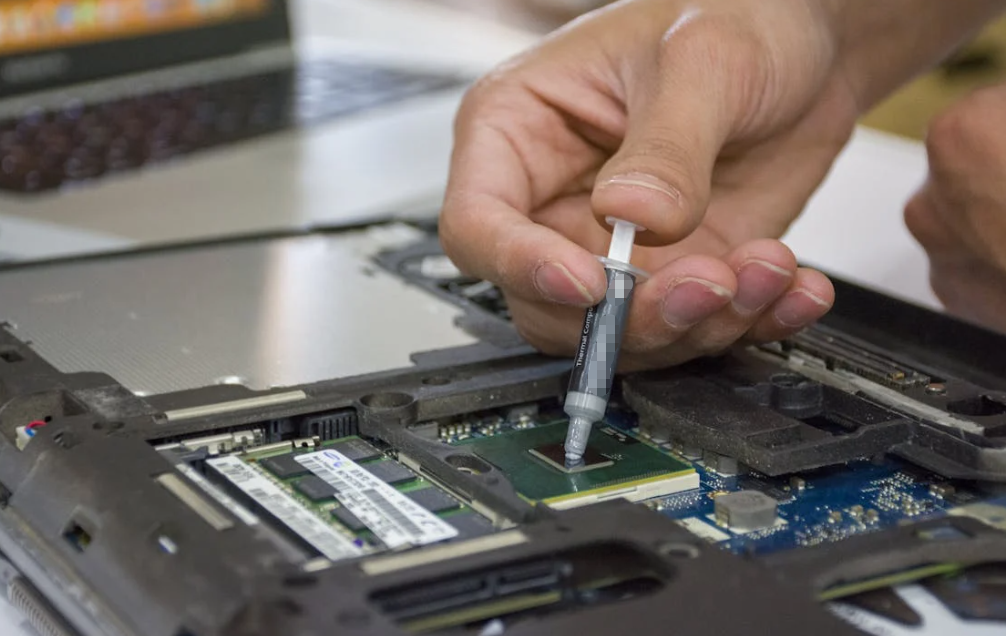
Trong thế giới phức tạp của quản lý nhiệt, keo tản nhiệt vẫn là một vật liệu thoạt nhìn có vẻ đơn giản nhưng lại vô cùng quan trọng. Cho dù bạn đang thiết kế các thiết bị điện tử tiên tiến hay xây dựng hệ thống điện toán hiệu suất cao, việc hiểu rõ keo tản nhiệt là gì — và tại sao nó lại quan trọng — sẽ giúp tối ưu hóa hiệu suất và độ tin cậy. Trong bài viết này, chúng ta sẽ khám phá về keo tản nhiệt từ gốc rễ: định nghĩa, cách thức hoạt động, thành phần cấu tạo, ứng dụng, và cách chọn loại phù hợp nhất cho nhu cầu của bạn.

1. Giới thiệu về keo tản nhiệt
Về cốt lõi, keo tản nhiệt (còn được gọi là keo tản nhiệt, keo tản nhiệt, hoặc vật liệu dẫn nhiệt – TIM) là một vật liệu dẫn nhiệt chuyên dụng được bọc giữa hai bề mặt rắn để tăng cường truyền nhiệt. Nó lấp đầy các bất thường bề mặt vi mô hoặc các khoảng trống không khí mà nếu không được kiểm soát, sẽ giữ lại không khí — một chất dẫn nhiệt kém — và cản trở việc tản nhiệt hiệu quả.
Về mặt thực tế, keo tản nhiệt đóng vai trò như một “cầu nối” truyền nhiệt. Một bên của cầu nối này là một linh kiện sinh nhiệt, chẳng hạn như CPU, tranzito công suất hoặc đèn LED. Bên kia là một giải pháp làm mát, chẳng hạn như bộ tản nhiệt hoặc tấm làm mát. Lớp keo đảm bảo rằng các linh kiện này “giao tiếp” nhiệt với nhau bất chấp các khiếm khuyết trên bề mặt.
2. Tại sao keo tản nhiệt lại quan trọng
Thách thức của kính hiển vi bề mặt
Các bề mặt đặc không hoàn toàn phẳng — ở cấp độ viroskop, ngay cả các bề mặt kim loại được gia công cũng gồ ghề và không đều. Khi hai bề mặt như vậy gặp nhau, các túi vi mô của không khí vẫn bị kẹt giữa chúng. Do không khí có độ dẫn nhiệt cực thấp, lớp không khí bị kẹt này đóng vai trò như một lớp cách nhiệt, làm giảm dòng truyền nhiệt và tạo ra các điểm nóng.
Keo tản nhiệt lấp đầy những khoảng trống li ti này và thay thế không khí bằng một vật liệu có độ dẫn nhiệt cao hơn nhiều — cho phép truyền nhiệt hiệu quả hơn. Điều này rất cần thiết trong một loạt các ứng dụng hiệu năng cao và công nghiệp, nơi tình trạng quá nhiệt có thể làm giảm hiệu suất, rút ngắn tuổi thọ hoặc thậm chí gây ra hỏng hóc.
3. Keo tản nhiệt là gì — và không phải là gì
Keo tản nhiệt thường bị nhầm lẫn với các vật liệu tản nhiệt khác như miếng đệm, keo dán hoặc vật liệu chuyển pha. Nhưng có những sự khác biệt quan trọng.
- Keo tản nhiệt và. Miếng tản nhiệt: Miếng đệm là các vật liệu đặc hoặc bán rắn được đặt giữa các bề mặt. Chúng dễ sử dụng hơn nhưng thường mang lại hiệu suất tản nhiệt thấp hơn so với keo tản nhiệt trong các ứng dụng đòi hỏi độ chính xác cao.
- Keo tản nhiệt (thermal grease) và keo dán tản nhiệt (thermal adhesives): Không giống như chất kết dính, loại vật liệu liên kết các bề mặt và đóng rắn thành thể rắn, keo tản nhiệt không cung cấp độ bền cơ học — vật liệu này vẫn giữ được tính linh hoạt và cần có kẹp hoặc dây buộc cơ học.
- Keo tản nhiệt và vật liệu chuyển pha (PCM): PCM mềm ra và chảy khi đạt đến nhiệt độ hoạt động, nhưng mỡ tản nhiệt vẫn duy trì trạng thái lỏng trong phạm vi nhiệt độ rộng hơn mà không bị đóng rắn.
4. Thành phần và Tính chất Nhiệt
Trọng tâm hiệu suất của keo tản nhiệt là hai thành phần: ma trận và chất độn.
Ma trận
Chất nền thường là chất nền polymer — thường là silicone — cung cấp môi trường cấu trúc cho mỡ. Nó đảm bảo rằng vật liệu dễ dàng lan rộng và thích ứng với địa hình bề mặt. Các chất nền phổ biến bao gồm:
- Dầu silicone
- Các hợp chất urethane
- Acrylates và các loại polyme khác
Vật liệu độn
Vật liệu độn là các hạt được phân chia mịn lơ lửng trong chất nền có tác dụng dẫn nhiệt. Do bản thân các polyme dẫn nhiệt kém, các chất độn đóng vai trò gánh vác chính.
Các từ đệm phổ biến bao gồm:
- Nhôm oxit
- Nitrit bo
- Kẽm oxit
- Nhôm nitrit
- Các hạt kim cương
- Chất độn bằng bạc hoặc kim loại (dành cho các ứng dụng cao cấp)
Độ dẫn nhiệt
Hiệu suất của keo tản nhiệt thường được đánh giá bằng độ dẫn nhiệt, được tính bằng oát trên mét-Kelvin (W/m·K). Dưới đây là các số liệu ước tính điển hình:
- Keo tản nhiệt thông thường: 0,8–4 W/m·K
- Mỡ gốc silicon và gốm hiệu suất cao: 5–10 W/m·K
- Các hợp chất kim loại lỏng và vật liệu cao cấp: >10 W/m·K
Để so sánh, các kim loại nguyên chất như đồng có độ dẫn nhiệt từ 200+ W/m·K trở lên. Vì vậy, ngay cả loại keo tản nhiệt tốt nhất cũng không đạt hiệu quả như kim loại — giá trị của nó nằm ở việc loại bỏ các khoảng trống không khí tại những nơi không thể tiếp xúc trực tiếp.
5. Cách Keo Tản Nhiệt Hoạt Động — Vật Lý Bằng Ngôn Ngữ Đơn Giản
Để hiểu rõ vai trò của keo tản nhiệt, hãy tưởng tượng hai bề mặt có các khiếm khuyết nhỏ. Kính hiển vi cho thấy các bề mặt không hề nhẵn nhụi; chúng giống như những dãy núi và thung lũng thu nhỏ. Khi hai bề mặt như vậy tiếp xúc với nhau, chỉ có các đỉnh núi chạm trực tiếp vào nhau. Tất cả các thung lũng — và các túi không khí nhỏ bên trong chúng — vẫn bỏ trống.
Độ dẫn nhiệt của không khí rất thấp, xấp xỉ 0,02–0,04 W/m·K, so với các vật liệu rắn. Do đó, ngay cả một lượng nhỏ không khí bị kẹt cũng làm tăng mạnh khả năng truyền nhiệt sự kháng cự, làm chậm dòng nhiệt.
Keo tản nhiệt chảy vào các khe trũng đó và thay thế không khí bằng một vật liệu dẫn nhiệt tốt hơn. Keo hiếm khi đóng rắn hoặc cứng lại; thay vào đó, nó vẫn giữ được độ dẻo để duy trì tiếp xúc ngay cả khi có sự giãn nở nhiệt hoặc rung động. Tiếp xúc liên tục này làm giảm điện trở ranh giới nhiệt và cải thiện quá trình truyền nhiệt.
Điều quan trọng ở đây không phải là lớp keo tản nhiệt đó dẫn nhiệt cực tốt, nhưng điều đó lắp đầy các khoảng trống vi mô điều mà mặt khác sẽ hoạt động như lớp cách nhiệt. Hiệu suất tốt nhất đến từ việc áp dụng lớp mỏng nhất có thể — đủ để lấp đầy các khoảng trống mà không tạo ra các lớp rào cản dày hơn mức cần thiết.
6. Các loại keo tản nhiệt phổ biến
Keo tản nhiệt được phân loại rộng rãi dựa trên vật liệu nền hoặc loại chất độn của chúng:
Mỡ gốc gốm
Sử dụng các hạt gốm như nhôm oxit hoặc boron nitride. Những sản phẩm này không dẫn điện và an toàn cho các thiết bị điện tử, khiến chúng trở nên phổ biến trong hệ thống làm mát tiêu dùng và công nghiệp.
Mỡ gốc kim loại
Các hạt độn bao gồm các kim loại như bạc hoặc đồng. Các loại mỡ này có thể có độ dẫn nhiệt cao hơn nhưng có thể gây ra rủi ro về độ dẫn điện nếu sử dụng không đúng cách.
Mỡ tăng cường carbon hoặc than chì
Một số loại mỡ bôi trơn cao cấp kết hợp các chất độn carbon hoặc graphene để cải thiện đáng kể độ dẫn nhiệt mà không có rủi ro dẫn điện.
7. Keo tản nhiệt trong thực tế: Các ứng dụng chính
Điện tử tiêu dùng
Keo tản nhiệt quen thuộc nhất với những người lắp ráp máy tính, những người bôi nó giữa CPU hoặc GPU và các bộ tản nhiệt. Nó đóng vai trò quan trọng trong việc duy trì nhiệt độ tối ưu và ngăn chặn tình trạng giảm hiệu năng do quá nhiệt. Ngoài máy tính, nó còn được sử dụng trong các máy chơi game, máyδ tính xách tay và bộ định tuyến hiệu suất cao.
Chiếu sáng LED và Điện tử công suất
LED công suất cao sinh ra lượng nhiệt lớn. Keo tản nhiệt giúp truyền nhiệt lượng này sang các bộ tản nhiệt, ngăn ngừa tình trạng hỏng LED sớm. Nó cũng được sử dụng trong các module bán dẫn công suất như IGBT và MOSFET để ổn định nhiệt độ khi có tải.
Máy móc công nghiệp
Trong các thiết bị công nghiệp có tải trọng nhiệt cao — chẳng hạn như bộ chuyển đổi, ổ đĩa và bộ điều khiển động cơ — mỡ tản nhiệt đóng vai trò thiết yếu trong việc duy trì độ tin cậy và ngăn ngừa quá nhiệt.
Viễn thông
Các trạm gốc mạng, thiết bị vô tuyến 5G và nguồn điện viễn thông đều đòi hỏi quản lý nhiệt hiệu quả để duy trì thời gian hoạt động và hiệu suất. Keo tản nhiệt cũng hỗ trợ trong việc này.
8. Các phương pháp hay nhất khi phát triển ứng dụng
Ngay cả với loại mỡ bôi trơn phù hợp, những sai sót trong quá trình ứng dụng vẫn có thể làm giảm hiệu suất.
Xử lý bề mặt
Làm sạch bề mặt lắp ghép khỏi mỡ cũ, bụi hoặc mảnh vụn trước khi bôi vật liệu mới. Bề mặt kim loại sạch đảm bảo tiếp xúc tốt nhất.
Liều lượng phù hợp là rất quan trọng
Quá nhiều keo tản nhiệt có nghĩa là một lớp đệm dày khiến thêm điện trở nhiệt. Quá ít sẽ để lại các túi khí chưa được lấp đầy. Mục tiêu là một lớp mỏng, đều.
Kẹp cơ khí
Vì keo tản nhiệt không bị khô cứng, các bề mặt phải được kẹp chặt với nhau bằng cơ học — sử dụng ốc vít, giá đỡ hoặc kẹp — để duy trì tiếp xúc và áp lực.
Đăng ký lại và Vòng đời
Theo thời gian, một số loại mỡ bôi trơn có thể bị xuống cấp, bị đẩy ra ngoài hoặc bị khô. Việc kiểm tra định kỳ và bôi lại có thể duy trì hiệu suất tản nhiệt tối ưu, đặc biệt là trong môi trường có nhiệt độ cao hoặc rung động mạnh.
9. Mỡ tản nhiệt so với miếng đệm tản nhiệt và kim loại lỏng
| Tính năng | Mỡ tản nhiệt | Miếng tản nhiệt | Kim loại lỏng |
| Độ dẫn nhiệt | Tốt | Vừa phải | Tuyệt vời |
| Sự dễ dàng khi ứng dụng | Vừa phải | Dễ | Khó |
| Độ dẫn điện | Thường là không | Không | Thường là vậy |
| Khả năng tái sử dụng | Vâng | Vâng | Không |
| Tốt nhất cho | CPU/GPU, các module nguồn | Khoảng cách lớn hoặc chiều cao thay đổi | Hiệu năng cực đỉnh |
Keo tản nhiệt lý tưởng cho các bề mặt phẳng và không gian được xác định rõ. Miếng tản nhiệt dễ xử lý hơn, đặc biệt là ở những nơi có độ chênh lệch chiều cao. Kim loại lỏng mang lại độ dẫn điện tốt nhất nhưng có nguy cơ đoản mạch và đòi hỏi chuyên môn.
10. Những quan niệm sai lầm phổ biến về keo tản nhiệt
“Keo tản nhiệt tự nó đã làm tăng đáng kể khả năng truyền nhiệt.”
Thực ra, chức năng chính của nó là cải thiện giao diện, không phải thay thế tiếp xúc kim loại với kim loại trực tiếp. Mỡ lấp đầy các khoảng trống mà nếu không sẽ giữ không khí và tạo ra lớp cách nhiệt.
“Mọi loại mỡ tản nhiệt đều giống nhau.”
Không đúng. Các công thức khác nhau có thể khác biệt đáng kể về độ dẫn nhiệt, tính chất điện và tuổi thọ. Việc lựa chọn đúng loại theo nhiệt độ vận hành, điều kiện cơ học và yêu cầu về điện là yếu tố rất quan trọng.
“Mỡ tản nhiệt là chất bôi trơn.”
Mặc dù có tên gọi là mỡ, sản phẩm này không phải là chất bôi trơn theo nghĩa cơ học truyền thống. Khả năng tản nhiệt của nó dựa trên sự dẫn nhiệt, chứ không phải giảm ma sát giữa các bộ phận chuyển động.
11. Xu hướng mới nổi trong công nghệ mỡ tản nhiệt
Nghiên cứu tiếp tục mở rộng giới hạn hiệu năng của vật liệu giao diện nhiệt. Các cải tiến như mỡ tản nhiệt gia cường graphene cho thấy tiềm năng đạt độ dẫn nhiệt cao hơn nhiều với thể tích chất độn thấp hơn, có khả năng vượt trội so với các vật liệu truyền thống.
Những phát triển này mở ra nhiều khả năng đầy hứa hẹn, đặc biệt đối với các thiết bị điện tử công suất cao thế hệ mới, bộ xử lý AI và môi trường trung tâm dữ liệu mật độ cao, nơi quản lý nhiệt hiệu quả là yếu tố then chốt.
12. Các lưu ý về môi trường và an toàn
Mặc dù hầu hết mỡ tản nhiệt không dẫn điện và an toàn, một số công thức chứa hàm lượng kim loại cao có nguy cơ dẫn điện. Mỡ rò rỉ vào mạch điện có thể gây đoản mạch. Việc lựa chọn sản phẩm uy tín, đã được kiểm nghiệm kỹ lưỡng sẽ giúp giảm thiểu những rủi ro này.
Các báo cáo điều tra gần đây đã nêu bật những mối nguy từ các loại keo tản nhiệt có công thức kém, có thể ăn mòn bề mặt kim loại hoặc phát thải hơi ăn mòn — qua đó nhấn mạnh tầm quan trọng của vật liệu chất lượng cao và nguồn cung phù hợp.
Lựa chọn loại mỡ nhiệt phù hợp
Khi lựa chọn keo tản nhiệt cho ứng dụng của bạn, hãy cân nhắc các yếu tố sau:
- Độ dẫn nhiệt xếp hạng: Cao hơn không phải lúc nào cũng tốt hơn, nhưng lại rất quan trọng đối với các ứng dụng đòi hỏi khắt khe.
- Tính chất điện: Đảm bảo tính không dẫn điện ở những vị trí mạch điện bị hở.
- Dải nhiệt độ vận hành: Chọn mỡ bôi trơn phù hợp với điều kiện nhiệt dự kiến.
- Độ nhớt và phương pháp thi công: Độ nhớt thấp hơn cho các bề mặt tiếp xúc mỏng; độ nhớt cao hơn cho các khe hở lớn hơn hoặc in qua khuôn stencil.
Tại HakTak, chúng tôi chuyên cung cấp vật liệu dẫn nhiệt hiệu suất cao, được thiết kế để đảm bảo độ tin cậy và hiệu quả trong thiết bị điện tử, hệ thống công nghiệp và mô-đun công suất. Hãy liên hệ với chúng tôi để được tư vấn chuyên môn phù hợp với nhu cầu của bạn.
13. Kết luận
Mỡ tản nhiệt là một trong những vật liệu tưởng như không đáng chú ý nhưng âm thầm đảm nhiệm một vai trò quan trọng. Bằng cách lấp đầy các khe hở không khí siêu nhỏ và tạo thành cầu nối nhiệt hiệu quả giữa nguồn nhiệt với hệ thống làm mát, vật liệu này giúp thiết bị điện tử vận hành mát hơn, bền lâu hơn và ổn định hơn. Tầm quan trọng của mỡ tản nhiệt trải rộng từ các thiết bị điện tử tiêu dùng hằng ngày đến những ứng dụng công nghiệp tiên tiến. Lựa chọn đúng loại mỡ tản nhiệt, thi công đúng cách và hiểu rõ các đặc tính cũng như giới hạn của sản phẩm sẽ quyết định đáng kể đến hiệu quả quản lý nhiệt.
14. Các câu hỏi thường gặp (FAQ)
Mỡ tản nhiệt chính xác là gì?
Mỡ tản nhiệt là hợp chất dẫn nhiệt được bôi giữa các linh kiện phát nhiệt và hệ thống tản nhiệt để cải thiện truyền nhiệt bằng cách lấp đầy các khe hở không khí.
Mỡ nhiệt có dẫn điện không?
Most thermal greases are electrically insulating, but some with metal fillers may conduct electricity — choose carefully.
Keo tản nhiệt có thể bị khô theo thời gian không?
Yes. Poor quality or old thermal grease can dry out, reducing performance and necessitating reapplication.
Tôi nên bôi keo tản nhiệt dày bao nhiêu?
A một lớp mỏng và đồng đều là lý tưởng — vừa đủ để lấp đầy các khe hở mà không làm tăng thêm trở kháng nhiệt.
Có thể thay keo tản nhiệt bằng miếng đệm tản nhiệt không?
Có, trong một số ứng dụng. Miếng đệm dễ sử dụng hơn, nhưng có thể không đạt hiệu năng tương đương keo tản nhiệt được bôi đúng cách.