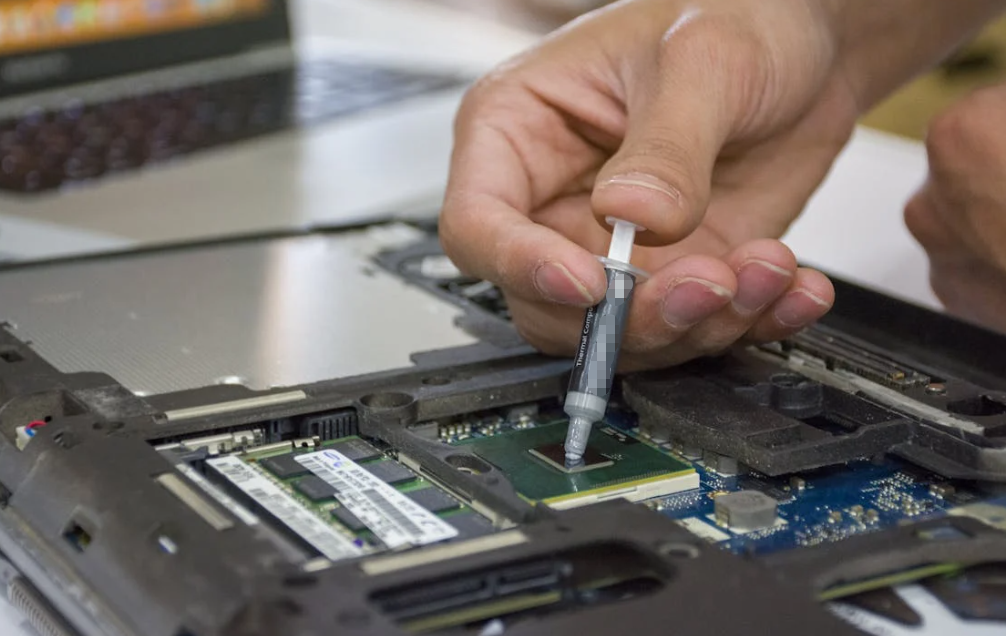
In the world of thermal management, Thermal Interface Materials (TIMs) are unsung heroes. Invisible to end-users yet critical to device performance, TIMs determine whether a high-performance processor, LED module, or power electronics assembly runs cool and reliably—or overheats and throttles performance.

For designers, system integrators, and procurement professionals exploring thermal solutions, understanding TIMs is foundational. This article explores what TIM is, why it matters, how different types compare, and how to choose the right one for applications ranging from consumer electronics to industrial hardware. Along the way, we’ll dive into material science fundamentals, thermal performance metrics, industry use cases, and practical guidance.
1. What is a Thermal Interface Material?
At its core, a Thermal Interface Material is any substance placed between two solid surfaces to improve heat transfer. Electronic components—such as CPUs, power transistors, LEDs, and battery modules—generate heat. To keep them within safe operating limits, that heat must be conducted into a heatsink or spreader. However, even polished metal surfaces have microscopic roughness that traps air pockets. Air is a poor thermal conductor, so these gaps create significant thermal resistance, reducing heat transfer efficiency.
A TIM fills those micro-gaps and bridges the surfaces, dramatically lowering thermal resistance and enabling more efficient heat flow. TIMs are therefore essential in almost all modern electronics cooling designs.
In plain terms:
Without a TIM, heat from a chip doesn’t move efficiently into the cooling solution, creating hot spots and risking performance degradation or failure.
2. Why Thermal Interface Materials Matter
At first glance, TIMs may seem like minor components compared to heatsinks, fans, or heat pipes. Yet their impact can be profound:
Reduce Thermal Resistance
Thermal resistance (measured in K/W) quantifies how difficult it is for heat to travel across an interface. A high resistance means less heat is carried away, raising junction temperatures. A properly selected TIM minimizes this resistance.
Improve Reliability and Longevity
Excessive operating temperature accelerates material aging, shifts electrical behavior, and can ultimately shorten device lifespan. By improving heat removal, TIMs help systems run cooler and last longer.
Enable Higher Power Densities
Modern electronics pack more compute power and energy into smaller form factors. Effective thermal management—including top-tier TIMs—is critical to maintaining performance as power densities increase.
Support Miniaturization
Smaller devices often leave less space for traditional cooling hardware. TIMs that deliver excellent heat transfer in thin layers support miniaturized designs without sacrificing thermal performance.
3. Key Thermal Performance Metrics
When assessing TIMs, engineers focus on several quantitative and practical metrics:
Thermal Conductivity (k)
Measured in watts per meter-kelvin (W/m·K), this metric reflects how readily a material conducts heat. Higher values generally indicate better heat transfer capability. Materials range from 1–10 W/m·K for traditional pads/pastes up to hundreds or more in advanced materials such as graphene or graphite composites.
Thermal Resistance (Rth)
Thermal resistance reflects the effectiveness of the entire interface, including surface roughness and contact quality. Lower Rth means better overall heat flow.
Thickness and Bond Line
Thin bond lines reduce resistance because heat travels shorter distances. This is why pastes and phase-change materials often outperform thicker pads in high-performance applications.
Compressibility and Conformability
Surfaces are rarely perfectly flat. A TIM must deform to fill micro-gaps under assembly pressure without cracking or losing contact.
Mechanical Stability
TIMs must withstand thermal cycling—repeated heating and cooling—without cracking, delaminating, or suffering performance degradation.
4. Types of Thermal Interface Materials
There is no one-size-fits-all TIM. Instead, several categories exist, each tailored to specific applications, trade-offs, and performance priorities.

Below is a detailed breakdown of the most common types:
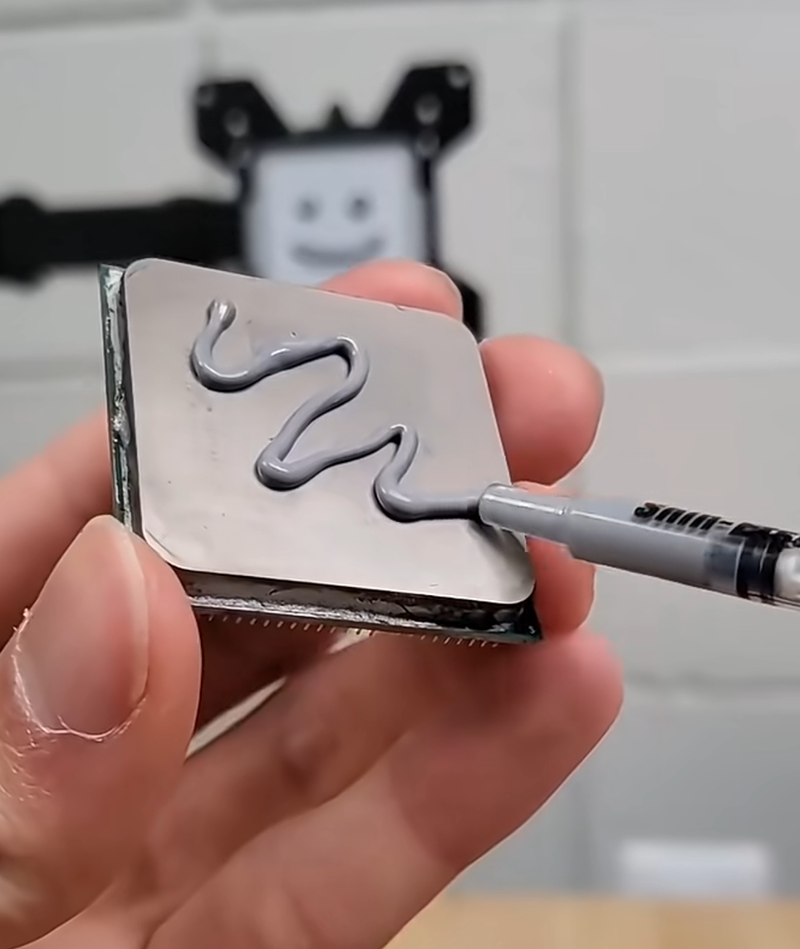
Thermal Paste / Thermal Grease
Also known as thermal compound or heat paste, this is one of the most widely used thermal interface materials for high-performance electronics.
- Form: Soft, viscous paste.
- Use Cases: CPUs, GPUs, power modules, high-performance LEDs.
- Pros: Excellent gap filling; very low thermal resistance when applied correctly.
- Cons: Requires careful application; can pump out over time under thermal cycling; not mechanically adhesive.
Thermal paste is often formulated with a silicone or polymer base and loaded with thermally conductive fillers such as aluminum oxide, boron nitride, or even silver particles to raise conductivity. High-end versions may use liquid metal for exceptional performance, though they have risks such as electrical conductivity and corrosion on some metals.
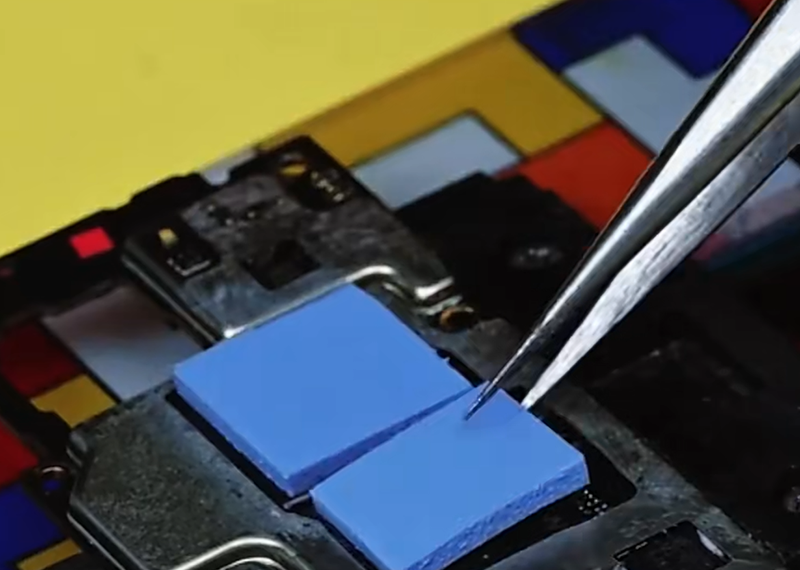
Thermal Pads / Thermally Conductive Pads
These are pre-formed pads of solid or semi-solid thermally conductive material, often silicone-based.
- Form: Sheets, rectangles, or custom shapes.
- Use Cases: GPUs, VRAM, VRMs, power supplies where gap thickness is larger.
- Pros: Easy to apply; clean handling; good for moderate gap filling.
- Cons: Typically higher thermal resistance than paste.
Thermal pads are particularly handy in assembly lines or field service because they require no special application technique. They compress under pressure to conform to surfaces and bridge gaps. Some thermal pads are also phase change materials, softening at operating temperature to improve surface contact.
Phase Change Materials (PCMs)
Phase change TIMs are designed to move from solid at ambient to soft/liquid at operating temperature.
- Form: Solid sheet that “melts” on heating.
- Use Cases: CPUs, high-power electronics requiring thin interfaces.
- Pros: Combines ease of handling with excellent surface contact once heated.
- Cons: Require thermal cycling to achieve full contact; can bond surfaces more strongly over time.
These materials exploit thermal transitions to fill micro-gaps effectively. Once warmed up, their softened state ensures minimal thermal resistance.
Thermal Adhesives
Thermal adhesives not only transfer heat but also provide mechanical bonding between surfaces.
- Form: Adhesive paste or glue.
- Use Cases: Permanent assemblies where both heat transfer and bonding are needed.
- Pros: Strong mechanical attachment; useful in vibration-sensitive environments.
- Cons: Permanent; not suitable for applications requiring disassembly.
They often contain epoxy or silicone matrices with thermally conductive fillers.
Thermal Tapes
These are adhesive backed thermal films.
- Form: Thin, flexible tape.
- Use Cases: Quick assembly, lighter applications.
- Pros: Easy to use; adheres components directly.
- Cons: Higher resistance; limited to low-power applications.
Metal TIMs
Metallic thermal interface materials—including foils, liquid metals, or sintered metal TIMs—offer very high thermal conductivity.
- Pros: Extremely high conductivity; can outperform polymeric TIMs.
- Cons: Harder to apply; liquid metals can be electrically conductive and corrosive; foils may require precision mounting.
Examples include indium alloys, sintered silver, or other metal composites designed to marry compliance with conductivity.
Graphite and Graphene Materials
Advanced TIMs use graphite sheets or graphene composites to deliver high in-plane thermal conductivity.
- Pros: Ultra-high conductivity; ultrathin; low weight.
- Cons: Premium price; handling may require precision.
Graphene-enhanced TIMs are increasingly found in cutting-edge electronics where every degree matters.
5. How TIM Works: A Closer Look
To appreciate TIM performance, it helps to understand the concept of thermal resistance networks.
Two ideal metal surfaces in contact have microscopic asperities—peaks and valleys—that trap air. Even polished surfaces are rough at the microscopic level, leading to tiny voids. Air has a very low thermal conductivity, and if left between the surfaces, it becomes the bottleneck for heat transfer.
When a TIM is applied, it fills those voids:
- Its bulk conductivity determines how fast heat travels through the material itself.
- Its interface contact quality determines how well it wets and adheres to surfaces.
- Its compressibility affects how fully it occupies gap volume.
A high-performance TIM therefore shows high conductivity, good wetting, and low thermal resistance across the interface.
6. Choosing the Right TIM: What Engineers Must Consider
Selecting the optimal thermal interface material is a balance of performance, cost, manufacturability, and reliability. Here are the major factors:
Thermal Performance Requirements
Higher power devices require TIMs with high conductivity and low resistance. Pastes with high filler concentrations or liquid metal TIMs often offer the best performance.
Gap Thickness and Surface Planarity
Large gaps favor pads or putties, which can handle thicker interfaces. Thin gaps and precision surfaces favor pastes or phase change materials.
Ease of Application and Assembly
Pads and tapes are easier to handle in production settings. Pastes may require skilled application to avoid excess and ensure uniform coverage.
Operating Environment
High temperature cycles, vibration, moisture, or chemical exposure can all influence TIM durability and choice.
Serviceability
Does the assembly need occasional disassembly? Permanent adhesives may not be suitable if maintenance is anticipated.
Cost Constraints
Premium materials like graphene TIMs or liquid metal pastes command higher prices, which may not be justified for lower-power consumer electronics.
7. Real-World Applications of TIMs
Thermal interface materials are found across a wide spectrum of products and industries:
Consumer Electronics
Processors in PCs, laptops, and game consoles rely on thermal pastes or phase change materials to ensure optimal heat transfer from chips to heatsinks.
LED Lighting
High-power LEDs generate significant heat. TIMs help spread heat into heatsinks or chassis components to boost reliability and lumen longevity.
Power Electronics
Inverters, motor drives, and power supplies use TIMs between power modules and cooling surfaces to manage thermal loads efficiently.
Automotive Systems
Electric vehicles and advanced driver-assistance systems demand robust thermal interfaces under wide temperature ranges and vibration.
Telecommunications and Data Centers
High-density server racks and telecom infrastructure leverage advanced TIMs to maintain performance under continuous load.
8. Challenges and Emerging Trends in TIM Technology
The TIM landscape continues to evolve. Engineers and researchers are pushing TIM performance boundaries in several directions:
Nano-Engineered Fillers
Carbon nanotubes, graphene platelets, and other nanoscale fillers significantly enhance thermal conductivity without sacrificing flexibility.
Graphene and Hybrid Materials
Graphene composites and hybrid materials can deliver conductivity orders of magnitude above traditional pads.
Sintered Metal TIMs
Sintered silver, indium alloys, and other metal phases are being adopted in high-end power systems for unmatched thermal performance.
Phase-Change Optimizations
New PCM TIMs are engineered to activate at precise temperatures, maximizing performance exactly in operating ranges.
Automation in Application
Automated dispense and placement systems reduce variability and improve production throughput when applying pastes or liquid TIMs.
9. Practical Tips for TIM Application
Even the best TIM can underperform if misused. Here are engineering best practices:
Clean Surfaces Thoroughly
Old compound, oils, and particulates disrupt contact. Use isopropyl alcohol and lint-free wipes.
Apply the Right Amount
Too little TIM leaves gaps; too much adds unnecessary thickness and thermal resistance—or causes pump-out in pastes.
Consider Surface Roughness
Use materials with good compressibility for rough surfaces or larger gaps.
Follow Manufacturer Guidelines
Recommended application pressures, curing times, and handling instructions vary by product.
Plan for Thermal Cycling
High frequency thermal cycles can change TIM contact over time—consider long-term stability.
10. Conclusion
Thermal Interface Materials might be physically thin and often overlooked, but their impact on thermal performance, reliability, and product lifespan is enormous. From high-performance thermal pastes to easy-to-place pads and cutting-edge graphene composites, TIMs enable the heat dissipation that makes modern electronics possible.
At HakTak, we understand that selecting the right TIM isn’t just about thermal conductivity numbers—it’s about matching performance, manufacturability, and long-term reliability to your application. Whether you’re optimizing a server rack, power module, or compact consumer device, smart TIM selection is central to successful thermal design.
11. Frequently Asked Questions (FAQs)
What does a thermal interface material do?
A TIM fills microscopic air gaps between contact surfaces to improve heat conduction and reduce thermal resistance.
Are thermal pads better than thermal paste?
It depends on the application. Pads are easy to use and handle larger gaps, while paste typically offers lower resistance in tight contact applications.
Can TIM improve system reliability?
Yes—by lowering operating temperatures and reducing hot spots, TIMs enhance performance stability and device longevity.
What materials are TIMs made of?
Common TIMs use silicone, polymers, metals, graphite, and advanced fillers like graphene to balance performance and practicality.
How do I choose the right TIM for my product?
Consider thermal performance, gap size, application ease, operating environment, and serviceability to make an informed choice.