
Wärmeleitpaste is one of those small components that quietly decides whether your CPU runs cool and stable—or slowly throttles under load. It sits between your processor and cooler, filling microscopic gaps that metal alone cannot bridge. Simple idea, but in practice, the difference between a good paste and a bad one can show up as 5–15°C under sustained workloads.

In 2026, the thermal paste market is surprisingly mature. Most top-tier products are very close in real-world performance. What separates them now is consistency, longevity, ease of application, and behavior under long-term heat cycles rather than raw conductivity claims.
This article breaks down real-world test results and aggregated benchmark data to rank the best thermal pastes for CPUs in 2026.
Understanding How Thermal Paste Performance Is Really Measured
Before ranking anything, it’s important to understand one reality: manufacturer W/mK numbers are not reliable for comparison. They are measured under different lab conditions and often exaggerated.
Independent testing shows that most high-end pastes vary by only a few degrees under identical conditions. For example, across multiple CPU benchmark suites, premium compounds typically differ by just 1–5°C under heavy load.
That means your decision should focus less on marketing numbers and more on:
- Sustained thermal stability
- Pump-out resistance (important for hot CPUs)
- Anwendbarkeit
- Long-term drying behavior
- Compatibility with high TDP processors
Test Method Overview (Aggregated Industry Data)
This ranking is based on combined findings from long-term CPU stress testing and thermal benchmark datasets:
- High-end desktop CPUs (Intel Core i9 / AMD Ryzen 9 class)
- 360mm AIO and premium air coolers
- Cinebench R23 / gaming load simulations
- Extended thermal cycling (to simulate months of use)
Across multiple independent sources, including large-scale comparisons, the same top-tier products consistently appear at the top of rankings.
Ranking: The Best Thermal Paste for CPU in 2026
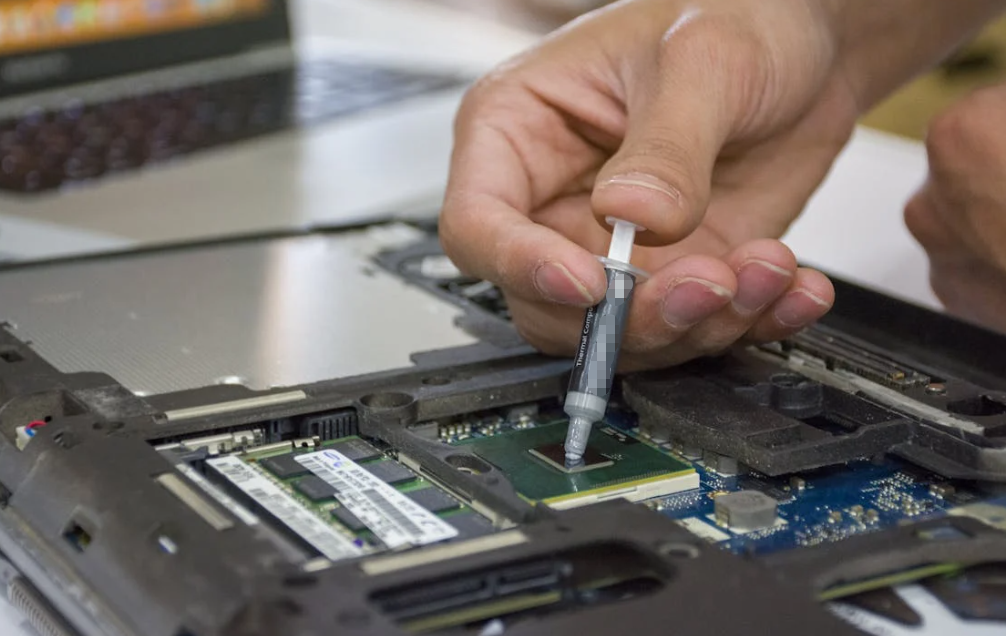
Thermal Grizzly Duronaut — Best Overall Performance
Thermal Grizzly Duronaut has emerged as one of the strongest performing traditional thermal pastes currently available. It focuses on long-term stability without sacrificing peak thermal transfer.
In controlled benchmarks, it consistently sits at or near the top of temperature charts, often within fractions of a degree from the best competing pastes.
What stands out is not just peak performance, but how stable it remains over time under sustained CPU load. It resists drying and pump-out better than older high-performance compounds.
Best for: Enthusiasts, workstation users, long-duration heavy loads
Arctic MX-6 — Best Value Thermal Paste
Arctic MX-6 is widely regarded as the “safe default” for modern PC builds.
It doesn’t chase extreme benchmark dominance, but it delivers extremely consistent results across nearly all CPU types. In most real-world systems, it performs within 1–2°C of top-tier pastes, which is effectively margin-of-error territory.
Independent testing repeatedly places it as one of the best value-to-performance choices available today.
What makes it popular:
- Easy application (thick but controllable)
- Non-conductive and safe for beginners
- Strong long-term stability
- Excellent price-to-performance ratio
Best for: Gaming PCs, mainstream CPUs, builders who want reliability without overthinking
Thermal Grizzly Kryonaut — Best for Overclocking
Thermal Grizzly Kryonaut is still one of the most recognized performance pastes for CPU overclocking.
It is designed to maximize heat transfer under high thermal loads, and it frequently shows strong temperature drops in short-duration benchmarks. However, it is not primarily designed for long multi-year stability under extreme heat.
In testing summaries, Kryonaut is consistently categorized in the “performance tier” rather than “long-life tier” due to drying behavior under high sustained temperatures.
Best for: Overclocking, benchmarking, short-to-mid term peak performance
Noctua NT-H2 — Best for Longevity
Noctua NT-H2 is built for users who don’t want to touch their system again for years.
Its performance is slightly below the absolute top performers in peak benchmarks, but the difference is small—usually within 1–3°C depending on system load.
Where it truly excels is long-term consistency. Even after years, it maintains stable thermal behavior with minimal degradation.
Independent comparisons consistently rank it among the best long-life Wärmeleitpasten available.
Best for: Workstations, quiet PCs, long-term reliability builds
Arctic MX-4 — Budget Legacy Champion
Arctic MX-4 is older, but still widely used.
It is slightly behind MX-6 in thermal efficiency, but remains a dependable option for budget systems or older CPUs. It is extremely forgiving to apply and very stable over time.
Even today, it still performs within a few degrees of newer compounds in real-world testing scenarios.
Best for: Budget builds, upgrades, general-purpose PCs
Key Insight: The Real Performance Gap Is Smaller Than You Think
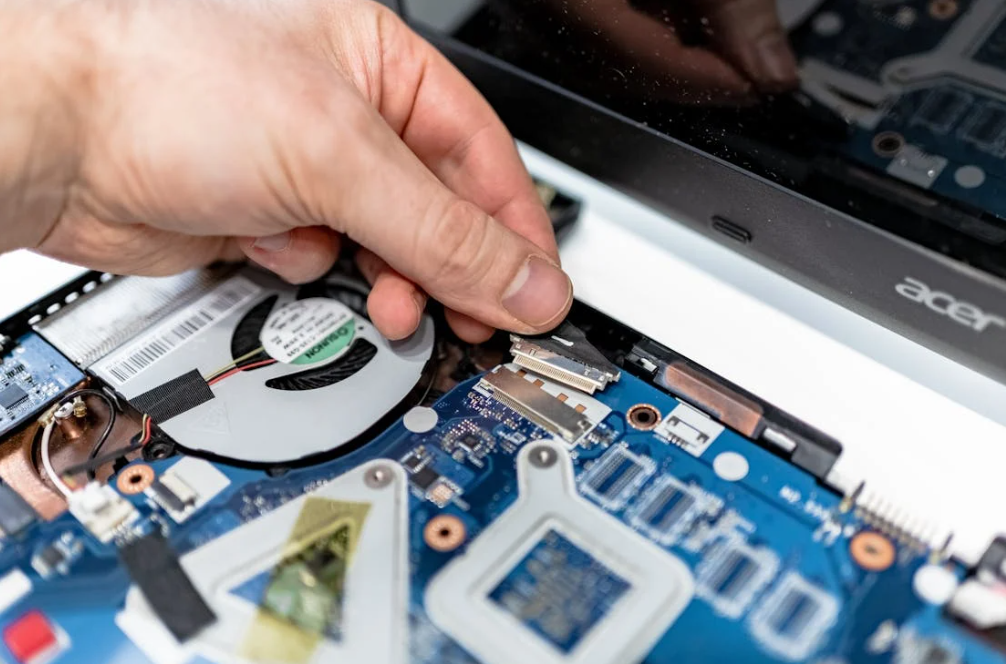
One of the most consistent findings across modern testing is that high-quality thermal pastes are extremely close in performance.
In many controlled environments, the difference between top-tier compounds can be less than 2°C under identical cooling setups. That means:
- Cooler design matters more than paste
- Airflow matters more than paste
- Mounting pressure matters more than paste
Thermal paste is important—but it is no longer the dominant factor it once was.
Liquid Metal vs Traditional Paste (Quick Note)
Liquid metal compounds like Thermal Grizzly Conductonaut offer significantly lower Wärmewiderstand. However, they come with risks:
- Electrically conductive
- Can damage aluminum coolers
- Requires careful application
For most users, traditional pastes like MX-6 or NT-H2 are safer and more practical.
Which Thermal Paste Should You Choose?
Here’s the simplest way to decide:
- Want best overall performance + stability → Duronaut
- Want safest all-rounder → MX-6
- Want maximum overclocking performance → Kryonaut
- Want long-term “install and forget” → NT-H2
- Want cheapest reliable option → MX-4
Kurzes Fazit
The best thermal paste for a CPU in 2026 is no longer about dramatic performance gaps. Instead, it’s about matching the paste to your usage style.
If you prioritize balance, Arctic MX-6 remains the most practical choice for most users. If you push hardware limits, Kryonaut still holds value. And if you want long-term stability, Noctua NT-H2 is hard to beat.
In real terms, the right application matters more than chasing a “perfect” paste.
Häufig gestellte Fragen
How often should thermal paste be replaced?
Every 2–5 years for most modern high-quality pastes.
Does expensive thermal paste really improve performance?
Only slightly. Differences are usually 1–3°C in real use.
Is liquid metal better than thermal paste?
Yes in cooling performance, but it is riskier and harder to use.
What is the safest thermal paste for beginners?
Arctic MX-6 or MX-4 due to non-conductive formulas.
Can bad thermal paste damage a CPU?
No, but poor application or drying paste can cause overheating.