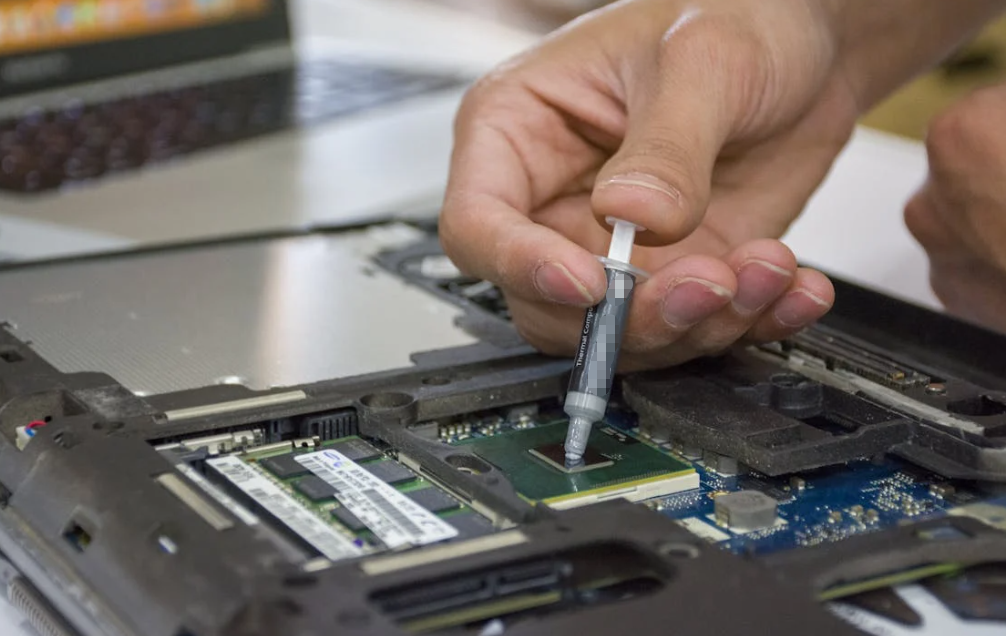
In the rapidly evolving world of electronics and thermal management, efficient heat dissipation is no longer an add-on — it’s foundational. From high-performance computing to automotive electronics, heat buildup can throttle performance, reduce reliability, and shorten lifespan. Among the many thermal interface materials (TIMs) available today, gap filling thermal gel has emerged as a highly effective and versatile solution. But what exactly is it, how does it work, and why is it routinely chosen over alternatives like pads or greases?

In this comprehensive guide, we break down everything you need to know — from the chemistry and mechanics to real-world applications and best practices.
1. The Thermal Management Challenge
Before defining gap filling thermal gel, it’s helpful to understand the problem it solves.
Electronic components rarely meet perfectly flat heat sinks or chassis surfaces. Even precision machined surfaces have microscopic roughness and height differences that trap air. Air is a poor conductor of heat — roughly 100 times less conductive than metals — and where air remains, heat transfer suffers. Interfaces that are not well-filled create thermal resistance that leads to hot spots, throttling, or failure.
This is where thermal interface materials come in: they displace the air and provide a path that conducts heat more efficiently from the component to the heat sink. Gap filling thermal gels are a particular class of TIM designed for uneven interfaces and variable gap sizes.
2. What Is Gap Filling Thermal Gel?

At its core, gap filling thermal gel is a thermally conductive, often silicone-based compound engineered to fill microscopic and macroscopic gaps between electronic components and heat sinks or other cooling surfaces. These gels are sometimes referred to as thermal gap fillers or thermally conductive gels, and they fall between pastes and solid pads in terms of form factor.
The unique characteristics of these gels mean they:
- Conform easily to irregular surfaces, ensuring excellent contact with both mating surfaces.
- Have a high thermal conductivity relative to air, greatly improving heat transfer.
- Exert very low mechanical stress on components during assembly or thermal cycling.
In practice, gap filling thermal gels are often semi-fluid or putty-like, thixotropic (flowing under pressure but staying in place otherwise), and can be applied manually or via automated dispensing systems.
3. How Gap Filling Thermal Gel Works

From an engineering perspective, gap filling thermal gels perform three essential functions:
Bridging Air Gaps
When electronic components mount to a heat sink, even slight geometric differences create air pockets. These pockets block heat conduction. Thermal gel flows into these spaces, replacing the trapped air with a material of much higher thermal conductivity, significantly reducing thermal resistance.
Conforming to Surface Roughness
Even on polished metal surfaces, microscopic peaks and valleys prevent perfect contact. The soft and conformable nature of thermal gels allows them to flow into these tiny depressions, improving surface contact area and heat conduction.
Maintaining Contact Over Time
Unlike some solid pads that may “pump out” or lose contact under thermal cycling and vibration, well-formulated gap filling gels maintain their conformality and remain effective over many thermal cycles and environmental conditions.
4. Composition and Material Science

Silicone-Based Formulations
Most commercially used thermal gap gels are silicone-based compounds loaded with thermally conductive fillers such as ceramic particles, metal oxides, or other advanced fillers.
Silicone offers:
- Excellent temperature stability across a wide range (often -50 °C to +200 °C).
- Soft, compliant mechanical properties, which reduce stress on sensitive components.
- Low chemical reactivity, meaning long-term performance is stable.
Fillers like boron nitride, aluminum oxide, or other materials increase the thermal conductivity of the gel. Typical industrial products range widely — from ~1.5 W/m·K to over 10 W/m·K for premium formulations targeting high-dissipation applications.
One-Component vs Two-Component Gels
Gap filling gels may be offered in:
- One-component (1K) versions — these are usually pre-cured or remain in a gelled form, requiring no mixing or curing. They are ideal for low-pressure, reworkable applications.
- Two-component (2K) systems — require mixing before application and cure into a stable elastomer, offering enhanced mechanical strength and environmental resistance.
5. Performance Characteristics
When selecting or evaluating thermal gel, engineers pay close attention to several key metrics:
Thermal Conductivity
Measured in watts per meter–kelvin (W/m·K), this describes how effectively heat travels through the material. Higher values typically mean better heat dissipation, but practical performance also depends on interface contact quality and thickness.
- Standard gels often range from ~1.5 to 7.5 W/m·K.
- High-performance gels (like some premium Parker Chomerics products) reach beyond 10 W/m·K.
Compressibility and Conformability
Materials that require very low compressive force to conform put less stress on PCBs, delicate chips, and solder joints. This makes gels especially valuable in assemblies with fragile components or strict mechanical requirements.
Cure and Flow Properties
Some gels are designed to be non-curing at room temperature, while others cure into a solid elastomer with enhanced mechanical stability after application, depending on the application and design needs.
6. Gap Filling Thermal Gel vs. Other TIMs
Thermal gel sits amid a family of thermal interface solutions. Understanding where it fits helps engineers make better material choices.
Thermal Paste
Also known as thermal grease, pastes are low-viscosity materials that fill micro-gaps. However, they don’t bridge larger gaps well and may pump out under pressure or thermal cycling. Gap filling gels, being more viscous and compliant, often outperform pastes in variable gap situations.
Thermal Pads
Solid or semi-solid pads offer uniform thickness and ease of placement. But thermal pads are limited when surfaces have uneven or significant height differences. Gels mold better to interfaces and can often replace multiple pad thicknesses.
Adhesives and Thermally Conductive Epoxies
While adhesives offer structural bonding in addition to heat conduction, they usually require higher cure temperatures and are not reworkable. Gels strike a balance between performance and serviceability.
7. Real-World Applications
Gap filling thermal gels are used wherever efficient heat dissipation is crucial, and component interfaces are imperfect or variable.
Consumer Electronics
From smartphones to laptops, space is tight and thermal challenges are diverse. Gels accommodate complex geometries and uneven component heights.
Automotive Electronics
Control units, sensors, and power modules must endure vibration and temperature extremes. The low mechanical stress and durable performance of thermal gels suit these demanding conditions.
Telecommunications
Base station modules, routers, and power amplifiers generate significant heat within compact enclosures. Gap gels help improve system reliability.
Power Electronics and Energy Storage
Battery modules, inverters, and converters require robust thermal management. High-conductivity gels help maintain safe operating temperatures even under continuous loads.
LED Lighting
LEDs generate concentrated heat at junctions, and efficient interface materials improve luminous efficacy and lifespan.
8. Engineering Considerations
Engineers should evaluate several factors when deploying thermal gel:
Gap Size and Tolerance
Gel viscosity and flow characteristics should match the expected gap range. Very large gaps may require specialized fillers or thicker compliant materials.
Assembly Process
Automated dispensing systems are recommended for high-volume, high-precision applications. Manual application may suffice for prototypes or low-volume production.
Thermal Cycling and Stress
Long-term reliability under thermal cycling must be assessed through testing. High compliance gels help absorb expansion-related stresses without degrading heat transfer quality.
Reworkability
Certain gels offer reworkable properties, allowing removal and replacement during repair or product iteration without damaging components.
9. Common Misconceptions
Even experienced designers sometimes misunderstand thermal gels. Let’s clear up a few myths:
- “Higher conductivity always means better performance.” Thermal conductivity is important, but effective heat transfer also depends on contact quality and gap conformity.
- “Thermal paste and gel are interchangeable.” Not always. Gels excel at larger, irregular gaps; pastes are better for micro-level interfacing.
- “Gels will flow away during operation.” Quality formulations resist pump-out and maintain position under normal operating conditions — although improper application or overuse can cause displacement.
10. The Future of Thermal Gap Filling Gels
With increasing demand for smaller, more powerful devices and higher power densities, thermal materials innovation continues. Future gap filling gels may incorporate advanced fillers such as graphene or boron nitride nanotubes to push conductivities even higher without sacrificing flexibility or reliability.
Researchers are also exploring self-aligning filler technologies and smart materials that adapt to changing thermal loads — hinting at a future where interfaces are not just passive conductors but active thermal managers.
11. Conclusion
Gap filling thermal gel is a versatile and high-performance thermal interface material designed to bridge imperfect contact surfaces with efficient heat conduction. Its gel-like, compliant nature allows it to conform to both micro and macro irregularities, offering better thermal performance and lower mechanical stress compared to traditional pads or pastes. Whether in automotive electronics, power conversion systems, consumer gadgets, or next-generation computing platforms, gap filling gels have become a go-to solution for engineers aiming to extract peak performance from their designs without compromising reliability.
By understanding its compositions, performance traits, and proper application, designers and manufacturers can significantly enhance thermal management outcomes — boosting product longevity, stability, and efficiency.
12. FAQs
What is thermal gap filling gel used for?
It is used to fill air gaps between heat-producing components and heat sinks to improve heat transfer.
How is gap filling gel different from thermal paste?
Gap gels are more compliant and better at filling larger, irregular gaps than thermal paste, which is thinner and better suited to micro-interfaces.
Can thermal gel be reused?
Some one-component gels are reworkable and can be repositioned or replaced, but it depends on the formulation.
Does thermal gel require curing?
Many gels are pre-cured and require no additional curing; others are two-component and cure after mixing.
What thermal conductivity range do gap gels offer?
Typical commercial gels range from ~1.5 to over 10 W/m·K, depending on material and formulation.