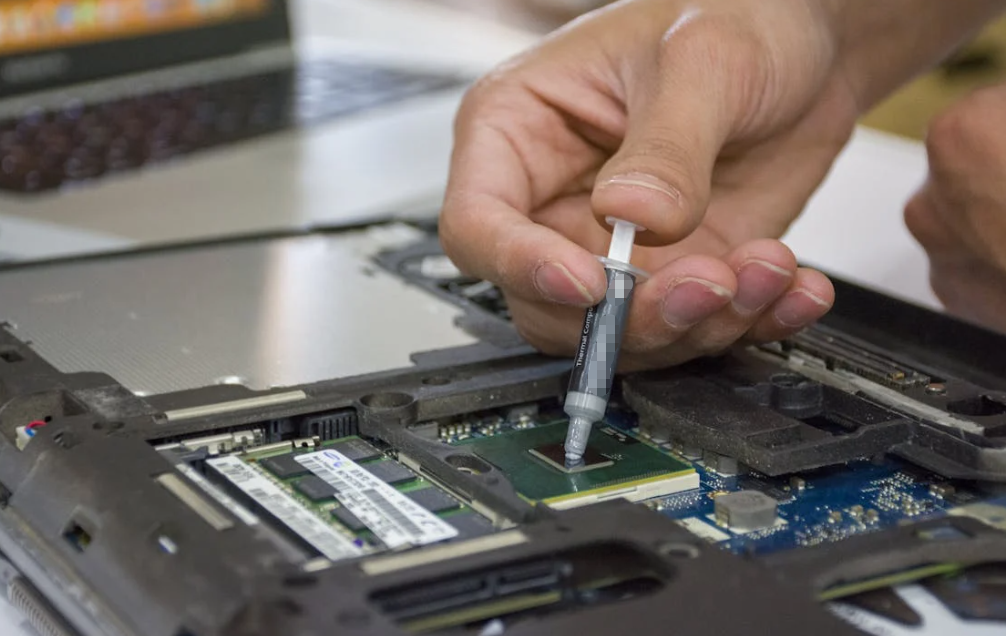
In the modern electronics landscape, managing heat efficiently is more critical than ever. From high-performance computing to electric vehicles and telecommunications infrastructure, thermal challenges are everywhere. While silicone-based thermal materials have dominated traditional thermal interface solutions, non-silicone thermal materials are quickly gaining ground — especially where silicone’s limitations can’t be ignored.
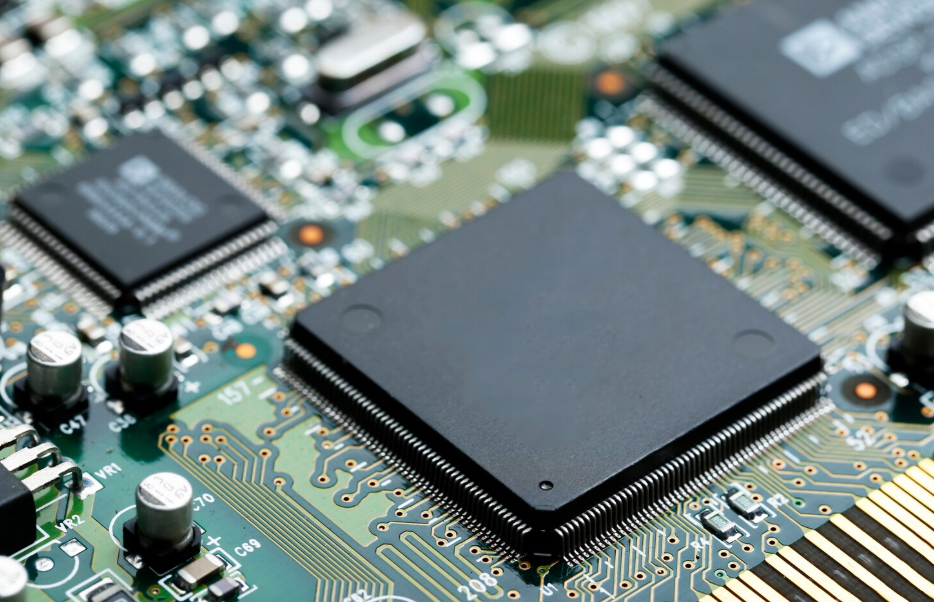
This article dives deep into what non-silicone thermal materials are, why they matter, how they differ from silicone counterparts, their applications, performance metrics, and how manufacturers such as HakTak serve these evolving needs with cutting-edge solutions.
1. What Are Thermal Interface Materials (TIMs)?
Before we explore non-silicone alternatives, it’s important to understand the broader category they belong to: thermal interface materials (TIMs). A TIM is a substance placed between two surfaces — usually a heat source (like a CPU or power module) and a heat sink — to fill microscopic air gaps and facilitate better heat transfer. Air gaps significantly impede thermal conduction; a TIM bridges those gaps to ensure efficient heat flow from the hot component to its cooling solution.
Traditionally, thermal pads and pastes have been silicone-based or wax-based products. Silicone pads are common due to their flexibility and ease of application, while pastes (or greases) offer very low thermal resistance due to high filler load. However, both have limitations in certain advanced applications.
2. Why Move Beyond Silicone?
Silicone has long been a go-to carrier material for TIMs because of its flexibility, processability, and thermal performance when filled with conductive particles. Yet as electronics evolve, so do the demands on thermal management materials.
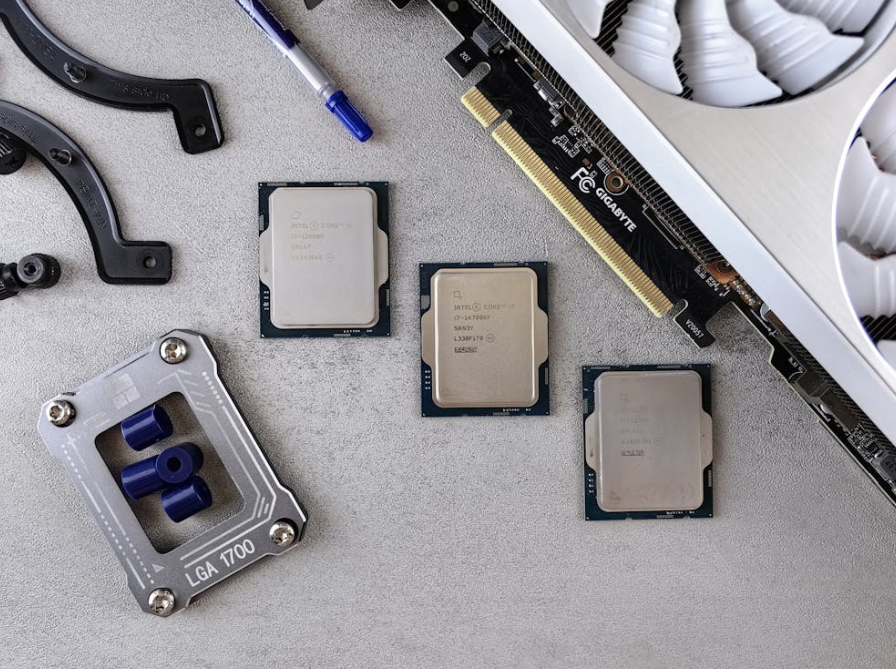
Key Limitations of Silicone Materials
- Outgassing / oil migration: Silicone TIMs often contain low-molecular-weight siloxane that can volatilize under heat and pressure. In sensitive electronics, this can lead to adsorption on PCB surfaces or electrical contacts, affecting performance and reliability.
- Pump-out and dry-out: Silicone gels, especially under thermal cycling, may “pump out” of the joint or dry over time, reducing thermal performance.
- Temperature and chemical constraints: Although silicone TIMs can operate over a broad range, certain applications — such as automotive under-hood electronics or high-speed optical components — push materials beyond what silicone-based solutions can consistently handle.
- Contamination risks: In precision optical, telecommunication, and semiconductor packaging, any silicone contamination is undesirable or could even invalidate product warranties.
Non-silicone thermal materials address many of these pain points by replacing the silicone matrix with alternative polymers or resins that offer improved stability and performance without the side effects associated with silicones.
3. What Are Non-Silicone Thermal Materials?
At their core, non-silicone thermal materials are thermal interface products where the carrier matrix does not contain silicone or volatile siloxane compounds. Instead, they use specialized resins, elastomers, and engineered polymers blended with thermally conductive fillers such as ceramic oxides, metal oxides, boron nitride, or carbon-based materials.
Industry catalogs often list non-silicone TIMs in one of these forms:
- Non-silicone thermal pads – Solid, preformed sheets or pads used to bridge gaps between surfaces.
- Non-silicone gels or putties – Conformable materials that behave like soft solids and can adapt to irregular surfaces.
- Non-silicone gap fillers – Materials formulated to fill larger tolerances where simple pads or pastes might be inadequate.
Unlike silicone, these materials don’t emit siloxane gases and are excellent for sensitive environments — from high-speed electrical circuits to optical and medical devices.
4. How Non-Silicone Thermal Materials Work
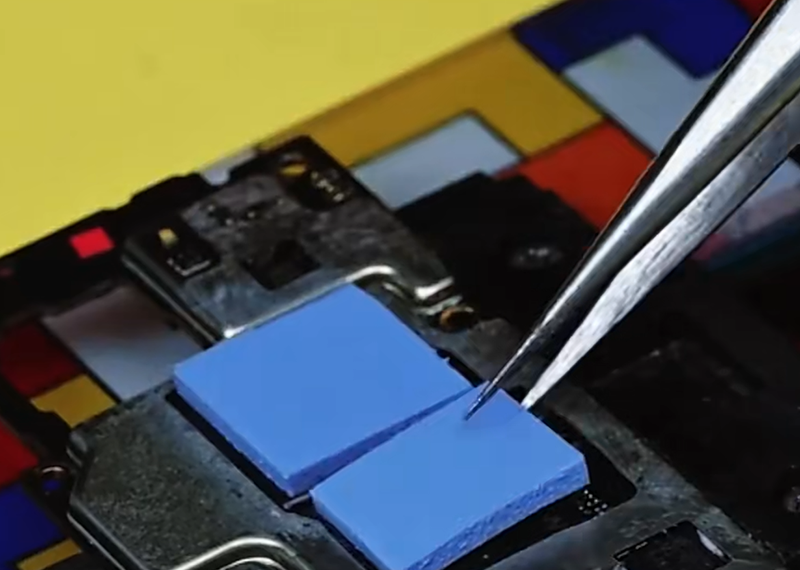
In any TIM, thermal conductivity across a junction depends on:
- The intrinsic thermal conductivity of the material
- Its ability to conform to surfaces, reducing air voids
- Mechanical properties (softness, compressibility) that ensure contact under pressure
Non-silicone materials achieve this with engineered polymer carriers that accept high loads of thermally conductive fillers. These fillers — such as boron nitride, aluminum oxide, or other ceramic particles — provide the pathways for heat conduction. The polymer acts as the matrix that holds everything together while maintaining mechanical integrity and electrical insulation.
What sets non-silicone materials apart is the absence of siloxane, which improves aging stability, reduces outgassing, and lowers the risk of contamination in tight electronic environments.
5. Advantages of Non-Silicone Thermal Materials
Switching to non-silicone thermal materials brings several tangible advantages — especially in demanding or specialized applications:
Lower Thermal Resistance
Studies comparing silicone and non-silicone thermal pads show that non-silicone pads can exhibit consistently lower thermal resistance under similar pressures, meaning better heat conduction from source to sink.
No Volatile Siloxane Emissions
By eliminating silicones, these materials avoid the emission of low-molecular-weight siloxanes that can interfere with electronic contacts or degrade nearby polymers.
Improved Reliability
Non-silicone pads and gap fillers tend to maintain performance over time without issues like pump-out or separation — especially in cycling thermal environments where silicone materials may fail.
Better for Sensitive Applications
Optical systems, semiconductor packaging, and 5G infrastructure require extremely clean environments; silicone migration can interfere with reflective surfaces or small-scale electrical contacts. Non-silicone materials mitigate this risk.
Customizable Thermal Conductivity
Advanced non-silicone gap pads boast thermal conductivities ranging from moderately high values up to double-digit W/m·K — in some specialist products this can exceed what many silicone pads offer.
6. Types of Non-Silicone Thermal Materials
Let’s explore the main categories of non-silicone thermal materials and what makes each suitable for different applications.

Non-Silicone Thermal Pads
These are pre-formed sheets with precise thicknesses — typically between 0.5 mm and 5.0 mm — that fill larger gaps between components and heat sinks. They are often used when a consistent thickness is necessary, such as between board components and enclosures or in power modules.
Professionals choose non-silicone thermal pads when they need:
- Repeatable assembly in automated manufacturing
- Minimal contamination and chemical emissions
- Good conformity under compression
Example products demonstrate thermal conductivity around 5.0 W/m·K, excellent compressibility, and stable electrical insulation.
Non-Silicone Gap Fillers
Gap fillers are more conformable than pads and able to fill non-uniform spaces between surfaces. Their elasticity, softness, and high compressibility make them ideal when traditional pads can’t ensure enough contact under variable tolerances.
These materials are formulated to adapt to surface variations and maintain low thermal resistance even when under mechanical strain. Their thermal conductivity can range broadly, depending on filler loading and matrix chemistry.
Non-Silicone Gels and Putties
Gels and putties are somewhere between pastes and solid pads. They behave like soft solids that can be easily applied to uneven surfaces and still provide reliable thermal pathways.
They are often used in assembly lines where automated dispensing is needed, or in retrofit applications where surfaces vary slightly from board to board.
7. Comparing Silicone vs Non-Silicone TIMs
| Feature | Silicone TIM | Non-Silicone TIM |
| Thermal Performance | Good, variable | Often superior resistance values under pressure |
| Outgassing Risk | Higher | Very low |
| Pump-out Risk | Present | Reduced |
| Application Cleanliness | Moderate | High (suitable for sensitive electronics) |
| Processability | Easy | Equally adaptable |
| Electrical Insulation | Usually | Usually |
| Use Case Breadth | Broad | Growing, high-demand sectors |
This comparison shows that while silicone solutions still play a role in many standard cooling scenarios, non-silicone materials excel where reliability and contamination control are paramount.
8. Real-World Applications of Non-Silicone Thermal Materials
Non-silicone thermal materials are no longer niche — they are becoming essential in many high-performance and sensitive systems:
5G and Telecommunications
High-frequency devices generate heat rapidly, and telecom infrastructure demands stable thermal performance over long operational hours. Non-silicone pads reduce thermal resistance and minimize contamination risk in complex RF assemblies.
Electric Vehicles (EVs)
Battery management systems and power electronics in EVs operate at high currents and temperatures. Non-silicone gap fillers can withstand rigors of automotive thermal cycling and maintain thermal contact in uneven joints.
High-Performance Computing
In servers and data centers, minimizing thermal resistance between CPUs, GPUs, and heat sinks is crucial to avoid throttling and maximize uptime. Non-silicone pads provide consistent performance without silicone migration issues.
Industrial and Medical Electronics
In sensitive equipment — from industrial control boards to imaging devices — outgassing and contamination from silicone materials can impair functionality. Non-silicone solutions offer clean, stable performance.
Optical and Precision Devices
Silicone contamination can degrade optical signals or interfere with micro-mechanical parts. Non-silicone TIMs help maintain performance integrity in these environments.
9. How to Choose a Non-Silicone Thermal Material
Selecting the right non-silicone TIM depends on several technical and practical factors:
Thermal Conductivity Requirements
Assess the thermal load of your system. Higher power components often need materials with higher W/m·K values and lower resistance across gaps.
Gap Thickness and Tolerance Stack-Up
Understand the physical space between components and heat sinks. Gap fillers with compressible profiles work better in irregular or large tolerance situations.
Electrical Insulation Needs
Most non-silicone TIMs offer excellent electrical insulation, but applications in high-voltage or sensitive circuits require careful specification checking.
Environmental Exposure
Consider operating temperature range, humidity, vibration, and thermal cycling. Application environments can significantly affect long-term performance and reliability.
Assembly Method
If automated dispensing or assembly line processes are involved, choose materials compatible with your manufacturing workflow.
10. Common Misconceptions About Non-Silicone Thermal Materials
Given the industry’s long reliance on silicones, misconceptions about non-silicone materials persist. Let’s clarify a few:
“Non-silicone means lower thermal performance.”
Not true. Modern non-silicone thermal pads and gap fillers can outperform many silicone pads, especially in terms of thermal resistance and stability under compression.
“They are only for niche applications.”
Demand is growing across mainstream sectors — from data centers to automotive electronics — as designers prioritize long-term reliability and contamination control.
“Non-silicone materials are harder to use.”
Many manufacturers now provide user-friendly formats (pads, putties, gels) suitable for both manual and automated assembly.
11. HakTak’s Role in Non-Silicone Thermal Innovation
At HakTak, we recognize the evolving thermal management needs of modern electronics. Our product line includes high-performance non-silicone thermal pads, gap fillers, and putties engineered for reliability, cleanliness, and consistent heat dissipation. With solutions catering to demanding sectors — from industrial electronics to EV systems — we help designers tackle thermal challenges without compromise.
Whether you need high thermal conductivity, low outgassing, or excellent electrical insulation, our non-silicone materials deliver thermal management that aligns with tomorrow’s electronics requirements.
12. Conclusion
Non-silicone thermal materials represent an important evolution in thermal interface technology, offering performance and reliability advantages where silicone TIMs fall short. By eliminating volatile siloxane, improving thermal resistance under load, and reducing contamination risk, these materials provide effective thermal solutions for demanding applications across multiple industries.
Understanding the differences, benefits, and proper applications of non-silicone thermal materials empowers engineers, designers, and manufacturers to select the right materials for their products’ thermal challenges.
As electronics continue to advance, non-silicone TIMs will continue to grow in relevance, helping power the next generation of high-performance, high-reliability systems.
13. Frequently Asked Questions (FAQs)
What makes non-silicone thermal materials different from silicone ones?
Non-silicone thermal materials replace silicone carriers with alternative resins or polymers, which eliminates siloxane outgassing and often improves long-term thermal performance.
Are non-silicone materials better than silicone in all cases?
Not always; silicone TIMs still perform well in many applications. However, non-silicone materials can offer advantages in cleanliness, reliability, and lower thermal resistance in specific use cases.
Do non-silicone thermal pads provide electrical insulation?
Yes, most non-silicone thermal pads are designed to be thermally conductive while electrically insulating, making them safe for many electronic assemblies.
Can non-silicone materials be used with automated assembly?
Absolutely. Many non-silicone pads and putties are compatible with screen printing or automated dispensing processes.
How do I choose the right non-silicone material for my project?
Consider thermal conductivity needs, gap thickness, electrical insulation requirements, environmental conditions, and your assembly workflow to select an optimal material.