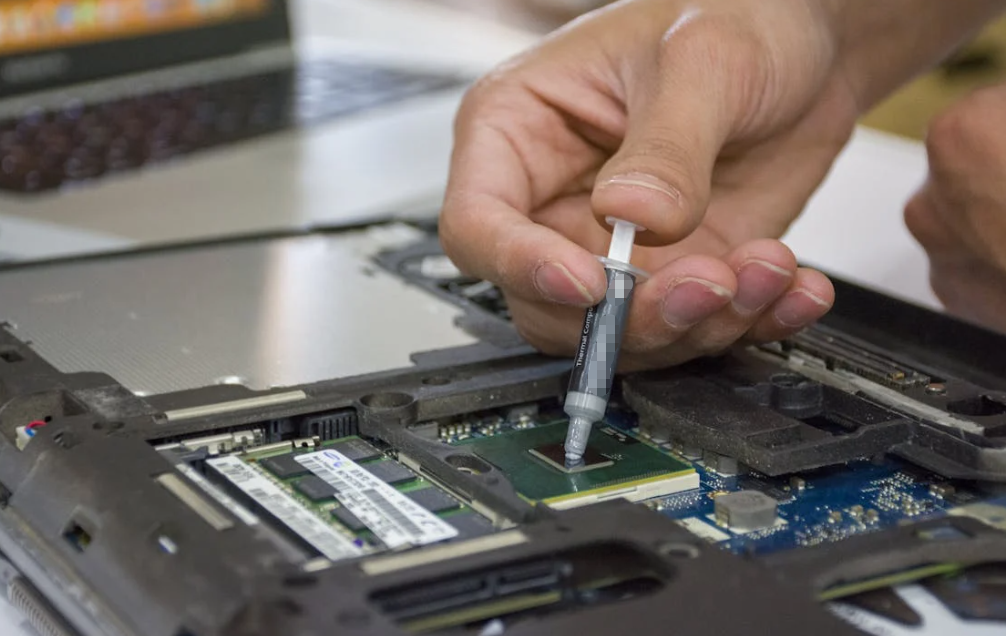
In today’s fast-moving technological landscape, effective thermal management is no longer optional — it’s foundational. As electronic devices shrink in size and simultaneously demand higher power, heat generation increases dramatically. Failure to manage that heat quickly and reliably leads to degraded performance, safety risks, and shortened lifespan. This very challenge has driven enormous interest in materials that not only join components but also transfer heat — among which thermally conductive adhesive stands out.
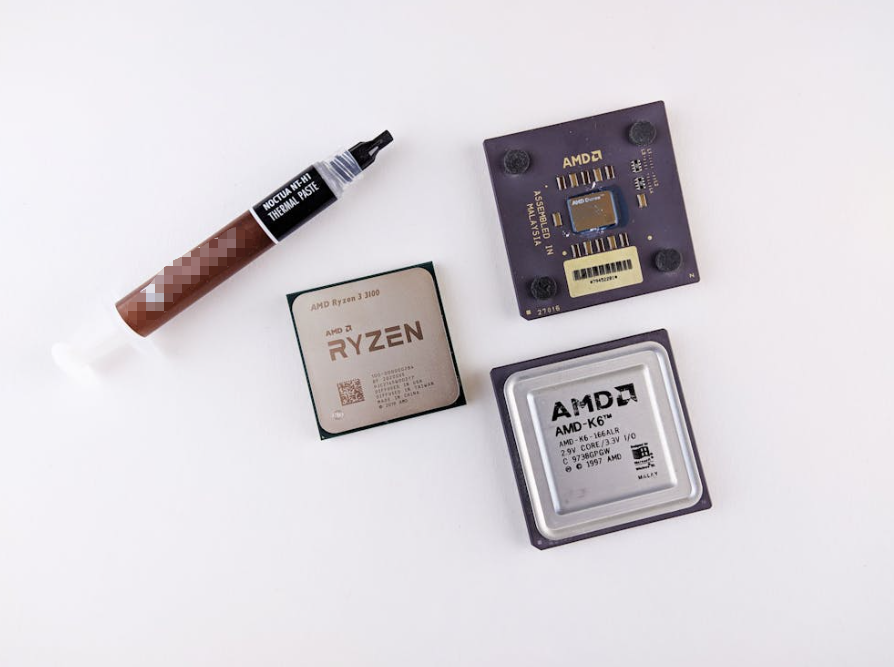
In this comprehensive article, we’ll explore what thermally conductive adhesive (TCA) is, how it works, why it matters, where it’s used, how it compares with alternatives, and most importantly, how to choose the right product for your application. Throughout the guide, we use practical insights grounded in industry standards and modern engineering usage.
1. What Is Thermally Conductive Adhesive (TCA)?
À sa base, un thermally conductive adhesive is a bonding material engineered to both adhere surfaces and conduct heat away from hot components. Unlike standard structural adhesives, TCAs are formulated with conductive fillers embedded in a polymer matrix, allowing them to serve dual roles — mechanical fastening and thermal transfer.
In essence, they bridge the gap between two major needs in electronic and industrial assembly:
- Structural bonding — securely joining parts without screws or mechanical fasteners.
- Thermal management — expediting the flow of heat from high-temperature zones to cooler substrates or heat sinks.
TCAs are widely used in electronics, automation, automotive systems, renewable energy equipment, and any space where heat must not accumulate. They go beyond merely sticking materials together — they help systems stay cool and perform reliably.
2. How Thermally Conductive Adhesives Work

Understanding how TCAs function requires a quick dip into heat transfer fundamentals. At the microscopic level, the adhesive itself — usually a polymer resin — is not inherently a great thermal conductor. Polymer materials typically have low thermal conductivity, often in the range of 0.17–0.3 W/m·K.
The magic happens when thermally conductive fillers such as:
- Aluminum oxide (Al₂O₃),
- Boron nitride (BN),
- Zinc oxide (ZnO),
- Graphite or silver particles
are mixed into the base resin. These particles create continuous pathways through which heat travels more efficiently, effectively boosting the adhesive’s ability to conduct heat.
The result: when heat flows from a warm surface to a cooler surface through the adhesive, the résistance thermique decreases, enabling better heat migration — a necessary condition for stable long-term performance.
3. Typical Thermally Conductive Materials Used
Thermally conductive adhesives blend two major components: a base polymer and fillers.

Polymer Matrix
The base material provides structure and adhesion. Common choices include:
- Époxy resins – strong adhesion and good mechanical properties.
- Silicone adhesives – flexible, with excellent temperature range.
- Acrylics and urethanes – faster curing and moderate performance.
Each polymer type brings a unique balance between rigidity, heat resistance, and adhesion.
Charges conductrices
These dramatically elevate thermal transfer capabilities:
- Charges céramiques (e.g., boron nitride) — provide good thermal performance with electrical insulation.
- Metal fillers (e.g., silver or aluminum) — offer very high thermal conduction but may introduce electrical conductivity.
- Graphite and carbon materials — excellent heat performance while maintaining electrical insulation in certain formulations.
The proportion and type of fillers govern key properties such as conductivity, viscosity, curing behavior, and electrical character.
4. Key Properties & Performance Metrics

Here’s a closer look at the performance characteristics engineers scrutinize when selecting TCAs:
Conductivité thermique
This is the star of the show. It’s measured in watts per meter-kelvin (W/m·K) and indicates how easily heat flows through the adhesive.
Les plages typiques comprennent :
- General TCAs: ~0.5 – 3 W/m·K
- High-performance formulations: ~3 – 10 W/m·K (with metal fillers)
- Standard polymers without fillers: ~0.2 – 0.3 W/m·K
While TCAs don’t beat pure metals in conductivity, they do far better than bare polymer adhesives.
Résistance thermique
This measures how much the adhesive résiste au flux de chaleur, influencing how well it can remove heat from a hotspot.
Mechanical Strength
Bond strength varies with adhesive type. Epoxy-based TCAs usually offer high strength, while silicone-based ones provide flexibility and shock resistance.
Operating Temperature
Different TCAs are engineered for specific operating temperature ranges. Some withstand extreme heat cycles, while others trade off some temperature tolerance for easier application or faster cure.
Propriétés électriques
Depending on fillers used, a TCA can be isolant électrique (common and desirable in most electronics) or electrically conductive (for specific applications). Choosing the right electrical characteristic is critical to prevent shorts or performance issues.
5. Real-World Applications

Thermally conductive adhesives aren’t niche anymore — they’re central to modern device manufacturing.
Electronics & Chip Bonding
From power semiconductors to CPUs and GPUs, TCAs secure components to heat sinks while channeling heat away efficiently. They also minimize air gaps that would otherwise insulate heat.
Power Electronics & Renewable Energy
In solar inverters, wind turbine converters, and battery systems, TCAs bond temperature-sensitive parts and ensure reliable heat removal under harsh conditions.
Électronique automobile
Hybrid and electric vehicle power modules generate significant heat. TCAs help manage thermal loads in controllers, battery systems, and motor drivers.
Industrial & Sensor Systems
Sensors embedded in high-temperature environments use thermally conductive adhesives to provide both secure encapsulation and efficient heat regulation.
Consumer Devices
Smartphones, laptops, LED lighting, and compact IoT devices employ TCAs to keep compact components from overheating and optimize performance.
6. Comparing Thermally Conductive Adhesives With Alternatives
There isn’t a one-size-fits-all thermal solution. Here’s how TCAs stand relative to other common thermal materials:
Pâte thermique
| Aspect | Pâte thermique | Thermally Conductive Adhesive |
| Liaison | Non | Oui |
| Permanent | Non | Oui |
| Mécanique | N/A | Provides structural support |
| Conductivity | Often higher momentarily | Typically lower but stable |
| Traiter | Rework possible | Not easily reworkable |
Coller is excellent for temporary, serviceable interfaces; adhesive is for long-term, bonded assemblies.
Pads thermiques
Pads are preformed, compressible materials that conduct heat between two surfaces. They’re easy to install but often don’t bond surfaces — they act as spacers more than adhesives.
TCAs are generally preferred in assemblies requiring both bonding and heat transfer.
Solder & Mechanical Fasteners
Soldering and screws provide strong mechanical joins but may introduce stress or be infeasible with varied material pairs. TCAs can replace or augment these methods, especially where mechanical stress or temperature gradients differ.
7. How to Choose the Right Thermally Conductive Adhesive
Choosing the perfect TCA is a nuanced process — guided by application, thermal needs, electrical constraints, environmental conditions, and assembly logistics.
Define Thermal Requirements
Determine the heat load, temperature range, and heat sink configuration. Higher Watt densities often demand higher conductivity adhesives.
Electrical Insulation or Conductivity?
For most electronics, electrical insulation is critical. Only choose electrically conductive adhesives when required by the application.
Consider Mechanical Demands
Do you need flexibility under vibration or rigid structural strength? Silicone-based TCAs favor flexibility; epoxy-based ones deliver strength.
Curing Process Compatibility
Two-component systems may require controlled mixing and curing, whereas one-component products might cure at room temperature or with heat.
Assembly and Repairability
Some bonds are permanent. Evaluate whether future serviceability is necessary. If so, choose accordingly.
8. Common Challenges and Best Practices
Even with excellent materials, successful heat management depends on how the adhesive is processed and applied.
Préparation de surface
Surfaces must be clean and free of oils or residues. Proper preparation ensures good adhesion and thermal contact.
Correct Bond Line Thickness
Too thick an adhesive layer increases thermal resistance. Optimal thickness maximizes conductivity.
Material Testing
Check thermal conductivity and electrical properties under real working conditions. Bench tests often differ from real-world performance.
Environmental Considerations
Temperature cycles, moisture, and vibration all influence performance. Choose TCAs tested for those conditions.
9. HakTak’s Role in Thermally Conductive Adhesive Solutions
À HakTak, we understand that heat management is more than a specification — it’s critical to product performance and durability. Our thermally conductive adhesive products are engineered with:
- Optimized thermal pathways for efficient heat dissipation.
- Robust adhesion to metals, ceramics, and polymers.
- Isolation électrique where needed.
- Chemical and moisture resistance for harsh environments.
We help you navigate material choices and mapping them to your design goals — from power modules to compact consumer electronics. Contact HakTak for customized thermal solutions that meet rigorous performance standards.
10. Conclusion
Thermally conductive adhesives are no longer a peripheral niche within materials science — they are vital enablers of modern electronics and thermal design. Unlike traditional adhesives, TCAs combine bonding power with heat-transfer capability, making them indispensable in applications where temperature control and mechanical reliability go hand in hand.
From mobile devices to industrial drives, electric vehicles to renewable energy systems, TCAs help solve one of engineering’s toughest problems: removing heat while keeping components united. Choosing the right TCA involves understanding thermal conductivity needs, mechanical requirements, electrical properties, and environmental factors.
As electronics continue to evolve, thermally conductive adhesives will remain at the forefront of thermal management innovation — and brands like HakTak are here to support that journey.
11. Frequently Asked Questions (FAQs)
What makes a thermally conductive adhesive different from regular glue?
Thermally conductive adhesives include fillers that enable heat transfer in addition to bonding, whereas regular glue does not conduct heat.
Can TCAs replace thermal paste?
Not exactly — TCAs bond components permanently, while thermal pastes are for interfaces that need rework or adjustment.
Are all thermally conductive adhesives electrically insulating?
No. Some formulations are electrically conductive depending on filler type, so selection must match the application.
How is thermal conductivity measured?
It’s measured in W/m·K, indicating how well the adhesive transfers heat. Higher values mean better thermal transport.
Can TCAs withstand harsh environments?
Yes. Many are formulated to resist moisture, chemicals, vibration, and temperature cycles typical of industrial use.