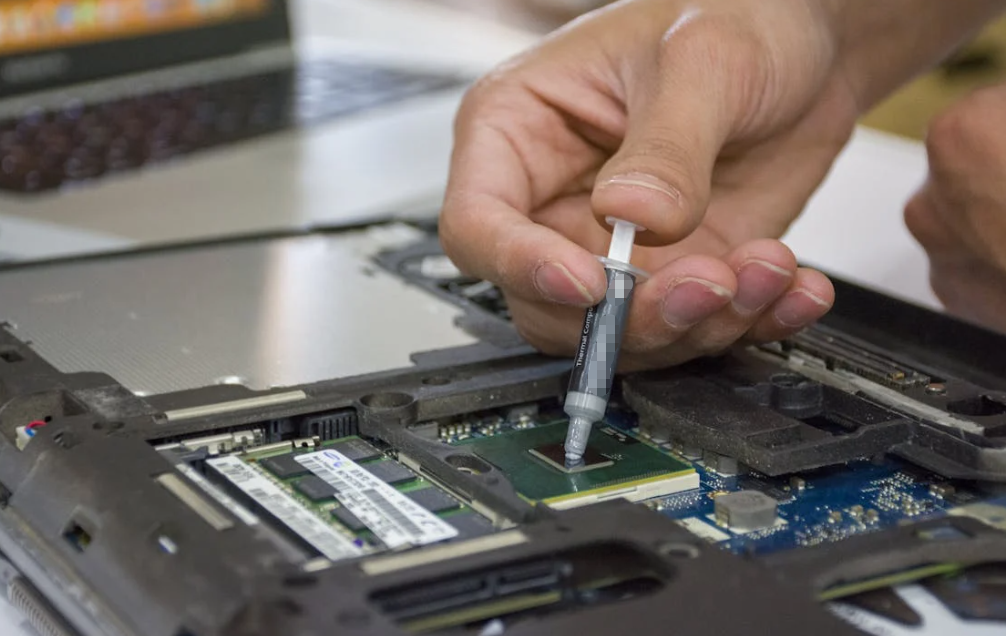
When people hear the phrase “thermal grease,” they usually picture a gaming PC, a hot-running CPU, or a graphics card under heavy load. Yet thermal grease — also called thermal paste or thermal compound — quietly exists in far more places than most users realize. It appears in LED lighting systems, industrial power modules, automotive electronics, telecom infrastructure, and even medical devices.
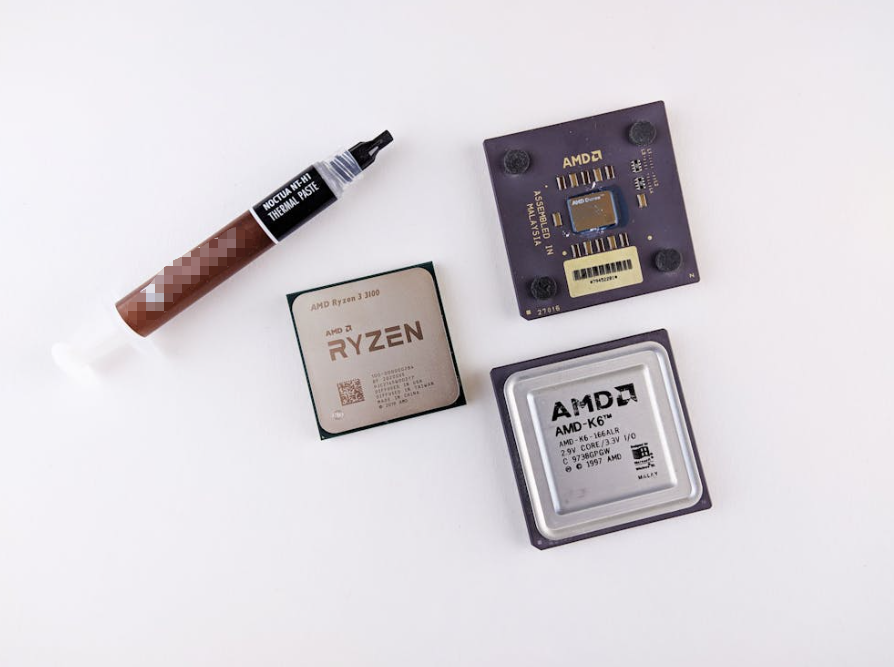
Still, an important question remains:
Does every electronic device actually need thermal grease?
The short answer is no. But the longer answer is where things get interesting.
Modern electronics generate heat in wildly different ways. Some devices barely warm up. Others operate at temperatures high enough to shorten component lifespan dramatically if thermal management is poor. In those systems, thermal grease becomes more than a maintenance material — it becomes part of the device’s reliability strategy.
For manufacturers, engineers, and system designers, understanding when thermal grease is necessary — and when it is not — can improve performance, reduce failure rates, and lower long-term operating costs.
Understanding What Thermal Grease Actually Does
Thermal grease is a thermally conductive interface material (TIM) placed between a heat-generating component and a cooling surface, typically a heat sink. Its role is deceptively simple: eliminate microscopic air gaps that block efficient heat transfer.
Even surfaces that appear perfectly smooth under normal lighting contain tiny valleys and peaks at the microscopic level. When two metal surfaces meet directly, small pockets of air remain trapped between them. Air is a very poor thermal conductor. Thermal grease replaces that trapped air with conductive material, allowing heat to move more efficiently from the electronic component to the cooling system.
Without a proper thermal interface, heat accumulates. As temperatures rise, several things can happen:
- Processor throttling
- Reduced electrical efficiency
- Signal instability
- Accelerated material aging
- Solder fatigue
- Premature component failure
In high-density electronics, thermal control is no longer optional. Academic studies on processor thermal management have shown that excessive temperatures directly impact performance stability and system longevity.
That said, not every electronic product reaches thermal conditions severe enough to require grease.
Electronics That Absolutely Need Thermal Grease
CPUs and GPUs
This is the most obvious category.
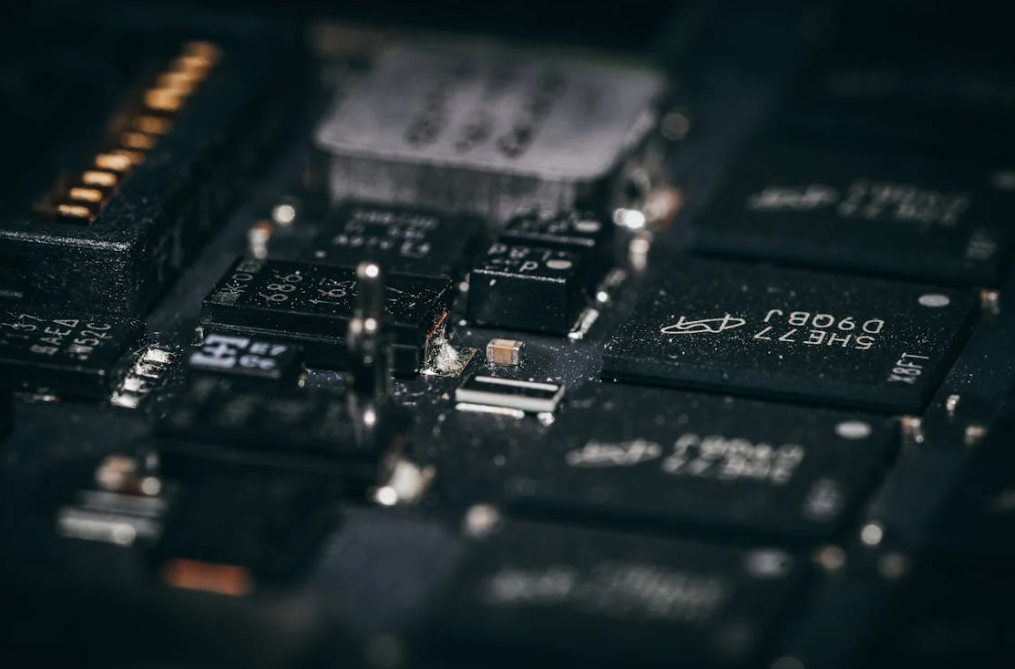
Modern CPUs and GPUs contain billions of transistors packed into extremely small spaces. High-performance processors can generate enormous heat densities during operation, especially in gaming systems, AI servers, workstations, and industrial computing equipment.
Intel explains that thermal paste is essential between the processor and cooler because the mating surfaces are not perfectly flat. Without a thermal interface material, cooling efficiency drops significantly.
The same principle applies to GPUs. Interestingly, many consumers assume graphics cards do not use thermal grease simply because they never install it themselves. In reality, GPUs almost always include factory-applied thermal compounds beneath the cooling assembly.
High-end GPUs create especially challenging thermal conditions because of concentrated heat loads and sustained power draw. Community discussions among PC technicians and enthusiasts frequently note that aging thermal grease can contribute to rising hotspot temperatures and cooling instability over time.
In short:
For CPUs and GPUs, thermal grease is not optional. It is fundamental.
Power Electronics
Industrial power systems often rely heavily on thermal interface materials.
Examples include:
- IGBTs
- MOSFET modules
- Inverters
- Power converters
- Motor drives
- EV charging systems
- Renewable energy equipment
These devices handle high currents and produce substantial heat. Unlike consumer electronics, industrial systems may run continuously for years under demanding environmental conditions.
In these applications, thermal grease helps maintain stable junction temperatures while protecting sensitive semiconductor materials from thermal stress.
A poorly managed thermal interface can cause localized overheating, leading to reduced efficiency or catastrophic failure.
LED Lighting Systems
LEDs are far more thermally sensitive than many people realize.
An LED converts only part of its energy into visible light. The remaining energy becomes heat. If that heat is not dissipated efficiently, several problems emerge:
- Reduced brightness
- Color shifting
- Shortened lifespan
- Driver instability
That is why high-power LED systems often use thermal grease or thermal pads between the LED module and heat sink.
Commercial lighting manufacturers increasingly treat thermal design as a critical engineering priority, especially in outdoor lighting, automotive LEDs, UV systems, and industrial illumination products.
Telecommunications Equipment
Telecom infrastructure generates constant heat around the clock.
Base stations, routers, switches, and 5G equipment frequently operate in harsh outdoor environments while maintaining high data throughput.
Thermal grease helps stabilize temperatures inside densely packed communication hardware where airflow alone may not be sufficient.
As data transmission demands increase globally, thermal management has become one of the hidden challenges behind modern network reliability.
Automotive Electronics
Vehicles today contain far more electronics than they did even ten years ago.
Advanced driver assistance systems, battery management systems, infotainment modules, onboard computers, and EV power systems all generate heat.
Electric vehicles especially rely on advanced thermal management strategies because battery systems and power electronics operate within strict temperature windows.
Thermal grease is widely used in automotive electronics to improve heat transfer and support long-term reliability under vibration and temperature cycling conditions.
Electronics That May Not Need Thermal Grease

Now comes the other side of the discussion.
Not every electronic device requires thermal grease.
Low-Power Consumer Devices
Simple electronics with minimal heat generation often operate perfectly well without thermal interface materials.
Examples include:
- TV remotes
- Wireless keyboards
- Basic calculators
- Small battery-powered toys
- Simple sensors
- Entry-level digital clocks
These products consume very little power and generate negligible heat during operation.
Adding thermal grease would provide little practical benefit.
Devices Using Alternative Thermal Interfaces
Some products use thermal pads instead of grease.
Thermal pads are solid materials designed to bridge gaps between components and cooling surfaces. They are cleaner, easier to automate during manufacturing, and useful for uneven surfaces. However, they usually offer lower thermal performance compared to premium thermal grease.
Manufacturers often choose thermal pads when:
- Simpler assembly is needed
- Electrical insulation is important
- Gap sizes vary
- Maintenance access is limited
In compact electronics, pads may be more practical than grease despite lower conductivity.
Passive Cooling Designs
Some electronics are intentionally engineered for low thermal output.
Aluminum chassis designs, low-power chip architectures, and optimized airflow can eliminate the need for additional thermal interface materials in certain products.
Smartphones, for example, often rely on graphite films, vapor chambers, copper spreaders, or engineered internal structures rather than traditional thermal grease.
Thermal management still exists — just in different forms.
Why Heat Matters More Than Ever
Electronics are becoming smaller while simultaneously becoming more powerful.
That combination creates thermal density challenges across industries.
A decade ago, many consumer devices operated comfortably within wide thermal margins. Today, compact AI processors, high-frequency communication modules, and advanced GPUs push thermal engineering close to physical limits.
Research on processor architecture repeatedly demonstrates how thermal constraints influence performance, scheduling behavior, and power management.
Heat affects nearly every aspect of electronics:
- Performance
- Reliability
- Energy efficiency
- Lifespan
- Safety
- Acoustic noise
- Battery performance
In practical terms, excessive heat accelerates material degradation.
Capacitors dry out faster.
Solder joints fatigue.
Semiconductor leakage increases.
Mechanical stress builds during repeated heating and cooling cycles.
Over time, thermal stress becomes one of the leading causes of electronics failure.
That is precisely why thermal interface materials continue evolving.
The Evolution of Thermal Interface Materials

Traditional silicone-based thermal grease still dominates many applications, but the market is changing rapidly.
Today’s thermal management industry includes:
- Ceramic-filled compounds
- Carbon-based TIMs
- Graphene-enhanced materials
- Phase-change materials (PCM)
- Liquid metal compounds
- Hybrid thermal gels
Each material type offers different trade-offs involving:
- Thermal conductivity
- Electrical insulation
- Pump-out resistance
- Viscosity
- Longevity
- Manufacturing compatibility
Industry discussions increasingly focus on long-term stability rather than conductivity numbers alone. For example, some technicians now prefer phase-change materials in demanding GPU applications because traditional grease can degrade or migrate over time under repeated thermal cycling.
This is especially important in:
- AI servers
- Automotive systems
- Aerospace electronics
- High-frequency telecom hardware
- Industrial automation
Reliability expectations continue rising, and thermal materials must keep pace.
Common Misconceptions About Thermal Grease
“More Thermal Grease Means Better Cooling”
Actually, excessive grease can reduce cooling efficiency.
Thermal grease is designed to fill microscopic imperfections — not create a thick barrier layer.
Too much compound may increase thermal resistance instead of lowering it.
The goal is thin, uniform coverage.
“Thermal Grease Lasts Forever”
Not always.
Over time, some compounds dry out, separate, or experience pump-out effects caused by thermal expansion cycles.
The lifespan depends on:
- Operating temperature
- Thermal cycling frequency
- Material quality
- Mechanical pressure
- Environmental conditions
Industrial systems running continuously at elevated temperatures may require periodic maintenance.
“Only Gaming PCs Need Thermal Grease”
Gaming systems attract attention because temperatures are visible to users. But thermal grease is equally important in industrial, medical, automotive, and infrastructure applications.
In fact, many mission-critical systems rely on thermal materials far more heavily than consumer PCs do.
Choosing the Right Thermal Interface Material
Selecting the correct thermal solution depends on multiple engineering variables.
Key considerations include:
Thermal Conductivity
Higher conductivity generally improves heat transfer, but conductivity alone is not enough.
Mechanical stability matters too.
Electrical Conductivity
Some metal-based compounds conduct electricity. In sensitive electronics, electrically insulating materials are often safer.
Operating Environment
Applications exposed to vibration, humidity, or extreme temperatures require specialized formulations.
Surface Characteristics
Different mating surfaces require different interface behaviors.
Uneven gaps may favor pads or gels over traditional grease.
Long-Term Reliability
For industrial electronics, durability often matters more than peak benchmark performance.
This is where manufacturers like HakTak focus heavily — developing thermal conductive materials that balance conductivity, stability, manufacturability, and long-term reliability across demanding electronics applications.
Is Thermal Grease Becoming More Important?
In many ways, yes.
The rise of AI computing, electric vehicles, edge computing, and compact high-performance electronics has increased thermal challenges significantly.
Processors continue becoming more powerful.
Device footprints continue shrinking.
Power densities continue climbing.
That combination leaves less room for thermal inefficiency.
As a result, advanced thermal management materials are becoming critical infrastructure inside modern electronics — even though end users rarely see them.
The future of electronics performance may depend just as much on thermal engineering as semiconductor architecture itself.
When Thermal Grease Is NOT the Best Option
Despite its advantages, thermal grease is not universally ideal.
Some limitations include:
- Messy application
- Potential pump-out under thermal cycling
- Difficult automated dispensing in certain assemblies
- Risk of contamination if misapplied
- Maintenance requirements in serviceable systems
Because of these challenges, engineers sometimes prefer:
- Thermal pads
- Gap fillers
- Phase-change sheets
- Solder TIMs
- Vapor chamber systems
The “best” thermal interface depends entirely on the application.
There is no universal solution.
Conclusion
So, is thermal grease necessary for all electronics?
No — but it is essential for many of the world’s most important electronic systems.
Whenever heat density rises beyond what passive structures can safely manage, thermal interface materials become critical. CPUs, GPUs, industrial power electronics, automotive systems, telecom equipment, and high-power LEDs all rely heavily on efficient thermal transfer.
Meanwhile, low-power devices may function perfectly well without thermal grease at all.
The real engineering question is not whether thermal grease is universally necessary. It is whether the thermal load, reliability target, and operating environment demand enhanced heat transfer.
In modern electronics, that answer is increasingly becoming yes.
FAQs
What is thermal grease used for?
Thermal grease improves heat transfer between electronic components and heat sinks by filling microscopic air gaps.
Does every CPU need thermal grease?
Yes. CPUs require thermal interface material to maintain safe operating temperatures and stable performance.
Can electronics work without thermal grease?
Some low-power electronics can, but high-performance devices usually need proper thermal management.
Is thermal grease better than thermal pads?
Thermal grease often provides better thermal conductivity, while pads are cleaner and easier to install.
How often should thermal grease be replaced?
It depends on operating conditions, but high-performance systems may need replacement every few years.