
Thin-Bond-Line Thermal Interfaces
電子機器および低抵抗インターフェース向けサーマルグリース
Reduce contact resistance between processors, power modules, heat spreaders, heat sinks and cold plates with a thermal grease selected around the complete assembly. Compare bond line, wetting, clamp pressure, application process and long-term stability—not W/mK alone.

インターフェースの内部
熱伝導グリースが接触熱抵抗を低減する仕組み
一見滑らかな金属、セラミック、パッケージの表面にも、微細な山と谷があります。熱伝導グリースは閉じ込められた空気を押し出し、より連続的な熱伝導経路を形成します。ただし、目視できる機械的な隙間を埋める材料ではなく、薄い界面層として使用した場合に最も優れた性能を発揮します。.
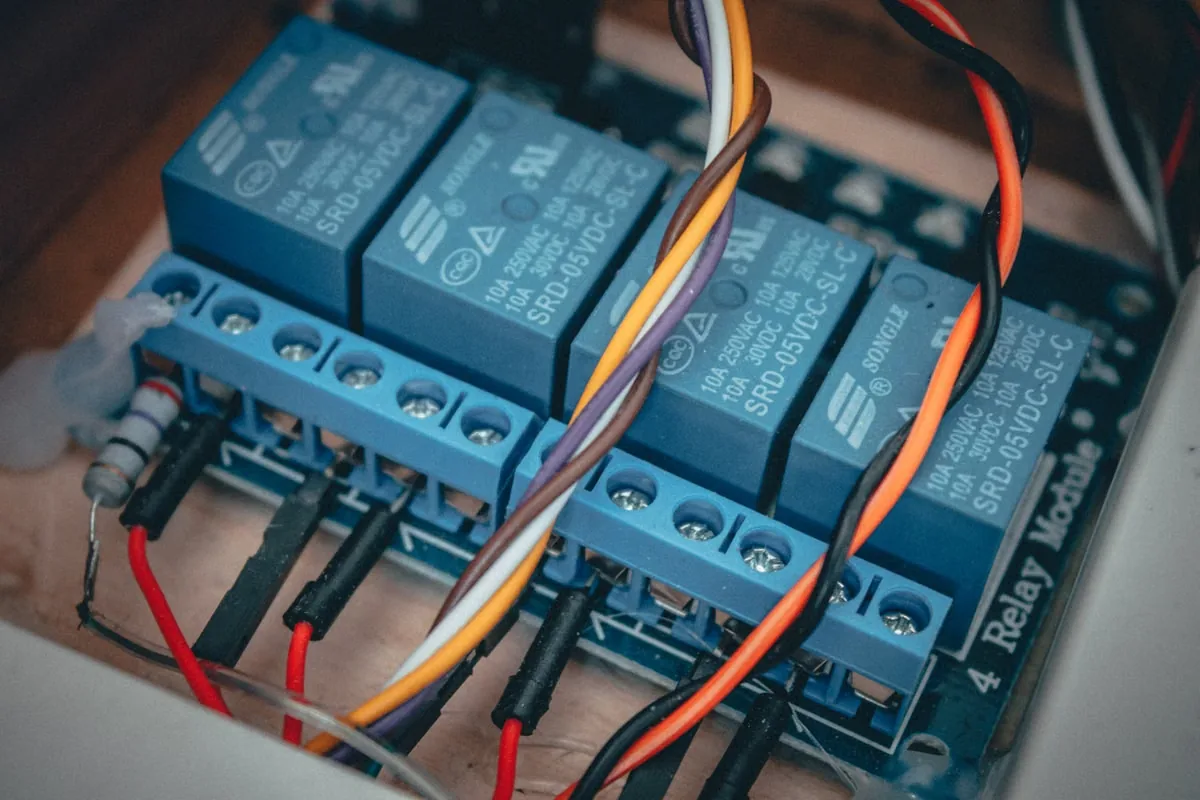
表面の凹部にある空気を置換
グリースは、固体同士を直接接触させるだけでは到達できない微細な粗さの凹部に入り込みます。良好な濡れ性により、厚い層を必要とせず、両方の界面における接触熱抵抗を低減できます。.
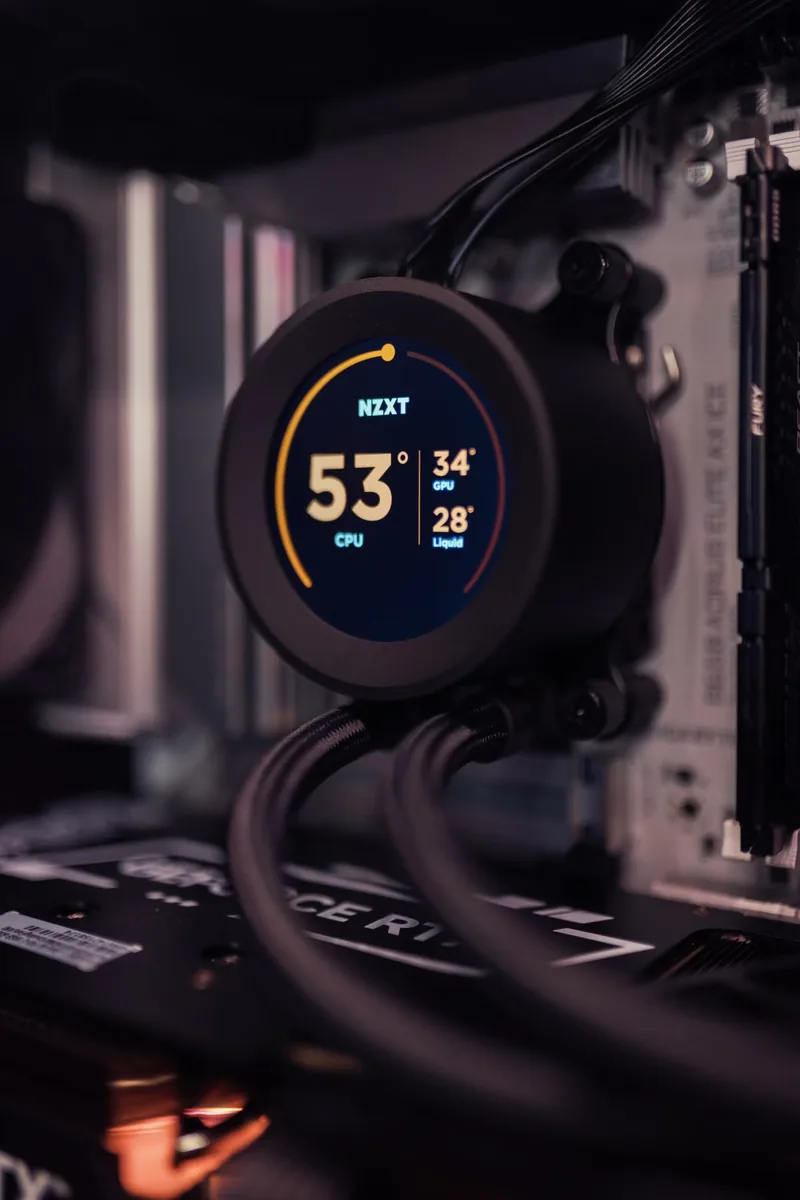
Form a Continuous Bond Line
The useful target is the thinnest complete interface the surface flatness and clamp system can maintain. Excess material lengthens the heat path and may increase migration risk.
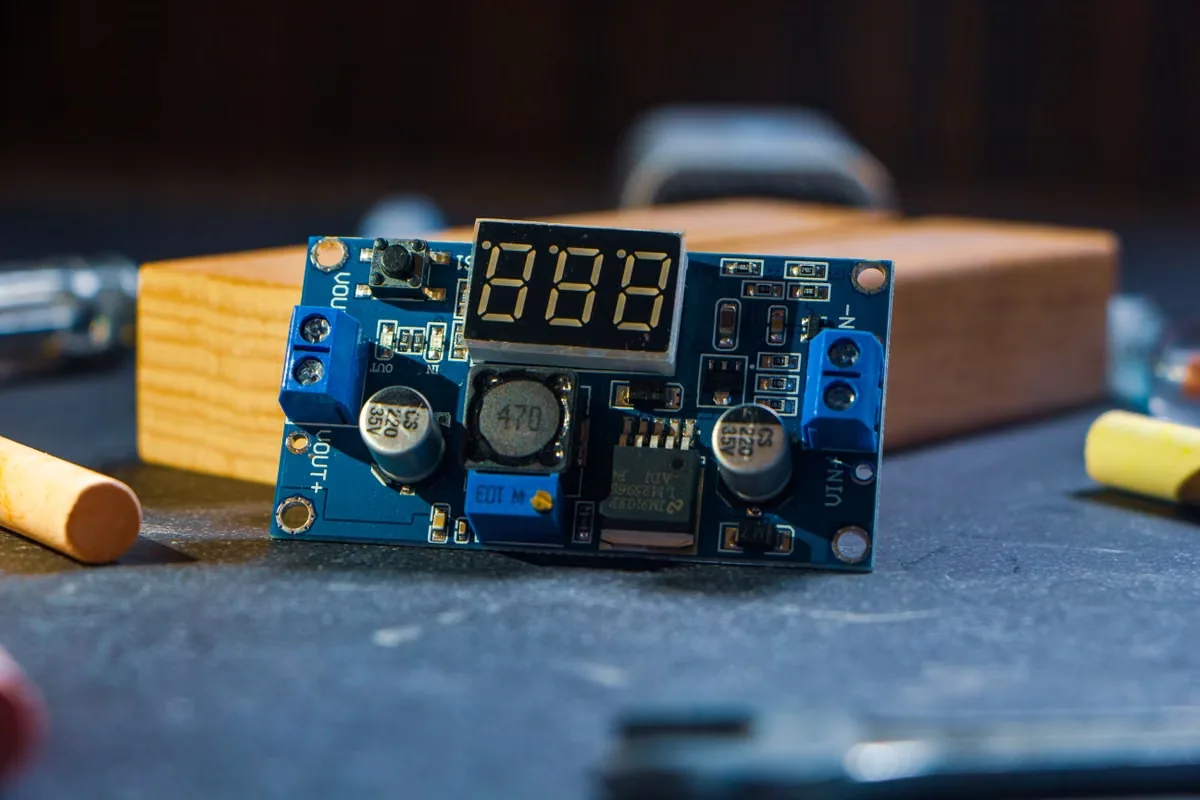
Maintain Contact Through Service
初期の濡れ広がりは始まりにすぎません. 熱サイクル, 反り, 振動, 温度およびクランプ-荷重の変化によって, 製品寿命全体にわたり被覆状態が安定して維持されるかどうかが決まります.
マテリアルファミリー
電子機器向けサーマルグリースの種類を比較
The Haktak thermal grease range has two focused starting points. Select the performance objective first, then verify the formulation in the real interface and production process.
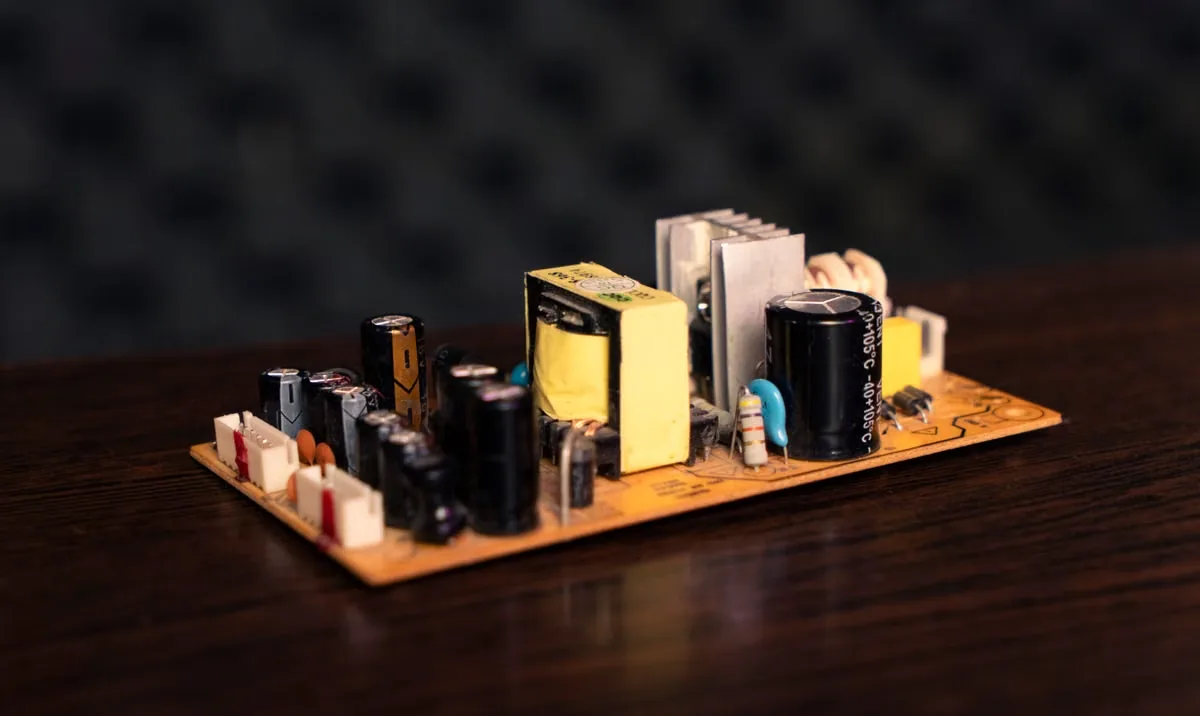 01
01低熱抵抗グリース
低い実装熱インピーダンスと保守可能な熱伝導経路を最優先する場合に, 薄く平坦でクランプされた界面を濡らします.
- 薄いボンド-ラインの形成性
- 微細表面への優れた濡れ性
- プロセッサーおよびパワーモジュールのインターフェース
 02
02シリコーンフリーの熱伝導グリース
シロキサンの移行およびシリコーン汚染を低減する必要がある、接点、光学部品、リレー、コーティング、または接着部周辺の熱を制御します。.
- シリコーン汚染に敏感なアセンブリ向け戦略
- 清浄接触および光学上の考慮事項
- 製品別のブリードおよびアウトガス検証
界面の定義
実際の組立構成に基づいて熱伝導グリースを選択
データシートだけでは、最終的な界面を定義できません。配合を比較する前に、ハードウェア、接触形状、圧力、温度、使用条件を記録してください。.
 化学名称や単独の熱伝導率の値ではなく、組み立てられた熱経路から検討を始めてください。.
熱源と冷却面
パッケージ、モジュール、リッド、ヒートスプレッダ、ヒートシンク、コールドプレートを特定し、材質、コーティング、表面仕上げも確認してください。.
平坦度、粗さ、接触面積
組立後の実際の接触面積と変形を測定します. グリースでは大きなギャップや変動するギャップを確実に補償できません.
ボンド線の太さ
ウェット状態での塗布高さではなく実装後のグリース厚さの想定最小値, 公称値, 最大値を定義します.
クランプ圧力と変位
締結具, ばね, トルク, 基板ひずみ, パッケージの脆弱性, 反り, 温度変化に伴う圧力変化を確認します.
電気的要件および清浄度要件
絶縁性、導電性エッジのリスク、近傍の接点、光学部品、リレー、コーティング、および後工程の接着作業を確認します。.
温度・信頼性プロファイル
連続使用温度およびピーク温度、電力サイクル、振動、湿度、保管条件、設置方向、サービス間隔、製品寿命を設定します。.
性能指標
熱伝導率と熱抵抗・熱インピーダンスの比較
バルク熱伝導率は有用ですが、両表面の接触状態、最終厚さ、圧力、ボイド、経時劣化は含まれません。可能な限り、同じ界面条件で候補材料を比較してください。.
熱伝導率
W/mKは、規定された方法に基づくバルクコンパウンド内の熱流を表します。方法、温度、試料調製が異なると、直接比較できない値になる場合があります。.
熱抵抗
熱抵抗は、定義された面積と厚さを通過する熱流と温度上昇を関連付けます。バルクにおける簡略化した関係式は R = t/(k × A) ですが、実際の接触部では追加の熱抵抗が生じます。.
熱インピーダンス
制御した圧力と厚さの条件で測定したインピーダンスは、熱伝導率だけの場合よりも、界面全体を適切に表せます。ただし、試験条件は実際のアセンブリに合わせる必要があります。.
コンポーネント温度
実際の電力と冷却条件におけるジャンクション温度、ケース温度、または基板温度が、最終的なシステム性能を示します。初期性能と、サイクル試験またはエージング後の経時変化を記録してください。.
同じ条件で比較する
Use the same area, substrate, surface preparation, bond line, pressure, thermal load and aging profile when comparing two materials.
アプリケーションエンジニアリング
製造工程に適合する熱伝導グリース
手作業の試験でよく広がるグリースでも、長いホース、小さなノズル、スクリーン、ステンシルを通すと挙動が異なる場合があります。供給形態、装置、塗布量、実装手順を一体で評価してください。.

手動または自動ディスペンス
容器、供給圧力、ホース、ノズル、スタンドオフ、高さ、速度、ショット量を設定します。コールドスタート、再充填、アイドル期間、停止・再起動時の再現性を検証します。.
スクリーン印刷またはステンシル印刷
メッシュまたはステンシル開口部、厚さ、スキージ条件、離型性を、目標印刷面積および乾燥不要の工程ウィンドウに合わせます。.
塗布パターンおよび塗布量
Dots, lines or printed shapes must spread across the active footprint without trapping air or flooding connectors and keep-out zones.
下地処理
Remove old compound, dust, oil and incompatible residues. Define allowed cleaners, drying time and handling to preserve wetting.
Mounting Sequence
Control alignment, closure direction, torque order, fastener load and delay between deposit and assembly to manage spread and voids.
Inspection and Traceability
Set shot-mass limits, print coverage, visual criteria, torque records, teardown sampling, lot tracking and reaction plans.
Reliability Risks
Prevent Thermal Grease Pump-Out, Dry-Out and Bleed
A grease can produce an excellent day-one temperature and still lose performance as the assembly moves or the carrier changes. Reliability testing must preserve both coverage and material condition.
Pump-Out
Repeated expansion, warpage, pressure change and vibration can shear grease away from the active hot region. Check edge buildup and center coverage after representative cycling.
Review Thermal Grease Pump-OutDry-Out and Hardening
Carrier loss, oxidation, separation or prolonged heat can reduce wetting and leave a stiff filler-rich layer. Monitor impedance and teardown condition over time.
Oil Migration
Separated carrier may move toward contacts, optics, coatings, seals or bonding areas. Evaluate actual materials, temperature, orientation and keep-out distance.
Excess Bond Line
Too much grease increases the thermal path and mobile volume. Control the applied quantity and verify compressed thickness rather than relying on appearance.
Unstable Clamp Load
Low force may leave poor wet-out, while excessive force can squeeze out material, bow boards or damage fragile packages. Validate the complete mounting system.
Silicone and Volatile Contamination
Silicone-free addresses one chemistry concern but does not automatically prove low outgassing or zero bleed. Require product-specific evidence and compatibility tests.
Understand Low-Outgassing Greaseフォーマットの比較
Thermal Grease vs. Pads, Gap Fillers and Phase Change TIMs
No material format is universally best. Choose the format that can control the real gap, pressure, handling, production volume, service and lifetime movement.
| 素材フォーマット | ベストフィット・インターフェース | 主な利点 | デザインの着眼点 |
|---|---|---|---|
| 熱伝導グリス | Very thin, flat and clamped interfaces | Excellent wetting, low bond-line potential and serviceability | Application volume, pump-out, dry-out, bleed and cleanliness |
| 熱伝導パッド | Defined or moderately variable gaps | Controlled thickness, clean placement and die-cut geometry | Compression force, tolerance, hardness and contact quality |
| 液体ギャップフィラー | Larger variable gaps and mixed component heights | Low-stress conformance and scalable selective dispensing | Bead, slump, cure/set behavior, voids and rework |
| 相変化TIM | Thin clamped interfaces needing cleaner handling | Solid placement or pre-application with heat-activated wetting | Activation temperature, pressure, cycling and residue |
| サーマルアドヘシブ | Thermal path also requiring mechanical attachment | 接合と熱伝導を一つの工程で | Cure, modulus, stress, durability and disassembly |
アプリケーション市場
Thermal Grease for High-Demand Electronics
Each market changes heat flux, flatness, mounting, electrical exposure, contamination sensitivity and reliability. Use the application as a screening input—not as proof that one grease fits every design.

EV Batteries and Energy Storage
Support BMS, converters, charging electronics and flat module-to-cooler interfaces under cycling, vibration and long service requirements.
Explore EV Battery Materials
データセンターとAIサーバー
Wet processor, accelerator and cold-plate interfaces where heat flux, mounting uniformity, service and cycling stability matter.
Explore AI Server Cooling
車載電子機器
Manage heat in ECUs, ADAS, infotainment and charging hardware through shock, vibration, temperature cycling and qualification.
自動車電子機器の探索
LED照明
Connect MCPCBs, LED modules and driver heat sources to aluminum housings while controlling volume, optical cleanliness and long-temperature exposure.
Explore LED Lighting
産業用電子機器
Cool drives, PLCs, power supplies and control hardware where serviceable assembly and rugged field reliability are important.
Explore Industrial Electronics
家電製品
Support compact processors, graphics devices and power components with controlled deposits, low profile and planned service or rework.
Explore Consumer Electronics検証計画
Validate Thermal Grease in the Finished Assembly
Reproduce the final substrates, area, deposit, bond line, mounting sequence, clamp system, heat load and reliability profile. Measure both the initial result and its change after exposure.
試作サンプルを依頼するInitial Thermal Result
Measure impedance or component temperature at the target power, cooling condition, bond line and pressure.
Coverage and Bond Line
分解調査または適切な画像観察により、濡れ広がり、ボイド、端部のはみ出し、有効接触面積、厚さを確認します。.
塗布再現性
吐出量、印刷形状、配置、表面処理、トルク、および作業者や装置によるばらつきを追跡します。.
熱サイクルおよび電力サイクル
熱ドリフトとサイクル後の被覆状態を監視しながら、CTEの移動、反り、圧力変化に対する耐性を評価します。.
ブリード、揮発性、エージング
Inspect nearby sensitive areas and the remaining bond line after high-temperature storage and representative orientation.
Electrical and Material Compatibility
Confirm insulation or conductivity requirements, corrosion, coatings, plastics, seals, cleaners and optical surfaces.
試作から量産へ
Scale Thermal Grease With a Controlled Process Window
Use representative hardware to screen materials, then transfer the selected grease into the intended package, equipment and mounting process with documented acceptance limits.
Screen by the Real Interface
Compare grease family, wetting, impedance, cleanliness and aging on representative surfaces and clamp hardware.
Develop the Application Window
Challenge temperature, deposit volume, speed, pressure, print settings, assembly delay and mounting sequence.
Select Production Packaging
Match syringe, cartridge, jar, pail or custom package with storage, filler stability, line handling and annual volume.
Release With Change Control
Lock the material revision, package, process, inspection, approved substitutions and requalification triggers.
Selection Mistakes
Avoid Common Thermal Grease Specification Errors
The largest errors usually come from treating grease as an isolated material instead of one part of the thermal and mechanical assembly.
Choosing Only by W/mK
A high conductivity value cannot compensate for a thick bond line, poor wetting, voids or unstable contact.
Using Grease to Fill a Large Gap
Visible or variable gaps usually need a pad, putty or liquid gap filler designed for tolerance compensation.
Applying More Than the Interface Needs
Excess volume increases thickness, squeeze-out and mobile material without guaranteeing better coverage.
Ignoring Flatness and Clamp Load
Uneven or changing pressure can leave dry areas, damage hardware or accelerate material movement.
Treating Silicone-Free as Complete Proof
Silicone-free does not automatically establish low outgassing, no bleed, electrical safety or compatibility.
Qualifying Only the Initial Temperature
Repeat thermal measurements after cycling and aging, then inspect the interface to understand any change.
エンジニアリングリソース
Thermal Grease Design and Reliability Guides
Use focused technical resources for questions that need more depth than a parent category page should carry.
How Thermal Grease Works and How to Apply It
Review surface preparation, deposit control, mounting and practical application fundamentals.
Read the Application GuideThermal Grease for Power Modules
Connect IGBT, MOSFET and inverter interface design with impedance, clamp pressure and reliability.
Read the Power Module GuideWhite vs. Gray Thermal Grease
Understand why color may reflect formulation but should never replace measured performance data.
Compare White and Gray GreaseBrowse Thermal Interface Materials
Place grease within the wider choice of pads, gels, phase-change and bonding materials.
Explore Thermal Interface MaterialsBrowse Electronics Application Markets
Start with the device, heat source, assembly, environment and production constraints of the target system.
Explore Application MarketsBuild a Custom Material Brief
Connect formulation targets, samples, packaging and process support with the real production need.
カスタム配合を調べるよくあるご質問
Thermal Grease FAQ
Final material selection should always be verified with the actual surfaces, bond line, pressure, process and reliability conditions.
サーマルグリースとは?
Thermal grease is a non-curing or paste-like thermal interface compound that fills microscopic air gaps between a heat source and a cooling surface. It improves contact in thin, clamped interfaces but is not intended to bridge a large structural gap.
Is thermal grease the same as thermal paste?
The terms are commonly used interchangeably. Thermal compound and heat sink compound can also describe similar materials. For industrial selection, rely on the exact formulation, test data and intended application rather than the name alone.
熱伝導率は高ければ高いほど常に良いのでしょうか?
No. Final temperature also depends on bond line thickness, surface contact, clamp pressure, voids and stability after aging. Compare installed impedance or system temperature under equivalent conditions.
How thick should thermal grease be?
Use the thinnest complete bond line that wets the active area and remains continuous across the actual flatness and pressure distribution. The correct target must be established with the assembly.
サーマルグリースは、どのような場合にパッドの代わりに使用すべきですか?
Use grease for very thin, reasonably flat and mechanically clamped interfaces. Use a thermal pad when the gap is defined but larger, when tolerance compensation is needed or when clean pre-formed placement is preferred.
Does thermal grease cure?
Many thermal greases remain paste-like and do not cure. Some adjacent compounds may set or cure, so confirm the exact product behavior. A curing material changes rework, stress and reliability considerations.
Can thermal grease pump out?
Yes. Thermal cycling, warpage, vibration and clamp-load change can move grease away from the active region. Test thermal drift and inspect coverage after representative cycling.
When is silicone-free thermal grease needed?
Consider it near optics, relays, contacts, coatings, sensors or downstream bonding where siloxane migration or silicone contamination could affect function. Silicone-free still requires product-specific bleed, outgassing and compatibility data.
Can thermal grease be automatically dispensed or printed?
Yes, depending on rheology and filler behavior. Qualify the package, pump, nozzle, screen or stencil, deposit geometry, repeatability, surface preparation and mounting process together.
ハクタックがおすすめをするためには、どのような情報が必要ですか?
Share the heat source, cooler, contact area, surface finish, flatness, bond-line target, clamp load, temperature, voltage, application method, package, reliability profile, sample quantity and annual volume.
インターフェースから始めよう
Send the Bond Line, Clamp, Process and Reliability Profile
Haktak can help compare low-resistance and silicone-free thermal grease, application behavior, packaging and validation options for electronics prototypes and production.