
Dispensable Thermal Gap Filling
Liquid Gap Fillers for Electronics and Automated Thermal Dispensing
Fill uneven component-to-housing gaps with a soft, dispensable thermal interface that wets complex topography, reduces assembly stress and supports scalable production. Select the material together with the gap, bead, equipment, cure and reliability window—not from W/mK alone.
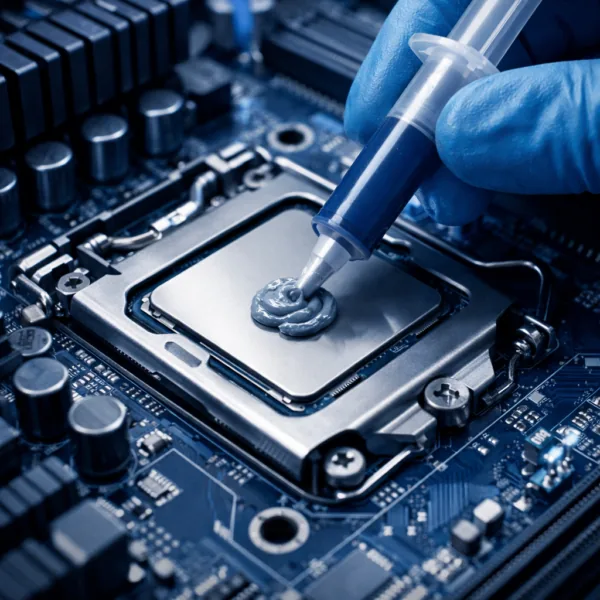
Inside the Interface
How Liquid Gap Fillers Close Uneven Thermal Interfaces
Liquid gap filler is a dispensable thermal interface material used where component heights, casting flatness or assembly tolerance make direct contact unreliable. It replaces insulating air while conforming at far lower force than many solid alternatives.
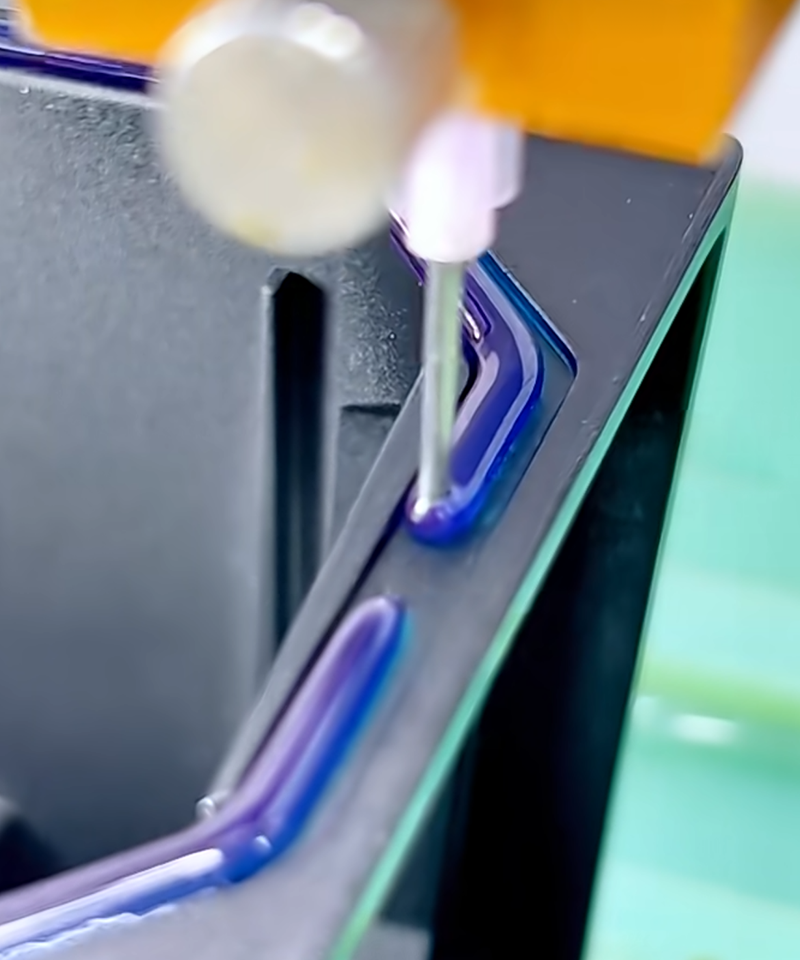
Replace Air Across Variable Gaps
The material flows into height variation, surface texture and local voids that a fixed-thickness part may not cover consistently. Final bead volume and compressed bond line determine how much gap is actually filled.

Place Material Only Where the Heat Path Needs It
Dots, lines, spirals or programmed paths can cover mixed components without stocking many pad shapes. The process must control shot size, location, wetting and overflow margin.

Reduce Stress on Fragile Components
Soft gel can spread under light assembly pressure, limiting load on packages, solder joints, boards, cells and uneven modules while maintaining useful thermal contact.
マテリアルファミリー
Compare Liquid Gap Filler Types for Electronics
The five Haktak material families address different combinations of heat transfer, process simplicity, cure stability, reworkability and cleanliness. Compare their characteristics to identify the most suitable material type for your application.
 01
01熱伝導性ギャップフィラー
Bridge variable interfaces between electronics, modules, housings and cooling structures with a soft thermal path selected around real thickness and reliability.
- General thermal gap filling
- Liquid, gel or adjacent format comparison
- Application-led property matching
 02
02サーマルパテ
Use a soft, moldable or dispensable material for uneven gaps, serviceable hardware and interfaces where low stress and reworkability are priorities.
- Moldable or dispensable placement
- Variable gap accommodation
- Repair and service workflows
 03
031液性サーマルゲル
Start with a pre-mixed 1K material when the line needs controlled dispensing without two-part metering, mixing or pot-life management.
- オンライン混合比なし
- 手動または自動調剤
- Potentially reworkable interface
 04
04後硬化型サーマルゲル
Dispense and wet the interface, then cure to a soft final form when vertical stability, vibration resistance or long-term shape control matters.
- Cure-controlled final interface
- Mix, open-time and cure validation
- Stable service geometry
 05
05シリコーンフリーの冷却ジェル
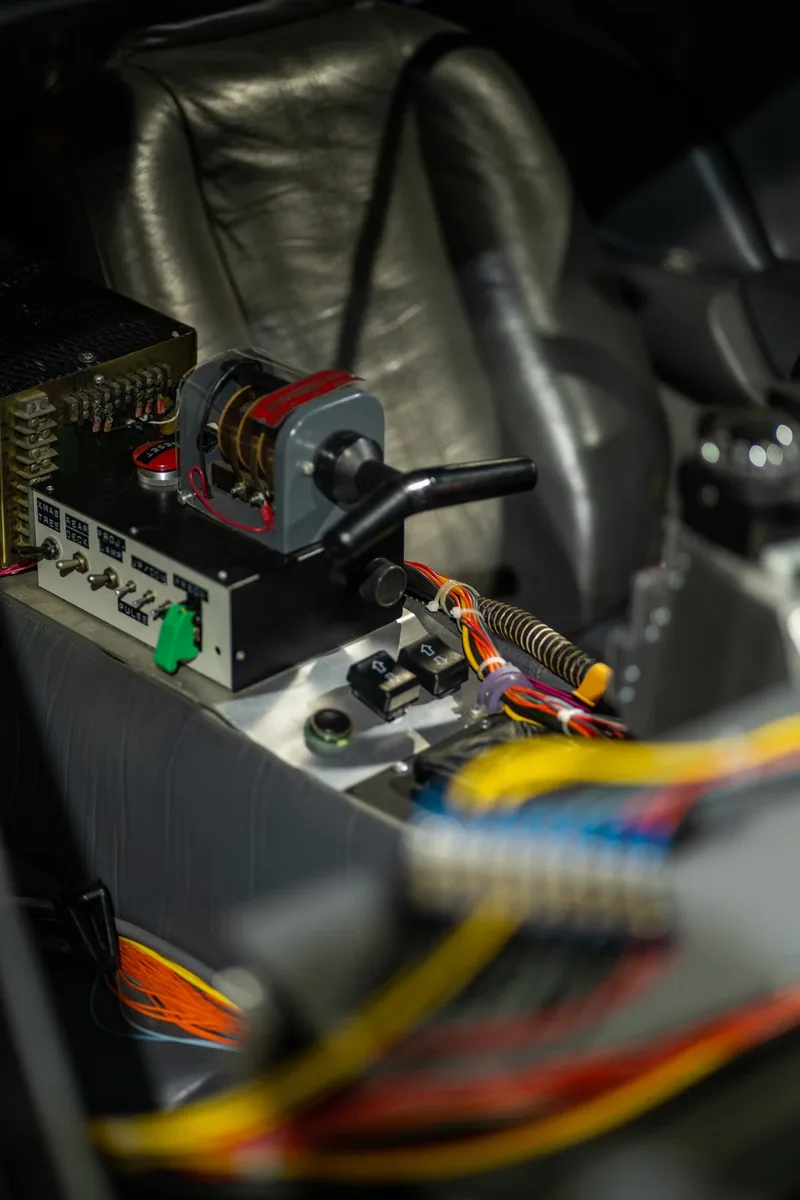
Control heat near cameras, optics, contacts, coatings or downstream bonding where silicone migration, oil bleed or fogging risk must be reduced.
- Silicone-sensitive environments
- Clean-contact design strategy
- Compatibility testing required
Material Decision
Choose 1K, Post-Curing or Reworkable Thermal Gel
The best chemistry is the one that fits storage, dispensing, assembly delay, final stability, service and reliability—not the one that appears simplest in a sample syringe.
Use 1K Gel for Process Simplicity
Avoid meter-mix control and pot life when ready-to-dispense packaging, controlled bead placement and soft contact are the priority.
Use Post-Curing Gel for Shape Stability
Choose a cure-controlled system when the final material must better resist vertical movement, vibration or long exposure after wetting the interface.
Use Putty for Moldability and Service
Consider a soft putty when technicians need to shape, replace or rework the interface around irregular hardware.
Use Silicone-Free Gel Near Sensitive Surfaces
Review non-silicone chemistry near optics, contacts, coatings, relays and bonding zones where migration may affect function.
Customize Around the Process Window
Balance conductivity, viscosity, slump, softness, dielectric behavior, cure and package format around the actual line.
Bond Line and Rheology
Select Liquid Gap Filler by the Final Interface
Bulk conductivity is only one input. Final device temperature also depends on gap, bead volume, wetting, compressed thickness, contact area and the material that remains after assembly and aging.
 Evaluate the dispensed and assembled interface—not an isolated material number.
Minimum, Nominal and Maximum Gap
Measure the real stack after board, component, housing, fastener and casting tolerances are included.
Bead Volume and Compressed Thickness
Connect shot size and pattern to the final spread area, bond line and overflow margin rather than dispensing by appearance.
Viscosity, Yield and Slump
Material must leave the nozzle at production speed, hold its intended shape before closure and spread under the available pressure.
Thermal Impedance and Contact
Test heat transfer at the real thickness and interface pressure. Higher W/mK cannot rescue a thick bond line or trapped void.
Dielectric and Cleanliness Needs
Consider voltage, conductive edges, contamination-sensitive surfaces, outgassing, oil bleed and cleaning compatibility.
Aging and Mechanical Movement
Check thermal cycling, vibration, shock, pump-out, cracking, cure stability and movement between materials with different CTE.
フォーマットの比較
Liquid Gap Filler vs. Thermal Pads, Grease and Adhesives
Material form changes thickness control, pressure, equipment, handling, rework and reliability. Compare the complete production method before replacing one TIM with another.
| 素材フォーマット | ベストフィット・インターフェース | 主な利点 | デザインの着眼点 |
|---|---|---|---|
| 液体ギャップフィラー | Variable gaps, mixed heights and complex surfaces | Low stress, selective volume and scalable dispensing | Rheology, bead, voids, slump, cure and rework |
| 熱伝導パッド | Defined gaps and placement-ready shapes | Controlled thickness, clean handling and no liquid process | Compression, hardness, tolerance and part inventory |
| 熱伝導グリス | Very thin, flat and clamped interfaces | Low bond line and strong microscopic wetting | Pump-out, drying, volume and service cleanliness |
| サーマルパティ | Irregular, reworkable or service-focused interfaces | Moldability and low-pressure conformance | Placement repeatability, residue and long-term movement |
| サーマルアドヘシブ | Interface also requiring mechanical attachment | 接合と熱伝導を一つの工程で | Cure, modulus, bond strength and disassembly |
Dispensing Engineering
Engineer the Thermal Gel Dispensing Process
A material that works in a hand syringe may behave differently through production hose length, pump shear, nozzle restriction, temperature, stop-start cycles and takt time. Qualify the material and equipment together.

Package and Feed
Match syringe, cartridge, pail or bulk supply with storage, filler stability, air removal and line-side handling.
Pump and Material Rheology
Confirm pressure, flow, shear, refill behavior and material recovery with pneumatic, screw or positive-displacement equipment.
Nozzle and Shot Control
Set tip geometry, stand-off, speed, start/stop behavior and shot volume around the real bead target.
Bead Pattern and Wetting
Design dots, lines, spirals or paths that spread across the useful contact area without trapping air or flooding keep-out zones.
Assembly Delay and Slump
Check bead shape after the maximum open delay, vertical orientation, vibration and any pre-cure movement before closure.
Inspection and Traceability
Define volume verification, vision limits, missing-shot detection, cure evidence, lot control and reaction plans.
Two-Part Control
Control Mixing, Pot Life and Cure for Post-Curing Gap Fillers
Two-part materials can combine excellent wetting during assembly with soft final stability. Their performance depends on accurate metering, mixing, air control and complete cure through the actual dispensed volume.
Maintain the Mix Ratio
Track pump balance, cartridge condition, pressure and start-up material so both components enter the static mixer consistently.
Confirm Homogeneity
Mixer geometry, flow rate and viscosity balance affect streaking, cure uniformity and final mechanical behavior.
Prevent Entrapped Voids
Manage cartridge loading, pail change, purge, hose connections, nozzle position and bead intersection to reduce air.
Respect Pot Life and Open Time
Define how long mixed material can remain in the system and how long the dispensed bead can wait before assembly.
Verify the Real Cure Profile
Temperature, material volume, heat-sink mass and enclosure geometry can make the actual cure different from a thin lab sample.
Lock the Production Window
Document storage, warm-up, purge, dispense, assembly, cure, inspection and acceptable rework before release.
アプリケーション市場
Liquid Gap Fillers for High-Demand Electronics
Each market changes the required combination of gap, stress, voltage, environment, dispensing speed and lifetime stability.

EV Batteries and Energy Storage
Fill cell, module, BMS, tray and cold-plate variation while controlling stress, dielectric safety, vibration and production volume.
Explore EV Battery Materials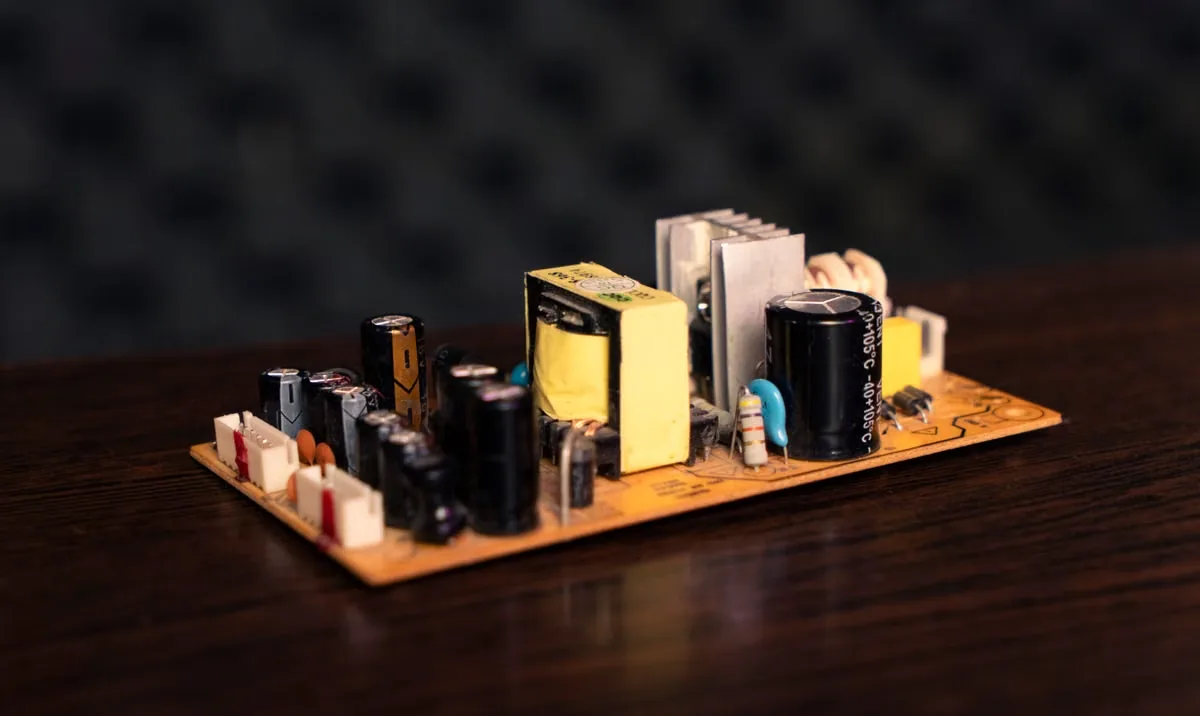
Power Electronics and Inverters
Connect MOSFETs, IGBTs, inductors, converters and boards to heat sinks or metal housings across mixed heights.
パワーエレクトロニクスを探索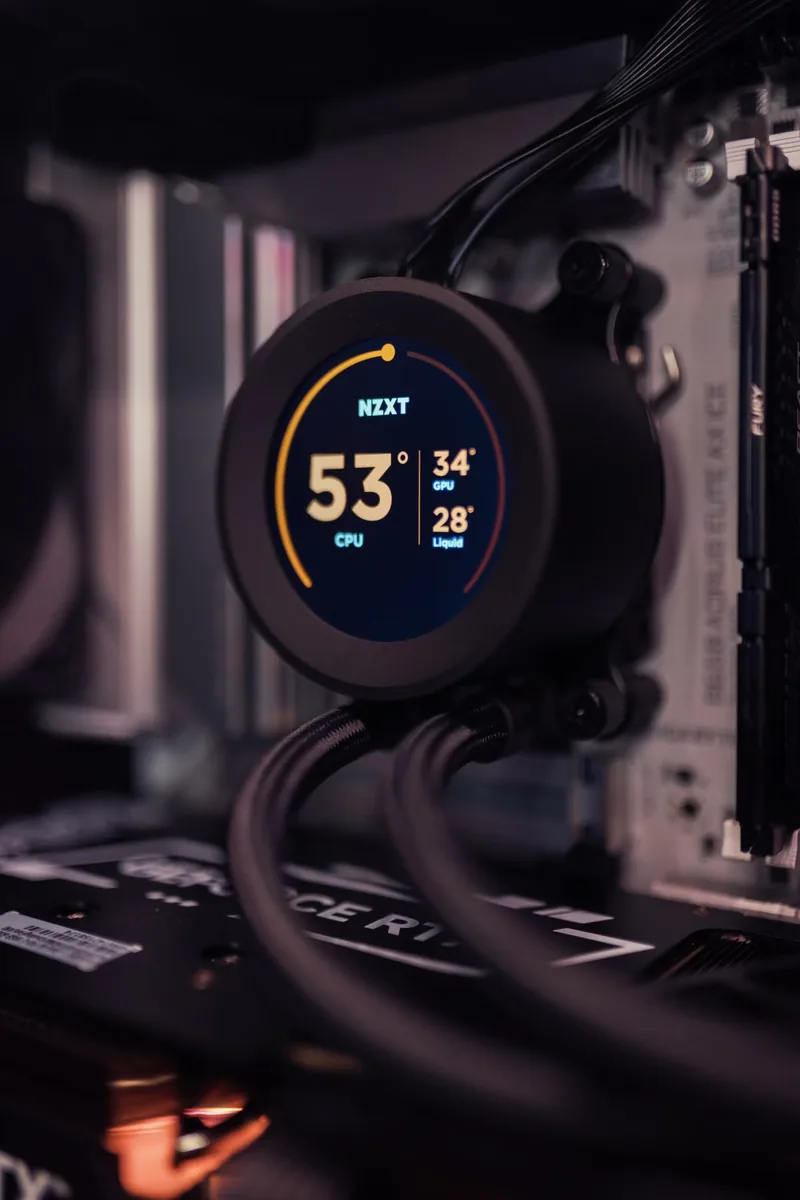
Data Centers and AI Servers
Bridge HBM, memory, VRM, controller and cold-plate gaps with repeatable volume and service-aware cooling.
Explore AI Server Cooling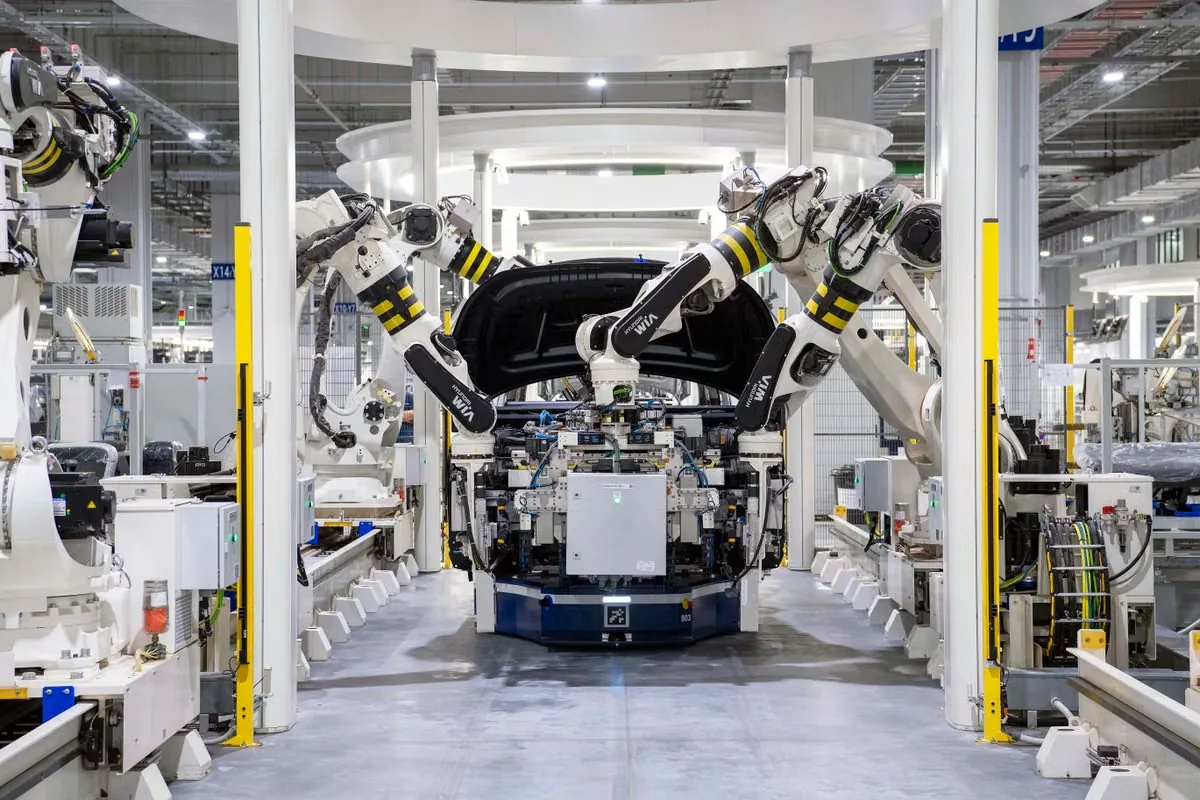
Automotive ECUs, ADAS and Charging
Support cameras, control units and power modules through shock, vibration, thermal cycling and long qualification programs.
自動車電子機器の探索
Telecom and Outdoor Equipment
Conform across radios, amplifiers, network modules and weatherproof housings under cycling and long field service.
Explore Telecom and 5G
LED and Industrial Control Assemblies
Fill driver, board and housing variation while supporting long operating life, dielectric needs and automated placement.
Explore LED Lighting未然防止
Prevent Liquid Gap Filler Process Failures
A material can meet its data sheet and still fail when bead geometry, equipment, assembly timing or reliability conditions are uncontrolled.
Underfill, Voids and Dry Contact
Too little volume, poor pattern design or premature contact can leave air in the useful thermal footprint.
Excess Gel and Keep-Out Contamination
Too much material or insufficient escape space can flood connectors, optics, vents, contacts or bonding areas.
Slump Before Assembly Closure
A bead can move during delay or vertical handling, changing coverage before the housing reaches final position.
Nozzle Blockage and Shot Drift
Filler, cure, temperature, idle time and pressure variation can change shot mass or stop the process.
Pump-Out, Separation and Aging
Thermal cycling and movement can alter contact, while filler settling or oil bleed can change material behavior.
Undefined Rework and Cleaning
Residue, cured material and access limitations should be evaluated before production rather than after field repair.
Validation and Brief
Validate Liquid Gap Filler in the Finished Assembly
Material qualification should reproduce the final surfaces, gap distribution, bead path, equipment, assembly delay, cure, orientation and reliability profile.
Explore Material Selection and TestingThermal and Bond-Line Result
Measure device temperature or impedance at final spread area and thickness before and after aging.
Dispensing Repeatability
Track shot mass, bead dimensions, placement, tailing, air, refill behavior and stop-start stability.
機械信頼性
Run cycling, vibration, shock, housing movement and long-term orientation to reveal contact loss.
Electrical and Chemical Fit
Confirm dielectric behavior, surface compatibility, oil bleed, outgassing and nearby sensitive zones.
Cure and Process Window
Validate mix, pot life, assembly delay, cure through volume, handling strength and inspection evidence.
Rework and Production Yield
Define cleaning, replacement, residue, inspection limits, failure reaction and acceptable line yield.
試作から量産へ
Scale Liquid Gap Filler With a Controlled Process Window
Begin with representative materials and a clear stack-up, then transfer the selected gel into production equipment through measured trials and documented acceptance criteria.
Screen Materials by the Real Gap
Compare family, rheology, cure, cleanliness and final thermal result using representative hardware.
Run Equipment Trials
Confirm package, pump, hose, nozzle, bead and cycle time with production-relevant settings.
Build a Process DOE
Challenge volume, speed, pressure, delay, temperature and assembly tolerance to find a stable window.
Release With Change Control
Lock material, package, storage, dispense, cure, inspection and approved substitutions after qualification.
エンジニアリングリソース
Liquid Gap Filler Design and Testing Guides
Explore these technical resources for deeper guidance on liquid gap filler selection, thermal performance, material testing and electronic cooling applications.
サーマルギャップフィラーとは何ですか?
Review the basic material forms, benefits, limitations and electronic cooling use cases.
Read the Thermal Gap Filler GuideUnderstanding Low-Modulus Thermal Gel
Learn why softness and force matter around fragile boards, components and tolerance-sensitive assemblies.
Review Low-Modulus Thermal GelCommon TIM Testing Standards
Connect reported conductivity, impedance, dielectric and mechanical data to relevant test methods.
Review TIM Testing StandardsBrowse Thermal Interface Materials
Place liquid gap filler within the wider choice of pads, grease, phase-change and bonding materials.
Explore Thermal Interface MaterialsBrowse Electronics Application Markets
Start with the device, heat source, gap, environment and manufacturing constraints of the target system.
Explore Application MarketsBuild a Production-Ready Material Format
Connect formulation, samples, dispensing and process support with the real manufacturing line.
マテリアルのカスタマイズを探索するよくあるご質問
Liquid Gap Filler FAQ
Final selection must be validated with the actual equipment, bead pattern, gap, cure and reliability conditions.
What is a liquid gap filler?
A liquid gap filler is a dispensable thermal interface material used to replace air between uneven heat-generating components and cooling surfaces. It conforms to complex topography and is commonly supplied as gel, putty or a cure-in-place system.
How is liquid gap filler different from a thermal pad?
Liquid filler is dispensed and can cover variable gaps or mixed component heights with low pressure. A pad is pre-formed, provides defined thickness and supports clean placement without a liquid dispensing process.
What is the difference between 1K and two-part thermal gel?
A 1K gel is pre-mixed and avoids on-line mix-ratio control. A two-part or post-curing gel is metered and mixed, then cures after dispensing. It requires pot-life and cure control but can provide stronger final shape stability.
Does every liquid gap filler need to cure?
No. Some one-component gels and putties remain soft or are supplied in a ready-to-use state. Other products cure after dispensing. The choice depends on stability, rework, storage and production needs.
熱伝導率は高ければ高いほど常に良いのでしょうか?
No. Final temperature also depends on bond-line thickness, wetting, contact area, voids and aging. A material that dispenses and conforms well can outperform a higher-W/mK material with a poor final interface.
What controls liquid gap filler dispensing quality?
Material temperature, viscosity, package, pump, hose, nozzle, pressure, speed, shot size, bead path, air control, idle time and assembly delay can all change the result.
How can voids be reduced?
Control material loading, purge, nozzle position, bead intersections, assembly direction, closure speed and spread path. Validate voids in the actual interface rather than only inspecting the bead surface.
When should silicone-free thermal gel be used?
Consider silicone-free chemistry near optics, cameras, sensitive contacts, relays, coatings or downstream bonding where silicone migration, fogging or oil bleed could affect function.
Can liquid gap filler be reworked?
Reworkability depends on chemistry and cure state. Many soft 1K gels or putties can be removed more easily than cured systems, but residue, cleaning method and replacement access must be tested.
ハクタックがおすすめをするためには、どのような情報が必要ですか?
Share the drawing, gap range, heat source, cooling surface, target temperature, bead volume, package, equipment, nozzle, cure, dielectric needs, environment, reliability plan, sample quantity and annual volume.
Start With the Gap and Process
Send the Gap, Bead, Equipment, Cure and Reliability Profile
Haktak can help compare liquid gap filler families, dispensing behavior, packaging and validation options for electronics prototypes and production lines.