
用途に合わせて設計された材料
お使いのシステムが実際に機能するための電子材料
化学名ではなく、デバイス、熱源、ギャップ、基板、組立プロセスから始めましょう。9つの要求の厳しいエレクトロニクス市場に向けて、熱管理材料と電子接着剤を探求します。.
アセンブリ1つの資材概要
開始点を選んでください
エンジニアが適切な材料を決定する3つの方法
完成した仕様書は必要ありません。現在ある情報から始めて、当社の資材チームと要件をブラッシュアップしてください。.
そのアプリケーションについては知っています。.
動作環境とコンポーネント構成から始めます。.
- 熱源と冷却経路
- 電気絶縁の必要性
- 衝撃、振動、および天候への曝露
私は何を改善しなければならないか分かっている。.
不具合モードや製造上の制約を材料要件に翻訳する.
- インターフェース抵抗を低減する
- 変数ギャップを埋める
- アセンブリの接着、シーリング、または保護
どのように作られなければならないかを知っている。.
材料の形状を、ディスペンシング、配置、硬化、およびタクトタイムに適合させます。.
- カット済みパッドまたはディスペンス可能な液体
- 1液型または2液型のシステム
- UV、熱、または湿気硬化
アプリマーケット
頭文字ではなくシステム名で材料を探す
各アプリケーションハブでは、熱処理、接合、シーリング、保護に関する選択肢を、重要な部品や生産条件に合わせて結びつけています。.
EV用バッテリーおよびエネルギー貯蔵
セルとコールドプレート間の隙間管理、パックの振動、電気絶縁、難燃性能、および自動塗布の管理。.
EVと電池材料を探索する →パワーエレクトロニクス
IGBT、MOSFET、インバータ、コンバータ、および高電圧パワーアセンブリにおける接合部からシンクへの抵抗を制御します。.
パワーエレクトロニクスを探求する →データセンターとAIサーバー
高熱流束下で動作するGPU、HBM、CPU、VRM、およびネットワーキングハードウェア向けの低抵抗インターフェースを構築する。.
AIサーバーの冷却技術を探索する →通信・5G機器
屋外用ラジオ、AAU、RRU、パワーアンプを、熱サイクル、気象条件、および長期の耐用年数にわたってサポートします。.
通信と5Gを探求する →半導体・電子機器の組立
アンダーフィル、コーティング、ボンディング、低応力封止により、ファインピッチパッケージや高精度アセンブリを保護します。.
半導体実装を探る →車載電子機器
温度サイクル、振動、長期の認定サイクルにさらされるADAS、ECU、インフォテインメント、およびパワーモジュールのエンジニア.
車載エレクトロニクスを探索する →LED照明
絶縁耐力、光学的安定性、屋外信頼性を確保しながら、LED基板および電源装置から熱を逃がします。.
LED照明を探索する →産業用電子機器
過酷な稼働環境におけるモータードライブ、PLC、電源、センサー、制御機器の耐久性を向上させます。.
産業システムを探索する →家電製品
コンパクトな大量生産デバイスにおいて、薄い接着層、低いポンプアウト性、リワーク性、優れた塗布感(フィーリング)、および拡張性のある実装性を両立します。.
コンシューマー向けデバイスを探索する →技術的な課題
その素材は、あなたの組み立て品の中でどのような働きをしなければならないのか?
アプリケーションの選定はシステム的な決定です。熱伝導率は重要ですが、接着層の厚さ、接触圧力、硬化条件、絶縁性能、弾性率、および長期安定性も同様に重要です。.

界面を越えて熱を移動させる
熱源と、ヒートスプレッダ、ヒートシンク、またはコールドプレートとの間の全界面抵抗を最小限に抑える。.
変数または複雑な隙間を埋める
過度な組立応力を生じることなく、累積公差、非平面性、および脆弱な部品に対応します。.
熱を結合して伝える
定義された熱伝導経路と構造的完全性を維持しながら、機械的固定を置き換えるか、部品点数を削減する。.
密封、カプセル封入、または保護
精密電子機器の周囲では、湿気、ほこり、化学物質、振動、電気的暴露を制御してください。.
製造プロセスに適合させる
粘度、塗布性、配置、オープンタイム、および硬化プロファイルを、設備および生産タクトタイムに適合させる。.
信頼性プロファイルを乗り切る
Consider thermal cycling, aging, pump-out, outgassing, flame performance and field service conditions.
Material form matrix
Compare the Most Common Solution Paths
Use this as a starting shortlist. Final selection depends on interface geometry, operating conditions and validation targets.
| マテリアルファミリー | Best starting point when… | Process fit | Watch variables | Explore |
|---|---|---|---|---|
| サーマルパッド | You need controlled thickness, clean placement and gap accommodation. | プリカットManual / pick-place | Compression, hardness, thickness, contact pressure | Pad solutions |
| Liquid gap fillers | The gap is variable, complex or unsuitable for high assembly force. | DispensableAutomation-ready | Viscosity, cure, slump, dispense path | つなぎ言葉 |
| 熱伝導グリス | The interface is thin and low thermal resistance is the priority. | Screen / dispenseNo cure | Pump-out, bleed, bond-line control, service | Grease options |
| 相変化TIM | You want clean dry handling with wet-out under operating heat. | Film / padDie-cut | Activation temperature, pressure, cycling | 相変化TIM |
| 熱伝導性接着剤 | The thermal path must also provide fixation or structural bonding. | 1K / 2K分配する | Bond strength, modulus, cure, rework | Conductive adhesives |
| Electronic adhesives | The main need is bonding, sealing, underfill or surface protection. | UV / heat / moisture | Substrate adhesion, chemistry, cure shadow, CTE | Electronic adhesives |
Selection priorities by market
The Same Property Can Mean Something Different in Every System
Use these profiles to frame the first engineering conversation. They highlight the operating context behind the material choice, not a universal specification.

EV Batteries and Stationary Energy Storage
Large interfaces, module tolerance and long service life make mechanical compliance and dispensing consistency central. A material may need to transfer heat between cells or modules and a cold plate while also supporting electrical isolation, vibration durability and automated assembly. The real design range—not only the nominal gap—should drive the first shortlist.
- Map first
- Cell/module geometry, cold-plate flatness and gap distribution
- Validate
- Thermal cycling, vibration, dielectric behavior and flame targets
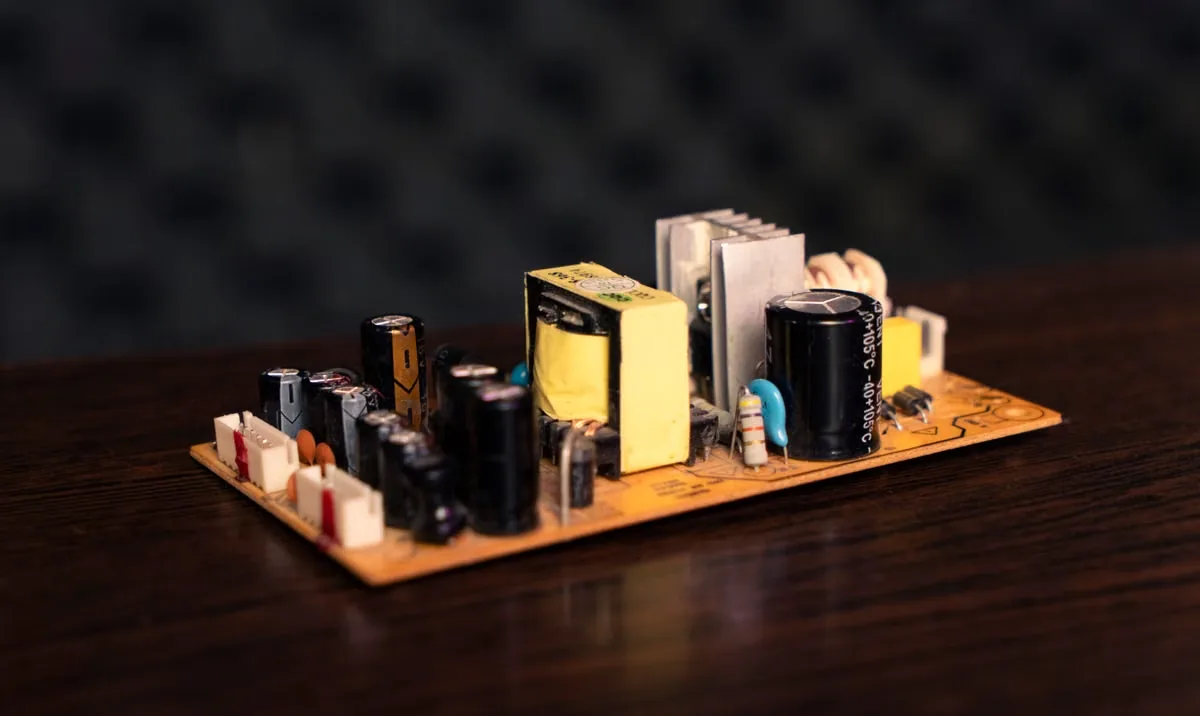
パワーエレクトロニクス
IGBTs, MOSFETs, converters and inverter modules can combine high heat flux with high voltage and repetitive power cycling. The interface must work under the actual mounting pressure and surface condition. Electrical insulation, thickness tolerance and stability over cycling can outweigh a small difference in headline conductivity.
- Map first
- Junction-to-case-to-sink path and clamping method
- Validate
- Thermal impedance, dielectric strength and power-cycle durability

Data Centers and AI Servers
Accelerators place dense heat sources close to HBM, VRMs and high-speed networking components. Interfaces may be thin but mechanically sensitive, with tight pressure budgets and strong serviceability expectations. A useful comparison recreates the real cold-plate flatness, fastener pattern, vertical orientation and temperature cycle instead of testing a material in isolation.
- Map first
- GPU/HBM height variation, cold plate and pressure distribution
- Validate
- Pump-out, contact resistance, aging and rework

通信・5G機器
Outdoor AAUs, RRUs and power amplifiers operate continuously through weather, solar load and wide temperature swings. Enclosure gaps can be irregular, and maintenance intervals may be long. Material selection should pair thermal performance with sealing strategy, compression retention, corrosion awareness and resistance to repeated hot-cold exposure.
- Map first
- Radio, amplifier and enclosure conduction paths
- Validate
- Outdoor aging, thermal cycling and compression set

Semiconductor and Electronics Assembly
Fine-pitch packages and compact assemblies often need underfill, corner bonding, coating or encapsulation rather than only a conventional TIM. Flow behavior, substrate wetting, cure shadow, ionic cleanliness and stress after cure all affect reliability. The dispense path and cure profile should be treated as part of the material specification.
- Map first
- Package geometry, keep-out zones and substrate surfaces
- Validate
- Flow, cure, adhesion, CTE stress and contamination
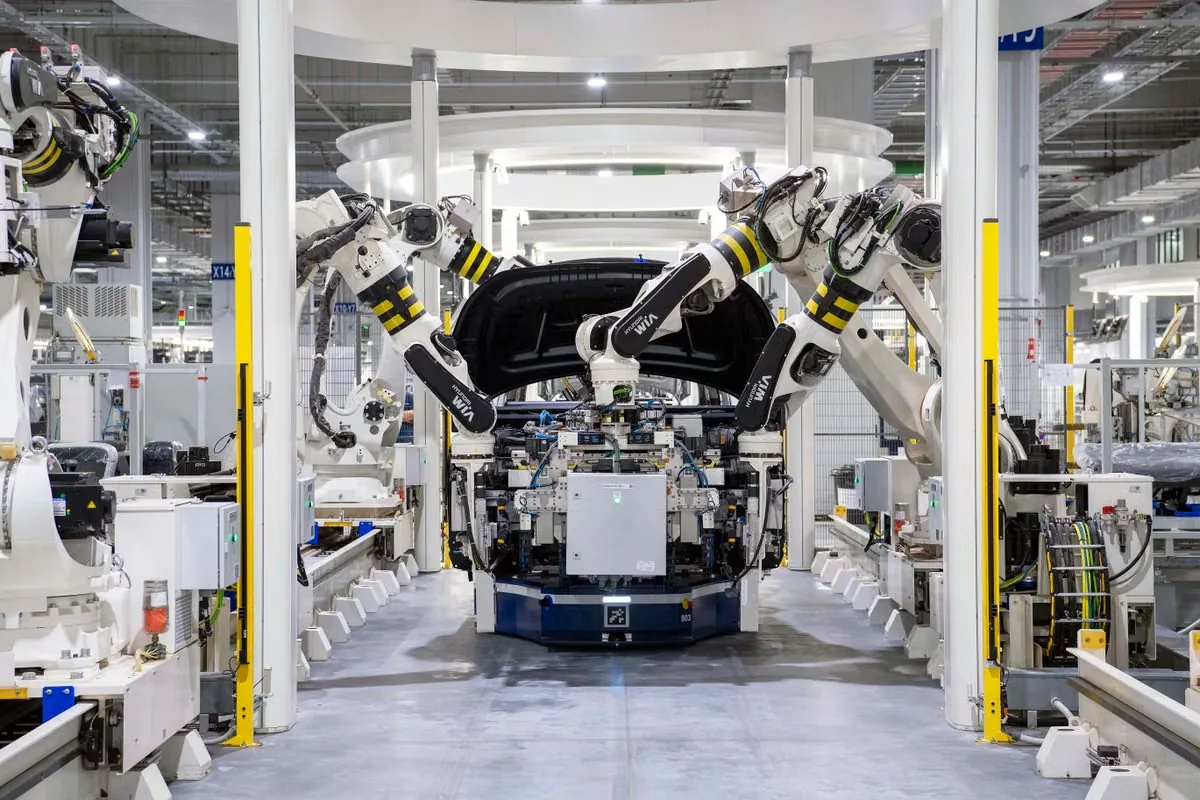
車載電子機器
ADAS, ECU, infotainment and power modules combine compact packaging with vibration, temperature cycling and long qualification horizons. Production traceability and process repeatability matter as much as an initial thermal result. Material changes should be assessed against the whole reliability plan and the specific substrate and surface-treatment combination.
- Map first
- Module location, interfaces, mounting and exposure
- Validate
- Automotive cycling, vibration, humidity and process controls
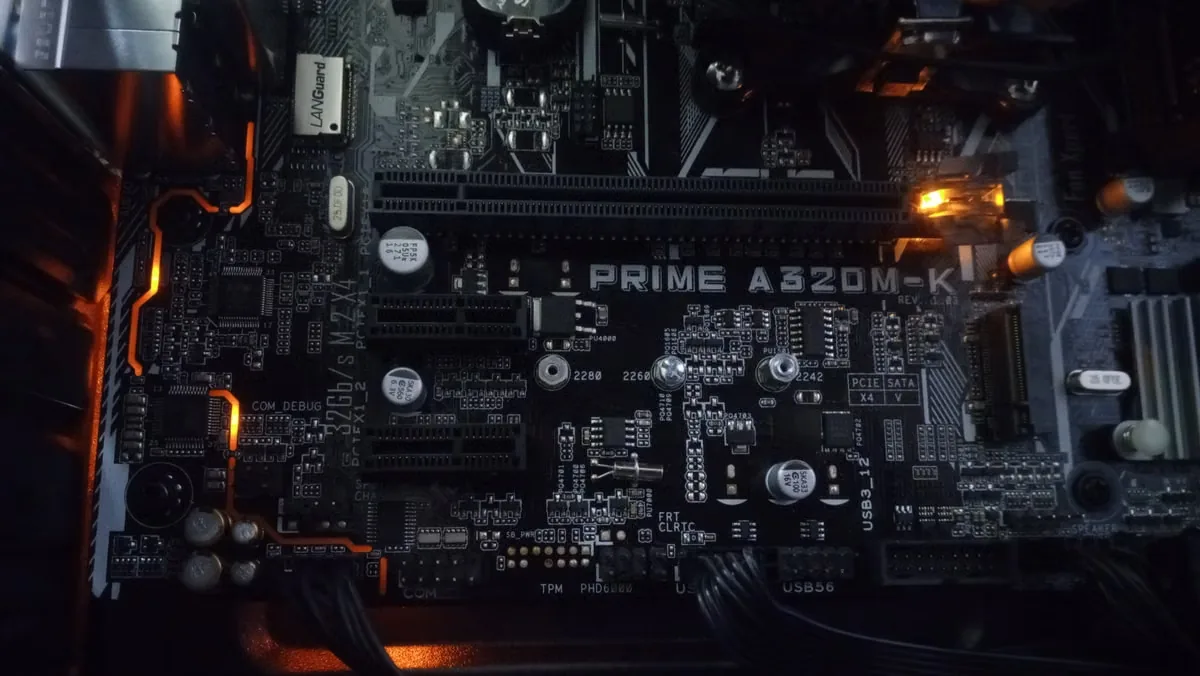
LED照明
LED boards, drivers and housings need stable heat transfer to protect lumen output and lifetime. Thin interfaces can benefit from grease, pads or adhesive systems depending on assembly method and service needs. Outdoor products add moisture, UV and temperature exposure; optical areas may also make contamination and volatile control important.
- Map first
- LED board-to-housing path and driver hot spots
- Validate
- Thermal aging, dielectric performance and outdoor exposure
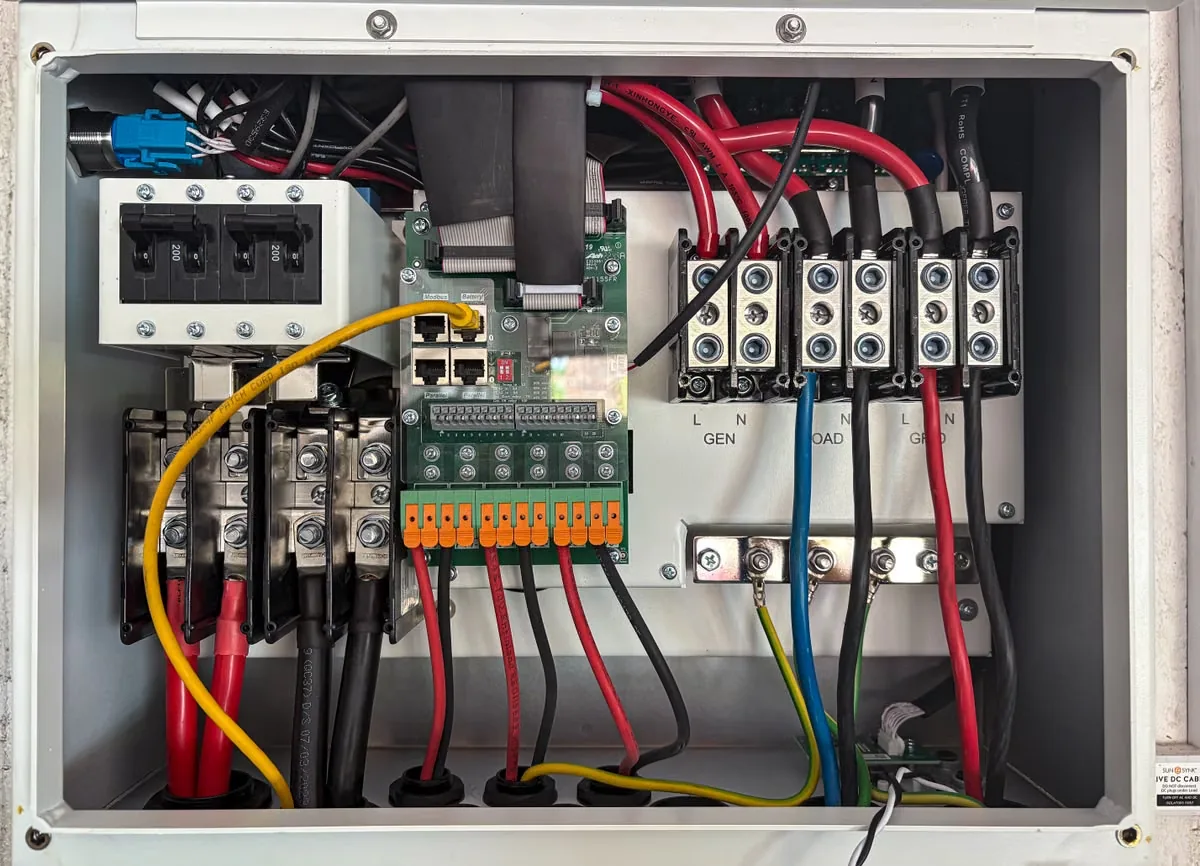
産業用電子機器
Motor drives, PLCs, sensors and control power supplies see varied duty cycles and environments. Dust, oils, vibration or limited airflow may drive the need for sealing or encapsulation alongside thermal management. Repair strategy matters: a fully potted assembly behaves very differently in production and service from a coated or locally bonded design.
- Map first
- Duty cycle, enclosure, airflow and service approach
- Validate
- Chemical exposure, shock, vibration and field temperature
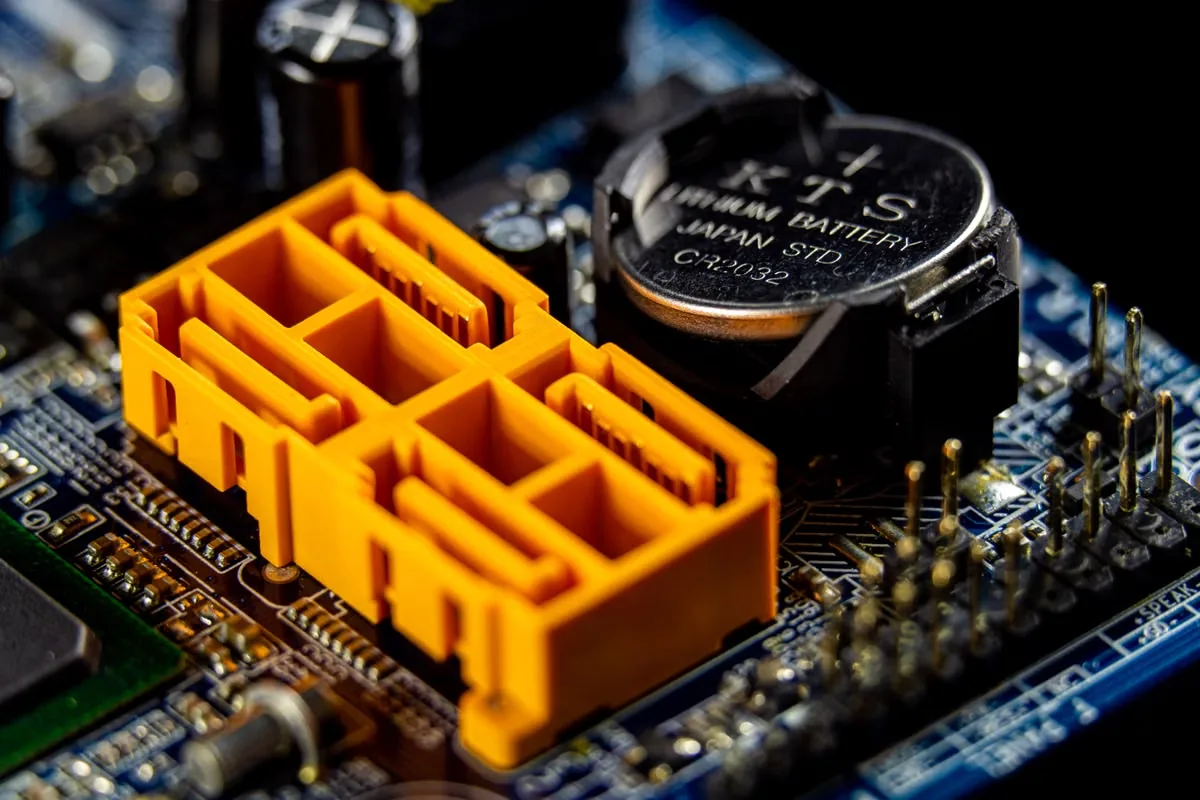
家電製品
Laptops, gaming systems and mobile devices compress multiple hot components into thin enclosures. Low bond-line thickness, placement speed, feel, acoustic behavior and rework can all influence the choice. Testing should represent device orientation and repeated user heat cycles, especially where grease migration or pad compression can change over time.
- Map first
- Stack height, enclosure flex, component tolerance and touch points
- Validate
- Drop, cycling, migration, compression and repair
Inside the assembly
Typical Component-Level Use Cases
These examples show how the heat source, interface and reliability target shape a practical material shortlist.

Battery module to cold plate
Bridge large, tolerance-sensitive gaps while limiting cell and module stress. Evaluate dispense volume, bond-line control, dielectric behavior, flame targets and vibration.
- Gap filler
- Soft pad
- Potting
- 絆
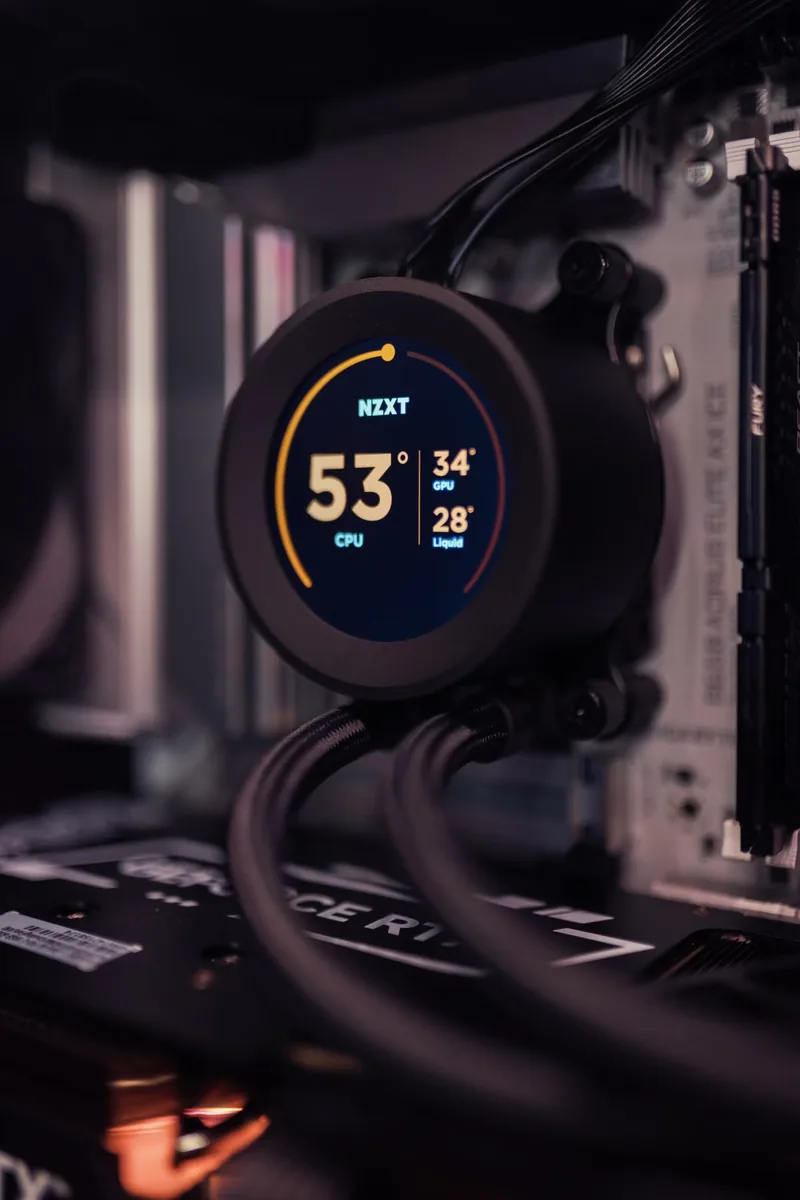
GPU, HBM and cold-plate interfaces
High heat flux and dense component layouts require careful control of interface thickness, pressure distribution, pump-out and serviceability.
- High-performance pad
- Grease
- PCM
- Gel
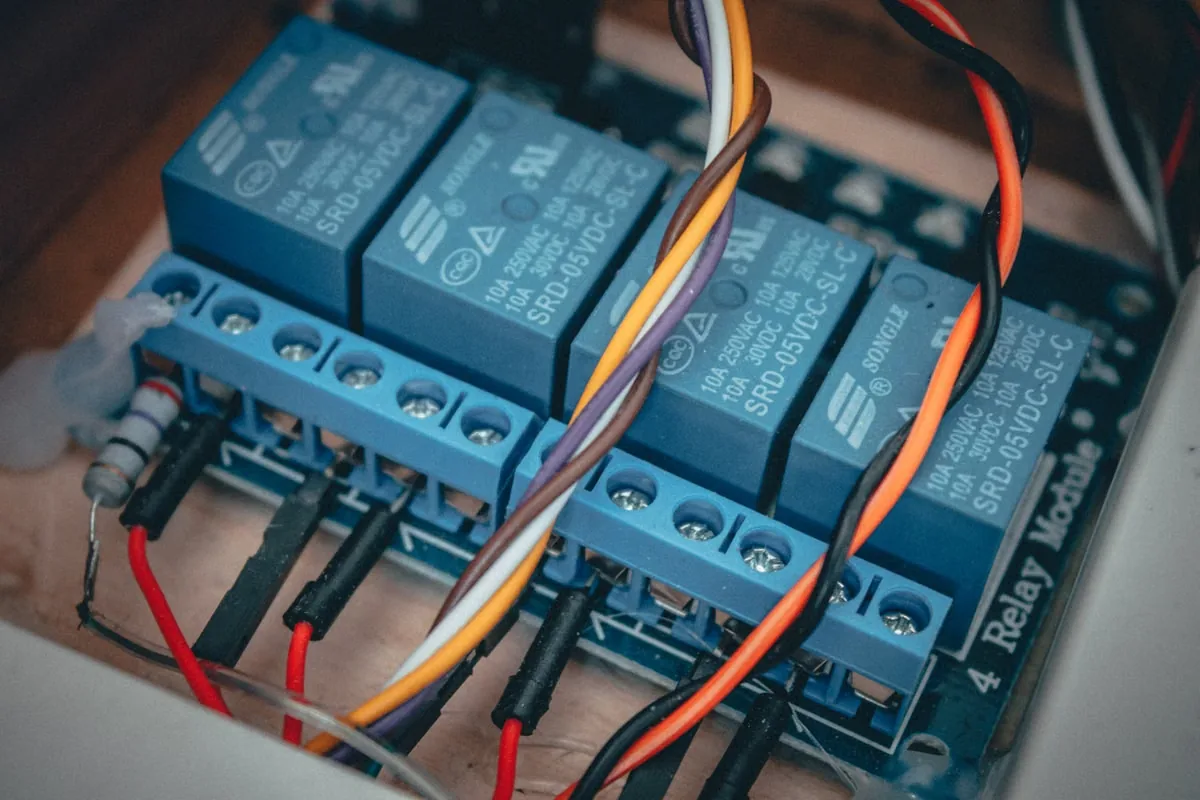
IGBTおよびMOSFETパワーモジュール
Combine low interface resistance with electrical isolation, controlled mounting pressure and stability through power cycling.
- Insulating pad
- Grease
- Adhesive
- Encapsulation

Outdoor radio and power amplifier
Manage uneven enclosure gaps and continuous heat while accounting for weather sealing, thermal cycling and long unattended service.
- Gap pad
- サーマルゲル
- Grease
- Sealant
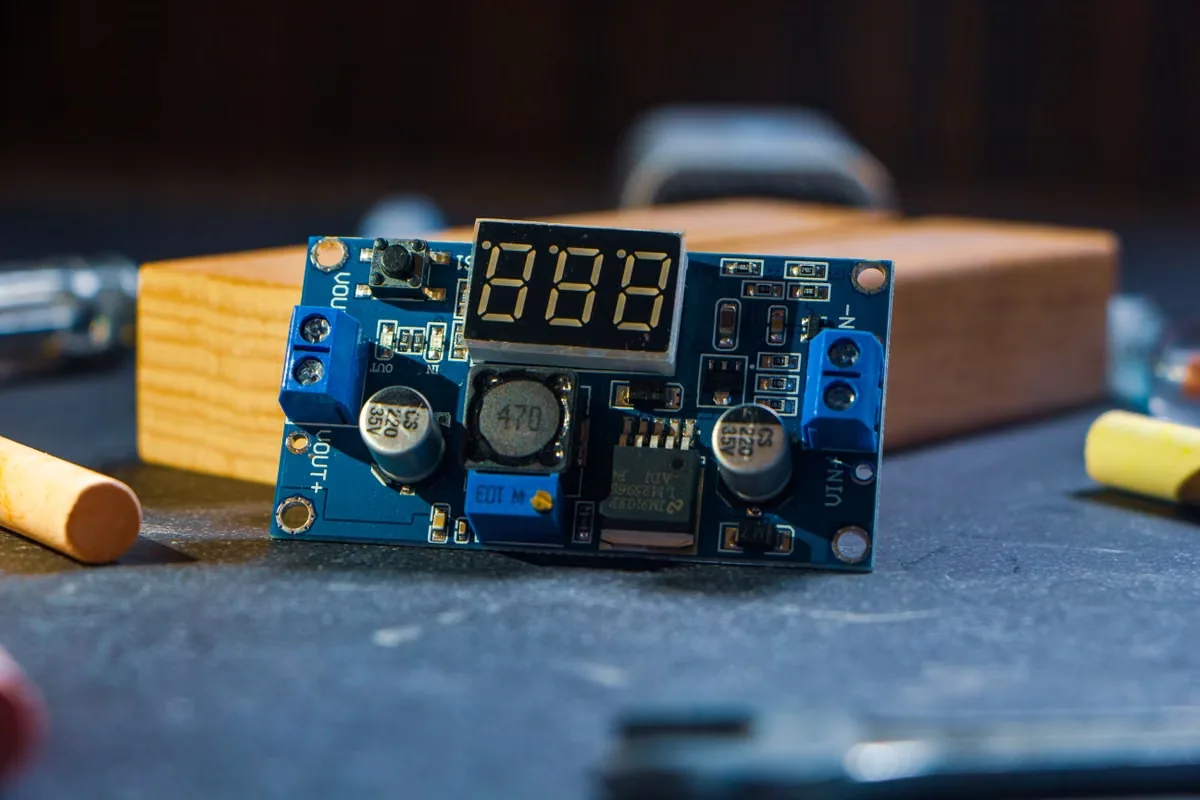
LED board, housing and driver
Protect lumen maintenance by moving heat efficiently from the board while maintaining dielectric properties and outdoor durability.
- Thin pad
- Grease
- Potting
- Adhesive
ECU, ADAS and infotainment modules
Thermal cycling, vibration, contamination control and automotive qualification make long-term mechanical behavior as important as initial conductivity.
- パッド
- Gel
- アンダーフィル
- コーティング
選択ワークフロー
Turn Your Application into a Material Brief
A concise, measured brief helps us recommend realistic materials and reduces iteration during sampling.
Map the interface
Identify heat source, target surface, footprint, nominal gap and flatness.
Set operating limits
Provide continuous and peak temperature, voltage, pressure and environment.
Define the process
Share placement or dispensing method, cure window, takt time and rework need.
Rank requirements
Separate must-have limits from targets for conductivity, hardness, adhesion and protection.
Validate in-system
Test candidate materials in the real stack-up and reliability profile before release.
Useful inputs: drawing or interface area, substrate materials, gap range, assembly pressure, thermal target, dielectric requirement, cure conditions, reliability tests and estimated annual volume.
Engineer’s resource shelf
Go Deeper on the Variables That Change Results
Use these technical articles to prepare a better comparison, test plan or design review.
Thermal Conductivity vs. Thermal Impedance
Understand why a high W/m·K number alone does not predict interface performance.
Read article →圧縮がサーマルパッドの性能に与える影響
Connect compression ratio, contact area, force and long-term behavior.
Read article →How Bond-Line Thickness Affects Thermal Performance
See why the complete interface geometry belongs in every material comparison.
Read article →エンジニアが知っておくべき一般的なTIM試験規格
Build a test approach that matches the property and decision you need to make.
Read article →Thermal Putty vs. Thermal Pad for Uneven Gaps
Compare handling, tolerance accommodation, pressure and process trade-offs.
Read article →Understanding Low-Outgassing Thermal Materials
Identify when contamination and volatile control should enter the specification.
Read article →Applications FAQ
Questions Before You Shortlist a Material
Good selection begins with the full interface and process—not a single headline property.
Which thermal material is best for a large or uneven gap?
Soft thermal pads and dispensable gap fillers are common starting points. Pads offer controlled thickness and clean placement; liquid gap fillers better accommodate complex geometries and can reduce stress when dispensed and cured correctly.
熱伝導率は高ければ高いほど常に良いのでしょうか?
No. Effective performance depends on bond-line thickness, wet-out, contact resistance, assembly pressure and long-term stability. A lower-conductivity material with better contact can outperform a higher-rated but poorly fitted option.
When should I choose a pad instead of grease or gel?
Choose a pad when handling, controlled thickness, electrical isolation or die-cut geometry is important. Grease is useful for very thin interfaces and low contact resistance. Gel or liquid gap filler is useful for variable gaps, complex surfaces and low assembly stress.
Can a thermal material also provide structural bonding?
Yes. Thermally conductive adhesives can combine heat transfer with fixation, but strength, modulus, cure conditions, rework and thermal cycling must be evaluated together.
What information is needed for a material recommendation?
Share the substrates, interface area, nominal and maximum gap, operating temperatures, pressure, thermal target, electrical isolation need, dispensing or placement process, cure constraints, reliability tests and expected volume.
Can Haktak customize thickness, shape, hardness or formulation?
Application development can include material selection, formulation changes, die-cut geometry, dispensing support, testing and prototype samples. Feasibility depends on the target properties, process and production volume.
Material recommendation
Bring the Assembly. We’ll Help Narrow the Material Path.
Send your gap range, substrates, thermal target, process constraints and reliability requirements. Haktak can support comparison, customization and prototype sampling.