
Industrial Electronics Thermal Materials
Industrial Electronics Thermal Materials for Drives, PLCs and Control Systems
Control heat, electrical isolation, vibration, contamination and production variation across motor drives, inverters, PLCs, industrial power supplies, sensors, robotics and rugged control electronics.
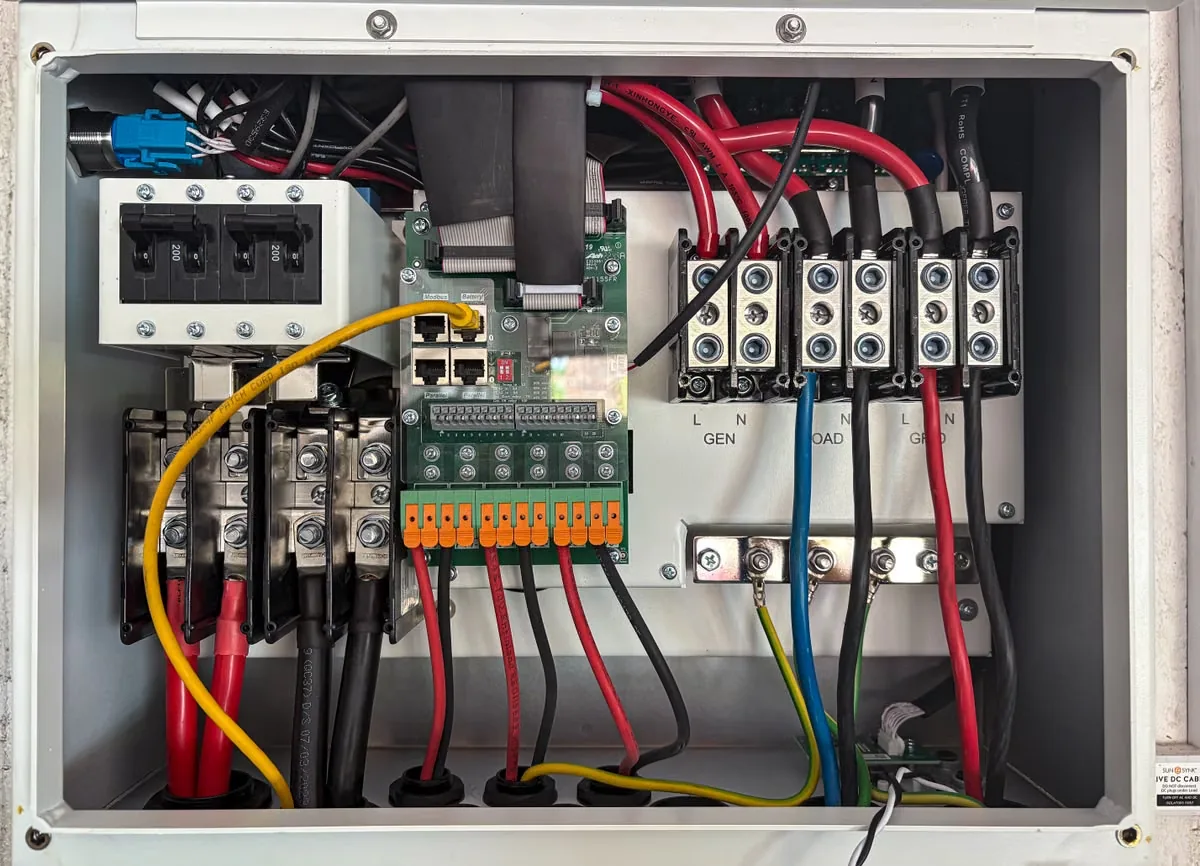
Inside the System
Map Every Industrial Electronics Thermal Interface
Industrial hardware does not share one thermal requirement. Power density, enclosure, airflow, voltage, mounting, contamination and field service determine whether an interface needs heat transfer, bonding, sealing or insulation.
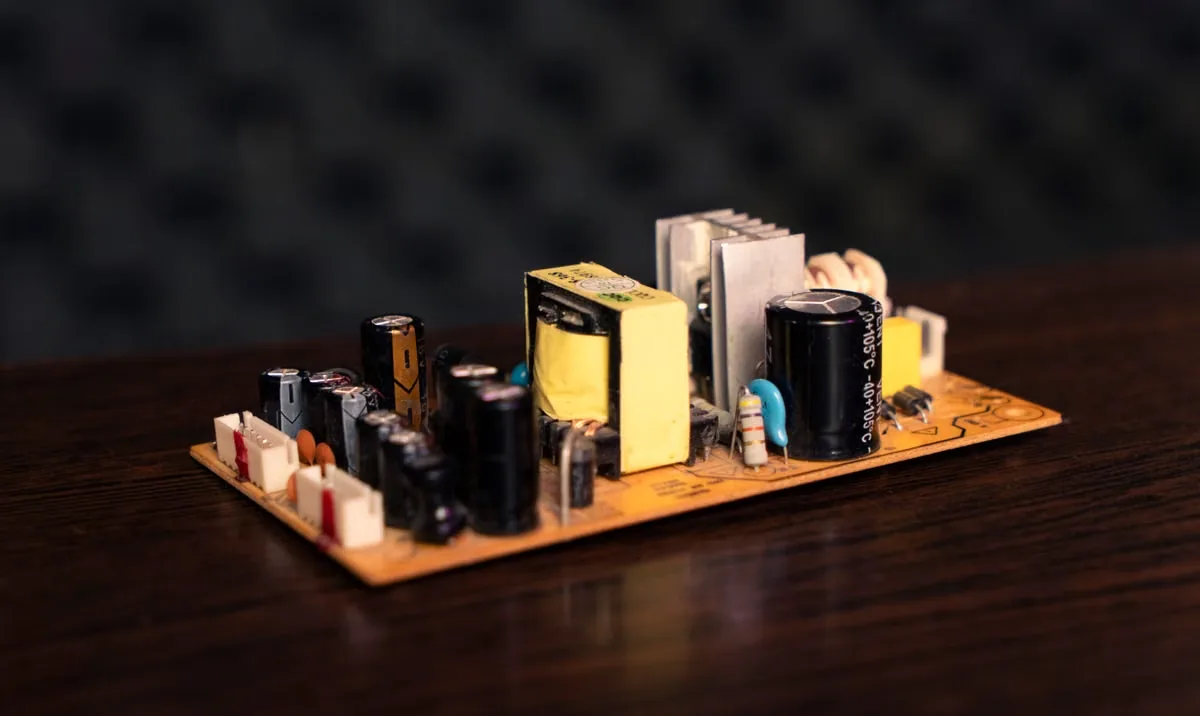
Motor Drive, Inverter and Servo Cooling
Transfer heat from IGBTs, MOSFETs, rectifiers and magnetics into heat sinks or metal housings while maintaining dielectric isolation and stability through load cycling.
インバーター用サーマルペーストを見る →
PLC, IPC and Machine-Control Thermal Management
Bridge processors, memory, regulators and communication devices into enclosures while limiting board stress and supporting long service in compact, fanless or sealed systems.
Browse Thermal Pad Solutions →
Remote I/O, Sensors and Outdoor Industrial Controls
Combine thermal management with protection from moisture, dust, oil mist, cleaners, salt, vibration and wide ambient-temperature swings.
防水・防塵保護プランマテリアルファミリー
Choose Industrial Electronics Thermal Materials by Function
Start with the real heat path, gap, voltage, pressure, exposure and assembly process. Then compare the format that can maintain performance through the equipment reliability profile.
 01
01Industrial Thermal Gap Pads
Provide defined thickness, electrical isolation and repeatable placement between devices, boards, heat sinks and housings.
- シート状、ロール状、またはダイカット(型抜き)形状
- 隙間埋めとクッション材
- 圧縮制御アセンブリ
 02
02Dispensable Industrial Gap Fillers
Conform to mixed component heights, casting variation and complex cavities while supporting automated production and low stress.
- 不規則で均一ではない隙間
- 手動または自動調剤
- ソフト硬化型インターフェース
 03
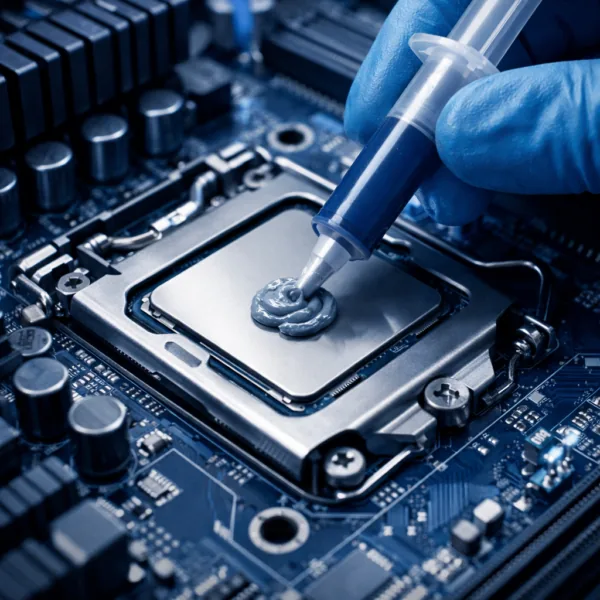
03Industrial Thermal Grease
Wet thin, flat and clamped interfaces where low bond-line resistance is needed between power devices, modules and cooling surfaces.
- 薄いインターフェース機能
- 低接触抵抗
- Serviceable assembly option
 04
04Thermally Conductive Industrial Adhesives
Bond sensors, spreaders, power components and heat sinks while creating a controlled thermal path and resisting vibration.
- アタッチメントプラス熱伝達
- 1液性または2液性の硬化オプション
- Structural or compliant bonding
 05
05Silicone-Free Industrial Interfaces
Manage heat near sensitive contacts, relays, optics, coatings or downstream bonding where silicone migration matters.
- クリーンコンタクト要件
- パッド、グリス、またはゲルの選択肢
- 互換性検証
 06
06Industrial Insulation and Potting Materials
Protect boards, terminals and power assemblies from moisture, vibration and electrical exposure while controlling heat.
- 誘電保護
- 環境カプセル化
- カスタムキャビティおよびカット形状
フォーマットの比較
Compare Industrial Thermal Pads, Grease, Gap Fillers and Adhesives
The strongest industrial material is the one that meets temperature, voltage, contamination, service and process targets after aging—not the one with the highest headline conductivity.
| 素材フォーマット | Best-Fit Industrial Interface | 主な利点 | デザインの着眼点 |
|---|---|---|---|
| 熱伝導パッド | PLC, drive board, processor, power device and housing gap | 明確な厚み、すっきりとした配置、そして断熱性 | Hardness, compression, tolerance and set |
| 液体ギャップフィラー | Mixed-height PCB, large casting and complex enclosure cavity | 適合性と拡張性のある分注 | ビード制御、キュア(硬化)、ボイド(気泡)、スランプ、および補修 |
| 熱伝導グリス | Thin, flat and mechanically clamped power interface | Low bond line and effective wetting | Pump-out, bleed, volume control and service |
| サーマルアドヘシブ | Sensor, spreader, power part or heat sink requiring fixation | 接合と熱伝導を一つの工程で | 硬化、弾性率、接着性、および解体 |
| ポッティング剤 | Sealed sensor, controller, power supply and protected cavity | 環境保護、耐振性、絶縁保護 | 発熱、応力、質量、ボイド、リワーク |
| 断熱パッド | High-voltage device, busbar, enclosure or heat-sensitive zone | Electrical spacing and thermal control | Edges, thickness, heat direction and aging |
選択ワークフロー
Build an Industrial Electronics Material Brief in Five Steps
A useful material brief connects equipment duty and heat load to the real stack, voltage, exposure, manufacturing and field-service requirements.
Map the Industrial Heat Path
Identify power devices, processors, magnetics, heat spreaders, housings, airflow and ambient conditions.
Measure the Equipment Stack
隙間の範囲、部品の高さ、ハウジングの平面度、接触面積、締結部品、および公差の累積を記録する。.
Define Voltage and Exposure
Confirm insulation targets, humidity, dust, oil, coolant, cleaners, salt and chemical-contact risks.
製造プロセスの選択
パッド配置、ディスペンス、硬化、検査、トレーサビリティ、タクトタイム、および修理の要件を設定する。.
Validate Industrial Reliability
Test thermal performance and contact through load cycling, vibration, humidity, aging and field conditions.
エンジニアリング変数
What Should Be Specified Before Industrial Electronics Sampling?
Material sampling improves when the candidate represents the actual equipment stack, load, pressure, voltage, exposure and reliability conditions. Share a range when the mechanical design is not frozen.
 The assembled interface—not one datasheet value—defines industrial performance.
Heat Load and Duty Cycle
Device losses, continuous or intermittent duty, ambient, airflow, coolant or housing temperature and peak conditions.
ギャップと接触幾何学
Minimum, nominal and maximum gap, surface area, flatness, roughness, casting and component tolerances.
Pressure and Mechanical Stress
Fastener load, compression limit, board fragility, vibration spectrum, mechanical shock and expansion movement.
電気および化学物質への暴露
Working voltage, dielectric target, oil, coolant, cleaners, dust, humidity, salt and process chemicals.
Industrial Reliability Profile
Load cycling, temperature cycling, high-temperature aging, humidity, vibration and target service lifetime.
Manufacturing and Service Process
Placement or dispensing, cure, cycle time, inspection, lot controls, repair access and replacement strategy.
未然防止
Prevent Industrial Electronics Thermal Interface Failures
A material can pass an initial temperature check and still lose contact, insulation, adhesion or process consistency after years of load cycling and environmental exposure.
Excessive Pad Compression and Board Stress
A pad that is too firm or over-compressed can overload packages, solder joints, boards and fragile sensors.
レビュー圧縮ガイダンス →Contact Loss During Industrial Cycling
Compression set, cracking, pump-out and enclosure movement can increase interface resistance over time.
一般的なサーマルパッドの故障を見る →絶縁マージン不足
Cut edges, voids, compression and contamination can reduce insulation around power devices and conductors.
電気絶縁ガイドを読む →Thermal Grease Pump-Out
Load cycles, vibration and thermal expansion can push grease from the contact area and increase resistance.
Understand Grease Pump-Out →Fluid Swelling and Chemical Attack
Oil mist, coolant, cleaners and aggressive vapor can change softness, adhesion, insulation and surface behavior.
Explore Fluorosilicone Pads →ポッティングの発熱と硬化応力
Large casting volumes can generate heat, shrinkage stress and hidden voids around components and terminals.
Review Epoxy Potting Design →産業システム
Match Thermal Materials to Industrial Electronics Applications
Power density, installation location, enclosure, duty cycle and maintenance requirements change the right balance of softness, conductivity, insulation, chemical resistance and cure.
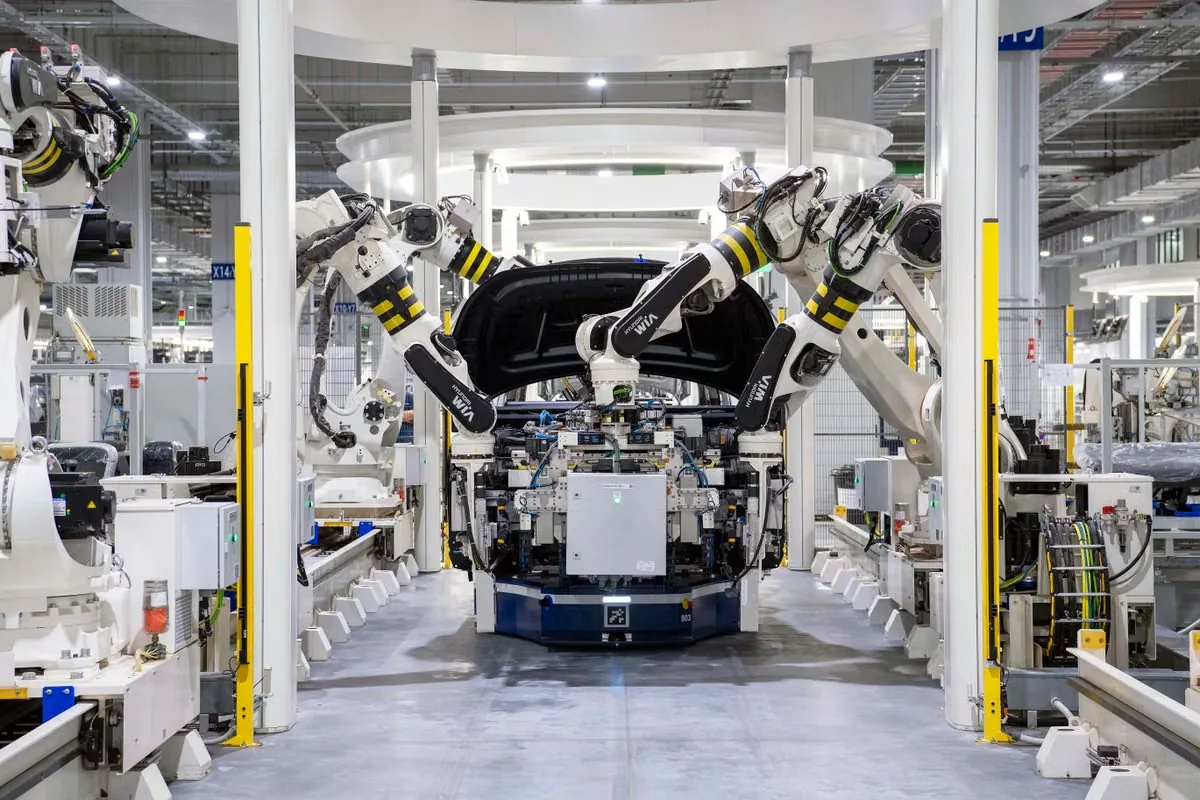
Motor Drives, Servo Systems and Robotics
- Power cycling and vibration
- IGBT and MOSFET heat paths
- Long production duty

PLCs, Industrial PCs and Edge Controllers
- Processors and power regulators
- Compact fanless enclosures
- Continuous data processing
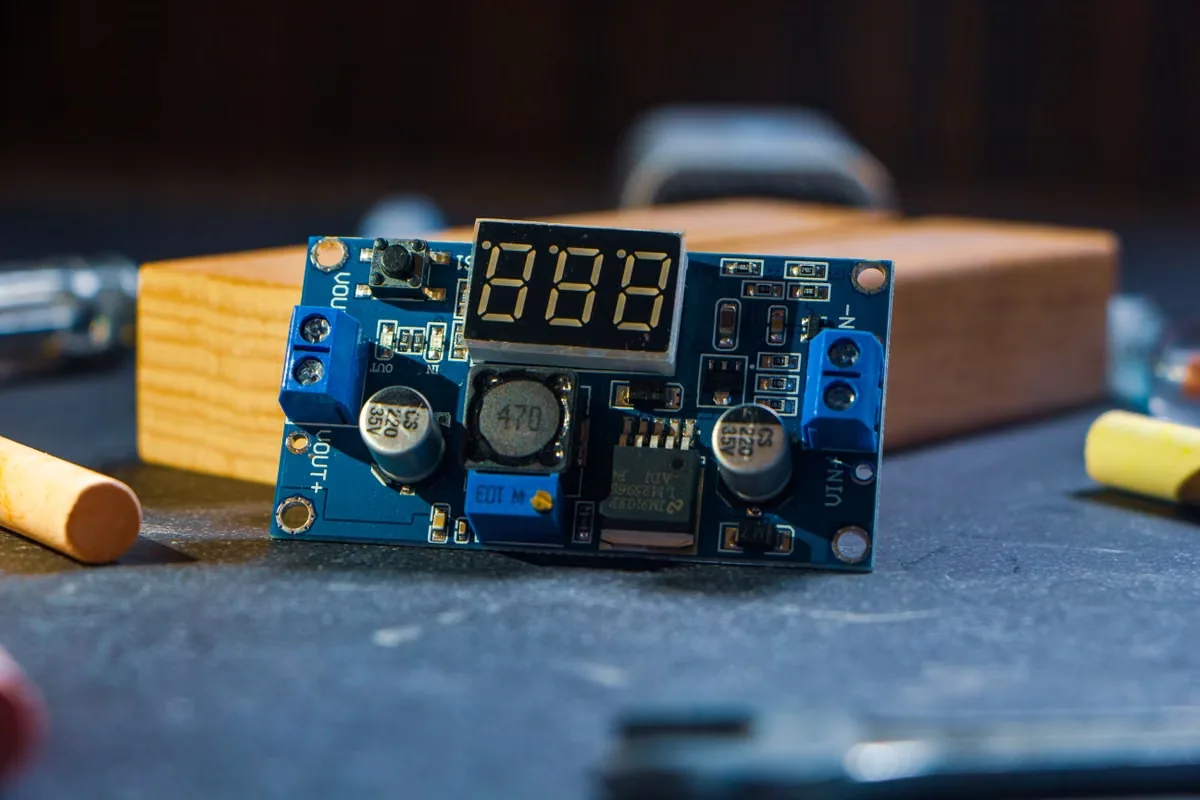
Industrial Power Supplies and Converters
- Magnetics and switching devices
- Board-to-housing transfer
- 誘電保護
Sensors, Machine Vision and Remote I/O
- Optical and contact cleanliness
- Sealed compact modules
- Outdoor or process exposure
検証計画
Validate Industrial Electronics Materials in the Real Equipment
Material data narrows candidates. Equipment-level testing confirms whether thermal, electrical, mechanical and environmental performance remain stable through the target industrial lifetime.
材料の選定と試験を見る →熱性能
Measure device, board and housing temperatures or impedance at actual gap, pressure, load and ambient.
圧縮と応力
荷重分散、荷重制限、厚さの回復、およびエージング後の接触を確認する。.
電気安全
Validate dielectric strength, insulation resistance, creepage and cut-edge integrity.
環境曝露
Test humidity, oil, coolant, cleaners, salt, dust and equipment-specific chemicals.
機械信頼性
Run vibration, shock, load cycling, adhesion and contact-stability evaluations.
生産能力
配置、ディスペンス、硬化、検査、トレーサビリティ、タクトタイム、修理を確認する。.
プロトタイプから本番へ
Scale Industrial Electronics Materials With Process Control
Haktak can support material formulation and delivery format. Share equipment drawings, gap ranges, environmental exposure, dispensing equipment, test plan, service strategy and annual volume early.
Custom Material Properties
Tune conductivity, hardness, viscosity, dielectric behavior, chemical resistance and cure.
ダイカット加工
開口部、タブ、ライナー、および配置可能な形状を備えたサプライパッドおよび絶縁部品.
調剤支援
Align gel, grease or adhesive packaging with bead, shot size, equipment and cycle time.
エンジニアリングサンプル
Compare formats and property ranges before equipment validation and production release.
エンジニアリングリソース
Industrial Electronics Thermal Management Guides
Use these guides to define interface thickness, power-device needs, pad conversion, testing and adhesive requirements before qualification.
Thermal Pads for IGBT Modules
Review isolation, mounting pressure and interface stability for industrial power stages.
IGBTサーマルパッドガイドを読む →Thermal Pads for Power Electronics
Connect gap, compression, voltage and cycling requirements for drives and converters.
Review Power Pad Selection →Thermal Pad Thickness Tolerance
Understand how production variation and compression influence contact and board stress.
Review Thickness Tolerance →Common TIM Testing Standards
Use representative methods to compare thermal interfaces before equipment validation.
TIMテスト標準のレビュー →Thermally Conductive Structural Adhesives
Connect attachment, heat transfer, cure and mechanical reliability in industrial assemblies.
Read the Structural Adhesive Guide →Browse Haktak Industrial Materials
Review thermal interface, adhesive, sealing, insulation and encapsulation families.
すべての製品を見る →よくあるご質問
Industrial Electronics Thermal Material FAQ
Final selection should be validated in the real drive, PLC, power supply, sensor or control module and its field profile.
Which thermal material is commonly used in an industrial motor drive?
Thermal pads and grease are common around IGBTs, MOSFETs and modules. Gap fillers can bridge board-to-housing variation, while adhesives or potting may add attachment and environmental protection.
What should be considered for a PLC thermal pad?
Consider processor and regulator heat, gap range, allowable board pressure, dielectric strength, enclosure flatness, vibration, ambient temperature and long-term compression stability.
When is fluorosilicone useful in industrial electronics?
Fluorosilicone can be considered where a thermal interface may contact oil, coolant, fuel, cleaners or aggressive process chemicals while still needing softness and insulation.
Is higher thermal conductivity always better for industrial electronics?
No. Final temperature also depends on bond-line thickness, contact resistance, pressure, conformance and aging. A balanced material can outperform a higher-W/mK option that is too thick or firm.
Should rugged industrial electronics be potted or remain serviceable?
Potting improves environmental, vibration and dielectric protection but adds mass, cured stress and repair difficulty. The decision should follow exposure, reliability and maintenance requirements.
ハクタックがおすすめをするためには、どのような情報が必要ですか?
Share equipment type, heat sources, gap, contact area, pressure, voltage, fluids or chemicals, duty cycle, vibration, test plan, assembly process, service strategy and volume.
Start With the Complete Equipment Profile
Send the Heat Load, Gap, Voltage and Industrial Environment
Haktak can help compare thermal pads, grease, gap fillers, adhesives, insulation and potting materials for drives, PLCs, power supplies, sensors and control electronics.