
Lấp đầy khe tản nhiệt bằng phương pháp định lượng
Vật liệu lấp khe dạng lỏng cho thiết bị điện tử và quy trình định lượng vật liệu dẫn nhiệt tự động
Lấp đầy các khe hở không đồng đều giữa linh kiện và vỏ bằng vật liệu giao diện nhiệt mềm, có thể định lượng, làm ướt các bề mặt có hình học phức tạp, giảm ứng suất lắp ráp và hỗ trợ sản xuất ở quy mô lớn. Hãy lựa chọn vật liệu đồng thời với khe hở, đường keo, thiết bị, quá trình đóng rắn và khoảng điều kiện độ tin cậy—không chỉ dựa vào W/mK.
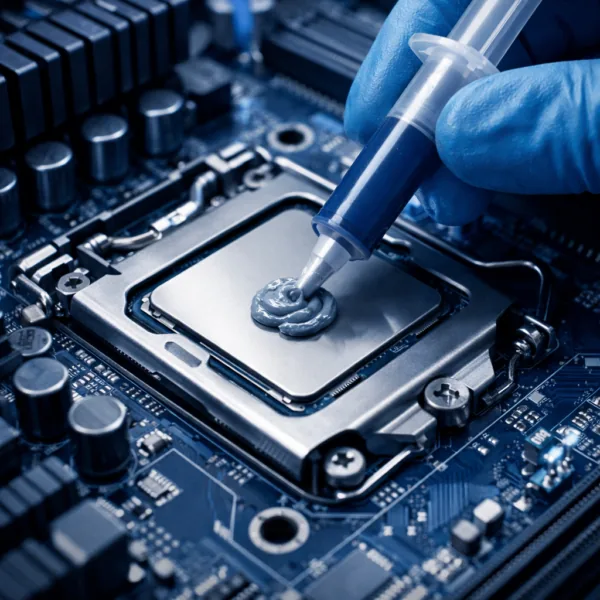
Bên trong lớp tiếp giáp
Cách vật liệu lấp khe nhiệt dạng lỏng xử lý các bề mặt tiếp xúc nhiệt không đồng đều
Vật liệu lấp khe dạng lỏng là vật liệu giao diện nhiệt có thể bơm, được sử dụng khi độ cao linh kiện, độ phẳng bề mặt đúc hoặc dung sai lắp ráp khiến việc tiếp xúc trực tiếp không đáng tin cậy. Vật liệu này thay thế lớp không khí cách nhiệt và ôm theo hình dạng với lực thấp hơn nhiều so với nhiều giải pháp dạng rắn.
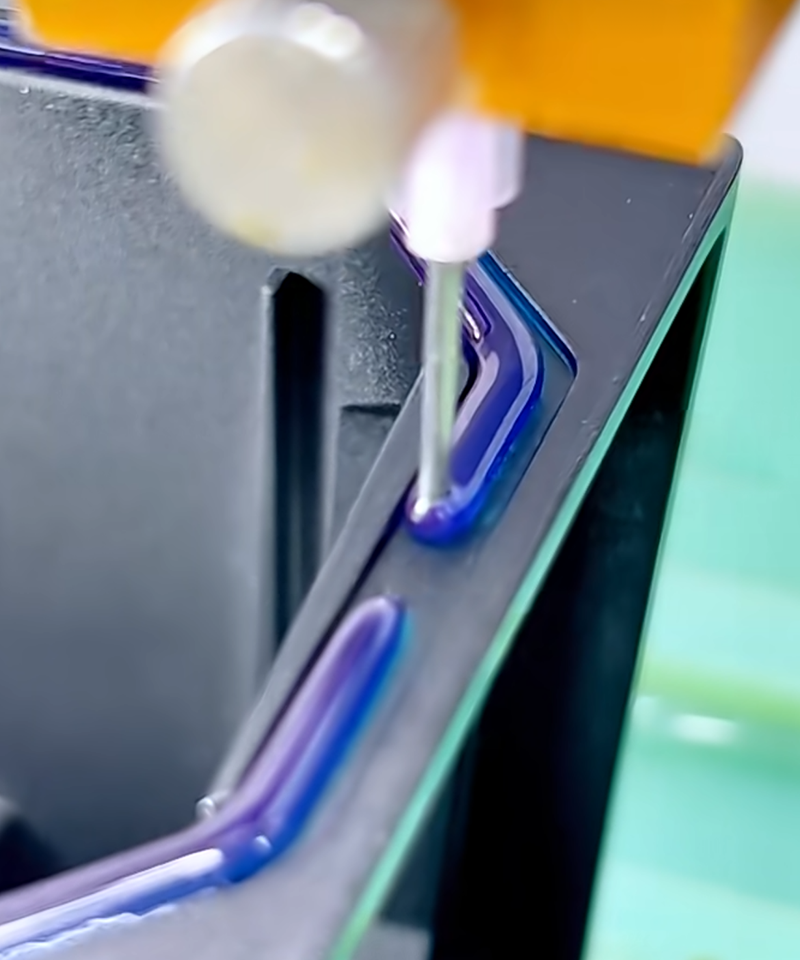
Thay thế không khí trong các khe hở thay đổi
Vật liệu chảy vào các sai lệch chiều cao, kết cấu bề mặt và các khoảng rỗng cục bộ mà một chi tiết có chiều dày cố định có thể không che phủ đồng đều. Thể tích dải vật liệu cuối cùng và chiều dày lớp liên kết sau nén quyết định phần khe thực tế được lấp đầy.

Chỉ bố trí vật liệu tại những vị trí cần thiết trên đường truyền nhiệt
Có thể phủ các linh kiện có hình dạng khác nhau bằng các chấm, đường, đường xoắn ốc hoặc quỹ đạo được lập trình mà không cần dự trữ nhiều hình dạng miếng đệm. Quy trình phải kiểm soát lượng vật liệu mỗi lần bơm, vị trí, độ thấm ướt và khoảng dự phòng chống tràn.

Giảm ứng suất lên các linh kiện dễ vỡ
Gel mềm có thể dàn trải dưới áp lực lắp ráp nhẹ, giúp hạn chế tải tác động lên các package, mối hàn, bo mạch, cell và mô-đun không đồng đều, đồng thời duy trì tiếp xúc nhiệt hiệu quả.
Nhóm vật liệu
So sánh các loại vật liệu lấp khe dạng lỏng dùng cho thiết bị điện tử
Năm dòng vật liệu Haktak đáp ứng các sự kết hợp khác nhau giữa khả năng truyền nhiệt, tính đơn giản của quy trình, độ ổn định khi đóng rắn, khả năng tái gia công và độ sạch. Hãy so sánh các đặc tính của chúng để xác định loại vật liệu phù hợp nhất cho ứng dụng của bạn.
 01
01Vật liệu lấp đầy khoảng trống dẫn nhiệt
Lấp các khe giao diện biến thiên giữa thiết bị điện tử, mô-đun, vỏ và kết cấu làm mát bằng đường truyền nhiệt mềm được lựa chọn dựa trên chiều dày thực tế và yêu cầu về độ tin cậy.
- Lấp khe hở nhiệt nói chung
- So sánh vật liệu dạng lỏng, gel hoặc dạng gần tương đương
- Đối chiếu đặc tính theo ứng dụng
 02
02Keo cách nhiệt
Sử dụng vật liệu mềm, có thể tạo hình hoặc bơm định lượng cho các khe không đồng đều, phần cứng cần bảo trì và các bề mặt tiếp xúc khi cần giảm ứng suất và có khả năng thi công lại.
- Thi công bằng vật liệu có thể tạo hình hoặc bơm định lượng
- Khả năng bù khe hở thay đổi
- Quy trình sửa chữa và bảo trì
 03
03Keo tản nhiệt một thành phần
Bắt đầu với vật liệu 1K đã trộn sẵn khi dây chuyền cần cấp liệu có kiểm soát mà không cần định lượng, trộn hai thành phần hoặc quản lý thời gian sử dụng.
- Không cần phối trộn theo tỷ lệ trên dây chuyền
- Cấp phát thủ công hoặc tự động
- Lớp tiếp xúc có thể tái gia công
 04
04Gel nhiệt sau đóng rắn
Bơm keo và làm ướt lớp tiếp xúc, sau đó đóng rắn thành dạng mềm cuối cùng khi cần độ ổn định theo phương thẳng đứng, khả năng chống rung hoặc kiểm soát hình dạng lâu dài.
- Lớp tiếp xúc cuối cùng được kiểm soát bằng quá trình đóng rắn
- Thẩm định quá trình trộn, thời gian hở và đóng rắn
- Hình học ổn định khi sử dụng
 05
05Keo tản nhiệt không chứa silicone
Kiểm soát nhiệt ở khu vực gần camera, hệ quang học, tiếp điểm, lớp phủ hoặc công đoạn liên kết tiếp theo, nơi cần giảm nguy cơ silicone di chuyển, tiết dầu hoặc tạo sương mờ.
- Môi trường nhạy với silicone
- Chiến lược thiết kế tiếp xúc sạch
- Yêu cầu thử nghiệm tính tương thích
Lựa chọn vật liệu
Chọn gel dẫn nhiệt 1K, đóng rắn sau hoặc có thể sửa chữa
Hóa học phù hợp nhất là loại đáp ứng yêu cầu về bảo quản, định lượng, thời gian trì hoãn lắp ráp, độ ổn định cuối cùng, bảo trì và độ tin cậy—không phải loại có vẻ đơn giản nhất trong một ống tiêm mẫu.
Sử dụng gel 1K để đơn giản hóa quy trình
Tránh phải kiểm soát định lượng–trộn và thời gian sống khi ưu tiên bao bì sẵn sàng cấp liệu, tạo đường keo có kiểm soát và tiếp xúc mềm.
Sử dụng gel hậu đóng rắn để ổn định hình dạng
Chọn hệ có tốc độ đóng rắn được kiểm soát khi vật liệu cuối cùng cần chống tốt hơn sự dịch chuyển theo phương thẳng đứng, rung động hoặc phơi nhiễm kéo dài sau khi làm ướt bề mặt tiếp xúc.
Sử dụng matit để dễ tạo hình và sử dụng
Cân nhắc sử dụng matit mềm khi kỹ thuật viên cần tạo hình, thay thế hoặc gia công lại lớp tiếp xúc quanh phần cứng có hình dạng không đều.
Sử dụng gel không chứa silicone gần các bề mặt nhạy cảm
Đánh giá hệ hóa học không silicone khi sử dụng gần các bộ phận quang học, tiếp điểm, lớp phủ, rơle và vùng liên kết, nơi hiện tượng di chuyển có thể ảnh hưởng đến chức năng.
Tùy chỉnh theo cửa sổ quy trình
Cân bằng độ dẫn điện, độ nhớt, độ chảy xệ, độ mềm, tính chất điện môi, quá trình đóng rắn và dạng bao gói theo dây chuyền thực tế.
Đường keo và tính lưu biến
Lựa chọn vật liệu lấp khe dạng lỏng theo giao diện tiếp xúc cuối cùng
Độ dẫn nhiệt của vật liệu khối chỉ là một yếu tố. Nhiệt độ cuối cùng của thiết bị còn phụ thuộc vào khe hở, thể tích đường vật liệu, khả năng thấm ướt, chiều dày sau nén, diện tích tiếp xúc và lượng vật liệu còn lại sau khi lắp ráp và lão hóa.
 Đánh giá giao diện sau khi bơm và lắp ráp—không chỉ một giá trị riêng lẻ của vật liệu.
Khe hở tối thiểu, danh nghĩa và tối đa
Đo kích thước chồng lớp thực tế sau khi đã tính đến dung sai của bo mạch, linh kiện, vỏ, chi tiết siết và vật đúc.
Thể tích đường keo và chiều dày sau nén
Liên hệ lượng bắn và biên dạng với diện tích trải cuối cùng, đường keo và phần dư tràn, thay vì định lượng keo chỉ dựa trên hình thức bên ngoài.
Độ nhớt, độ phủ và độ chảy xệ
Vật liệu phải thoát khỏi vòi phun ở tốc độ sản xuất, giữ đúng hình dạng dự kiến trước khi đóng kín và dàn trải dưới áp suất hiện có.
Trở kháng nhiệt và tiếp xúc
Kiểm tra khả năng truyền nhiệt ở độ dày và áp suất tiếp xúc thực tế. Giá trị W/mK cao hơn không thể khắc phục lớp keo dày hoặc các khoảng rỗng bị mắc kẹt.
Yêu cầu về tính điện môi và độ sạch
Hãy cân nhắc điện áp, các cạnh dẫn điện, bề mặt nhạy cảm với nhiễm bẩn, hiện tượng thoát khí, hiện tượng rỉ dầu và khả năng tương thích với quy trình làm sạch.
Lão hóa và chuyển động cơ học
Kiểm tra chu kỳ nhiệt, rung động, va đập, hiện tượng bơm đẩy, nứt, độ ổn định khi đóng rắn và sự dịch chuyển giữa các vật liệu có CTE khác nhau.
So sánh định dạng
Vật liệu lấp đầy khe hở dạng lỏng so với miếng đệm tản nhiệt, mỡ tản nhiệt và keo dán
Dạng vật liệu làm thay đổi việc kiểm soát độ dày, áp suất, thiết bị, thao tác, việc làm lại và độ tin cậy. Hãy so sánh toàn bộ phương pháp sản xuất trước khi thay TIM này bằng loại khác.
| Định dạng vật liệu | Giao diện Phù hợp Nhất | Ưu điểm chính | Điểm cần lưu ý khi thiết kế |
|---|---|---|---|
| Chất lấp đầy khe hở dạng lỏng | Khe hở biến thiên, độ cao không đồng đều và bề mặt phức tạp | Định lượng ít gây ứng suất, thể tích tùy chọn và khả năng mở rộng | Đặc tính lưu biến, đường keo, lỗ rỗng, độ chảy xệ, đóng rắn và sửa chữa |
| Miếng tản nhiệt | Khe hở được xác định và hình dạng sẵn sàng để bố trí | Độ dày được kiểm soát, thao tác sạch sẽ và không cần quy trình chất lỏng | Độ nén, độ cứng, dung sai và danh mục linh kiện |
| Keo tản nhiệt | Các bề mặt tiếp xúc rất mỏng, phẳng và được kẹp chặt | Lớp keo mỏng và khả năng thấm ướt vi mô cao | Hiện tượng bơm thoát, độ khô, thể tích và độ sạch khi bảo trì |
| Keo tản nhiệt dạng dẻo | Các bề mặt tiếp xúc không đều, có thể làm lại hoặc ưu tiên khả năng bảo trì | Moldability and low-pressure conformance | Placement repeatability, residue and long-term movement |
| Keo tản nhiệt | Interface also requiring mechanical attachment | Liên kết và truyền nhiệt trong một quy trình | Cure, modulus, bond strength and disassembly |
Dispensing Engineering
Engineer the Thermal Gel Dispensing Process
A material that works in a hand syringe may behave differently through production hose length, pump shear, nozzle restriction, temperature, stop-start cycles and takt time. Qualify the material and equipment together.

Package and Feed
Match syringe, cartridge, pail or bulk supply with storage, filler stability, air removal and line-side handling.
Pump and Material Rheology
Confirm pressure, flow, shear, refill behavior and material recovery with pneumatic, screw or positive-displacement equipment.
Nozzle and Shot Control
Set tip geometry, stand-off, speed, start/stop behavior and shot volume around the real bead target.
Bead Pattern and Wetting
Design dots, lines, spirals or paths that spread across the useful contact area without trapping air or flooding keep-out zones.
Assembly Delay and Slump
Check bead shape after the maximum open delay, vertical orientation, vibration and any pre-cure movement before closure.
Kiểm tra và truy xuất nguồn gốc
Define volume verification, vision limits, missing-shot detection, cure evidence, lot control and reaction plans.
Two-Part Control
Control Mixing, Pot Life and Cure for Post-Curing Gap Fillers
Two-part materials can combine excellent wetting during assembly with soft final stability. Their performance depends on accurate metering, mixing, air control and complete cure through the actual dispensed volume.
Maintain the Mix Ratio
Track pump balance, cartridge condition, pressure and start-up material so both components enter the static mixer consistently.
Confirm Homogeneity
Mixer geometry, flow rate and viscosity balance affect streaking, cure uniformity and final mechanical behavior.
Prevent Entrapped Voids
Manage cartridge loading, pail change, purge, hose connections, nozzle position and bead intersection to reduce air.
Respect Pot Life and Open Time
Define how long mixed material can remain in the system and how long the dispensed bead can wait before assembly.
Verify the Real Cure Profile
Temperature, material volume, heat-sink mass and enclosure geometry can make the actual cure different from a thin lab sample.
Lock the Production Window
Document storage, warm-up, purge, dispense, assembly, cure, inspection and acceptable rework before release.
Thị trường ứng dụng
Liquid Gap Fillers for High-Demand Electronics
Each market changes the required combination of gap, stress, voltage, environment, dispensing speed and lifetime stability.

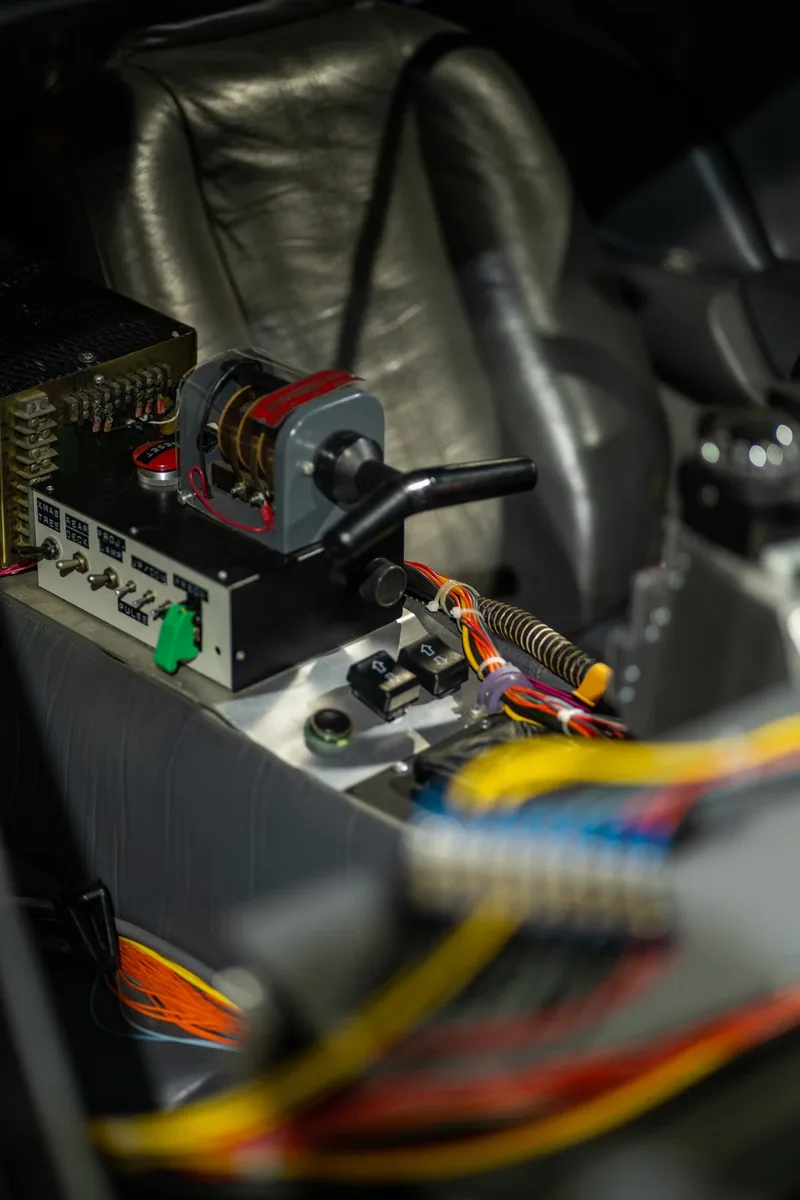
Pin EV và hệ thống lưu trữ năng lượng
Fill cell, module, BMS, tray and cold-plate variation while controlling stress, dielectric safety, vibration and production volume.
Explore EV Battery Materials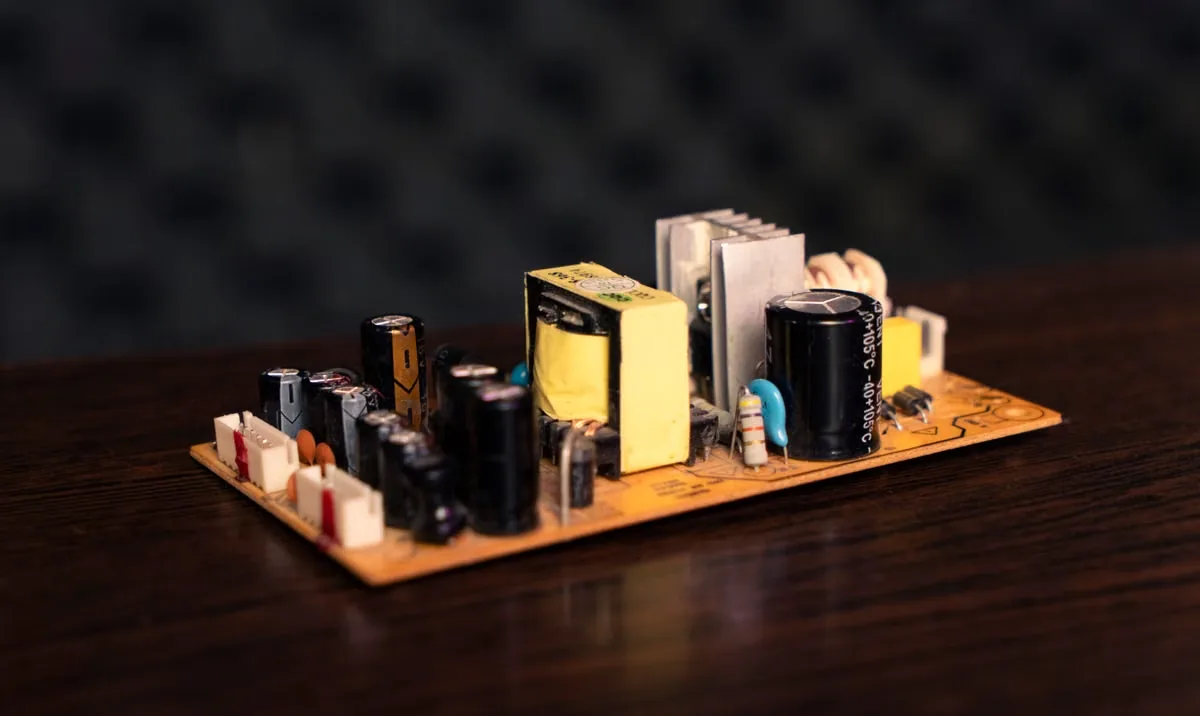
Power Electronics and Inverters
Connect MOSFETs, IGBTs, inductors, converters and boards to heat sinks or metal housings across mixed heights.
Khám phá Điện tử Công suất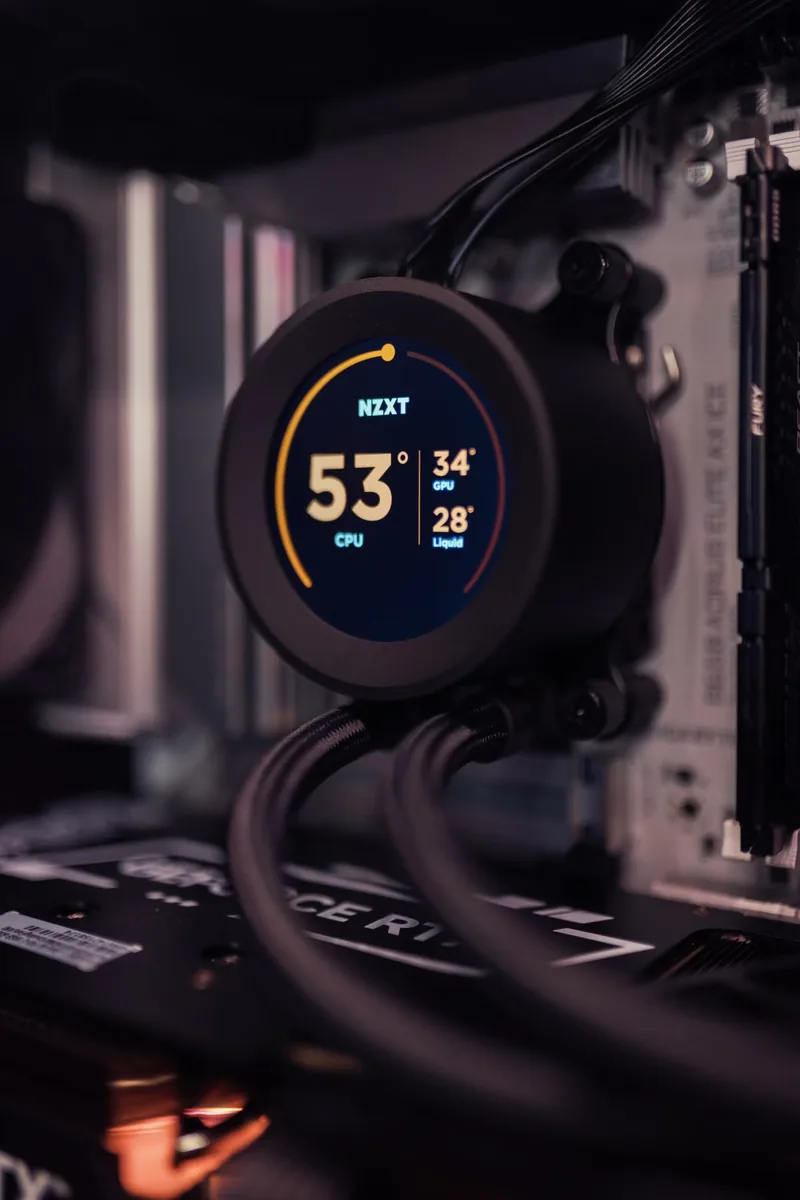
Trung tâm dữ liệu và máy chủ AI
Bridge HBM, memory, VRM, controller and cold-plate gaps with repeatable volume and service-aware cooling.
Khám phá hệ thống làm mát máy chủ AI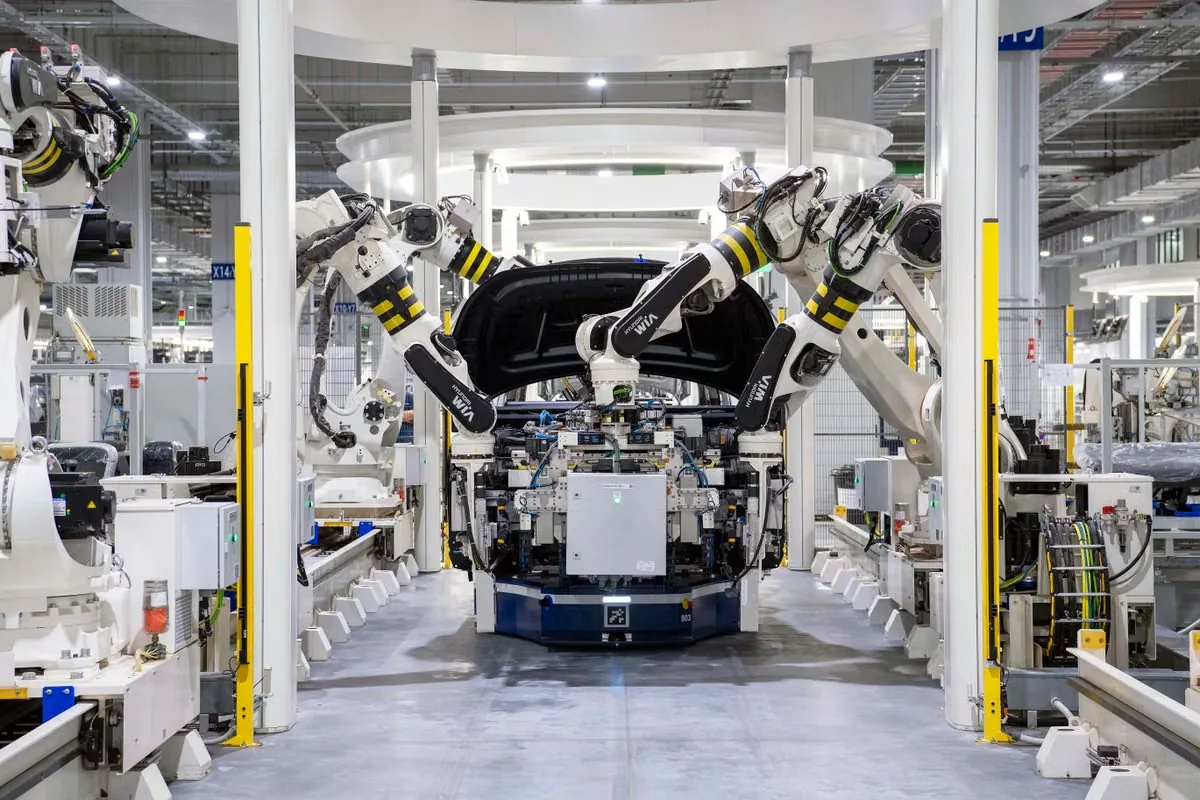
ECU ô tô, ADAS và hệ thống sạc
Hỗ trợ camera, bộ điều khiển và mô-đun nguồn trong các điều kiện sốc, rung, chu kỳ nhiệt và các chương trình thẩm định kéo dài.
Khám phá Điện tử Ô tô
Thiết bị viễn thông và thiết bị ngoài trời
Đáp ứng yêu cầu đối với radio, bộ khuếch đại, mô-đun mạng và vỏ chống chịu thời tiết trong điều kiện vận hành theo chu kỳ và thời gian phục vụ dài ngoài hiện trường.
Khám phá ngành viễn thông và công nghệ 5G
LED và Cụm lắp ráp điều khiển công nghiệp
Trám kín các bộ điều khiển, bo mạch và vỏ với nhiều cấu hình khác nhau, đồng thời đáp ứng yêu cầu về tuổi thọ vận hành dài, tính điện môi và lắp đặt tự động.
Khám phá chiếu sáng LEDPhòng ngừa sự cố
Ngăn ngừa lỗi trong quy trình sử dụng vật liệu lấp đầy khe hở dạng lỏng
Một vật liệu có thể đáp ứng các thông số trong bảng dữ liệu kỹ thuật nhưng vẫn không đạt yêu cầu khi hình học đường keo, thiết bị, thời điểm lắp ráp hoặc các điều kiện về độ tin cậy không được kiểm soát.
Vật liệu underfill, khoảng rỗng và tiếp xúc khô
Thể tích quá ít, thiết kế dạng phân bố keo không phù hợp hoặc tiếp xúc quá sớm có thể khiến không khí bị giữ lại trong vùng truyền nhiệt hiệu dụng.
Gel dư thừa và nhiễm bẩn trong vùng cấm
Quá nhiều vật liệu hoặc không đủ khoảng trống thoát có thể làm ngập các đầu nối, bộ phận quang học, lỗ thông hơi, tiếp điểm hoặc khu vực liên kết.
Độ chảy xệ trước khi đóng kín cụm lắp ráp
Đường keo có thể dịch chuyển trong thời gian chờ hoặc khi thao tác theo phương thẳng đứng, làm thay đổi độ phủ trước khi vỏ đạt đến vị trí cuối cùng.
Tắc nghẽn đầu phun và sai lệch lượng phun
Chất độn, quá trình đóng rắn, nhiệt độ, thời gian không tải và biến thiên áp suất có thể làm thay đổi khối lượng mỗi lần định lượng hoặc khiến quy trình dừng lại.
Hiện tượng bơm trồi, phân tách và lão hóa
Chu kỳ nhiệt và chuyển động có thể làm thay đổi sự tiếp xúc, trong khi hiện tượng lắng chất độn hoặc tách dầu có thể làm thay đổi đặc tính của vật liệu.
Gia công lại và vệ sinh chưa xác định
Cặn, vật liệu đã đóng rắn và các hạn chế về khả năng tiếp cận cần được đánh giá trước khi sản xuất, thay vì sau khi sửa chữa tại hiện trường.
Xác thực và tóm tắt
Xác nhận vật liệu lấp khe dạng lỏng trong cụm lắp ráp hoàn thiện
Việc đánh giá vật liệu cần tái tạo đúng các bề mặt cuối cùng, phân bố khe hở, đường đi của keo, thiết bị, thời gian chờ lắp ráp, quá trình đóng rắn, hướng đặt và đặc tính độ tin cậy.
Khám phá việc lựa chọn và thử nghiệm vật liệuKết quả về nhiệt và lớp keo
Đo nhiệt độ hoặc trở kháng của thiết bị tại diện tích và chiều dày lớp vật liệu sau khi dàn trải hoàn tất, trước và sau quá trình lão hóa.
Độ lặp lại khi bơm
Theo dõi khối lượng mỗi lần bơm, kích thước đường keo, vị trí, hiện tượng kéo đuôi, bọt khí, khả năng nạp lại và độ ổn định khi dừng-khởi động.
Độ tin cậy cơ khí
Thực hiện các thử nghiệm chu kỳ, rung, va đập, chuyển động của vỏ và định hướng dài hạn để phát hiện hiện tượng mất tiếp xúc.
Tương thích về điện và hóa học
Xác nhận đặc tính điện môi, khả năng tương thích bề mặt, hiện tượng tách dầu, thoát khí và các khu vực nhạy cảm lân cận.
Đóng rắn và cửa sổ quy trình
Xác nhận quy trình phối trộn, thời gian sử dụng sau khi trộn, thời gian chờ lắp ráp, mức độ đóng rắn toàn bộ thể tích, độ bền thao tác và bằng chứng kiểm tra.
Gia công lại và hiệu suất sản xuất
Xác định các giới hạn về vệ sinh, thay thế, cặn tồn dư và kiểm tra, cùng với biện pháp xử lý khi có lỗi và tỷ lệ đạt yêu cầu chấp nhận được của dây chuyền.
Từ Nguyên mẫu đến Sản xuất
Mở rộng quy mô vật liệu lấp khe dạng lỏng với cửa sổ quy trình được kiểm soát
Bắt đầu với vật liệu đại diện và cấu trúc xếp lớp rõ ràng, sau đó chuyển gel đã chọn vào thiết bị sản xuất thông qua các thử nghiệm có đo lường và tiêu chí nghiệm thu được lập thành văn bản.
Lọc vật liệu theo khe hở thực tế
So sánh dòng sản phẩm, tính lưu biến, quá trình đóng rắn, độ sạch và kết quả nhiệt cuối cùng trên thiết bị đại diện.
Tiến hành thử nghiệm thiết bị
Xác nhận bao bì, bơm, ống dẫn, vòi phun, đường keo và thời gian chu kỳ với các cài đặt phù hợp cho sản xuất.
Xây dựng quy trình DOE
Thử nghiệm thể tích, tốc độ, áp suất, độ trễ, nhiệt độ và dung sai lắp ráp để xác định khoảng vận hành ổn định.
Phát hành với kiểm soát thay đổi
Cố định vật liệu, bao bì, điều kiện bảo quản, phương thức cấp liệu, đóng rắn, kiểm tra và các phương án thay thế được phê duyệt sau khi thẩm định.
Tài liệu Kỹ thuật
Hướng dẫn thiết kế và thử nghiệm vật liệu lấp đầy khe hở dạng lỏng
Tham khảo các tài liệu kỹ thuật này để được hướng dẫn chuyên sâu về lựa chọn vật liệu lấp đầy khe hở dạng lỏng, hiệu suất nhiệt, thử nghiệm vật liệu và các ứng dụng làm mát thiết bị điện tử.
Phân bón khe hở nhiệt là gì?
Tìm hiểu các dạng vật liệu cơ bản, ưu điểm, hạn chế và ứng dụng làm mát thiết bị điện tử.
Đọc hướng dẫn về vật liệu lấp đầy khe hở nhiệtTìm hiểu về gel tản nhiệt mô đun thấp
Tìm hiểu vì sao độ mềm và lực tác động lại quan trọng đối với các bo mạch, linh kiện dễ hư hỏng và cụm lắp ráp nhạy cảm với dung sai.
Xem xét gel tản nhiệt mô đun thấpCác tiêu chuẩn kiểm tra TIM phổ biến
Đối chiếu dữ liệu được báo cáo về độ dẫn điện, trở kháng, đặc tính điện môi và cơ học với các phương pháp thử nghiệm tương ứng.
Xem xét TIM tiêu chuẩn thử nghiệmDuyệt các vật liệu giao diện nhiệt
Định vị vật liệu lấp khe dạng lỏng trong danh mục đa dạng hơn gồm tấm đệm, mỡ tản nhiệt, vật liệu chuyển pha và vật liệu kết dính.
Khám phá vật liệu giao diện nhiệtKhám phá các thị trường ứng dụng điện tử
Bắt đầu bằng việc xác định thiết bị, nguồn nhiệt, khe hở, môi trường và các ràng buộc sản xuất của hệ thống mục tiêu.
Khám phá các thị trường ứng dụngXây dựng định dạng vật liệu sẵn sàng cho sản xuất
Kết nối công thức, mẫu thử, định lượng và hỗ trợ quy trình với dây chuyền sản xuất thực tế.
Khám phá khả năng tùy chỉnh vật liệuCác câu hỏi thường gặp
Vật liệu lấp đầy khe hở dạng lỏng FAQ
Việc lựa chọn cuối cùng phải được xác nhận bằng thiết bị thực tế, dạng đường keo, khe hở, điều kiện đóng rắn và độ tin cậy.
Vật liệu lấp khe dạng lỏng là gì?
Vật liệu lấp khe dạng lỏng là vật liệu giao diện nhiệt có thể định lượng, được sử dụng để thay thế không khí giữa các linh kiện phát nhiệt không đồng đều và bề mặt làm mát. Vật liệu này phù hợp với các hình dạng bề mặt phức tạp và thường được cung cấp ở dạng gel, bột nhão hoặc hệ đóng rắn tại chỗ.
Vật liệu lấp đầy khe hở dạng lỏng khác gì so với miếng đệm tản nhiệt?
Vật liệu lấp đầy dạng lỏng được định lượng và có thể lấp các khe hở thay đổi hoặc bù cho các chiều cao linh kiện khác nhau với áp suất thấp. Tấm đệm được tạo hình sẵn, có độ dày xác định và hỗ trợ lắp đặt sạch sẽ mà không cần quy trình định lượng vật liệu dạng lỏng.
Gel dẫn nhiệt 1K khác gel dẫn nhiệt hai thành phần như thế nào?
Gel 1K được trộn sẵn nên không cần kiểm soát tỷ lệ phối trộn trực tuyến. Gel hai thành phần hoặc gel đóng rắn sau được định lượng và phối trộn, sau đó đóng rắn sau khi cấp liệu. Loại gel này đòi hỏi kiểm soát thời gian sử dụng sau khi trộn và quá trình đóng rắn, nhưng có thể duy trì hình dạng cuối cùng ổn định hơn.
Mọi vật liệu lấp đầy khe hở dạng lỏng đều cần đóng rắn phải không?
Không. Một số gel và bột trét một thành phần vẫn mềm hoặc được cung cấp ở trạng thái sẵn sàng sử dụng. Các sản phẩm khác đóng rắn sau khi định lượng. Lựa chọn phụ thuộc vào yêu cầu về độ ổn định, khả năng gia công lại, bảo quản và sản xuất.
Độ dẫn nhiệt cao hơn có luôn tốt hơn không?
Không. Nhiệt độ cuối cùng còn phụ thuộc vào độ dày lớp liên kết, khả năng làm ướt, diện tích tiếp xúc, các khoảng rỗng và quá trình lão hóa. Vật liệu có khả năng phân phối và ôm sát tốt có thể cho hiệu quả cao hơn vật liệu có giá trị W/mK cao hơn nhưng tạo ra giao diện cuối cùng kém.
Những yếu tố nào quyết định chất lượng định lượng vật liệu lấp khe dạng lỏng?
Nhiệt độ vật liệu, độ nhớt, bao bì, bơm, ống dẫn, đầu phun, áp suất, tốc độ, kích thước lượng keo, đường đi của đường keo, kiểm soát khí, thời gian chờ và độ trễ lắp ráp đều có thể làm thay đổi kết quả.
Làm thế nào để giảm thiểu lỗ rỗng?
Kiểm soát việc nạp vật liệu, xả vật liệu, vị trí đầu phun, các điểm giao nhau của đường keo, hướng lắp ráp, tốc độ ép kín và đường lan của vật liệu. Xác nhận các khoảng rỗng tại bề mặt tiếp xúc thực tế thay vì chỉ kiểm tra bề mặt đường keo.
Khi nào nên sử dụng gel tản nhiệt không chứa silicone?
Cân nhắc sử dụng hóa chất không chứa silicone gần các bộ phận quang học, camera, tiếp điểm nhạy cảm, rơle, lớp phủ hoặc các công đoạn dán kết phía sau, nơi hiện tượng silicone di chuyển, gây mờ hoặc tách dầu có thể ảnh hưởng đến chức năng.
Chất lấp đầy khe hở dạng lỏng có thể gia công lại không?
Khả năng làm lại phụ thuộc vào thành phần hóa học và trạng thái đóng rắn. Nhiều loại gel hoặc bột trét 1K mềm có thể được loại bỏ dễ dàng hơn so với các hệ đã đóng rắn, nhưng cần kiểm tra lượng cặn còn lại, phương pháp làm sạch và khả năng tiếp cận để thay thế.
Haktak cần thông tin gì để đưa ra khuyến nghị?
Vui lòng cung cấp bản vẽ, phạm vi khe hở, nguồn nhiệt, bề mặt tản nhiệt, nhiệt độ mục tiêu, thể tích đường keo, quy cách đóng gói, thiết bị, vòi phun, điều kiện đóng rắn, yêu cầu cách điện, môi trường làm việc, kế hoạch đánh giá độ tin cậy, số lượng mẫu và sản lượng hằng năm.
Bắt đầu từ khe hở và quy trình
Gửi thông tin về khe hở, đường keo, thiết bị, quá trình đóng rắn và độ tin cậy
Haktak có thể hỗ trợ so sánh các dòng vật liệu lấp đầy khe hở dạng lỏng, đặc tính cấp liệu, quy cách đóng gói và các tùy chọn thẩm định cho nguyên mẫu điện tử và dây chuyền sản xuất.