
Vật liệu tản nhiệt điện tử ô tô
Automotive Electronics Thermal Materials for ECU, ADAS and Infotainment
Control heat, electrical isolation, vibration, moisture and production variation across control units, cameras, radar, domain controllers, displays, power modules and sealed vehicle electronics.
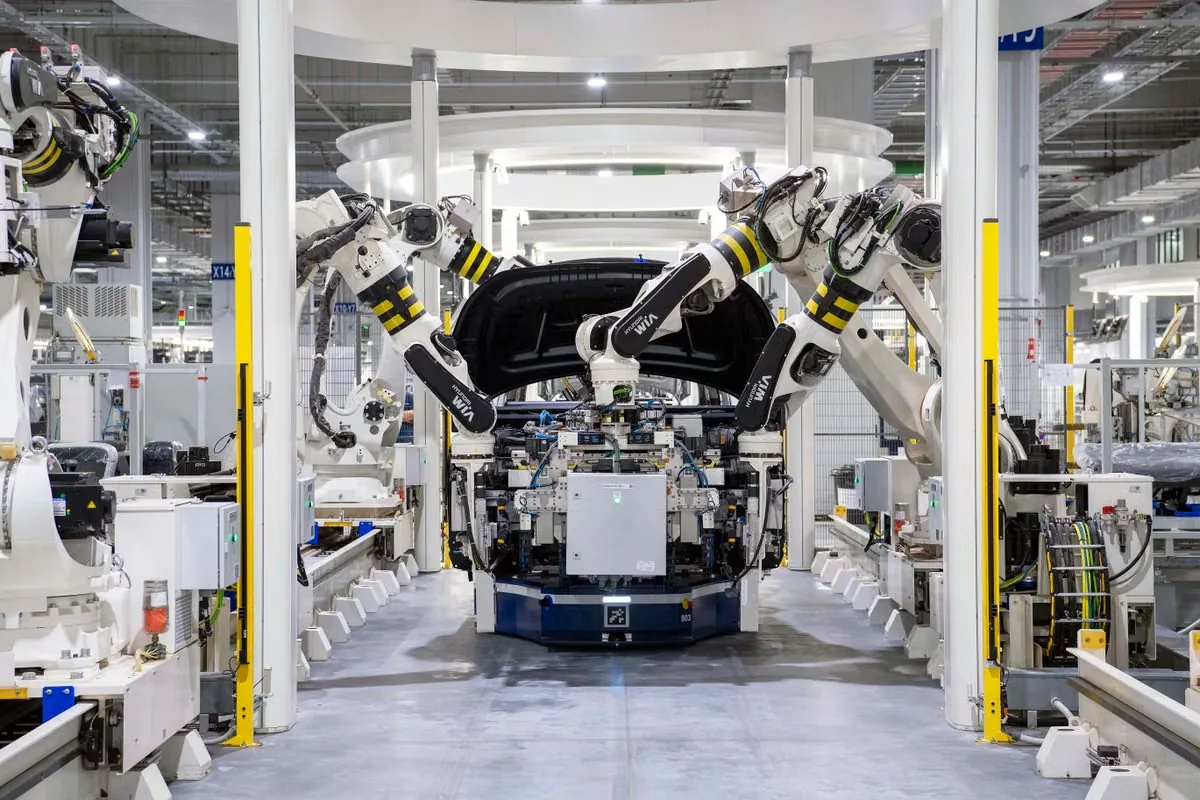
Inside the Vehicle
Map Every Automotive Electronics Thermal Interface
Vehicle electronics do not share one thermal requirement. Location, enclosure, power density, voltage, mounting and exposure determine whether the interface needs heat transfer, protection, bonding or insulation.
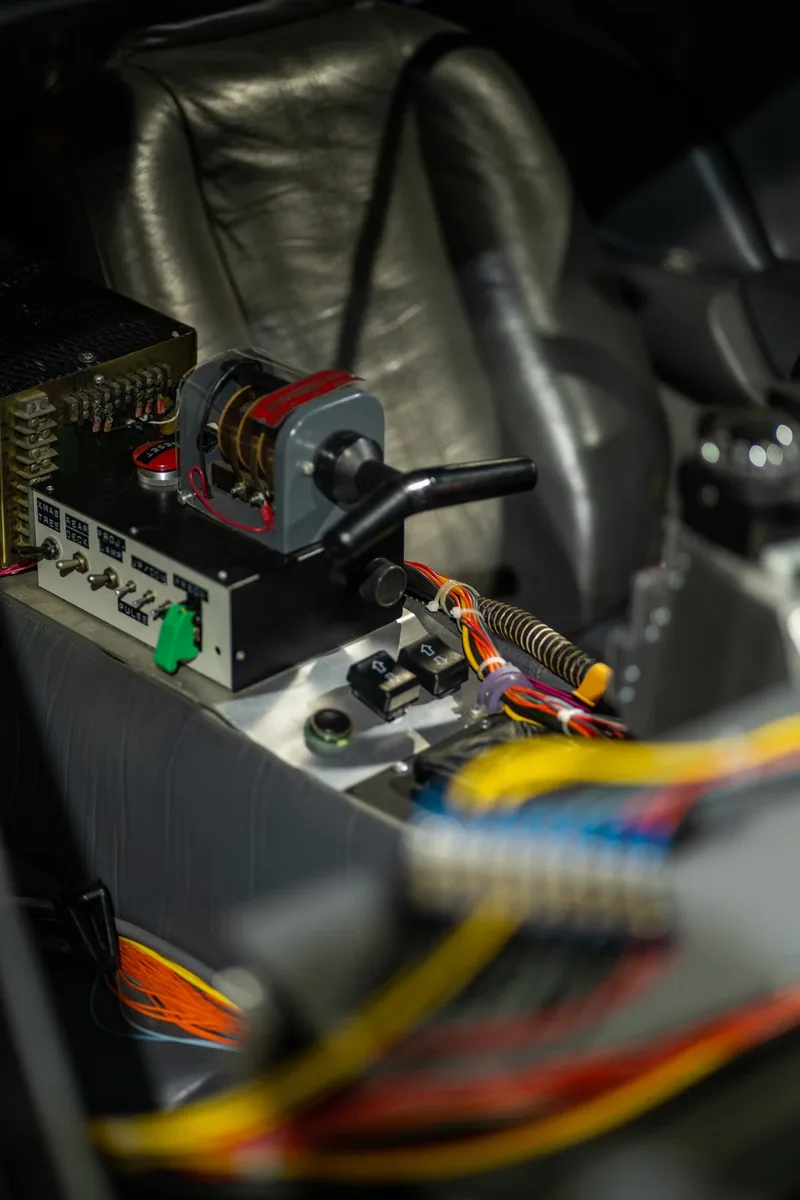
ECU, ADAS and Domain Controller Cooling
Bridge processors, memory, power stages and board-level hot spots into metal housings while limiting PCB and component stress through temperature cycling.
Read the Automotive Thermal Pad Guide →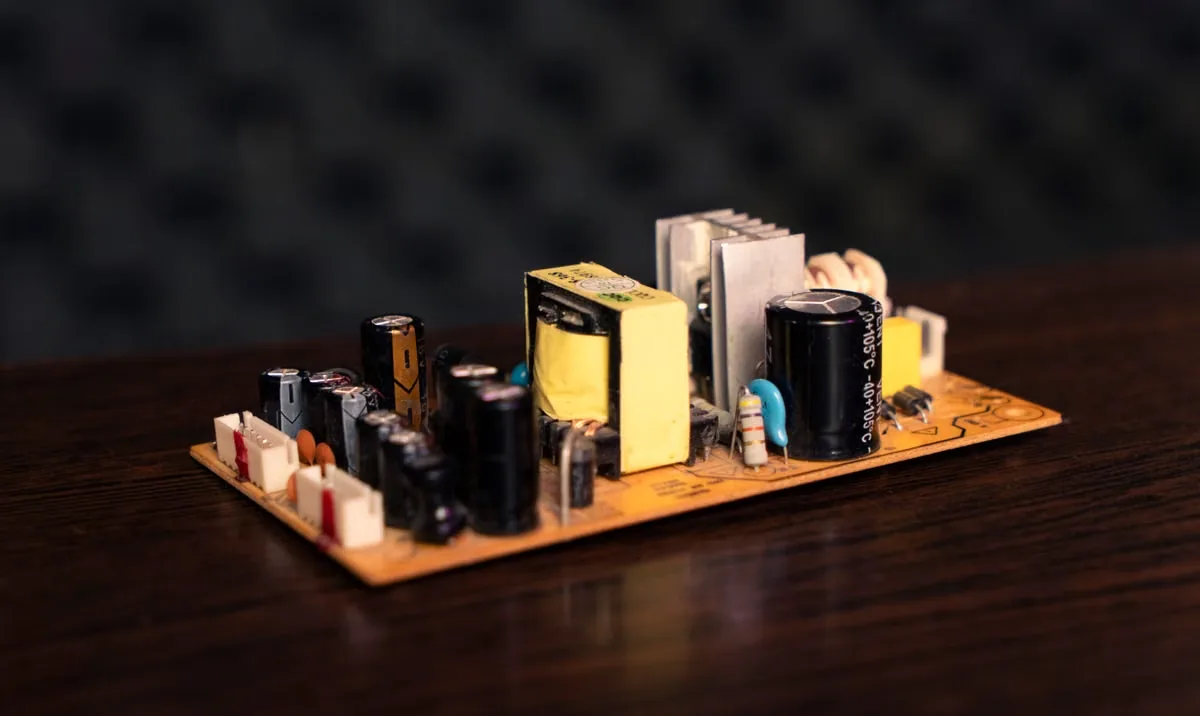
Inverters, Converters and Onboard Chargers
Reduce module-to-cooling resistance while preserving dielectric isolation, controlled mounting pressure and stability under power and thermal cycling.
Review Power Electronics Pad Selection →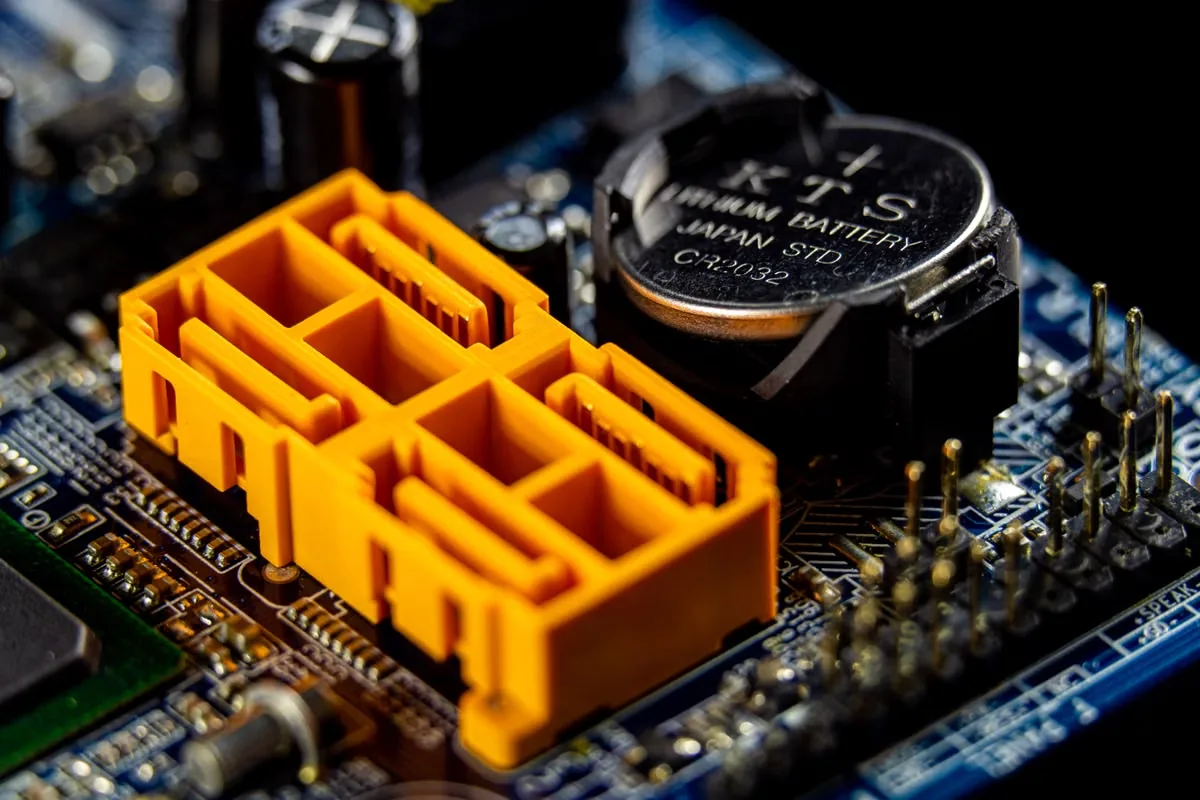
Infotainment, Displays and Connectivity Modules
Manage thin enclosures, displays, processors, radios and connectors while controlling hot spots, material migration and long-term cabin temperature exposure.
Khám phá Keo dán điện tử →Nhóm vật liệu
Choose Automotive Electronics Materials by Function
Start with the real gap, heat path, voltage, module location, chemical exposure and assembly process. Then compare the format that can maintain performance through the qualification plan.
 01
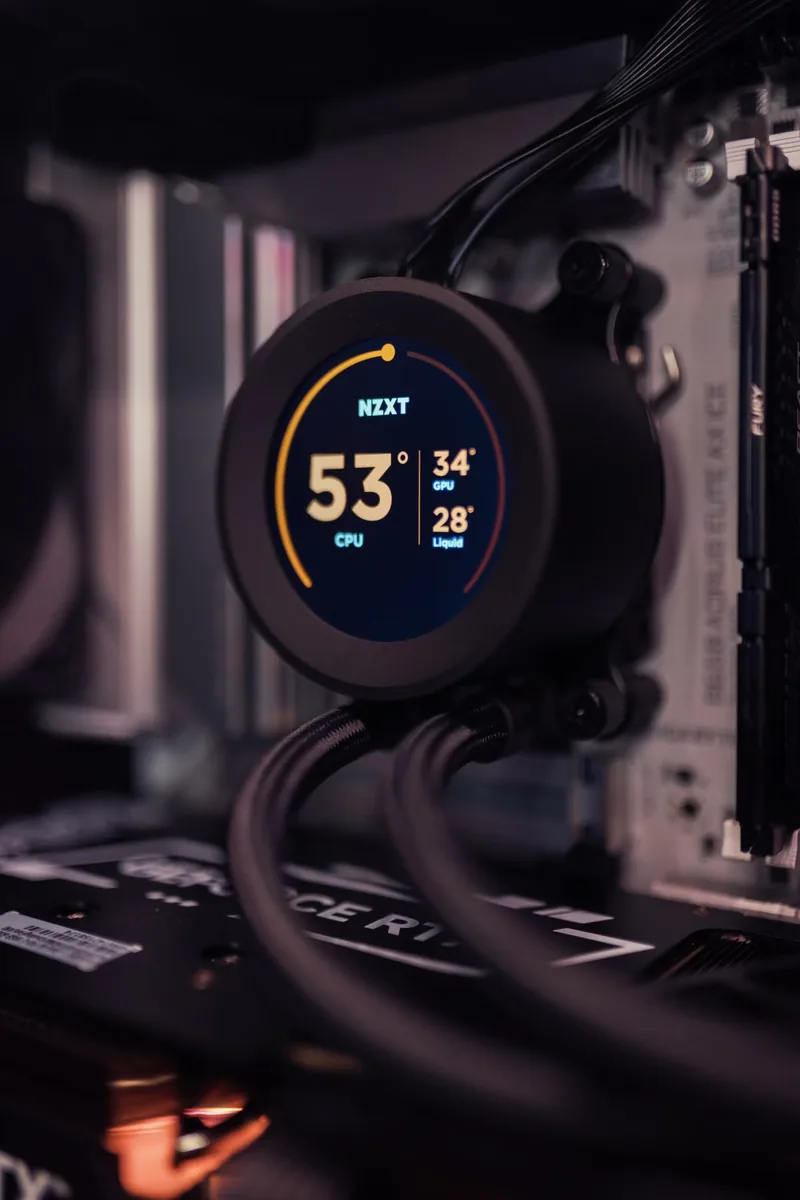
01Automotive Thermal Gap Pads
Provide controlled thickness, dielectric isolation and repeatable placement between components, boards and housings.
- Dạng tờ, dạng cuộn hoặc dạng bế khuôn
- Soft gap-filling contact
- Lắp ráp điều khiển bằng nén
 02
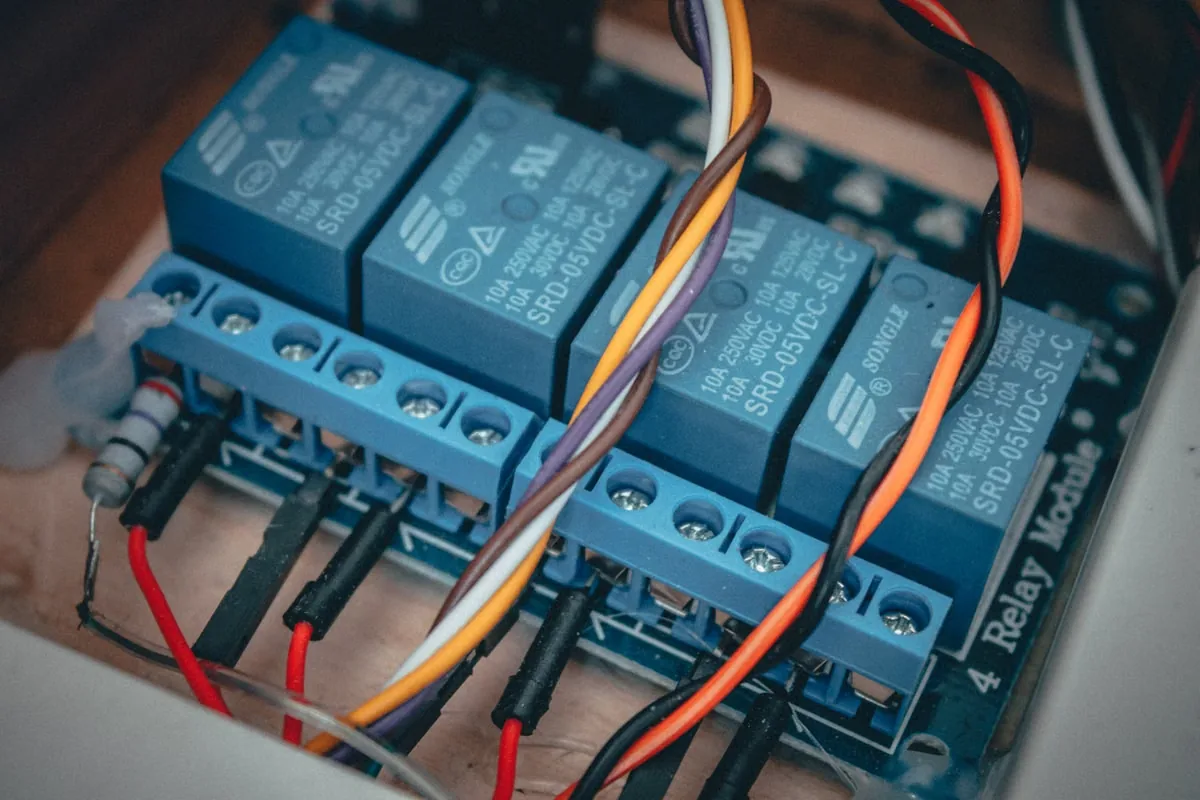
02Dispensable Thermal Gap Fillers
Conform to complex housings and mixed component heights while supporting automated production and low assembly stress.
- Khoảng cách biến đổi và không đồng đều
- Cấp phát thủ công hoặc tự động
- Giao diện lưu hóa mềm
 03
03Thermally Conductive Automotive Adhesives
Combine mechanical attachment and heat transfer for sensors, spreaders, modules and cooling components.
- Liên kết cộng với đường dẫn nhiệt
- Các tùy chọn chữa trị 1K hoặc 2K
- Vibration-resistant attachment
 04
04Fluorosilicone Thermal Pads
Support thermal interfaces that may face oil, fuel vapor, coolant mist, solvents or aggressive under-hood exposure.
- Chemical-resistant elastomer
- Gap filling and dielectric options
- Vật tư cắt theo khuôn tùy chỉnh
 05
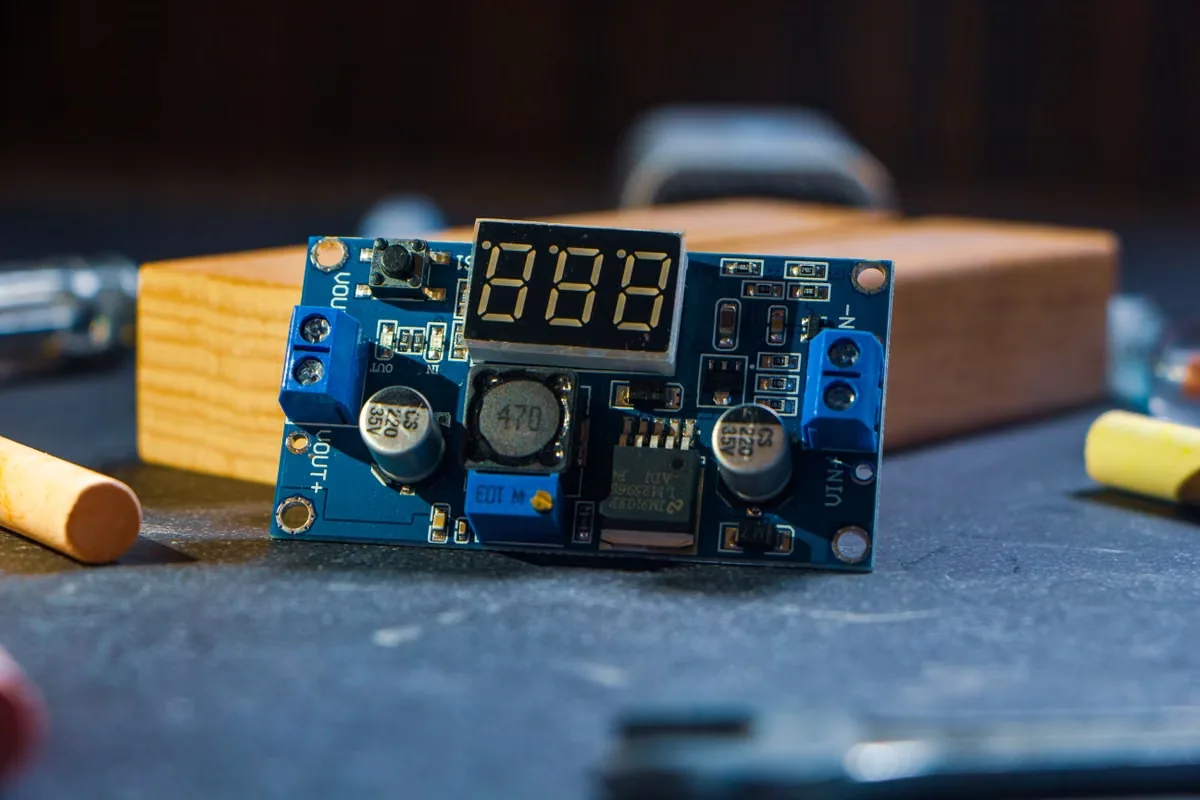
05Silicone-Free Automotive Interfaces
Manage heat near sensitive contacts, cameras, optics, sensors or downstream bonding where siloxane migration matters.
- Yêu cầu tiếp xúc sạch
- Pad or custom shape
- Xác thực khả năng tương thích
 06
06Thermal and Electrical Insulation Pads
Protect sensors, cables, plastics and adjacent electronics by controlling heat exposure and electrical spacing.
- Chức năng cản nhiệt
- Bảo vệ điện môi
- Die-cut placement geometry
So sánh định dạng
Compare Automotive Thermal Pads, Gels, Adhesives and Insulation
The best automotive material is the one that meets temperature, voltage, stress and production targets after cycling—not the option with the highest headline conductivity.
| Định dạng vật liệu | Best-Fit Automotive Interface | Ưu điểm chính | Điểm cần lưu ý khi thiết kế |
|---|---|---|---|
| Miếng tản nhiệt | ECU, ADAS, processor, memory and component-to-housing gap | Độ dày xác định, vị trí lắp đặt gọn gàng và cách nhiệt | Hardness, compression, cut geometry and set |
| Chất lấp đầy khe hở dạng lỏng | Mixed-height PCB, domain controller and large housing cavity | Tuân thủ và phân phối có thể mở rộng | Kiểm soát đường hàn (hoặc hạt keo/hạt đắp), đóng rắn (lưu hóa), bọt khí, độ sụt (hoặc độ chảy) và sửa chữa |
| Keo tản nhiệt | Thin, flat and clamped power-module interface | Low bond line and strong wetting | Pump-out, migration, application volume and service |
| Keo tản nhiệt | Sensor, spreader, heat sink or cooling part requiring fixation | Liên kết và truyền nhiệt trong một quy trình | Độ lưu hóa, mô-đun, độ bám dính và khả năng tháo rời |
| Chất đóng gói hoặc đổ keo | Sealed ECU, sensor, connector and protected electronics cavity | Bảo vệ môi trường và điện môi | Phản tỏa nhiệt, ứng suất, khối lượng, lỗ rỗng và làm lại |
| Tấm cách nhiệt | Between hot zones and temperature-sensitive or high-voltage parts | Heat blocking, spacing and dielectric protection | Heat direction, thickness, edges and aging |
Quy trình lựa chọn
Build an Automotive Electronics Material Brief in Five Steps
A useful material brief connects module location and heat load to gap, voltage, exposure, manufacturing and vehicle reliability requirements.
Map the Automotive Heat Path
Identify the hot components, cooling surface, duty cycle, temperature limit and enclosure path.
Measure the Module Stack
Ghi lại phạm vi khe hở, chiều cao linh kiện, độ phẳng của vỏ, diện tích tiếp xúc, các chi tiết kẹp chặt và dung suất tích lũy.
Define Exposure and Voltage
Confirm dielectric targets, module location, humidity, oil, coolant, fuel vapor and contamination risks.
Chọn Quy trình Sản xuất
Thiết lập các yêu cầu về vị trí đặt pad, định lượng keo, đóng rắn, kiểm tra, khả năng truy xuất nguồn gốc, thời gian nhịp sản xuất (takt time) và sửa chữa.
Validate Vehicle Reliability
Test thermal performance, insulation and contact through cycling, vibration, humidity and aging.
Biến kỹ thuật
What Should Be Specified Before Automotive Electronics Sampling?
Material sampling improves when the candidate represents the actual module stack, location, pressure, voltage and qualification conditions. Share a range when the mechanical design is not frozen.
 The complete module and reliability profile—not one datasheet value—defines performance.
Heat Load and Temperature
Component losses, duty cycle, ambient, coolant or housing temperature, target and peak conditions.
Hình học Khe hở và Tiếp xúc
Minimum, nominal and maximum gap, surface area, flatness, roughness and dimensional tolerance.
Pressure and Vibration
Fastener load, compression limit, PCB and component stress, vibration spectrum and mechanical shock.
Tiếp xúc với Điện và Hóa chất
Working voltage, dielectric target, oil, coolant, fuel vapor, humidity and cleaning chemistry.
Automotive Reliability Profile
Thermal cycling, high-temperature aging, humidity, vibration, service life and qualification plan.
Manufacturing and Traceability
Placement or dispense method, cure, cycle time, inspection, lot controls and rework strategy.
Phòng ngừa sự cố
Prevent Automotive Thermal Interface and Adhesive Failures
A material can pass an initial temperature check and still lose contact, insulation, adhesion or process consistency after vehicle cycling and environmental exposure.
Excessive Pad Compression and PCB Stress
A pad that is too hard or too highly compressed can overload packages, solder joints and boards.
Hướng dẫn nén đánh giáContact Loss After Temperature Cycling
Compression set, cracking, pump-out and housing movement can increase interface resistance over time.
Xem các lỗi miếng đệm tản nhiệt thường gặp →Biên độ điện môi không đủ
Cut edges, voids, compression and aging can reduce the real insulation margin in high-voltage modules.
Đọc Hướng dẫn về cách điện →Silicone Migration Near Sensors and Contacts
Optics, cameras, relays, switches and downstream bonding may require a silicone-free material strategy.
Compare Non-Silicone Materials →Moisture, Dust and Fluid Ingress
Housing seams, connectors and incomplete coverage can expose electronics despite using a protective material.
Kế hoạch bảo vệ chống nước và chống bụi →Sinh nhiệt khi đổ keo và ứng suất sau đóng rắn
Large encapsulation volumes can generate heat and shrinkage stress around boards, connectors and sensors.
Lên kế hoạch cho hệ thống trồng câyVehicle Platforms
Match Materials to Automotive Electronics Applications
Module location, power density, sealing, voltage and qualification requirements change the ideal balance of softness, conductivity, chemical resistance and cure.

EV Powertrain and Battery Electronics
- High voltage and power cycling
- Liquid-cooled power modules
- Dielectric and vibration control

Telematics, V2X and Connectivity Modules
- RF and processor heat sources
- Sealed compact enclosures
- Long continuous operation
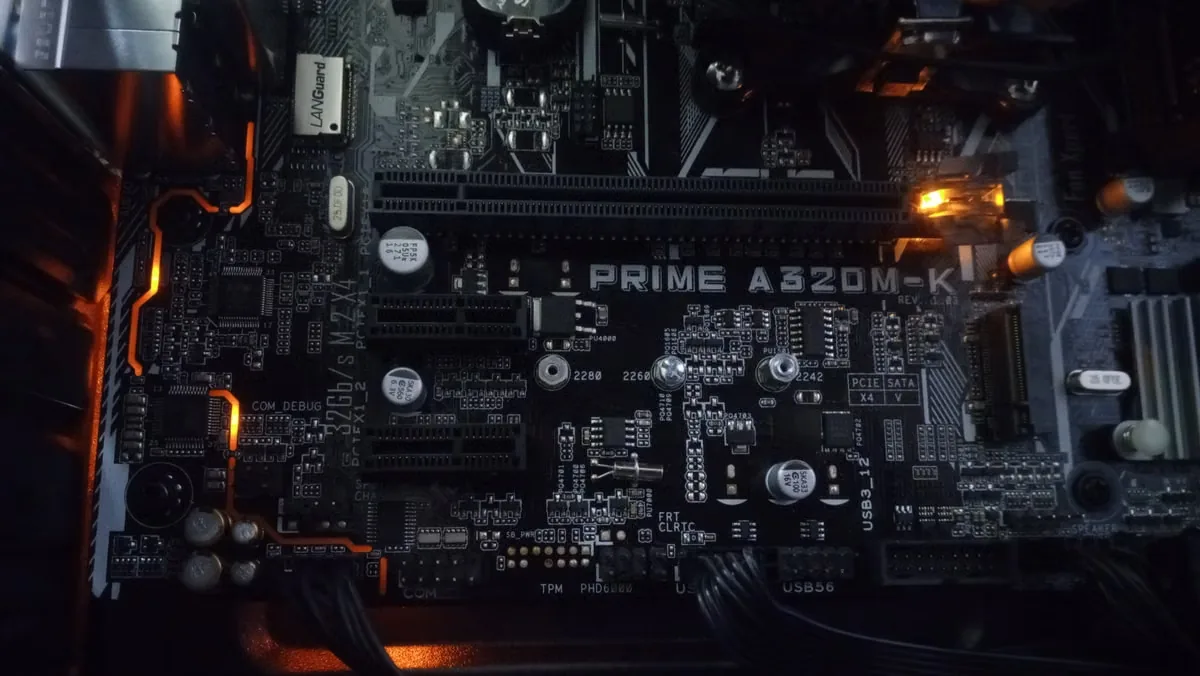
Automotive LED Lighting and Drivers
- LED board-to-housing transfer
- Optical cleanliness
- Heat and moisture aging
Body, Chassis and Safety Controllers
- Rung động và va đập cơ học
- Mixed board-level hot spots
- Long qualification horizon
Kế hoạch thẩm định
Validate Automotive Electronics Materials in the Real Module
Material data narrows candidates. Module-level testing confirms whether thermal, electrical and mechanical performance remain stable through the vehicle qualification profile.
Khám phá Lựa chọn và Thử nghiệm Vật liệu →Hiệu suất nhiệt
Measure component-to-housing temperature or impedance at actual gap, pressure and power.
Nén và Ứng suất
Xác nhận phân bố tải trọng, giới hạn lực, khả năng phục hồi độ dày và tiếp xúc sau khi gia nhiệt (lão hóa).
An toàn điện
Validate dielectric strength, insulation resistance and cut-edge integrity after compression.
Tiếp xúc với môi trường
Test humidity, oil, coolant, fuel vapor, cleaners, salt or module-specific chemicals.
Độ tin cậy cơ khí
Run vibration, shock, thermal cycling, adhesion and contact-stability evaluations.
Năng lực sản xuất
Kiểm tra vị trí, cấp keo, đóng rắn, kiểm tra, khả năng truy xuất nguồn gốc, nhịp sản xuất và sửa chữa.
Từ Nguyên mẫu đến Sản xuất
Scale Automotive Electronics Materials With Process Control
Haktak can support material formulation and delivery format. Share module drawings, gap ranges, environmental exposure, dispense equipment, qualification plan and annual volume early.
Thuộc tính vật liệu tùy chỉnh
Tinh chỉnh độ dẫn điện, độ cứng, độ nhớt, tính chất điện môi, khả năng kháng hóa chất và quá trình lưu hóa.
Gia công cắt bế
Supply pads and insulation parts with holes, tabs, liners and placement-ready geometry.
Hỗ trợ cấp phát
Align gel or adhesive packaging with bead shape, shot size, equipment and cycle time.
Mẫu thử nghiệm
Compare material formats and property ranges before module validation and production release.
Tài liệu Kỹ thuật
Automotive Electronics Thermal Management Guides
Use these guides to define thickness, tolerance, bond line, contamination and adhesive requirements before automotive qualification.
Automotive ETC Thermal Pad Selection
Review automotive operating conditions, compression and thermal requirements for compact modules.
Read the Automotive Selection Guide →Dung sai độ dày miếng tản nhiệt
Understand how manufacturing variation and final compression influence contact and stress.
Độ dung sai chiều dày →Độ dày đường liên kết ảnh hưởng đến hiệu suất như thế nào
See why final interface thickness belongs in every automotive material comparison.
Xem lại Hiệu ứng Liên kết-Đường thẳngLow-Outgassing Thermal Materials
Consider optics, contacts, cameras and sensitive surfaces where volatile contamination matters.
Read the Low-Outgassing Guide →Khả năng dẫn nhiệt của chất kết dính là gì?
Connect attachment, thermal transfer, cure and mechanical reliability in vehicle electronics.
Đọc Hướng dẫn về Keo dán nhiệt →Browse Haktak Automotive Materials
Review available thermal interface, adhesive, sealing and encapsulation product families.
Xem tất cả sản phẩm →Các câu hỏi thường gặp
Automotive Electronics Thermal Material FAQ
Final selection should be validated in the real ECU, ADAS, infotainment or power module and its qualification profile.
Which thermal material is commonly used in an automotive ECU?
Soft thermal pads and dispensable gap fillers are common for transferring heat from processors, power devices and board components into the metal housing. The better format depends on gap variation, pressure, insulation, dispensing and rework.
What should be considered for an ADAS thermal pad?
Consider processor and memory heat, camera or radar sensitivity, gap range, allowable pressure, optical cleanliness, vibration, thermal cycling, housing flatness and long-term contact stability.
When is a fluorosilicone thermal pad useful?
Fluorosilicone can be considered when the thermal interface may contact oil, fuel vapor, coolant mist or aggressive chemicals while still requiring softness, heat transfer and dielectric protection.
Is higher thermal conductivity always better for automotive electronics?
No. Final temperature also depends on compressed thickness, contact resistance, pressure, surface conformance and aging. A balanced material can outperform a higher-W/mK option that is too thick or firm.
Can an automotive thermal material also provide structural bonding?
Yes. Thermally conductive adhesives can attach sensors, spreaders and modules while transferring heat, but cure, modulus, adhesion, cycling, vibration and serviceability must be evaluated together.
Haktak cần thông tin gì để đưa ra khuyến nghị?
Share module type and location, heat sources, gap, contact area, pressure, voltage, fluids or chemicals, temperature profile, vibration, qualification tests, assembly process and expected volume.
Start With the Complete Vehicle Profile
Send the Module, Gap, Heat Load and Qualification Requirements
Haktak can help compare thermal pads, gap fillers, adhesives, insulation and potting materials for ECU, ADAS, infotainment and automotive power electronics.