In the realms of aerospace, defense, medical technology, and high-performance electronics, material selection is often the difference between success and failure. One specialized category of performance materials — 低アウトガス熱材料 — occupies a unique niche in thermal management design. These materials merge two vital traits: 優れた熱伝導性 そして 化学物質の放出を厳格に管理 真空または高温条件下で。衛星から光学機器まで、デリケートなシステムに携わるエンジニアにとって、これらの材料の仕組みと重要性を理解することは、単なる学術的な話ではない:ミッションの成否に直結します。.

この包括的なガイドでは、〜を深く掘り下げます 何 low outgassing thermal materials are, なぜ they matter, どのように they’re measured, and ここで they’re used. We’ll also discuss performance metrics, manufacturing considerations, and practical insights into selecting the right low outgassing solution for your application.
1. The Basics: What Is Outgassing?
ガス放出 refers to the release of volatile chemicals from a solid material when it experiences reduced pressure (like in a vacuum) or elevated temperature. These volatile compounds can include residual solvents, unreacted monomers, additives, or breakdown products of complex polymers. When materials used in electronics, vacuum chambers, spacecraft, or optical systems shed these gases, the result can range from benign to catastrophic — condensation on optics, sensor contamination, electrical degradation, or loss of vacuum integrity.
What Causes Outgassing?
At the molecular level, all materials contain small amounts of trapped gases or loosely bound chemical species. Influenced by:
- 熱 — elevated temperatures can accelerate molecular movement and release,
- 真空 — reduced pressure encourages molecules to escape into the surrounding environment,
- 材料化学 — certain polymers or additives are more prone to releasing volatile compounds,
…these conditions amplify outgassing. In harsh environments such as space or high-vacuum manufacturing, any released gas can condense on cooler surfaces and create contamination films, degrading performance or causing failures.
2. What Makes a Material “Low Outgassing”?

A material earns the designation 低アウトガス性 when it releases minimal volatile content under standardized test conditions. The most widely referenced benchmark for such evaluation is ASTM E595, a test method originally developed for aerospace applications.
Critical ASTM E595 Metrics
In this test:
- TML (Total Mass Loss): measures how much mass the material loses when exposed to vacuum at elevated temperatures.
- CVCM (Collected Volatile Condensable Material): measures how much of that mass ends up as condensable vapor — the stuff that could deposit on nearby surfaces.
A material might be considered 低アウトガス性 if it meets:
- TML ≤ 1.0%
- CVCM ≤ 0.1%
制御された水蒸気放出 (WVR) と組み合わせることで、これらの数値は宇宙機や高感度光学機器などの厳しい環境への適合性を示します。.
3. Thermal Materials That Can Be Low Outgassing
低アウトガス要件を満たすよう設計できる熱材料は数多くあります—しかし すべての熱伝導材料が同じように作られているわけではありません. For example:
サーマルインターフェースマテリアル
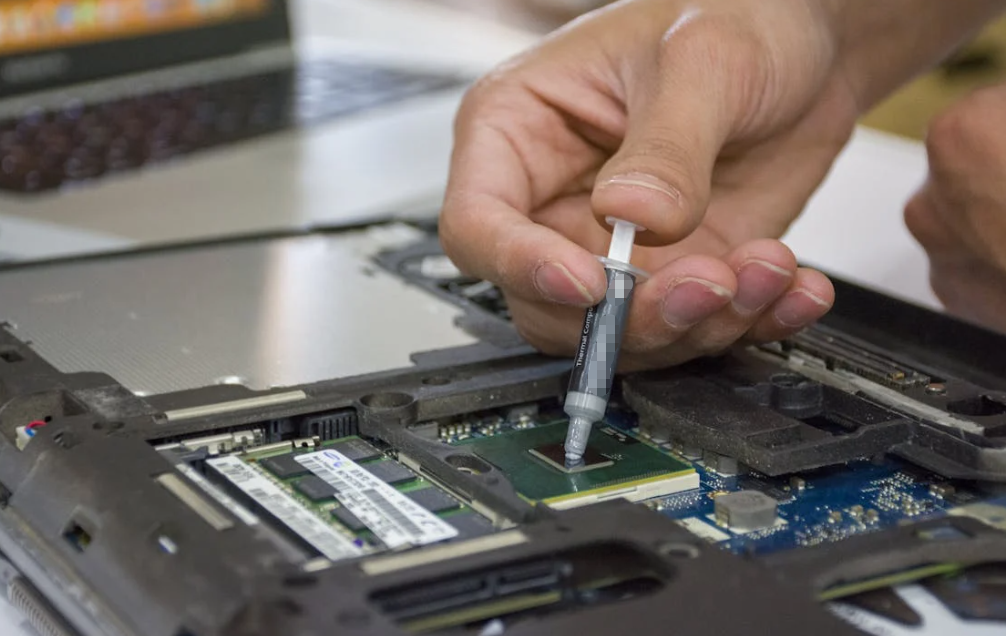
These include 熱伝導パッド, サーマルグリス, ギャップフィラー, adhesives, and specialty silicone materials — all designed to bridge heat paths between components. Thermally conductive silicone pads or グリース are common, but conventional versions can release volatile siloxanes over time, especially under heat cycling.
低アウトガス TIMs are specifically formulated or cured to remove or reduce volatile residues. Certain silicones undergo post-curing or vacuum bake steps to ensure volatile siloxanes and low molecular weight compounds are minimized.
Epoxy and Polymer Composites
High performance thermally conductive エポキシ樹脂 熱伝導性を高めるため銀, セラミック粒子, またはグラファイトなどのフィラーを用いて設計できます. 低アウトガス規格を満たすよう配合した場合, これらの材料は宇宙または真空環境におけるダイアタッチ, 接着, および構造的な熱伝導などの用途で特に有用です.
金属およびセラミックス
アルミニウム, 銅, またはAlSiC (アルミニウム-炭化ケイ素)などの複合材料は揮発性有機物を含まないため本質的に低アウトガス特性を示します — このため真空および航空宇宙用途で信頼性の高い材料となります.
4. 熱材料で低アウトガス性が重要な理由

優れた熱伝導性を備えていることは重要です — しかし純度と安定性が不可欠なシステムに材料を組み込む場合はアウトガスにより最先端の熱対策材料でさえその利点が損なわれる可能性があります.
光学汚染
アウトガスとして放出された分子は、レンズやセンサーなどの光学部品上で凝縮し、画像品質を低下させる曇りや堆積物を形成する可能性があります — これは、カメラ、望遠鏡、光学検査装置において重大な懸念事項です。.
電気的故障
電子機器では、アウトガスの凝縮物がPCB表面やコネクタ上に薄膜を形成し、表面導電性を変化させて、信号の不整合や短絡を引き起こす可能性があります。.
真空健全性の低下
半導体製造や宇宙機試験に使用される真空チャンバーでは、アウトガスを発生する材料によって真空度が低下し、製造歩留まりの低下やシステム校正への影響が生じる可能性があります。.
5. 低アウトガス熱伝導材料の主要性能特性
低アウトガス熱伝導材料を選定する際、エンジニアはアウトガス特性だけでなく、次の特性も評価します:
熱伝導率
高い熱伝導率により、効率的な熱伝達が可能になります。エポキシやTIMなどの材料では、充填材や配合に応じて、値は中程度(~1-10 W/m·K)から非常に高い(>50 W/m·K)まで変動します。.
熱安定性
材料は性能劣化を起こすことなく温度変動に耐え、長期のデューティサイクルにわたって性能を維持する必要があります。熱安定性は低アウトガス性と相関することが多く、不安定な化合物は揮発性化学種を生成しやすいためです。.
機械的追従性
一部のサーマルインターフェース材には、表面の曲率や熱膨張差に対応する性能が求められます。機械的追従性と熱性能のバランスが重要です—特にデリケートなアセンブリでは重要です。.
化学的適合性 互換性
低アウトガス性のサーマルコンパウンドは、隣接する材料との適合性を備えている必要があります—金属、セラミックス、光学コーティングと意図しない反応を起こしてはなりません。.
6. 低アウトガス熱伝導材料の使用分野
これらの特殊材料の用途は多岐にわたりますが、いずれにも共通する点があります: 精度 そして、極限環境下での信頼性。.
航空宇宙 & 宇宙システム
衛星電子機器、宇宙ペイロード、探査機は、高真空環境と極端な温度変動下で動作します。スタートラッカー、カメラ、分光計などの機器の汚染を防ぐには、低アウトガス熱伝導材料が不可欠です。.
防衛 & 軍用電子機器
防衛システムでは、光学系やセンサーが照準システムまたは監視プラットフォームに組み込まれており、材料からのアウトガスがミッションの有効性を損なうおそれがあります。.
医療 & 光学機器
高精度の医療用画像診断装置、スキャンシステム、ラボオートメーション機器では、環境の清浄度を維持し、無菌環境または高感度環境へのアウトガスを最小限に抑える熱マネジメント材料が不可欠です。.
半導体製造
リソグラフィや真空処理チャンバーなどの製造設備では、真空状態を損なったり、ウェハーや光学部品を汚染する揮発性副生成物を発生させたりしない材料が求められます。.
7. 適切な低アウトガス性サーマル材料の選定
適切な材料を選定するには、以下について十分に理解する必要があります:
- 性能要件: 熱伝導率、電気特性、機械的要件
- 環境制約: 真空度、温度範囲、曝露時間
- 規格および適合性: ASTM E595、NASAのアウトガス基準、ECSS規格
- 長期信頼性: 熱サイクル耐性、接着性、適合性
材料を評価するエンジニアにとって、文書化されたアウトガスデータと試験レポートを確認することは、試作試験を開始する前であっても材料の健全性を確保するうえで重要です。.
8. よくある誤解とFAQ
経験豊富なエンジニアでも、用語や性能に関する主張を取り違えることがあります。よくある誤解を明確にしましょう:
- 熱伝導率 単独では低アウトガスを保証しません — a high-conductivity filler in a volatile polymer matrix can still release significant gases.
- Low outgassing isn’t only for space — vacuum processing, medical optics, and advanced defense systems also demand these materials.
- ASTM E595 is a performance baseline, not a performance ceiling — some applications require stricter outgassing control depending on sensitivity.
9. 結論
Understanding “What Is Low Outgassing Thermal Material” is more than just learning a definition — it’s appreciating the intersection of thermal engineering, material science, 、および real-world application needs. Low outgassing thermal materials — from space-rated silicones to high-performance epoxies and metal composites — are foundational for systems where performance and reliability cannot be compromised.
Whether you’re designing a satellite thermal panel or a cutting-edge sensor module, choosing materials with the right balance of conductivity and chemical stability is essential. As the demand for smaller, faster, and more precise electronics continues to grow, so too does the importance of materials engineered to perform under the harshest conditions.
10. よくある質問 (FAQ)
What does “low outgassing” mean in thermal materials?
Low outgassing refers to materials engineered to release minimal volatile compounds under heat or vacuum, reducing contamination risks.
Why is low outgassing important?
It prevents condensation on optics, maintains vacuum integrity, and ensures stable performance in precision systems.
How is outgassing measured?
Outgassing is typically measured using ASTM E595, which quantifies total mass loss (TML) and collected volatile condensable material (CVCM).
Can thermal pads be low outgassing?
Yes — when specifically formulated and cured, thermal pads can meet low outgassing standards for sensitive applications.
Are metals low outgassing?
Generally, yes — metals and ceramics don’t contain volatile organics and are inherently low outgassing.