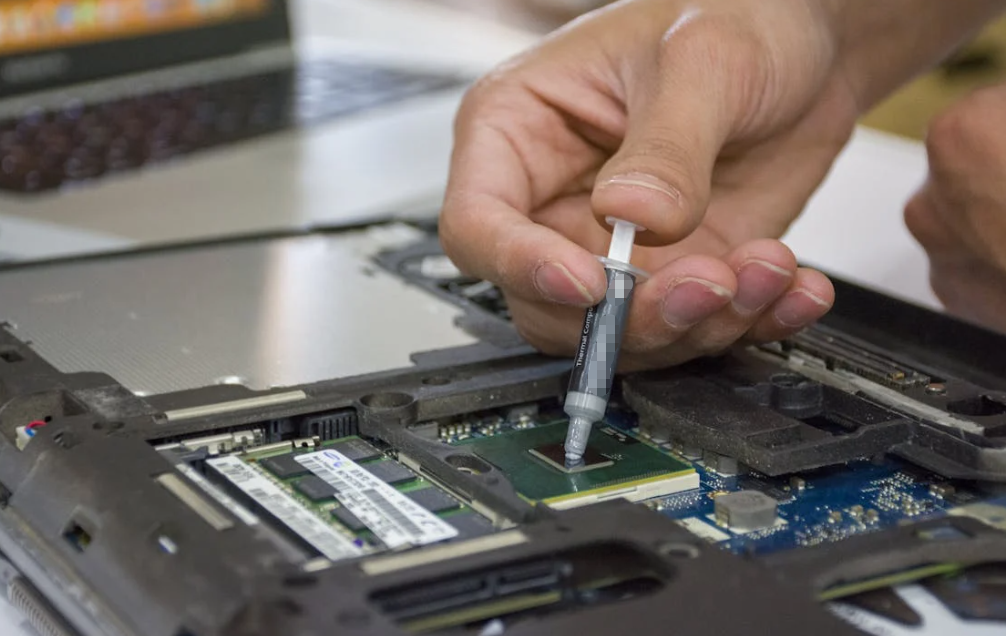
Thermal management solutions — from thermal pads to phase change materials — have become indispensable in modern engineering. Among them, 熱伝導グリース (別名 熱伝導グリス または サーマルインターフェースマテリアル) is widely used to enhance heat transfer between components. But as electric appliances such as electric kettles or heaters continue to evolve in performance and reliability, a frequent and important question arises:
Can thermal grease be used in electric kettles or heaters?
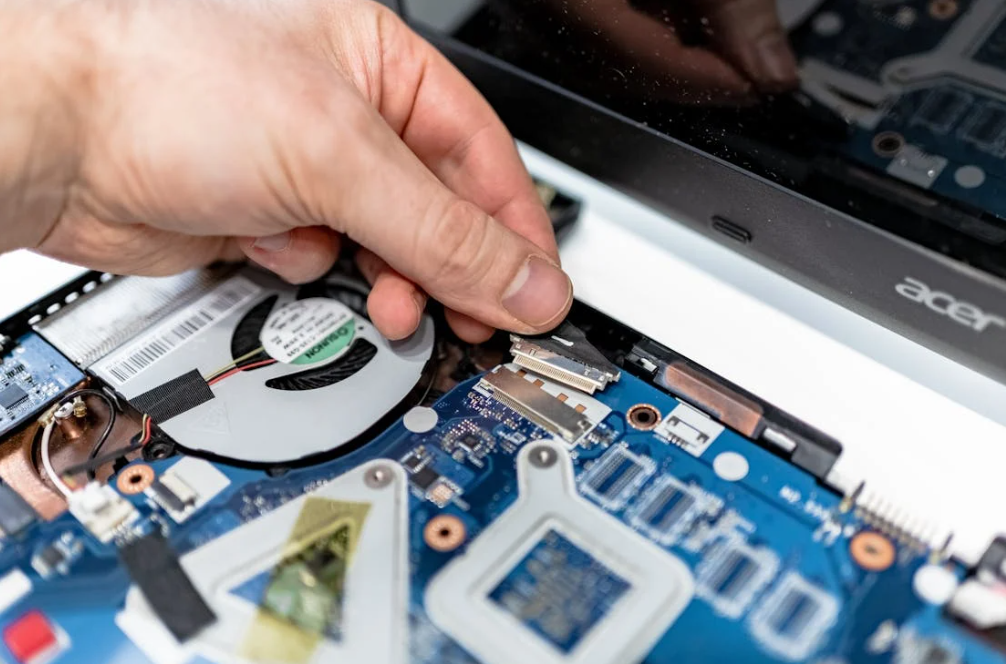
At first glance, this might sound like an unusual pairing. Thermal grease lives in the world of electronics and semiconductor cooling, while kettles and heaters are household appliances designed for robust, sustained thermal cycles. The short answer is: not typically — and only under very specific conditions, if at all.
In this article, we’ll take a deep dive into what thermal grease actually does, how it works, its design limitations, and why it is (in most cases) not the right choice for direct use inside electric kettles and heaters. We will also highlight relevant materials that あれ suitable for such applications.
What Is Thermal Grease?
熱伝導グリス は thermally conductive, non-curing compound that fills microscopic air gaps between two surfaces to improve heat transfer. It’s a specialized 熱伝導材(TIM) intended to bridge irregular contact surfaces — for example, between a CPU and its heat sink — where air gaps would otherwise impede heat flow.
Most thermal greases are composed of:
- A polymer base (e.g., silicone or synthetic oil).
- Thermal conductive fillers such as zinc oxide, aluminum oxide, ceramic fillers, graphene, or even metal particles.
- Optional additives to enhance stability, viscosity, and temperature tolerance.
Because thermal grease is designed for contact between solid components, it is especially effective when both surfaces remain in close mechanical contact and operate within a controlled temperature range.
How Thermal Grease Works: The Interface Bridge
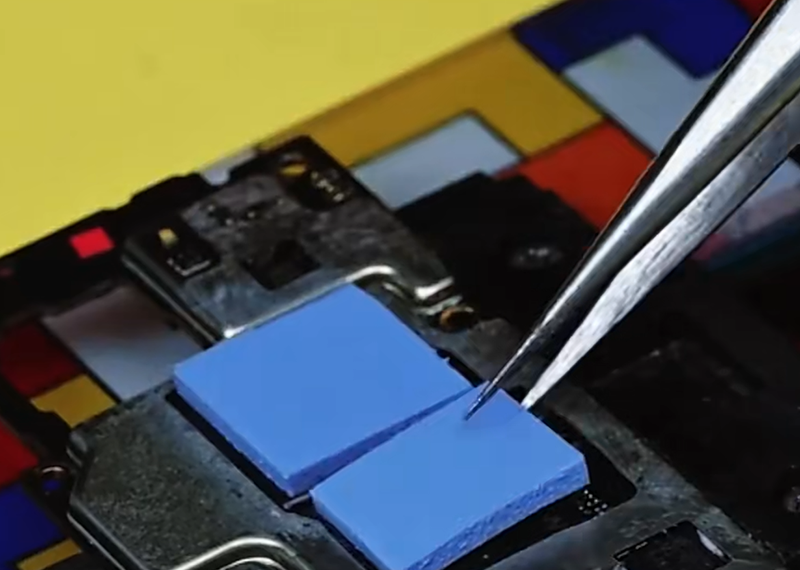
One of the biggest barriers to heat transfer is air — a poor conductor of heat with a very low thermal conductivity. At microscopic levels, even polished surfaces have tiny imperfections and gaps, which trap air and create thermal resistance.
Thermal grease works by:
- Filling those microscopic gaps.
- Creating a continuous thermal pathway 表面間に.
- Reducing contact resistance and increasing heat transfer efficiency.
This makes thermal grease ideal for electronics — circuits, processors, LED modules, power electronics — where heat must be rapidly transferred from a hot spot to a heatsink or spreader.
However, in electric kettles or heaters, the environment and design requirements are fundamentally different.
The Operational Realities of Electric Kettles and Heaters
Electric kettles and heaters operate in fundamentally high-temperature, water-involved, and often humid environments. Typical characteristics include:
- High contact with water or steam.
- Temperatures often above 100°C, sometimes exceeding the operational range of standard thermal greases.
- Complex mechanical and thermal stresses.
- Continuous thermal cycling.
- Exposure to potential moisture condensation and impurities.
An electric kettle’s heating element is designed to transfer heat directly to water through conduction and convection. The element is encapsulated or coated to provide contact with water, and its performance is not limited by micro-gaps between two solid components — the mechanism is fundamentally different from electronic heat transfer.
Why Thermal Grease Is Unsuitable for Most Electric Heaters and Kettles

Temperature Limitation
Standard thermal greases are engineered for applications where temperatures are maintained below certain thresholds (often in the range of -40°C to 120°C, depending on formulation).
Many heaters and kettles operate continuously at temperatures well above thermal grease’s effective working range. While high-temperature TIMs exist, they are typically specially formulated and expensive — far different from consumer thermal paste used for CPUs.
Water Exposure Risks
Electric kettles and water heaters are inherently exposed to moisture and water contact. Introducing thermal grease into this environment can result in:
- 汚染 of the grease.
- Breakdown of thermal properties due to water absorption.
- Slugging or migration of grease into unintended areas.
- Potential interference with safety components like thermostats.
Thermal grease is not designed as a waterproof heat transfer medium — heat transfer in these appliances is achieved by direct metal-to-liquid contact.
Mechanical and Safety Constraints
In consumer products like kettles or heaters, safety standards require certified materials and processes. Thermal grease is a temporary interface material, not a permanent joiner or adhesive. In contrast:
- Heating elements are often welded, brazed, or mechanically crimped.
- Thermal grease provides no mechanical adhesion.
- Grease may interfere with safety mechanisms like thermostats or cut-offs.
For these reasons, mainstream product engineers do not specify thermal grease in these applications.
When Thermal Grease Could Possibly Be Used in Heater Systems
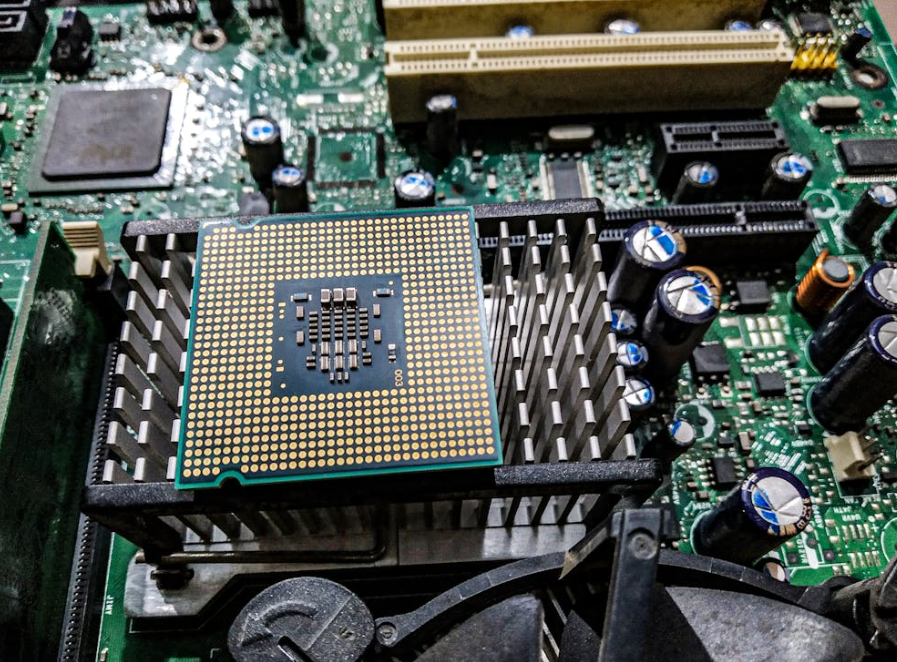
While standard electric kettles are not appropriate, there あれ niche or highly specialized cases where products inspired by thermal interface materials might be useful — but with caveats.
Indicators That Thermal Grease Might Be Considered
You might encounter scenarios like:
Thermowells and Sensor Probes
In temperature sensors mounted in thermowells — such as in boilers or high-temperature heaters — thermal grease can improve thermal contact between the sensor and the well. This is not direct use for heating water but for improving temperature measurement accuracy.
Stationary Industrial Heat Transfer Interfaces
In some industrial heating systems (e.g., hot oil or heat exchanger units), thermal interface materials may be used between flanges or surfaces to ensure better thermal conduction — but only when engineered for those temperatures and environments.
Limitations in These Niche Use Cases
Even in the above scenarios:
- Thermal grease must be formulated for extreme temperatures (>150°C+).
- The grease must not degrade under humidity, pressure, or cyclic load.
- Proper sealing must be included to prevent moisture ingress.
These conditions align more with industrial TIMs than typical consumer-grade thermal pastes.
Alternative Materials for Thermal Management in Electric Kettles and Heaters

Instead of thermal grease, appliance designers and engineers usually rely on more appropriate materials such as:
熱伝導性接着剤
Thermal adhesives are often used to bond heating elements to metal surfaces, providing both thermal conduction and mechanical strength.
相変化材料
In some advanced appliances, phase-change pads or infused metals help store and release heat effectively without relying on greases.
サーマルパッド
In specific electric heater sensor applications or power electronics associated with heating systems, 熱伝導パッド provide a stable interface without liquid grease.
Heat Spreaders and Engineered Interfaces
Heatsinks, fins, and spreaders made from aluminum, copper, or ceramic composites are often engineered to manage temperatures in appliances.
In contrast, thermal grease remains the go-to solution for heat sink-to-component interfaces in electronics — CPUs, GPUs, LED modules, power electronics, and similar fields.
Design Principles: Why Thermal Grease Works in Electronics — but Not Water Heaters
There are three key engineering principles that explain this distinction.
Direct vs. Indirect Heat Transfer
In electronics, heat must travel through gaps and interfaces between solid components. Thermal grease addresses this gap by increasing contact conductance.
In heaters and kettles, the heating element directly transfers heat to water — the interface is solid to liquid, not solid to solid. The design simply doesn’t benefit from grease.
Environment and Stability
Electronic thermal interfaces operate in controlled, dry environments. Electric kettles operate in humidity, steam, and high thermal stress.
Safety and Reliability Standards
Electrical safety standards for consumer appliances are stringent. Components like thermostats, thermal fuses, and wiring rely on predictable thermal behavior. Introducing a grease not tested or certified for those operational conditions is risky.
Can You Use Thermal Grease for Heating Element Repairs or Modifications?
A common DIY question is whether thermal paste can help with heating element repair or temperature sensor performance.
Heating Element Repair
No. Heating elements degrade through oxidation or burnout. Thermal grease won’t restore electrical continuity or prevent heat damage in water heaters.
Temperature Sensor Interfaces
In rare cases where a sensor fails due to poor contact with its housing, a properly rated thermal paste designed for higher temperatures might improve thermal coupling. But it is a thermally-rated TIM, not a consumer CPU paste.
重要: Ordinary thermal paste often has a maximum continuous operating temperature that doesn’t exceed 120-150°C. Typical water heater elements operate at that margin or above, so standard pastes can degrade, volatile components can outgas, and performance suffers.
Key Takeaways for Engineers and Consumers
Here’s a practical summary:
| Scenario | Is Thermal Grease Appropriate? | Notes |
| Electric kettle heating element | いいえ | Designed for direct water contact and mechanical attachment, not grease interface |
| Heater coil / industrial heater | Generally No | Heat transfer methods differ — greases aren’t sealed thermal bridges in these cases |
| Temperature sensor interface (thermowell) | Maybe | With high-temp grease and appropriate sealing |
| Electronics heat sink applications | はい | Standard use case for thermal grease |
| High-temp industrial TIM applications | Rare | Only with engineered, certified materials |
結論
Thermal grease is a powerful thermal interface material — but it’s suited to solid-to-solid interface heat management, not direct use inside electric kettles or heaters.
While grease improves heat transfer by filling microscopic gaps in electronics, the design and operational conditions of kettles and heaters — water contact, high heat, and safety requirements — make thermal paste an inappropriate and potentially unreliable solution.
If your goal is better thermal performance in a kettle or heater, consider established thermal interface strategies that are designed and certified for those environments — including thermal adhesives, mechanical mounting solutions, and purpose-built heat transfer components.
As always, safety and product specifications should guide material choices.
FAQs (よくあるご質問)
Can I put thermal grease between a kettle’s heating element and chassis?
No. Thermal grease is not designed for direct water contact or high thermal stress in such environments.
Does thermal grease improve water heating speed?
No. Electric kettles transfer heat directly to water; thermal grease will not speed this up.
What is a heat transfer material used in kettles?
Kettles rely on engineered heating elements, metal housings, and insulation — not TIMs like thermal grease.
Can thermal grease withstand boiling water temperatures?
Standard thermal greases are often not rated for prolonged exposure to temperatures above ~120-150°C. Many kettles reach or exceed this.
What should I use instead of thermal grease for heating system sensors?
Use purpose-built high-temperature TIMs or thermal adhesives recommended by the sensor manufacturer.