
薄いボンドラインのサーマルインターフェース
薄い接合層でクランプ固定する電子機器インターフェース向け低熱抵抗グリース
電子機器の発熱源と冷却面の間の界面熱抵抗を、組み立て後の熱経路に合わせて選定したグリースで低減します。最高のW/m·Kだけを基準にせず、濡れ性、最終ボンドライン、クランプ荷重、塗布方法、使用時の安定性を適合させてください。.
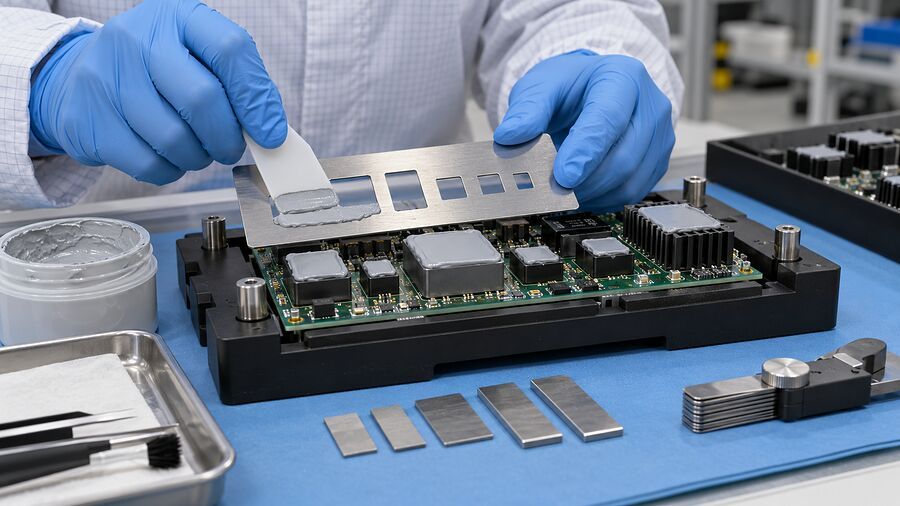
パフォーマンスGrease, surfaces, bond line and the mounting system determine the final result together.
Thin, reasonably flat heat-source-to-cooler contact
A wetting compound, not a structural gap filler
Dispense, screen or stencil print, then mount
Coverage, impedance, cycling, bleed and service
Start with the actual interface
What Is Low Thermal Resistance Grease?
Low thermal resistance grease is a thermally conductive interface compound selected to replace insulating air in surface roughness and form a thin, continuous heat path between a component and its cooler.
表面の谷部に到達
一見滑らかな金属表面やパッケージ表面にも、微細な凹凸があります。コンパウンドは両方の界面を濡らし、乾いた部分を残さずにそれらの空隙を埋めなければなりません。.
仕上げ層を管理
実用上の目標は実際の表面間で維持できる完全な界面のうち最も薄い状態です。余分なグリースは熱伝導経路を長くし; 不足すると全面を被覆できない可能性があります。.
使用中も接触を維持
実装荷重、変形、温度変化は、組み立て後の被覆範囲に影響します。初期抵抗が低くても、界面が製品の許容範囲内に維持されなければ、その効果は限定的です。.
同じ条件で比較する
グリースの熱抵抗と熱伝導率の比較
Conductivity describes the bulk material. Installed resistance also depends on geometry and the two surface contacts. Keep units and test conditions attached to every comparison.
| 指標 | そこからわかること | 何を記録するか |
|---|---|---|
| 熱伝導率, k | バルク材料の熱伝導を表し, 一般に単位はW/m·Kです. 実装界面全体は含まれません. | 方法、温度、試験片の準備、およびその値が納入されたコンパウンドを示すものかどうか。. |
| 熱抵抗、R | 定義された経路を通過する熱流量に対する温度差の比で、通常はK/Wで表されます。. | 測定境界、面積、最終厚さ、熱流量、表面処理、および圧力。. |
| 面積規格化界面熱抵抗 | TIMのデータシートでは熱インピーダンスとして記載されることが多く, K·cm²/Wや°C·in²/Wなどの単位が使用されます. | ソースの定義を確認してください。面積の正規化、BLT、圧力、温度、試験方法を一致させてください。. |
| 部品温度 | デバイスの実際の電力および冷却条件下でのシステムレベルの結果。. | センサー位置、電力、周囲環境、冷却器の境界条件、実装方法、およびエージング後の変化。. |
R ≈ t/(k·A) + Rcontact,1 + Rcontact,2. 。実際のアセンブリでは、熱拡散などの影響が加わる場合があります。データシートの値を混在させる前に読む 熱伝導率と熱インピーダンスのガイド データシートの値を混在させる前に。.明確な選定基準
低熱抵抗グリースが適するのはどのような場合か
まず形状と取り付けシステムを確認し、次に配合を評価します。材料だけで不適切な界面設計を補うことはできません。.
目に見える隙間ではなく、薄い接触層
比較的平坦な接合面では、グリースが適する場合があります。公称のCAD寸法だけでなく、接触面積、粗さ、組み付け後の変形を確認してください。.
最適用途: 想定される実装条件下で連続的に被覆される、短い熱伝導経路.
荷重は安全な範囲内に収まります
認定済みのクランプシステムを使用して、パッケージを損傷したり基板を反らせたりすることなく材料を広げてください。圧力を高めれば常によいとは限りません。.
最適用途: 再現性のある位置合わせ、締結順序、デバイスと材料の両方の制限値内の荷重.
メンテナンス可能なインターフェースは安定性を維持できます
スクリーンの動き、温度、清浄度、取り外しの必要性。大きな公差のばらつきや、対応していない隙間には、別のTIM形状が必要になる場合があります。.
最適用途: 代表的な経時劣化試験およびリワーク試験に合格する、カバレッジと熱性能を備えたハードウェア。.
比較可能な実証データを求める
比較すべき低熱抵抗グリースの仕様
単独の代表値ではなく、実装時の層を基準に比較資料を作成してください。Haktakのグレード固有データが必要な場合は、該当するデータシートおよび試験条件をご請求ください。.
この表はエンジニアリング用チェックリストであり、架空の製品ラインアップや数値性能を保証するものではありません。.
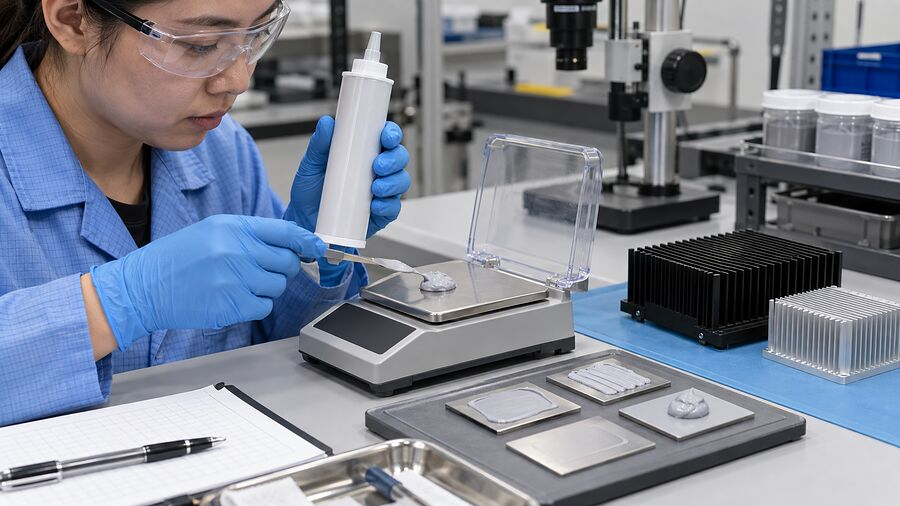
目標値と試験条件を送信
インターフェース要件書を確認| 仕様書 | その重要性 | 記録すべき条件 |
|---|---|---|
| 実装時熱インピーダンス | 候補材料を完全な界面測定結果に紐付けます。. | 単位、測定方法、基板、温度、BLT、面積、圧力。. |
| 最終的な結合線の太さ | 短い経路長と完全な濡れ性のバランスを取ります。. | 組立後の最小、公称、最大厚さ、平面度、フットプリント。. |
| レオロジーと塗布 | 印刷、ポンプ搬送、離型、拡がりを制御します。. | 温度、せん断/測定方法、ノズルまたはステンシル、アイドル時間、ショット再現性。. |
| クランプおよび圧縮挙動 | 濡れ広がり、はみ出し、デバイス荷重に影響します。. | 取り付け手順、荷重分布、ばね、熱変形、および許容基板ひずみ。. |
| ブリード、揮発性、および適合性 | 熱伝導経路と近傍の影響を受けやすい表面を保護します。. | 曝露温度/時間、向き、実際のコーティング、接点、プラスチック、および洗浄剤。. |
| 電気的挙動 | 絶縁または導電性エッジのリスクを判定します。. | グレード別の誘電特性/抵抗率に関するエビデンス, 電圧, エッジクリアランスおよび汚染. |
| 経時劣化と保守性 | 初期測定では見逃されるドリフトを明らかにします. | 電力/熱サイクル, 振動, 保管, 分解時の状態および交換後-結果. |
材料と方法を一体で適格性評価する
管理された薄いボンドラインを実現するサーマルグリースの塗布
清浄で適合性のある表面を確保する
承認済みの洗浄手順で、古いコンパウンドおよび適合しない残留物を除去します。溶剤との適合性と乾燥を確認し、接合面に傷を付けないでください。.
Control quantity and spread path
Choose dispense, screen or stencil printing around the footprint. Qualify volume, pattern, equipment temperature and air control. No single dot size suits every processor or power module.
組み立てられたインターフェースを確認してください
Follow the hardware’s approved load and fastener sequence. Check coverage, squeeze-out, voids and temperature using a representative validation method, not wet deposit height alone.
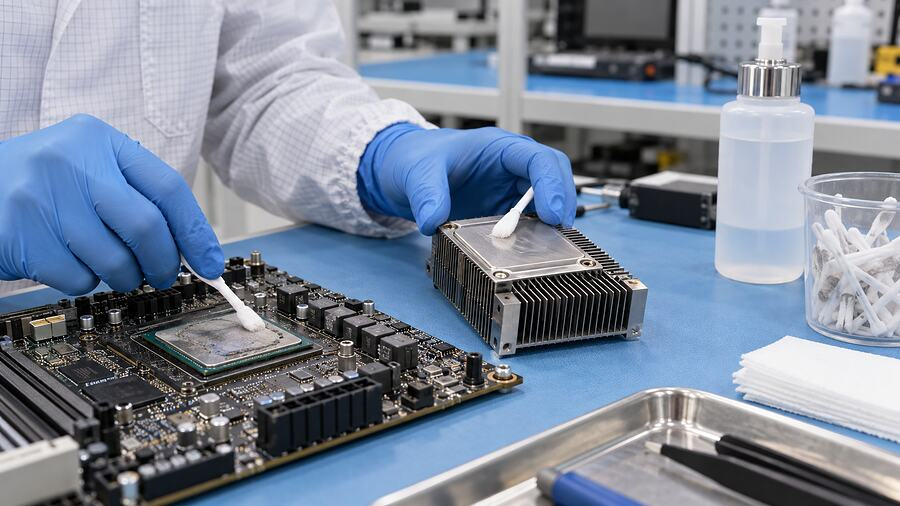
The surface is part of the specification
Lock cleaning, application and mounting conditions before transferring a hand trial to production.
アプリケーション主導型スクリーニング
Low Thermal Resistance Grease for Electronics Applications
Use these as candidate application contexts, not automatic qualification. Every interface needs its own thickness, electrical and lifetime evidence.
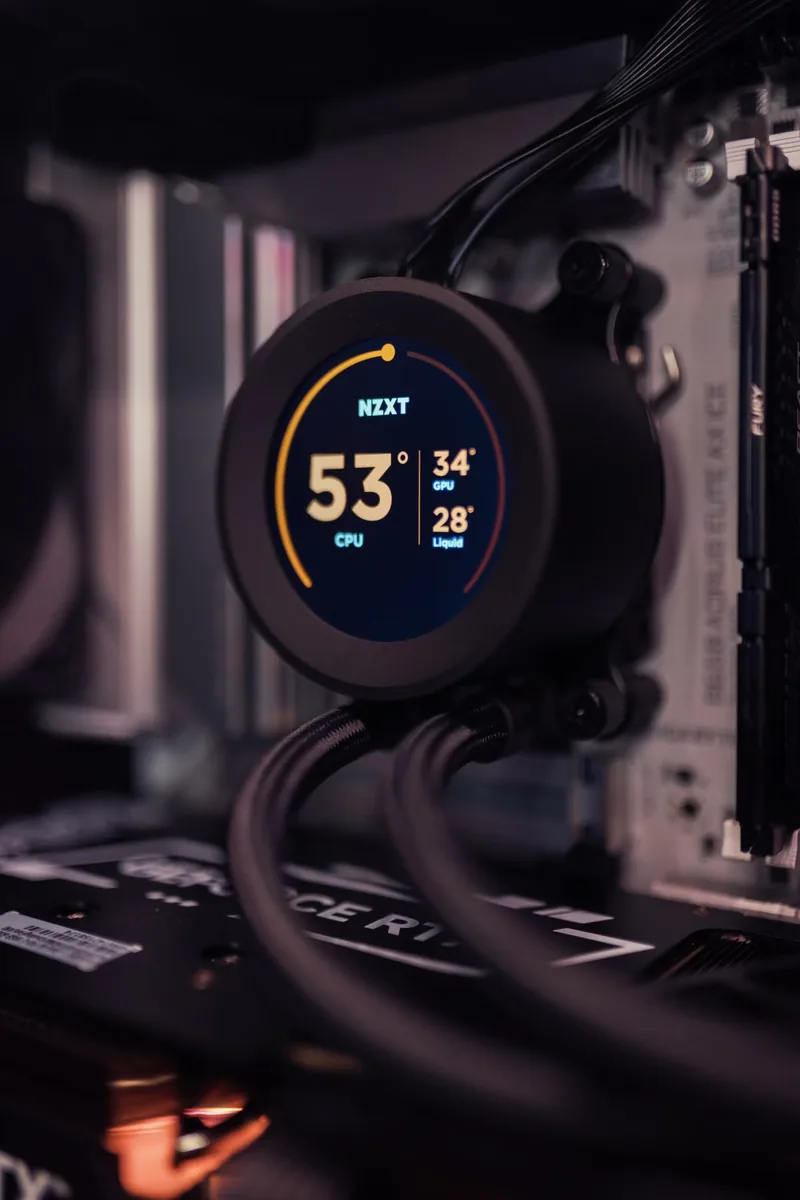
Processor-to-cooler interfaces
Screen continuous coverage between the package or lid and cooler. Compare temperature and drift under the intended power, mounting and service conditions.
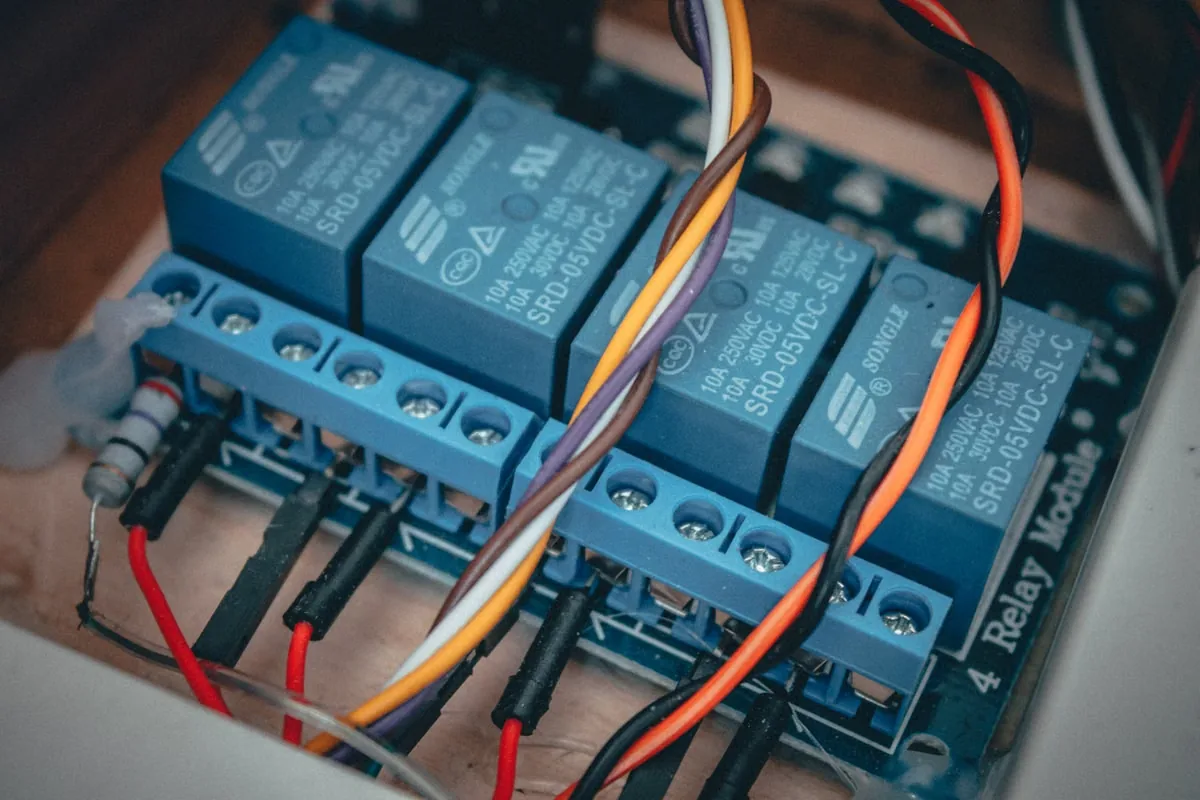
Controls and power electronics
Evaluate thin mounted heat-source interfaces within the system. Larger power-module bases additionally require flatness, mounting instructions and power-cycle validation.
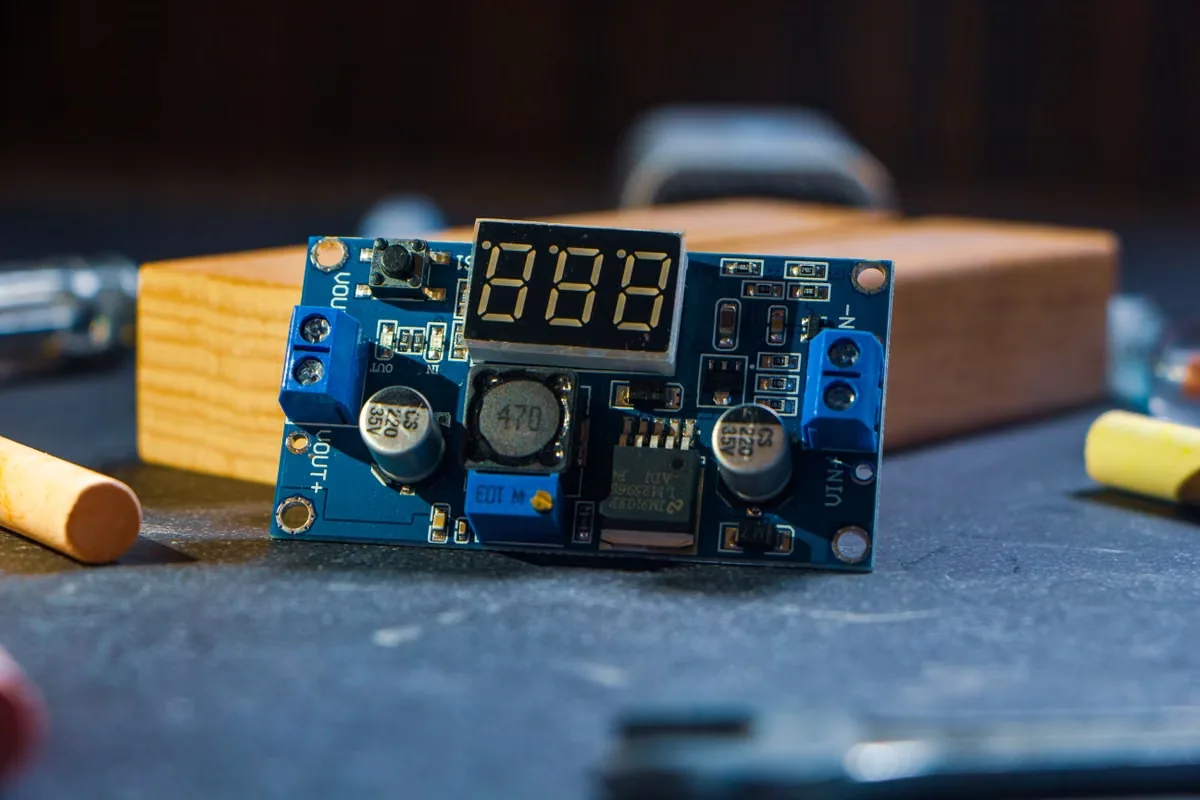
Boards, spreaders and housings
Check the actual metal-backed board or module interface. Confirm insulation strategy, assembly load, operating temperature and compatibility before selecting grease.
Look beyond day-one temperature
Prevent Thermal Grease Pump-Out, Bleed and Dry-Out
Similar temperature drift can have different causes. Combine thermal measurements with teardown evidence and mounting records before changing formulation or process.
Pump-out and contact loss
Expansion, warpage and load changes can displace compound from the hot region. Inspect center coverage, edge buildup and the clamp system after representative cycling.
Oil bleed and migration
Carrier separation can affect nearby contacts, optics or bonding zones. Evaluate actual surfaces and exposure conditions; silicone-free does not mean zero bleed.
Dry-out and hardening
Carrier loss or aging may reduce wetting and leave a stiff layer. Track the thermal result and material condition, not visual appearance alone.
Test the finished heat path
Validate Low Thermal Resistance Grease After Assembly
Use the same hardware, measurement boundaries and acceptance criteria before and after exposure. Include worst-case tolerances and service procedures.
Establish the initial result
Record surfaces, deposit quantity, mounting load and final bond line. Measure temperature or interface resistance at defined power and cooling conditions; sample coverage and voids.
Challenge the service profile
Apply representative thermal/power cycling, vibration, storage and temperature exposure. Check pressure change, migration, carrier separation and relevant electrical or cleanliness risks.
Retest and verify replacement
Compare thermal drift and teardown condition with pre-agreed limits. If service is required, validate removal, cleaning, replacement quantity and the thermal result after remounting.
Format follows the interface
Low Thermal Resistance Grease vs Pads, Gap Fillers and Phase Change TIMs
Choose the format that can maintain the real heat path. A low bulk conductivity or high bulk conductivity alone does not decide the winner.
| 材料フォーマット | Candidate interface | Useful advantage | 確認事項 |
|---|---|---|---|
| 低熱抵抗グリース | Thin, reasonably flat, mechanically mounted contact. | Surface wetting and short bond-line potential; serviceable assembly. | Coverage, load, dosage, pump-out, bleed and aging. |
| サーマルパッド | Defined gaps with thickness and tolerance requirements. | Preformed placement and controlled part geometry. | Compression stress, contact, thickness and tolerance stack-up. |
| 液体ギャップフィラー | Larger or variable gaps and mixed component heights. | Conformance and selective dispensing. | Bead, slump, voids, final state, cure if needed and rework. |
| 相変化TIM | Thin clamped contact needing cleaner initial handling. | Controlled placement followed by heat-activated wetting. | Activation, pressure, final layer, cycling and service residue. |
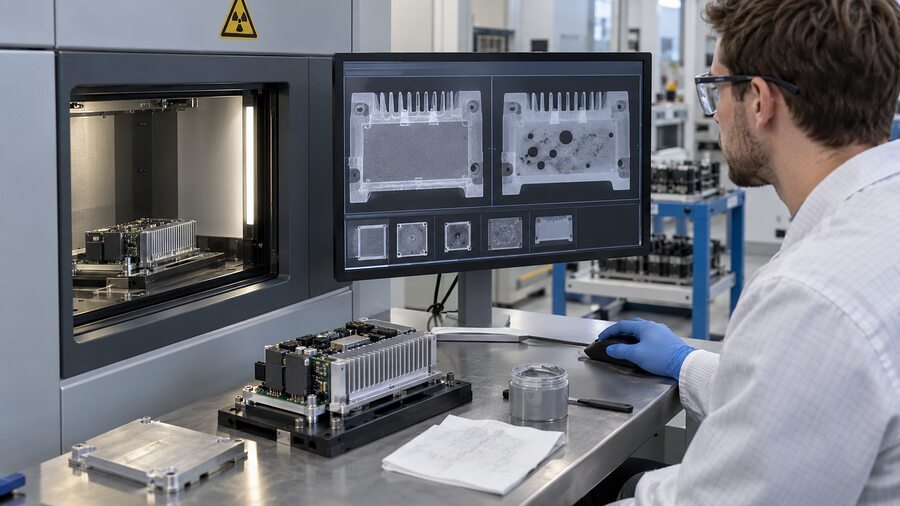
From target to a qualified interface
Request Low Thermal Resistance Grease Selection Support
Send the drawing, contact area, surface finish, final bond-line target, mounting conditions, power and temperature limits. Include application equipment, electrical needs, cleanliness constraints, lifetime tests and service plans.
Haktak can use this brief to review a suitable material and trial route. Request grade-specific evidence before approving production use.
Practical engineering answers
Low Thermal Resistance Grease FAQ
What does low thermal resistance grease mean?
It describes grease selected for a low installed interface resistance through wetting, a thin continuous bond line and stable contact. The name alone does not specify a universal numerical limit.
Is the highest W/m·K grease always the best choice?
いいえ。厚さ、接触抵抗、被覆範囲、圧力、経時劣化によって、実装後の結果は変わる可能性があります。同じ試験条件および組立条件で候補品を比較してください。.
サーマルグリース層はどの程度薄くすべきですか?
実際の接触面全体で連続的な接触を確保できる、検証済みの厚さを使用してください。すべてのパッケージ、ベースプレート、クーラーに共通する一律のBLTはありません。関連するデバイスおよび材料の資料に従ってください。.
取り付け圧力を高めれば、必ず熱抵抗は低下しますか?
いいえ。圧力を加えると、適切な範囲内では広がりが改善する場合がありますが、過大な荷重によってハードウェアが変形または損傷したり、材料が押し出されたりする可能性があります。荷重分布とメーカーの取り付け指示を検証してください。.
サーマルグリースで大きな機械的隙間を充填できますか?
一般に、薄い界面および表面粗さへの対応を想定しています. より大きなスタンドオフや大幅な公差変動がある場合は、適格性が確認されたパッド, ギャップフィラー、または取付構造の再設計が必要です.
低熱抵抗グリースには電気絶縁性がありますか?
Not necessarily. Electrical behavior depends on the grade and filler system. Obtain dielectric or resistivity data and verify voltage, edge clearance and contamination risks in the assembly.
Is silicone-free grease automatically low bleed?
No. Silicone-free concerns chemistry, not all migration or volatile behavior. Require separate bleed, outgassing and surface compatibility evidence under representative exposure conditions.
Can grease be screen printed or automatically dispensed?
Suitable grades can be processed that way, but rheology and equipment must be qualified together. Check pattern release, shot repeatability, temperature, idle time and coverage after mounting.
How should pump-out resistance be checked?
Combine representative cycling and mounting movement with repeated thermal measurements and teardown inspection. Look for contact loss and edge displacement against defined acceptance criteria.
What should I send Haktak for a recommendation?
Provide the interface drawing, area, finish, BLT, load, thermal target, application method, electrical and cleanliness needs, reliability plan, packaging preference, sample needs and expected production volume.