
Các thiết bị điện tử hiện đại ngày càng trở nên nhỏ gọn, nhanh hơn và mạnh mẽ hơn. Sự kết hợp này tạo ra một vấn đề kỹ thuật nan giải: nhiệt. Dù đó là mô-đun pin xe điện, bộ điều khiển đèn LED, bộ nguồn viễn thông hay bo mạch điều khiển công nghiệp, nhiệt độ quá cao vẫn âm thầm làm giảm tuổi thọ và gia tăng nguy cơ hỏng hóc.
Đây chính là lúc các hợp chất đúc cách nhiệt phát huy tác dụng.
Thoạt nhìn, những vật liệu này trông giống như các loại nhựa hoặc chất bao bọc thông thường. Tuy nhiên, chức năng của chúng không chỉ đơn thuần là lấp đầy khoảng trống. Hợp chất đúc cách nhiệt giúp bảo vệ các linh kiện điện tử nhạy cảm khỏi độ ẩm, bụi bẩn, rung động, hóa chất và sốc nhiệt, đồng thời dẫn nhiệt ra khỏi các bộ phận quan trọng.
Đối với các kỹ sư và nhà sản xuất, vai trò kép này rất quan trọng. Một loại hợp chất được lựa chọn không phù hợp có thể khiến nhiệt bị tích tụ bên trong thiết bị. Ngược lại, một loại hợp chất được thiết kế đúng cách có thể cải thiện đáng kể khả năng quản lý nhiệt và độ tin cậy lâu dài.
Trong hướng dẫn này, chúng tôi sẽ phân tích chi tiết về chất trám dẫn nhiệt là gì, cơ chế hoạt động của chúng, các loại vật liệu chính, chỉ số dẫn nhiệt, các ứng dụng thực tế, các yếu tố cần xem xét khi lựa chọn, cũng như những sai lầm thường gặp mà người mua hay mắc phải khi tìm nguồn cung ứng các vật liệu này.
Chất trám cách nhiệt là gì?
Hợp chất đúc cách nhiệt là một loại vật liệu đúc dạng lỏng được thiết kế để bao bọc các linh kiện điện tử hoặc điện đồng thời giúp tản nhiệt khỏi các linh kiện này.
Sau khi đóng rắn, hợp chất này tạo thành một lớp bảo vệ rắn hoặc bán dẻo bao quanh thiết bị. Khác với các vật liệu đúc tiêu chuẩn, các công thức dẫn nhiệt chứa các chất độn đặc biệt giúp cải thiện hiệu suất truyền nhiệt.
Hầu hết các loại polymer thông thường đều có tính dẫn nhiệt kém. Ví dụ, các hệ thống epoxy tiêu chuẩn có thể chỉ đạt được độ dẫn nhiệt các giá trị khoảng 0,14–0,3 W/m·K. Để khắc phục hạn chế này, các nhà sản xuất bổ sung các chất độn dẫn nhiệt như:
- Oxit nhôm
- Nitrua bo
- Nitrua nhôm
- Ôxít magiê
- Bột gốm
- Hỗn hợp silica
- Graphite trong một số hệ thống chuyên dụng
Kết quả là một loại vật liệu vừa có khả năng bảo vệ môi trường vừa có khả năng tản nhiệt.
Trên thực tế, chất trám dẫn nhiệt giúp các thiết bị điện tử hoạt động mát hơn và có tuổi thọ cao hơn.
Tại sao quản lý nhiệt lại quan trọng trong lĩnh vực điện tử

Nhiệt độ là một trong những nguyên nhân chính dẫn đến hỏng hóc thiết bị điện tử.
Mọi linh kiện điện tử đều sinh nhiệt trong quá trình hoạt động. Nếu nhiệt lượng đó không được tản ra hiệu quả, nhiệt độ bên trong vỏ thiết bị sẽ tăng cao. Theo thời gian, nhiệt độ cao có thể dẫn đến:
- Sự suy giảm hiệu suất của linh kiện
- Mỏi mối hàn
- Hiệu suất điện giảm
- Tình trạng hỏng hóc sớm của tụ điện
- PCB bị cong
- Thời lượng pin giảm
- Rủi ro mất kiểm soát nhiệt
Thách thức này càng trở nên nghiêm trọng hơn trong các thiết kế điện tử nhỏ gọn, nơi luồng không khí bị hạn chế.
Các ngành công nghiệp như xe điện, năng lượng tái tạo, viễn thông, thiết bị điện tử y tế, hàng không vũ trụ và thiết bị điện tử tiêu dùng ngày càng phụ thuộc vào các vật liệu quản lý nhiệt do mật độ công suất không ngừng tăng lên qua từng năm.
Các hợp chất đúc cách nhiệt tạo ra một đường dẫn nhiệt giữa các linh kiện nóng và các bộ tản nhiệt bên ngoài hoặc vỏ kim loại. Thay vì để nhiệt bị giữ lại xung quanh các linh kiện bán dẫn hoặc cuộn dây, hợp chất này sẽ phân tán và truyền nhiệt hiệu quả hơn.
Theo dữ liệu kỹ thuật của ngành, các loại hợp chất epoxy đúc chuyên dụng có khả năng dẫn nhiệt có thể đạt giá trị độ dẫn nhiệt trên 1,5 W/m·K, trong khi một số công thức tiên tiến có thể vượt quá 3 W/m·K.
Cơ chế hoạt động của các loại keo đúc dẫn nhiệt

Nguyên lý hoạt động khá đơn giản, mặc dù cơ sở hóa học đằng sau nó được thiết kế rất tinh vi.
Hợp chất này ban đầu ở dạng hệ thống nhựa lỏng, thường được cung cấp dưới dạng:
- Vật liệu một thành phần
- Hệ thống nhựa và chất làm cứng hai thành phần
Sau khi được trộn đều và bơm vào khoang kín, vật liệu sẽ chảy xung quanh các bộ phận và lấp đầy các khe hở.
Điều này rất quan trọng vì không khí là chất dẫn nhiệt rất kém. Ngay cả những khoảng trống nhỏ nhất cũng làm giảm hiệu suất truyền nhiệt. Bằng cách thay thế các khoảng trống chứa không khí bằng vật liệu dẫn nhiệt, quá trình truyền nhiệt sẽ được cải thiện đáng kể.
Sau khi đóng rắn, hỗn hợp đúc tạo thành một mạng lưới dày đặc chứa các hạt dẫn nhiệt phân bố đều trong toàn bộ vật liệu. Các chất độn này tạo ra các đường dẫn nhiệt, cho phép nhiệt di chuyển qua lớp nhựa đã đóng rắn.
Sau đó, hợp chất này truyền nhiệt từ:
- Bán dẫn công suất
- MOSFET
- Transformers
- Đèn LED
- Tế bào pin
- Cảm biến
- Các điểm nóng trên bảng mạch in (PCB)
…hướng tới:
- Vỏ nhôm
- Bộ tản nhiệt
- Tường khung gầm
- Tấm làm mát
Đồng thời, vật liệu đã được xử lý giúp bảo vệ các linh kiện điện tử khỏi các tác động của môi trường.
Sự kết hợp giữa quản lý nhiệt và bảo vệ vật lý chính là lý do tại sao các hợp chất đúc cách nhiệt dẫn nhiệt lại được sử dụng rộng rãi trong các ứng dụng công nghiệp đòi hỏi khắt khe.
Các loại chính của hợp chất đúc cách nhiệt
Không phải tất cả các loại vật liệu đúc chậu đều giống nhau. Các thành phần hóa học khác nhau mang lại sự cân bằng khác nhau về độ dẫn nhiệt, độ dẻo dai, độ bền cơ học và khả năng chống hóa chất.
Hợp chất đúc epoxy dẫn nhiệt
Các hệ thống epoxy là một trong những vật liệu được sử dụng rộng rãi nhất trong lĩnh vực đóng gói linh kiện điện tử.
Họ cung cấp:
- Độ bám dính cao
- Khả năng chống hóa chất tuyệt vời
- Độ bền cơ học cao
- Khả năng chống ẩm tốt
- Cách điện đáng tin cậy
Các hợp chất epoxy dẫn nhiệt thường được sử dụng trong:
- Bộ nguồn
- Bộ điều khiển đèn LED
- Điện tử ô tô
- Hệ thống điều khiển công nghiệp
- Mô-đun cao áp
Nhiều công thức epoxy đạt được giá trị độ dẫn nhiệt trong khoảng từ 1,0 đến 3,5 W/m·K, tùy thuộc vào hàm lượng chất độn.
Điểm bất lợi là độ cứng. Sau khi đông cứng, các hệ thống epoxy thường cứng và kém linh hoạt hơn so với các sản phẩm thay thế làm từ silicone.
Điều này khiến chúng trở thành lựa chọn lý tưởng cho các cụm lắp ráp có cấu trúc ổn định, nhưng lại ít phù hợp hơn với các bộ phận phải chịu sự chênh lệch đáng kể về độ giãn nở nhiệt.
Hợp chất đúc silicone dẫn nhiệt
Các hợp chất gốc silicone được đánh giá cao nhờ tính linh hoạt và độ ổn định nhiệt.
So với các loại sơn epoxy, hệ thống silicone thường mang lại:
- Tính linh hoạt cao hơn
- Khả năng chịu nhiệt chu kỳ được cải thiện
- Giảm áp lực cơ học lên các bộ phận
- Phạm vi nhiệt độ hoạt động rộng hơn
Các hợp chất đúc silicone thường được lựa chọn để:
- Thiết bị điện tử ngoài trời
- Cảm biến ô tô
- Đèn LED
- Điện tử hàng không vũ trụ
- Các cụm mạch nhạy cảm
Độ mềm mại của chúng giúp hấp thụ rung động và va đập cơ học.
Trong các môi trường có chu kỳ nhiệt khắc nghiệt, các hợp chất silicone có thể mang lại hiệu quả cao hơn so với các hệ thống epoxy cứng do chúng giúp giảm áp lực lên các mối hàn và các linh kiện nhạy cảm.
Hợp chất đúc polyurethane dẫn nhiệt
Về mặt hiệu suất, các hệ thống polyurethane nằm ở mức trung gian giữa epoxy và silicone.
Họ cung cấp:
- Độ linh hoạt vừa phải
- Khả năng chống chịu môi trường tốt
- Khả năng chống mài mòn tốt hơn
- Độ cứng thấp hơn so với epoxy
Các hợp chất polyurethane thường được sử dụng trong:
- Transformers
- Cuộn dây
- Điện tử ô tô
- Các cụm thiết bị điện ngoài trời
Đối với các ứng dụng đòi hỏi cả độ bền cao và độ dẻo vừa phải, polyurethane có thể là một giải pháp hiệu quả.
Giải thích về các giá trị độ dẫn nhiệt phổ biến
Một trong những thông số kỹ thuật đầu tiên mà các kỹ sư kiểm tra là độ dẫn nhiệt, thường được biểu thị bằng đơn vị W/m·K (watt trên mét-kelvin).
Giá trị này cho biết mức độ hiệu quả của quá trình truyền nhiệt qua vật liệu.
Dưới đây là khoảng giá trị tham khảo được đơn giản hóa:
| Vật liệu | Hệ số dẫn nhiệt xấp xỉ |
| Không khí | 0,024 W/(m·K) |
| Nhựa epoxy tiêu chuẩn | 0,14–0,3 W/m·K |
| Hợp chất đúc cách nhiệt cơ bản | 0,8–1,5 W/m·K |
| Hợp chất đúc nhiệt cao cấp | 2–5+ W/m·K |
| Nhôm | ~205 W/m·K |
| Đồng | ~385 W/m·K |
Hầu hết các loại chất trám cách nhiệt dùng trong điện tử vẫn có tính cách điện.
Điều này rất quan trọng vì các cụm linh kiện điện tử thường đòi hỏi phải tản nhiệt mà không gây ra sự dẫn điện.
Chất độn gốm thường được sử dụng vì chúng giúp cải thiện khả năng truyền nhiệt đồng thời vẫn duy trì tính cách điện.
Độ nhớt
Các vật liệu có độ nhớt thấp dễ dàng chảy vào các khe hẹp và xung quanh các bộ phận siêu nhỏ.
Các hợp chất có độ nhớt cao có thể giữ lại bọt khí nếu không được xử lý cẩn thận.
Các ứng dụng có bố cục PCB dày đặc thường đòi hỏi các công thức có độ nhớt thấp hơn.
Độ cứng và độ dẻo
Các hợp chất epoxy cứng mang lại độ ổn định cấu trúc tuyệt vời.
Các hệ thống silicone dẻo giúp giảm thiểu ứng suất do giãn nở nhiệt và rung động gây ra.
Lựa chọn lý tưởng phụ thuộc vào môi trường ứng dụng.
Khả năng chống cháy
Nhiều ứng dụng trong lĩnh vực công nghiệp và ô tô yêu cầu đạt tiêu chuẩn chống cháy UL94.
Một số công thức epoxy đạt tiêu chuẩn UL94 V-0 đồng thời vẫn duy trì được độ dẫn nhiệt.
Phạm vi nhiệt độ hoạt động
Một số thiết bị điện tử hoạt động trong những điều kiện môi trường cực kỳ khắc nghiệt.
Các vật liệu đúc nhiệt chất lượng cao có thể chịu được nhiệt độ từ -40°C đến +150°C hoặc cao hơn.
Khả năng chống hóa chất và chống ẩm
Việc đóng gói bảo vệ các thiết bị điện tử khỏi:
- Nước thấm vào
- Phun sương muối
- Tiếp xúc với dầu
- Chất dung môi
- Sự ăn mòn
- Ô nhiễm bụi
Điều này đặc biệt quan trọng trong các hệ thống ô tô và ngoài trời.
Ứng dụng của các loại keo đúc dẫn nhiệt
Các vật liệu bao bọc dẫn nhiệt được sử dụng rộng rãi trong nhiều ngành công nghiệp.
Đèn LED
Đèn LED rất nhạy cảm với nhiệt.
Nhiệt độ tại điểm nối quá cao sẽ làm giảm độ sáng và tuổi thọ. Các hợp chất cách nhiệt dạng keo giúp tản nhiệt khỏi bộ điều khiển và mô-đun LED.
Xe điện
Các hệ thống xe điện tạo ra lượng nhiệt đáng kể trong:
- Bộ pin
- Biến tần
- Bộ chuyển đổi DC-DC
- Bộ sạc trên xe
Các hợp chất đúc cách nhiệt giúp cải thiện cả khả năng tản nhiệt lẫn khả năng chống rung.
Điện tử công suất
Các bộ nguồn và bộ chuyển đổi công nghiệp thường chứa các linh kiện bán dẫn công suất cao, đòi hỏi phải có khả năng tản nhiệt hiệu quả.
Chất trám lấp giúp ổn định nhiệt độ đồng thời bảo vệ mạch điện.
Thiết bị viễn thông
Hạ tầng 5G và các mô-đun nguồn điện viễn thông hoạt động liên tục trong điều kiện khắc nghiệt.
Vật liệu bao bọc dẫn nhiệt giúp ngăn ngừa hiện tượng quá nhiệt trong các vỏ thiết bị nhỏ gọn.
Hệ thống năng lượng tái tạo
Các bộ biến tần năng lượng mặt trời và hệ thống lưu trữ năng lượng phụ thuộc rất nhiều vào các vật liệu quản lý nhiệt để đảm bảo độ tin cậy lâu dài.
Việc tiếp xúc với môi trường ngoài trời cũng đòi hỏi phải có các biện pháp bảo vệ môi trường hiệu quả.
Điện tử ô tô
Các phương tiện hiện đại được trang bị hàng chục bộ điều khiển điện tử.
Các mô-đun này có các tính năng sau:
- Rung động
- Độ ẩm
- Chu kỳ nhiệt độ
- Tiếp xúc với hóa chất
Các hợp chất đúc cách nhiệt giúp duy trì hoạt động ổn định trong suốt thời gian sử dụng dài.
Hàng không vũ trụ và Quốc phòng
Các thiết bị điện tử quan trọng đối với hoạt động cần phải có độ tin cậy cao trong điều kiện khắc nghiệt.
Các vật liệu bao bọc dẫn nhiệt mang lại:
- Khả năng chống sốc
- Chống thấm môi trường
- Độ ổn định nhiệt
Hợp chất đúc cách nhiệt so với keo tản nhiệt
Những vật liệu này thường bị nhầm lẫn với nhau, nhưng chúng lại phục vụ những mục đích khác nhau.
Keo tản nhiệt
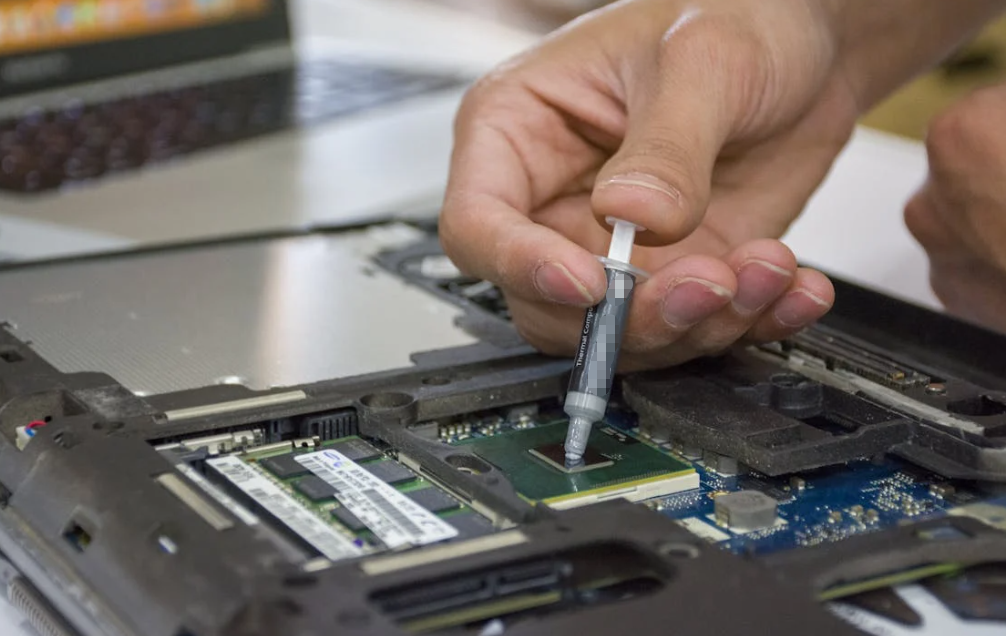
Ke tản nhiệt được thiết kế để lấp đầy các khe hở không khí siêu nhỏ giữa hai bề mặt, chẳng hạn như CPU và bộ tản nhiệt.
Chất này vẫn ở dạng bán lỏng và không được thiết kế để bảo vệ kết cấu.
Hợp chất đúc cách nhiệt
Các hợp chất đúc bao bọc hoàn toàn các cụm linh kiện điện tử và sau khi đóng rắn sẽ tạo thành vật liệu rắn hoặc đàn hồi.
Họ cung cấp:
- Truyền nhiệt
- Hỗ trợ cơ khí
- Chống thấm môi trường
- Khả năng chống rung
- Cách điện
Ke tản nhiệt là một loại vật liệu giao diện nhiệt.
Hợp chất đúc khuôn vừa là chất bao bọc bảo vệ vừa là giải pháp quản lý nhiệt.
Cách chọn chất trám dẫn nhiệt phù hợp
Việc lựa chọn vật liệu không phù hợp có thể gây ra những vấn đề nghiêm trọng về độ tin cậy.
Dưới đây là những yếu tố chính mà các kỹ sư cần đánh giá.
Yêu cầu về nhiệt độ
Hãy bắt đầu bằng cách tính toán:
- Sự sinh nhiệt
- Nhiệt độ hoạt động tối đa
- Đường dẫn tản nhiệt
Các thiết bị có công suất cao hơn thường đòi hỏi độ dẫn nhiệt cao hơn.
Áp lực cơ học
Các hợp chất cứng có thể làm nứt các cụm linh kiện nhạy cảm trong quá trình thay đổi nhiệt độ lặp đi lặp lại.
Các hệ thống linh hoạt phù hợp hơn với:
- Điện tử ô tô
- Thiết bị ngoài trời
- Môi trường có độ rung cao
Phân phối và chế biến
Xem xét:
- Thời gian sử dụng
- Thời gian đông cứng
- Tỷ lệ pha trộn
- Yêu cầu về khử khí
- Khả năng tương thích với hệ thống phân phối tự động
Hiệu quả sản xuất cũng quan trọng không kém hiệu suất nhiệt.
Tiếp xúc với môi trường
Hội đồng có gặp phải:
- Nước?
- Sương muối?
- Hóa chất?
- Tiếp xúc với tia UV?
- Nhiệt độ cực đoan?
Điều kiện môi trường có ảnh hưởng lớn đến việc lựa chọn vật liệu.
Yêu cầu pháp lý
Một số ngành công nghiệp yêu cầu phải tuân thủ:
- UL94
- RoHS
- REACH
- Tiêu chuẩn ô tô
Luôn xác nhận các yêu cầu về chứng nhận trước khi phê duyệt vật liệu.
Các vấn đề và sai lầm thường gặp
Ngay cả những vật liệu cao cấp cũng có thể bị hỏng nếu sử dụng không đúng cách.
Hiện tượng bọt khí bị kẹt
Các túi khí làm giảm hiệu suất truyền nhiệt và có thể làm suy giảm hiệu quả cách nhiệt.
Quá trình khử khí chân không thường là cần thiết đối với các ứng dụng đòi hỏi độ tin cậy cao.
Tỷ lệ pha trộn không chính xác
Hệ thống hai thành phần đòi hỏi phải trộn đều một cách chính xác.
Tỷ lệ không phù hợp có thể dẫn đến:
- Quá trình đóng rắn chưa hoàn tất
- Những điểm yếu
- Hiệu suất nhiệt giảm
Độ cứng quá mức
Các vật liệu cứng có thể gây áp lực lên các bộ phận trong quá trình giãn nở và co lại.
Đây là một trong những lý do khiến các hệ thống silicone ngày càng được ưa chuộng trong lĩnh vực điện tử ô tô.
Chỉ dựa vào hệ số dẫn nhiệt
Nhiều người mua chỉ chú ý đến chỉ số W/m·K.
Trên thực tế, các yếu tố như độ nhớt, độ bám dính, độ linh hoạt và độ tin cậy đều có tầm quan trọng như nhau.
Các xu hướng mới trong vật liệu đúc cách nhiệt
Công nghệ quản lý nhiệt tiếp tục phát triển nhanh chóng.
Một số xu hướng đang định hình ngành công nghiệp này.
Thiết bị điện tử có mật độ công suất cao
Các thiết bị có kích thước nhỏ hơn nhưng công suất cao hơn đòi hỏi phải sử dụng các vật liệu tản nhiệt tiên tiến hơn.
Mở rộng hệ thống pin xe điện
Sự phát triển nhanh chóng của xe điện đang thúc đẩy nhu cầu về các vật liệu bao bọc nhẹ và ổn định về mặt nhiệt.
Chất độn gốm cao cấp
Các công nghệ vật liệu đệm mới giúp cải thiện độ dẫn nhiệt đồng thời vẫn đảm bảo tính cách điện.
Vật liệu ít gây căng thẳng
Các nhà sản xuất ngày càng tìm kiếm các hợp chất mềm, có mô-đun đàn hồi thấp để bảo vệ các thiết bị điện tử nhạy cảm trong quá trình thay đổi nhiệt độ.
Khả năng tương thích với sản xuất tự động
Các dây chuyền sản xuất hiện đại đòi hỏi các vật liệu được tối ưu hóa cho:
- Phân phối bằng robot
- Khô nhanh
- Độ nhớt ổn định
- Giảm sự hình thành các lỗ rỗng
Tại sao công thức nguyên liệu lại quan trọng
Không phải tất cả các loại chất trám dẫn nhiệt đều có hiệu suất như nhau, ngay cả khi các giá trị độ dẫn nhiệt trên giấy tờ có vẻ tương tự nhau.
Chính công thức đó quyết định:
- Sự ổn định lâu dài
- Khả năng chống ẩm
- Hành vi ứng suất cơ học
- Khả năng gia công
- Độ bám dính
- Khả năng chống lão hóa do nhiệt
Đó là lý do tại sao các nhà sản xuất có kinh nghiệm luôn chú trọng đến sự phân bố chất độn, thành phần hóa học của nhựa và quá trình đóng rắn, thay vì chỉ tập trung vào một thông số kỹ thuật duy nhất.
Tại HakTak, các vật liệu quản lý nhiệt được thiết kế dành cho các ứng dụng công nghiệp đòi hỏi khắt khe, nơi cả khả năng tản nhiệt lẫn độ tin cậy đều rất quan trọng. Trong các môi trường kỹ thuật thực tế, tính ổn định thường quan trọng không kém gì hiệu suất nhiệt tối đa.
Kết luận
Các hợp chất đúc cách nhiệt đã trở thành vật liệu không thể thiếu trong ngành sản xuất điện tử hiện đại.
Chúng không chỉ đơn thuần là bao bọc các linh kiện. Những vật liệu tiên tiến này không chỉ bảo vệ các thiết bị điện tử nhạy cảm mà còn giúp tản nhiệt khỏi các khu vực quan trọng, từ đó nâng cao cả hiệu suất lẫn tuổi thọ.
Khi các thiết bị điện tử ngày càng trở nên nhỏ gọn và mạnh mẽ hơn, việc quản lý nhiệt hiệu quả sẽ càng trở nên quan trọng hơn.
Việc lựa chọn loại keo đúc dẫn nhiệt phù hợp đòi hỏi phải cân bằng giữa các yếu tố như độ dẫn nhiệt, độ dẻo dai, khả năng cách điện, khả năng chịu môi trường và các yêu cầu sản xuất. Không có giải pháp nào phù hợp cho mọi ứng dụng.
Đối với các kỹ sư và nhà sản xuất, việc hiểu rõ những sự đánh đổi này là chìa khóa để chế tạo ra các hệ thống điện tử đáng tin cậy và bền bỉ.
Câu hỏi thường gặp
Chất trám cách nhiệt được dùng để làm gì?
Nó được sử dụng để bảo vệ các linh kiện điện tử đồng thời tản nhiệt khỏi các khu vực nhạy cảm.
Các chất trám dẫn nhiệt có dẫn điện không?
Hầu hết đều có tính cách điện vì chúng sử dụng chất độn gốm thay vì kim loại dẫn điện.
Loại nào tốt hơn: keo epoxy hay keo silicone?
Epoxy có độ bền và khả năng chống hóa chất cao hơn, trong khi silicone mang lại độ linh hoạt và khả năng chịu nhiệt tốt hơn.
Giá trị độ dẫn nhiệt nào được coi là tốt?
Trong nhiều ứng dụng điện tử, các giá trị nằm trong khoảng từ 1 đến 3 W/m·K thường được sử dụng. Các hệ thống hiệu suất cao có thể yêu cầu các giá trị cao hơn.
Các chất trám dẫn nhiệt có thể chống thấm nước cho các thiết bị điện tử không?
Đúng vậy. Nhiều công thức mang lại khả năng giữ ẩm và bảo vệ khỏi tác động của môi trường rất tốt sau khi đóng rắn.
