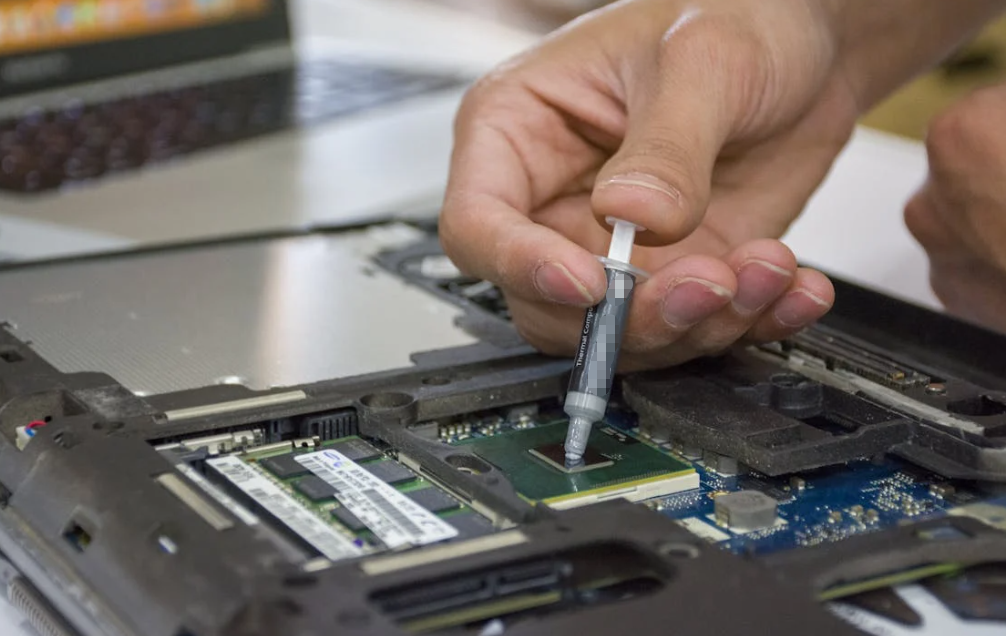
Moderne Elektronik ist schneller, dünner und leistungsstärker als je zuvor. Aber hinter jedem Hochgeschwindigkeitsprozessor, E-Auto-Batteriesystem, Telekommunikations-Basisstation oder LED im Modul verbirgt sich eine unsichtbare technische Herausforderung: Hitze.
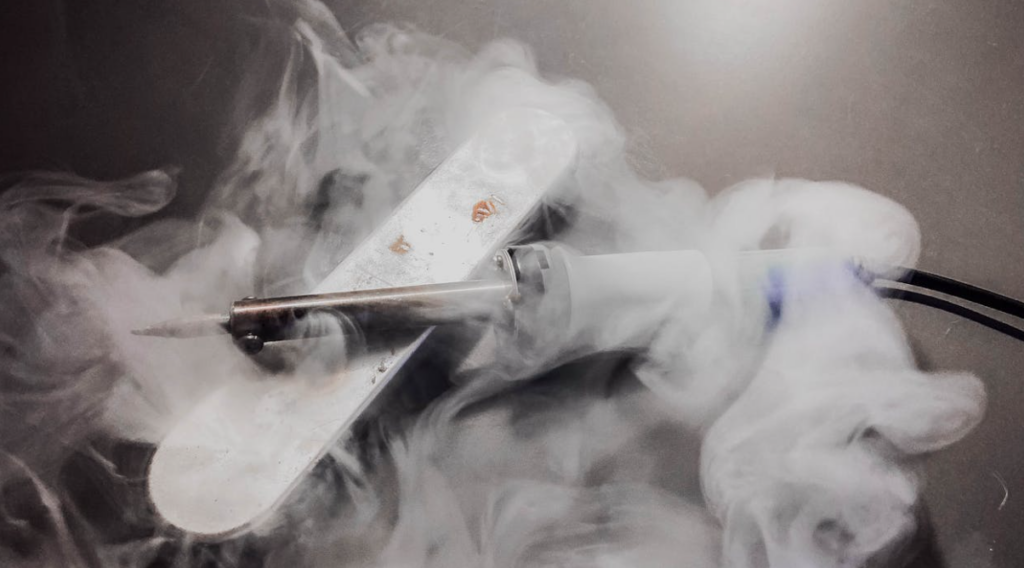
Hitze ist längst nicht mehr nur ein Nebeneffekt der Elektronik. In vielen Fällen ist sie zum Hauptfaktor geworden, der Leistung, Lebensdauer und Zuverlässigkeit einschränkt. Ein Smartphone, das überhitzt, drosselt sofort seine Geschwindigkeit. Ein Leistungshalbleiter, der oberhalb seiner thermischen Grenze betrieben wird, kann unerwartet ausfallen. In Rechenzentren führt ein ineffizientes Wärmemanagement direkt zu höheren Energiekosten.
Aus diesem Grund hat sich die Wärmeleitung zu einer der kritischsten Technologien im modernen Elektronikdesign entwickelt.
Wärmeleitung bezeichnet die Übertragung von Wärme durch feste Materialien. In der Elektronik ermöglicht sie, dass von Chips, Leistungshalbleitern, Batterien und Leiterplatten erzeugte Wärme von empfindlichen Bauteilen weg und zu Kühlstrukturen wie Kühlkörpern, Metallgehäusen, Vapor Chambers oder Flüssigkeits kühlsystemen transportiert wird.
Ohne effiziente Wärmeleitung wird selbst das fortschrittlichste elektronische System instabil.
Laut Forschungen, die in fortgeschrittenen Studien zur Halbleiterwärme veröffentlicht wurden, ist die Wärmedichte in der modernen Elektronik in den letzten Jahrzehnten drastisch gestiegen, wobei für einige Hotspot-Bereiche in zukünftigen Hochleistungsanwendungen prognostiziert wird, dass sie sich nahezu 1 MW/cm² annähern werden.
Warum thermische Leitung in der Elektronik wichtig ist
Elektronische Bauteile erzeugen Wärme, sobald elektrischer Strom durch sie fließt. Je kleiner und leistungsstärker das Gerät wird, desto schwieriger ist es, diese Wärme effektiv abzuführen.
In Halbleitersystemen können übermäßige Temperaturen Folgendes verursachen:
- Reduzierte Betriebsgeschwindigkeit
- Signalinstabilität
- Materialermüdung
- Elektromigration
- Verkürzte Lebensdauer der Komponenten
- Permanenter Geräteausfall
Untersuchungen zur industriellen Thermotechnik zeigen konsistent, dass Überhitzung die Zuverlässigkeit und Sicherheit von Halbleiterbauelementen direkt beeinträchtigt.
Eine gängige Regel aus dem Ingenieurwesen besagt, dass bei vielen elektronischen Systemen jeder Anstieg der Betriebstemperatur um 10 °C die Lebensdauer erheblich verkürzen kann. Einige Studien zum Wärmemanagement schätzen, dass sich die Lebensdauer unter erhöhten thermischen Belastungen um bis zu 50% verkürzt.
Aus diesem Grund wird die Wärmeleitung von Anfang an in die Elektronik integriert und nicht erst nachträglich hinzugefügt.
Das Grundprinzip der Wärmeleitung
Im Kern folgt die Wärmeleitung einem einfachen physikalischen Gesetz: Wärme bewegt sich von wärmeren zu kälteren Bereichen.
In der Elektronik sieht der Wärmepfad normalerweise wie folgt aus:
Chip → Wärmeleitmaterial → Heat Spreader → Kühlkörper → Umgebungsluft
Die Effizienz dieses Pfades bestimmt, wie effektiv Wärme aus dem System entweichen kann.
Materialien mit hoher Wärmeleitfähigkeit leiten Wärme schnell ab. Materialien mit geringer Wärmeleitfähigkeit speichern Wärme.
Zum Beispiel:
| Material | Ungefähre Wärmeleitfähigkeit |
| Kupfer | ~400 W/m·K |
| Aluminium | ~205 W/m·K |
| Aluminiumnitrid | ~170–200 W/m·K |
| Silikon-Fugendichtstoff | ~1–12 W/m·K |
| Standard-FR4-Leiterplatte | ~0,3–0,4 W/m·K |
Dieser enorme Unterschied erklärt, warum Metalle, Keramiksubstrate, Graphitfolien und fortschrittliche thermische Schnittstellenmaterialien in der Elektronikkühlung weit verbreitet sind.
Hauptanwendungen der Wärmeleitung in der Elektronik
CPUs und GPUs
Prozessoren gehören zu den heißesten Komponenten in moderner Elektronik.
Hochleistungs- CPUs und GPUs kann beim Gaming, bei KI-Berechnungen oder bei der Datenverarbeitung enorme thermische Lasten erzeugen. In diesen Systemen ist die Wärmeleitung entscheidend, um stabile Taktfrequenzen aufrechtzuerhalten und ein thermisches Drosseln zu verhindern.
Die im Silizium-Chip erzeugte Wärme muss schnell übertragen werden durch:
- Wärmeleitpaste
- Integrierter Heatspreader
- Vapor Chamber oder Heatpipe
- Kühlkörper
- Kühlerlüfter
Schlechte Wärmeleitung erzeugt Hotspots, die die Leistung sofort mindern.
Gaming-Laptops sind ein gutes Beispiel. Zwei Geräte können denselben Prozessor verwenden, und dennoch bestimmt das thermische Design, welches von beiden bei anhaltenden Lasten eine bessere Leistung erbringt.
Deshalb sind hochentwickelte thermische Schnittstellenmaterialien in modernen Computersystemen unverzichtbar geworden.
Leistungselektronik
Leistungselektronik erzeugt extrem hohe Wärmestachdichten.
Anwendungen umfassen:
- Elektrofahrzeug-Wechselrichter
- Motorenantriebe
- Solarwechselrichter
- Industrielle Stromversorgungen
- Ladestationen
Breitband-Halbleiter wie Siliziumkarbid (SiC) und Galliumnitrid (GaN) ermöglichen eine höhere Effizienz und Schaltgeschwindigkeiten, verursachen jedoch auch erhebliche thermische Herausforderungen.
In diesen Systemen müssen Wärmeleitmaterialien Folgendes bieten:
- Hohe Wärmeleitfähigkeit
- Elektrische Isolierung
- Mechanische Stabilität
- Beständigkeit gegen Temperaturwechsel
Gängige Lösungen umfassen:
- Wärmeleitpads
- Keramiksubstrate
- Füllwörter
- Phasenwechselmaterialien
- Wärmeleitklebstoffe
Für EV-Leistungsmodule kann selbst eine geringe Verringerung des Wärmewiderstands die Effizienz und Zuverlässigkeit erheblich verbessern.
LED-Beleuchtungssysteme
LEDs wandeln mehr Energie in Licht um als herkömmliche Glühbirnen, erzeugen aber dennoch erhebliche Hitze.
Tatsächlich wird der größte Teil der ungenutzten Energie in LEDs eher in Wärme als in sichtbares Licht umgewandelt. Wenn diese Wärme nicht effizient entweichen kann, nimmt die LED-Helligkeit ab und die Farbstabilität verändert sich im Laufe der Zeit.
Wärmeleitung spielt eine zentrale Rolle bei:
- Straßenbeleuchtung
- Autoscheinwerfer
- Display-Hintergrundbeleuchtungen
- Industriebeleuchtung
- Hochleistungs-LED-Module
Viele LED-Systeme nutzen heute:
- Aluminiumkern-Leiterplatten
- Wärmeleitpaste
- Wärmeverteiler
- Graphit-Wärmeleitfolien
Das Ziel ist einfach: Die Sperrschichttemperatur unter Kontrolle halten.
Eine kühlere LED hält länger und arbeitet gleichmäßiger.
Elektrofahrzeug-Batteriesysteme
Das thermische Batteriemanagement hat sich zu einem der am schnellsten wachsenden Bereiche für wärmeleitende Materialien entwickelt.
Lithium-Ionen-Batterien reagieren äußerst empfindlich auf Temperaturschwankungen. Übermäßige Hitze beschleunigt die Alterung und kann Sicherheitsrisiken bergen.
In EV-Batteriepacks hilft die Wärmeleitung:
- Zelltemperatur ausgleichen
- Thermisches Durchgehen verhindern
- Ladedistanz verbessern
- Akkulaufzeit verlängern
Batteriesysteme verwenden üblicherweise:
- Wärmeleitmaterialien
- Silikon-Wärmeleitpads
- Wärmeleitende Vergussmassen
- Graphitfolien
Moderne E-Fahrzeugbatteriepacks erfordern gleichzeitig thermische Leitfähigkeit und elektrische Isolierung, was die Materialauswahl besonders komplex macht.
Dies ist ein Grund, warum wärmeleitfähige Silikonmaterialien im Automobilsektor eine so schnelle Verbreitung gefunden haben.
Leiterplatten
Leiterplatten sind längst nicht mehr nur elektrische Plattformen. Sie sind auch thermische Leitbahnen.
Mit zunehmender Bauteiledichte wird das thermische Management von Leiterplatten immer wichtiger.
Die Wärmeleitung in Leiterplatten umfasst:
- Kupferflugzeuge
- Thermische Vias
- Metallkern-Substrate
- Integrierte Wärmeverteiler
Fortschrittliche PCB-Designs leiten Wärme nun gezielt von Hotspots zu größeren leitfähigen Bereichen ab.
Untersuchungen zur Zuverlässigkeit von Leiterplatten zeigen, dass wiederholter thermischer Stress im Laufe der Zeit Risse, Delamination und Materialermüdung verursachen kann.
Dies ist besonders wichtig in:
- Fahrzeugelektronik
- Luft- und Raumfahrtsysteme
- Industrielle Steuerungsanlagen
- Telekommunikationsinfrastruktur
Smartphones und Unterhaltungselektronik
Verbraucher erwarten jedes Jahr dünnere Geräte. Leider lassen dünnere Geräte weniger Raum für Luftstrom und Kühlhardware.
Infolgedessen sind Wärmeleitmaterialien unverzichtbar geworden.
Moderne Smartphones verwenden:
- Graphitfolien
- Dampfkammern
- Kupferfolien
- Wärmeleitgele
- Leitfähige Klebstoffe
High-End-Smartphones von heute können trotz ihrer kompakten Größe Wärme überraschend effizient ableiten.
Ohne fortschrittliche thermische Führungslösungen wären schnelles Laden, 5G-Kommunikation und mobiles Gaming nicht praktikabel.
Gängige wärmeleitende Materialien in der Elektronik
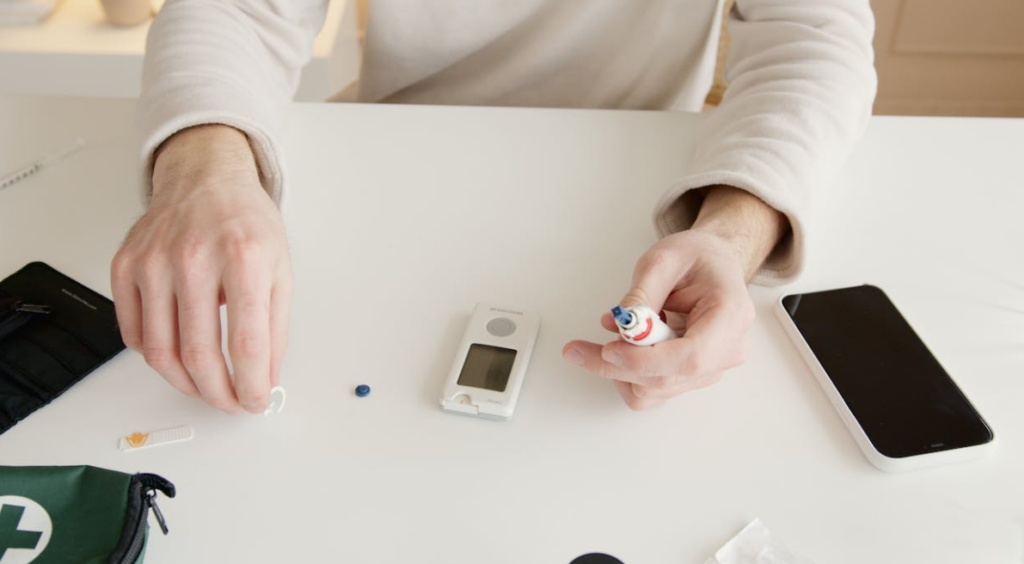
Wärmeleitmaterialien
TIMs mikroskopische Luftspalte zwischen Oberflächen füllen.
Da Luft eine extrem schlechte Wärmeleitfähigkeit hat, verbessert die Beseitigung dieser Zwischenräume den Wärmeübergang drastisch.
Häufige TIMs sind:
- Wärmeleitpaste
- Wärmeleitpads
- Phasenwechselmaterialien
- Flüssigmetallverbindungen
TIMs werden häufig zwischen Chips und Kühlkörpern eingesetzt.
Silikon-Wärmeleitpads
Silikon-Wärmeleitpads sind beliebt, weil sie Folgendes kombinieren:
- Wärmeleitfähigkeit
- Elektrische Isolierung
- Komprimierbarkeit
- Montagefreundlichkeit
Sie sind weit verbreitet in:
- Fahrzeugelektronik
- Telekommunikationssysteme
- Unterhaltungselektronik
- LED-Module
Verschiedene Füllmaterialien wie Aluminiumoxid, Bornitrid oder keramische Partikel tragen zur Verbesserung der Leitfähigkeit bei.
Graphit- und Graphenmaterialien
Graphitfolien sind in dünnen elektronischen Geräten extrem wichtig geworden.
Sie bieten an:
- High in-plane thermal conductivity
- Lightweight structure
- Flexible installation
Some advanced graphene-based materials are also being explored for next-generation cooling systems.
Research into boron nitride and graphene-related materials continues to expand due to their excellent thermal performance.
Ceramic Substrates
Ceramics such as aluminum nitride (AlN) and silicon nitride are increasingly used in power electronics.
They provide:
- Excellent thermal conductivity
- Elektrische Isolierung
- High-temperature resistance
These materials are especially important in:
- EV power modules
- High-voltage systems
- Luft- und Raumfahrtelektronik
Emerging Trends in Electronic Thermal Management
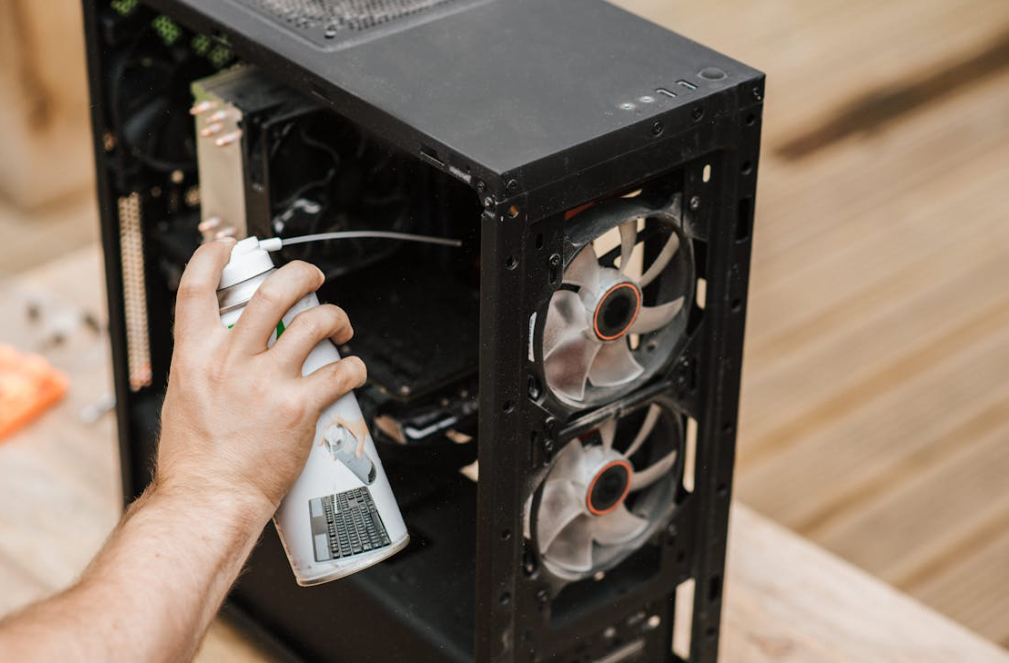
Miniaturization Creates More Heat
Electronic systems continue becoming smaller while power density rises.
This creates localized hotspots that are harder to cool using traditional approaches.
3D chip packaging adds even more complexity because stacked components trap heat internally.
Future thermal solutions will likely rely on:
- Advanced TIMs
- Embedded cooling
- Nano-materials
- Hybrid conduction systems
AI and Data Centers
AI computing hardware consumes enormous power.
Large GPU clusters generate intense thermal loads, forcing data centers to invest heavily in cooling technologies.
Thermal conduction materials now play a major role in:
- Cold plate cooling
- Immersion cooling
- High-density server racks
- Advanced packaging systems
Thermal efficiency directly affects operating costs.
Even small improvements in heat transfer can reduce energy consumption significantly at scale.
Flexible Electronics
Wearables and flexible electronics introduce a new challenge: heat dissipation in bendable structures.
Traditional rigid heat sinks are unsuitable for these applications.
Researchers are developing:
- Flexible graphite films
- Stretchable thermal materials
- Ultra-thin conductive layers
These technologies are expected to become more important in medical devices and smart textiles.
Challenges in Thermal Conduction Design
Despite major advances, thermal conduction in electronics still faces several engineering limitations.
Material Trade-Offs
A material with excellent thermal conductivity may have poor:
- Elektrische Isolierung
- Flexibility
- Kosteneffizienz
- Verarbeitbarkeit
Engineers must balance multiple requirements simultaneously.
Interface Resistance
Even highly conductive materials perform poorly if interfaces are uneven.
Microscopic gaps increase thermal resistance dramatically.
That is why surface flatness, compression force, and material compatibility matter so much.
Thermal Cycling
Electronics repeatedly expand and contract during operation.
Over time, this thermal cycling can damage interfaces and reduce performance.
Materials must maintain long-term stability under:
- Vibration
- Luftfeuchtigkeit
- Temperature fluctuations
- Mechanical stress
This is especially important in automotive and industrial applications.
Future of Thermal Conduction in Electronics
The future of electronics depends heavily on thermal innovation.
As processors become more powerful and electronic systems more compact, traditional cooling methods alone will not be enough.
Emerging solutions include:
- Diamond-based thermal materials
- Liquid cooling integration
- Two-phase cooling systems
- AI-optimized thermal design
- Nano-engineered interfaces
At the same time, thermally conductive polymers and silicone materials will continue evolving to meet demands for lightweight, electrically insulating, and manufacturable thermal solutions.
The companies that solve thermal challenges effectively will gain major advantages in performance, reliability, and energy efficiency.
Thermal conduction is no longer just a support technology.
It has become a core driver of electronic innovation.
Fazit
Thermal conduction plays a foundational role in modern electronics. From CPUs and GPUs to EV batteries and power semiconductors, efficient heat transfer determines whether electronic systems operate safely and reliably.
As power density continues increasing across industries, thermal management is becoming more sophisticated and material-driven. Advanced thermal interface materials, ceramic substrates, graphite films, and conductive silicone compounds are now essential components in electronic design.
For manufacturers and engineers, improving thermal conduction is not simply about cooling. It is about extending lifespan, improving efficiency, protecting reliability, and enabling the next generation of electronic technologies.
Häufig gestellte Fragen
What is thermal conduction in electronics?
Thermal conduction is the transfer of heat through solid materials inside electronic systems to prevent overheating.
Why is thermal management important for electronics?
Good thermal management improves performance, reliability, safety, and product lifespan.
What materials are commonly used for thermal conduction?
Common materials include copper, aluminum, graphite, thermal pads, thermal grease, and ceramic substrates.
What happens if electronic devices overheat?
Overheating can cause slower performance, system instability, permanent damage, or shortened lifespan.
Where are thermal conductive materials used?
They are widely used in CPUs, GPUs, EV batteries, LEDs, telecom equipment, PCBs, and industrial electronics.