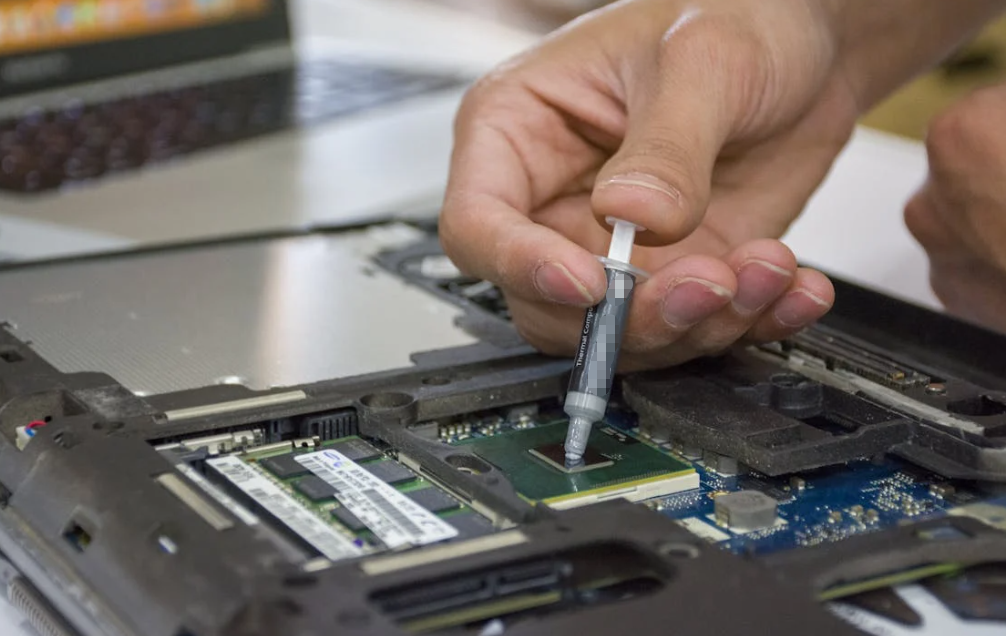
今日の急速に変化する技術環境において、効果的な熱管理はもはやオプションではなく、基礎的なものです。電子機器が小型化するのと同時に、より高い電力が求められるにつれて、発熱量が劇的に増加しています。その熱を迅速かつ確実に対処できなければ、性能の低下、安全性のリスク、および寿命の短縮につながります。まさにこの課題こそが、部品を接合するだけでなく、 熱を伝える —その中には 熱伝導性接着剤 目立つ.
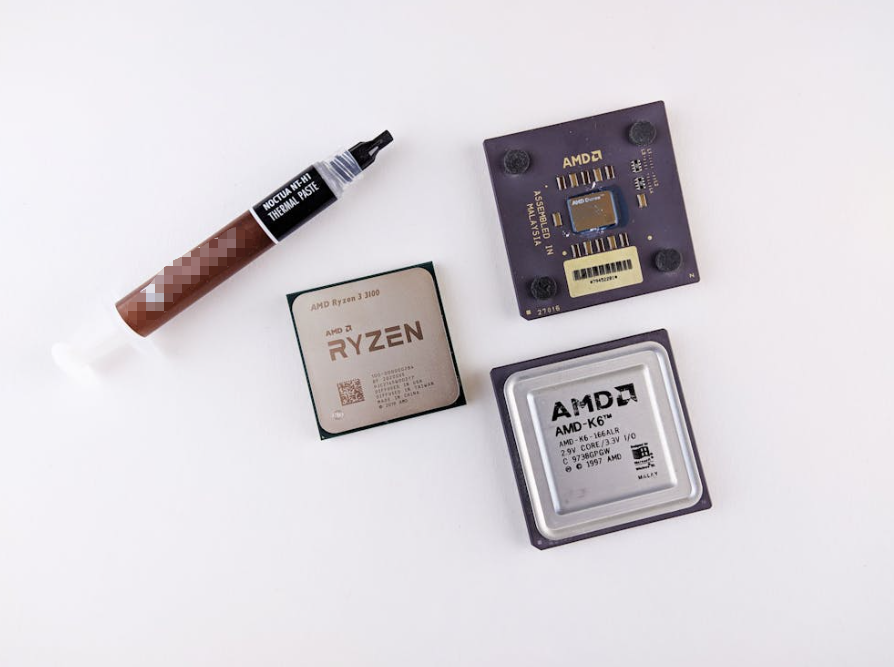
この記事では、熱伝導性接着剤(TCA)とは何か、その仕組み、重要性、用途、代替品との比較、そして最も重要な、用途に適した製品の選び方について詳しく解説します。本ガイド全体を通して、業界標準と現代のエンジニアリングの用途に基づいた実践的な知見を活用しています。.
1. 熱伝導性接着剤(TCA)とは何ですか?
その本質において、 熱伝導性接着剤は、表面を接着すると同時に発熱部品から熱を逃がすように設計された接合材料です。. 標準とは異なり 構造用接着剤, 、TCAはポリマーマトリックスに導電性フィラーが埋め込まれて配合されており、二つの役割を果たします— 機械締結と熱伝導.
要するに、それらは電子・産業用組立における2つの主要なニーズのギャップを埋めるものです。
- 構造用接着 —ねじや機械的な留め具を使わずに、部品をしっかりと接合すること。.
- 熱管理 高温部から低温の基板やヒートシンクへの熱の移動を促進する。.
TCAは、電子機器、オートメーション、自動車システム、再生可能エネルギー機器、およびその他のあらゆる分野で広く使用されています。 熱が蓄積されてはならない. それらは単に材料を接着するにとどまらず、システムを助ける 冷静さを保ち、確実に機能する.
2. 熱伝導性接着剤の仕組み

TCAの機能を理解するには、熱伝達の基礎に少し立ち入る必要があります。微視的なレベルでは、, 接着剤自体 — 通常はポリマー レジン —は本来、優れた熱伝導体ではない. ポリマー材料は一般に熱伝導率が低く、多くの場合 0.17〜0.3 W/m·K の範囲にあります。.
魔法が起こるのは 熱伝導性フィラー 例えば:
- 酸化アルミニウム(Al₂O₃),
- 窒化ホウ素(BN)、,
- 酸化亜鉛(ZnO),
- 黒鉛または銀の粒子
ベース樹脂に混合されます。これらの粒子は 連続的な経路 その熱がより効率的に伝わり、接着剤の熱伝導性が効果的に高まります。.
その結果、接着剤を介して暖かい表面から冷たい表面へと熱が移動するとき、 熱抵抗 減少します, 、優れた熱移動を可能にし、これは安定した長期性能のための必須条件である。.
3. 一般的な熱伝導材料
熱伝導性接着剤ブレンド 2つの主要な構成要素:ベースポリマーとフィラー。.

ポリマーマトリックス
基材は構造と接着性を提供します。一般的な選択肢には以下が含まれます:
それぞれのポリマータイプは、剛性、耐熱性、密着性の独自のバランスをもたらします。.
導電性フィラー
これらは熱伝達能力を劇的に向上させます。
- セラミックフィラー (例:窒化ホウ素)— 電気絶縁性を備えた優れた熱性能を提供します。.
- 金属フィラー (例:銀やアルミニウム)—非常に高い熱伝導性を提供するが、導電性をもたらす可能性がある。.
- 黒鉛 そして炭素材料 特定の配合において電気絶縁性を維持しつつ、優れた熱性能を発揮します。.
充填剤の割合と種類が、導電性、粘度、硬化挙動、電気的特性などの主要な特性を左右します。.
4. 主要な特性とパフォーマンス指標

エンジニアがTCAを選定する際に厳しく確認する性能特性について、詳しく見ていきましょう:
熱伝導率
これが番組の主役です。測定単位は ワット毎メートル・ケルビン (W/m·K) そして、接着剤を通してどれほど容易に熱が伝わるかを示しています。.
一般的な範囲には以下が含まれます:
- 一般的なTCA: ~0.5 – 3 W/m·K
- 高性能配合:~3 ~ 10 W/m·K(金属フィラー使用)
- フィラーなしの標準的な高分子: ~0.2 – 0.3 W/m·K
TCAは導電率の点で純金属には及ばないものの、むき出しのポリマー接着剤よりははるかに優れています。.
熱抵抗
これは接着剤の量(または程度)を測定するものです 熱の流れに抵抗する, 、ホットスポットからの熱除去能力に影響を与えます。.
機械的強度
接着強度は接着剤の種類によって異なります。エポキシ系TCAは通常高い強度を提供しますが、シリコーン系TCAは柔軟性と耐衝撃性をもたらします。.
動作温度
異なるTCAは、特定の動作温度範囲に合わせて設計されています。極端な熱サイクルに耐えるものもあれば、より簡単な塗布や迅速な硬化のために一部の耐熱性を妥協しているものもあります。.
電気的特性
使用される充填剤によって、TCAは 電気絶縁性の (ほとんどの電子機器において一般的で望ましい)または 導電性の (特定の用途向け)。ショートや性能低下を防ぐためには、適切な電気的特性を選ぶことが極めて重要です。.
5. 実世界の応用

熱伝導性接着剤はもはやニッチなものではなく、現代のデバイス製造の中心となっています。.
電子・チップ実装
パワー半導体からCPUやGPUに至るまで、TCAはコンポーネントをヒートシンクにしっかりと固定すると同時に、効率よく熱を逃がします。また、断熱材となってしまう空気の隙間を最小限に抑えます。.
パワーエレクトロニクス&再生可能エネルギー
ソーラーインバーター、風力タービンコンバーター、蓄電池システムにおいて、TCAは温度に敏感な部品を接着し、過酷な条件下でも確実な放熱を実現します。.
車載電子機器
ハイブリッド車および電気自動車のパワーモジュールは大量の熱を発生します。TCAは、コントローラー、バッテリーシステム、およびモータードライバーにおける熱負荷の管理に役立ちます。.
産業・センサーシステム
高温環境に組み込まれるセンサーは、確実な封止と効率的な熱制御の両方を提供するために、熱伝導性接着剤を使用しています。.
一般消費者向け機器
スマートフォン、ラップトップPC、LED照明、小型IoTデバイスは、小型コンポーネントの過熱を防ぎパフォーマンスを最適化するためにTCAを採用しています。.
6. 熱伝導性接着剤と代替品の比較
万能な熱対策ソリューションというものは存在しません。一般的な他の熱伝導素材と比較した場合のTCAの位置づけは以下の通りです:
サーマルグリス
| 側面 | サーマルグリス | 熱伝導性接着剤 |
| 絆 | いいえ | はい |
| 永久的 | いいえ | はい |
| 力学 | 該当なし | Provides structural support |
| 伝導率 | Often higher momentarily | Typically lower but stable |
| プロセス | Rework possible | Not easily reworkable |
貼り付け is excellent for temporary, serviceable interfaces; adhesive is for long-term, bonded assemblies.
サーマルパッド
Pads are preformed, compressible materials that conduct heat between two surfaces. They’re easy to install but often don’t bond surfaces — they act as spacers more than adhesives.
TCAs are generally preferred in assemblies requiring both bonding and heat transfer.
Solder & Mechanical Fasteners
Soldering and screws provide strong mechanical joins but may introduce stress or be infeasible with varied material pairs. TCAs can replace or augment these methods, especially where mechanical stress or temperature gradients differ.
7. How to Choose the Right Thermally Conductive Adhesive
Choosing the perfect TCA is a nuanced process — guided by application, thermal needs, electrical constraints, environmental conditions, and assembly logistics.
Define Thermal Requirements
Determine the heat load, temperature range, and heat sink configuration. Higher Watt densities often demand higher conductivity adhesives.
Electrical Insulation or Conductivity?
For most electronics, electrical insulation is critical. Only choose electrically conductive adhesives when required by the application.
Consider Mechanical Demands
Do you need flexibility under vibration or rigid structural strength? Silicone-based TCAs favor flexibility; epoxy-based ones deliver strength.
Curing Process Compatibility
Two-component systems may require controlled mixing and curing, whereas one-component products might cure at room temperature or with heat.
Assembly and Repairability
Some bonds are permanent. Evaluate whether future serviceability is necessary. If so, choose accordingly.
8. Common Challenges and Best Practices
Even with excellent materials, successful heat management depends on how the adhesive is processed and applied.
下地処理
Surfaces must be clean and free of oils or residues. Proper preparation ensures good adhesion and thermal contact.
Correct Bond Line Thickness
Too thick an adhesive layer increases thermal resistance. Optimal thickness maximizes conductivity.
Material Testing
Check thermal conductivity and electrical properties under real working conditions. Bench tests often differ from real-world performance.
Environmental Considerations
Temperature cycles, moisture, and vibration all influence performance. Choose TCAs tested for those conditions.
9. HakTak’s Role in Thermally Conductive Adhesive Solutions
アット ハクタック, we understand that heat management is more than a specification — it’s critical to product performance and durability. Our thermally conductive adhesive products are engineered with:
- Optimized thermal pathways for efficient heat dissipation.
- Robust adhesion to metals, ceramics, and polymers.
- 電気絶縁 where needed.
- Chemical and moisture resistance for harsh environments.
We help you navigate material choices and mapping them to your design goals — from power modules to compact consumer electronics. Contact HakTak for customized thermal solutions that meet rigorous performance standards.
10. 結論
Thermally conductive adhesives are no longer a peripheral niche within materials science — they are vital enablers of modern electronics and thermal design. Unlike traditional adhesives, TCAs combine bonding power with heat-transfer capability, making them indispensable in applications where temperature control and mechanical reliability go hand in hand.
From mobile devices to industrial drives, electric vehicles to renewable energy systems, TCAs help solve one of engineering’s toughest problems: removing heat while keeping components united. Choosing the right TCA involves understanding thermal conductivity needs, mechanical requirements, electrical properties, and environmental factors.
As electronics continue to evolve, thermally conductive adhesives will remain at the forefront of thermal management innovation — and brands like ハクタック are here to support that journey.
11. よくある質問 (FAQ)
What makes a thermally conductive adhesive different from regular glue?
Thermally conductive adhesives include fillers that enable heat transfer in addition to bonding, whereas regular glue does not conduct heat.
Can TCAs replace thermal paste?
Not exactly — TCAs bond components permanently, while thermal pastes are for interfaces that need rework or adjustment.
Are all thermally conductive adhesives electrically insulating?
No. Some formulations are electrically conductive depending on filler type, so selection must match the application.
How is thermal conductivity measured?
It’s measured in W/m·K, indicating how well the adhesive transfers heat. Higher values mean better thermal transport.
Can TCAs withstand harsh environments?
Yes. Many are formulated to resist moisture, chemicals, vibration, and temperature cycles typical of industrial use.