
成形済みシリコーンフリーギャップフィラー
汚染に敏感な電子機器向けシリコーンフリー熱伝導パッドソリューション
シリコーンフリー熱伝導パッドは、主ポリマー系としてシリコーンエラストマーを使用せずに、電子機器の隙間を埋めます。光学面、電気接点、コーティング、接着部、真空近傍の機器、または使用制限物質に関する方針によって、従来のシリコーンが望ましくない場合に検討されます。適切な選択は、実際の隙間、加えられる圧力、熱インピーダンス、電気的安全性、および正確な汚染リスクを裏付ける根拠によって決まります。.

When Does an Assembly Need a Silicone Free Thermal Pad?
Do not specify non-silicone only because it sounds cleaner. Identify the failure mechanism, the affected surface and the evidence needed to accept a material. That definition determines whether a silicone-free pad is necessary, whether a controlled low-bleed silicone may be sufficient, or whether another TIM format is more appropriate.
 Selection principle
Start with what must not happen.
A practical requirement names the sensitive item, the exposure condition and the unacceptable outcome. “No silicone” may be a contractual rule. “No lens fogging after heat aging” is a performance requirement. “ASTM E595 data required” is a screening requirement. They lead to different documentation and tests.
Lenses, mirrors and emitters
Camera modules, LiDAR, laser optics, displays and optical communication hardware may be affected by condensable films or deposits. Define the nearby cold surfaces, maximum temperature, sealed volume and inspection method.
リレー、スイッチ、コネクタ
微量の汚染物質でも、回路全体が電気的に安全な状態を維持していても、感応性の高い接点に影響を及ぼす可能性があります。揮発性成分、移行、熱への曝露、さらにパッドから接点領域へつながる形状を確認してください。.
コーティング、塗装、接着
シリコーンの転写は、一部の表面で濡れ性や接着性に影響を及ぼす可能性があります。未処理のパッドだけを試験するのではなく、上流の各取扱工程、型抜きライナー、洗浄方法、下流の硬化工程をすべて考慮してください。.
真空または密閉型の機器
シリコーンフリーであっても、自動的に低アウトガスになるわけではありません。圧力、温度、曝露時間、汚染許容量、および総質量損失、凝縮性物質、成分別分析のいずれが必要かを明確にしてください。.
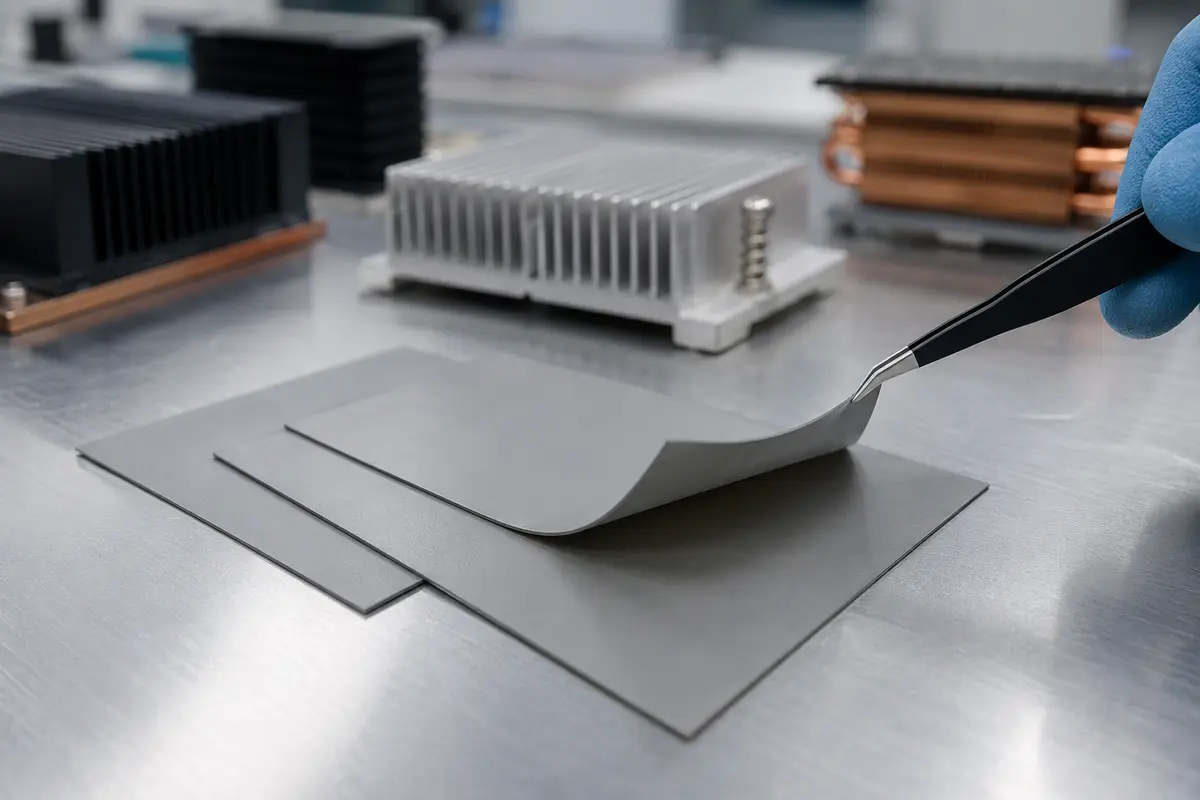
シリコーンフリーサーマルパッドとは何ですか?
シリコーンフリーのサーマルパッドは、あらかじめ硬化された、追従性のある サーマルインターフェースマテリアル that uses an acrylic, polyurethane, polyolefin or another proprietary non-silicone binder rather than a silicone elastomer matrix. Thermally conductive particles create heat-conduction paths through the material, while the pad displaces air and conforms to the mating surfaces under compression.
The physical role is similar to that of a conventional gap pad: bridge a controlled separation between a heat source and a heat sink, cold plate, chassis or metal housing. The chemistry choice changes contamination behavior, temperature capability, softness, recovery, tack, durability and cost. Those properties are product-specific; a non-silicone label does not predict all of them.
A pad is also different from a grease, gel or cured adhesive. It arrives as a defined sheet or die-cut part, does not require dispensing, and supports repeatable placement and rework. For a broader explanation of the category, see what a thermal pad is.
発熱源
プロセッサ、パワーデバイス、センサー、ストレージコンポーネント、光モジュール、または制御基板は、定められた領域全体で発熱します。.
機械的なギャップ
粗さ、平面度、部品高さ、組立公差によって、空気溜まりや不均一な隙間が生じます。.
非シリコーンパッド
圧縮されたパッドが使用可能な隙間を埋め、接触を高めるほか、電気絶縁性とクッション性を付与する場合もあります。.
冷却境界
熱はヒートシンク、筐体、スプレッダ、またはコールドプレートに入ります。その温度と熱容量も結果の一部となります。.
シリコーンフリー、低シロキサン、低ブリード、低アウトガスは同じ意味ではありません
この市場で最も重要な情報の不足は、用語の問題です。有用な仕様では、どの現象を制御するのか、また適合性をどのように実証するのかを明記します。方法、条件、または限界値を伴わないマーケティング文言は、適格性を示す証拠にはなりません。.
シリコーンフリー
主たるポリマー系にはシリコーンエラストマーを使用していません。これは組成上の制限に対応するものですが、その他の有機成分が移行またはアウトガスする可能性はあります。.
低シロキサン
特定の低分子量シロキサンを低減または管理しています。対象となる化学種、抽出法または分析法、しきい値、コンディショニング条件を明記する必要があります。.
低オイルブリード
液状成分は、規定された時間、温度、圧力条件下での移行または目視可能な転移が限定的です。これは総アウトガス量と同じではありません。.
低アウトガス
揮発性質量損失および凝縮性物質は、規定された環境下で管理されます。どのポリマーファミリーでも、この試験が必要になる場合があります。.
ASTM E595は、総質量損失および捕集された揮発性凝縮性物質に関するスクリーニングデータを提供できますが、用途によっては異なる温度、曝露時間、またはより厳しい光学的限度が必要になる場合があります。Haktakの 低アウトガス熱伝導材料 化学系のラベルと脱ガス性能を分けて考える必要がある理由を説明します。.
非シリコーン系サーマルギャップパッドはどのように熱を伝えるか
Heat does not travel through the headline conductivity value alone. The completed joint contains two contact boundaries, the compressed pad body and the cooling structure. Air trapped at rough or non-flat surfaces has very low conductivity, so a conformable pad improves heat flow mainly by replacing air and increasing real contact.
バルク熱伝導率は、規定された方法においてパッド材料がどのように熱を伝導するかを示します。熱インピーダンスまたは熱抵抗には厚さが含まれ、規定された圧力下での界面の影響が反映される場合もあります。公称値が同じW/m·Kのパッドでも、一方がより厚い、硬い、追従性が低い、または異なる荷重で試験されている場合、異なる温度になる可能性があります。.
圧力をかけると通常は接触性が向上し、厚さが薄くなりますが、アセンブリはその力に耐えられなければなりません。カメラ基板、光学パッケージ、薄いPCB、はんだ接合部、またはバッテリーセルは、機械加工されたパワーモジュールのベースプレートよりも許容応力がはるかに低い場合があります。.
接触境界 A
パッドの柔軟性、タック性、粗さ、平坦度および圧力によって、高温側表面での接触が決まります。.
圧縮されたパッド本体
熱伝導率、最終厚さ、フィラー配向、ボイド含有量が、厚さ方向の熱抵抗に影響します。.
接触境界 B
冷却器表面は、異なる仕上げ、圧力分布、使用可能な接触面積を有する場合があります。.
熱拡散板および冷却器
筐体材料、壁厚、ヒートシンクの熱拡散、気流、または冷却液温度がシステムを制限します。.
一般的なシリコーンフリー熱伝導パッドの構成
汎用的な非シリコーン構成は存在しません。マトリックス、フィラー、キャリア、表面材、補強材、剥離ライナーは、システムとして選定されます。入手性と性能は配合に固有のため、すべての組み合わせが標準仕様だと想定せず、必要な機能を定義するためにこれらのカテゴリーを使用してください。.

アクリル系または独自配合エラストマーパッド
フィラーを配合した非シリコーンエラストマーは、組成上の制約がある用途で、制御されたギャップ充填を実現します。対象グレードについて、硬度、圧縮応答、使用温度範囲、長期圧縮永久ひずみを確認してください。.
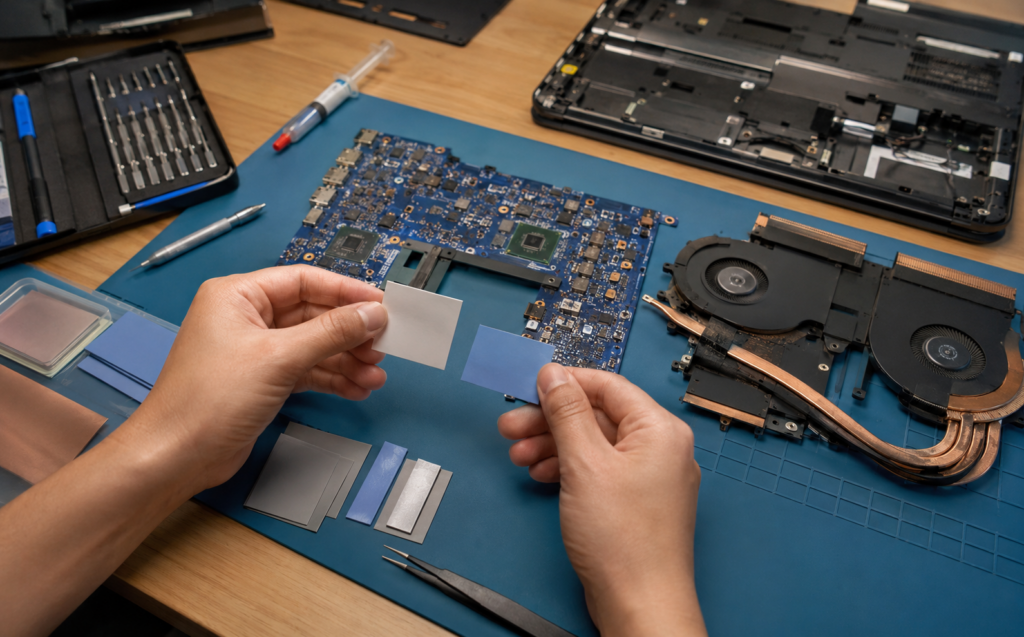
軟質・追従性パッド
低荷重設計は、デリケートなセンサー、基板、パッケージに有効です。重要なのは、硬度の数値だけでなく、圧縮たわみ曲線全体を確認することです。.

硬めの寸法安定パッド
硬めのパッドは、加工や切断がしやすく、厚みもより安定して保持できる場合があります。一方で、より高い圧力が必要になることがあり、凹凸のある表面では接触抵抗が大きくなる可能性があります。.

フィルムまたはキャリア支持パッド
キャリアにより、引裂き、突刺し、寸法安定性を向上させられる場合があります。どちらの面を熱源に接触させるのか、キャリアがコンプライアンスにどのような影響を及ぼすのか、また切断端部で絶縁性が維持されるかを確認してください。.

Die-Cut Parts on Release Liner
Individual pieces, sheets, rolls and kiss-cut arrays support different placement processes. Liner release, tab geometry, cleanliness and packaging are part of the finished component.

Natural Tack or Added PSA
Surface tack can aid placement. A pressure-sensitive adhesive adds a distinct layer that may change thermal resistance, contamination, rework and aging, so test the delivered construction.
Silicone Free Thermal Pad Specifications That Matter
A useful data sheet connects every number to a method and condition. A value measured on the bulk material cannot by itself predict the assembled temperature. Compare like with like, and request the delivered thickness, carrier and adhesive construction that will actually be used.
熱伝導率
Record the method, specimen thickness, temperature and direction. Through-plane data is normally relevant to a gap pad. Do not mix apparent conductivity, laser-flash values and steady-state results without understanding the method.
熱インピーダンス
Check the tested thickness, pressure, contact area, temperature and number of interfaces. Impedance normally changes as a pad compresses and makes better contact.
厚さおよび公差
Specify delivered thickness and tolerance, then define the expected compressed window. The thickest pad that closes the gap is rarely the lowest-resistance solution.
Hardness and compression
Shore 00 is a material-level indicator, not an assembly-force curve. Request force or stress versus compression for the exact thickness and dwell condition when component stress matters.
温度範囲
Separate storage, recommended continuous use, short excursion and test temperature. Non-silicone formulations may have a narrower window than some silicone pads.
電気特性
Review dielectric strength, breakdown voltage, volume resistivity, dielectric constant, thickness tolerance, cut edges and the effect of compression or aging.
Contamination evidence
Match declarations and analytical data to the actual restriction. Silicone-free, TML/CVCM, ionic cleanliness, oil bleed and optical residue require different evidence.
Carrier, tack and liner
Record permanent films, reinforcement, natural tack, PSA, liner type, release direction, tabs, shelf life and storage. These layers influence both performance and production.
| 仕様書 | 何を記録するか | Why it changes the result | Common method or evidence |
|---|---|---|---|
| 熱伝導率 | Value, direction, thickness, temperature and method | Different methods and constructions are not automatically comparable | ASTM D5470 or another clearly stated method |
| 熱インピーダンス | Compressed thickness, pressure, area and temperature | Includes thickness and may capture interface behavior | Steady-state interface test with stated conditions |
| Compression response | Stress versus compression, dwell and sample geometry | Controls contact and component load | Supplier curve plus assembly force measurement |
| 電気絶縁 | Dielectric strength, breakdown, resistivity and final thickness | Cut edges, compression and defects can reduce margin | ASTM D149, ASTM D257 or specified equivalent |
| ガス放出 | Temperature, time, pressure, TML, CVCM and acceptance limit | All polymer systems can release volatile constituents | ASTM E595 or application-specific method |
| 可燃性 | Exact construction, thickness and rating | Ratings may not transfer across thickness or laminate changes | UL 94 classification for the delivered product |
| Mechanical aging | Compression set, stress relaxation, tear and recovery | Long-term contact can change after cycling or dwell | Product-specific aging and complete assembly testing |
For a deeper comparison of measurement methods, review how thermal interface material conductivity is tested.
Select Thickness from the Real Gap and Pressure Window
Pad thickness should be selected from the complete tolerance stack, not a nominal CAD dimension. Measure the minimum, nominal and maximum assembled gap with production-representative components, fasteners, housing flatness and board deflection. Then confirm that one supplied thickness can remain in contact at the largest gap without creating excessive stress at the smallest gap.
The calculation is only a first pass. Real pads do not behave as ideal linear springs, and surface contact changes with pressure and dwell. Review the detailed サーマルパッドの厚さ公差ガイド before freezing the mechanical drawing.
組立後の隙間を測定する
Record minimum, nominal and maximum conditions at every functional contact region, not only at one convenient point.
Define the useful compression window
Keep enough compression for contact at the maximum gap while respecting force and deformation limits at the minimum gap.
Check the pressure system
Fasteners, clips, springs, stops, housing ribs and board stiffness determine how load is distributed over the pad area.
Validate temperature and aging
Compare contact, force, thickness and thermal result before and after thermal cycling, dwell and relevant environmental exposure.
Where Silicone-Free Thermal Pads Are Used
Application labels are not qualifications. Each scenario below explains why the chemistry may matter and which additional variables should be tested. The same material can perform differently as area, gap, pressure, temperature and nearby surfaces change.
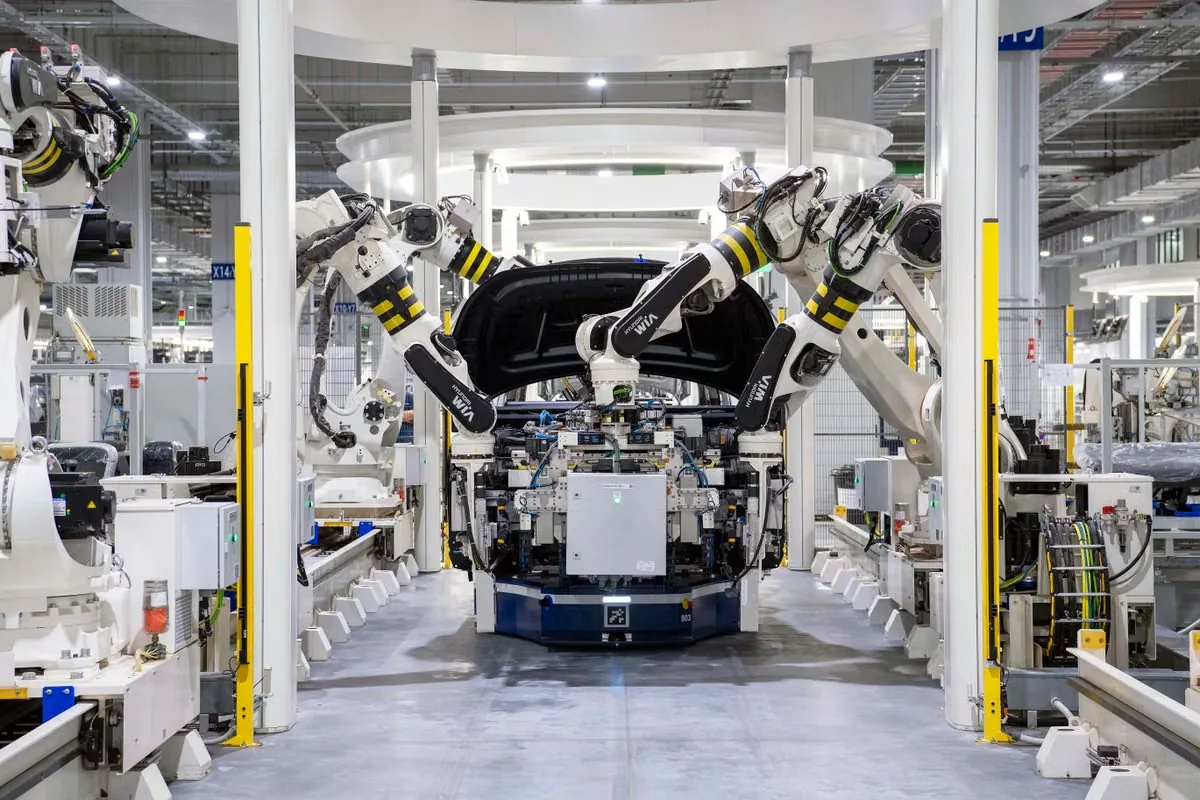
Automotive Sensors, Cameras and Control Units
ADAS cameras, sensor modules, ECUs and sealed controls may combine silicone restrictions with vibration, humidity, fluids and wide temperature cycling. Validate chemistry, compression retention and electrical margin together.
車載電子機器用材料を確認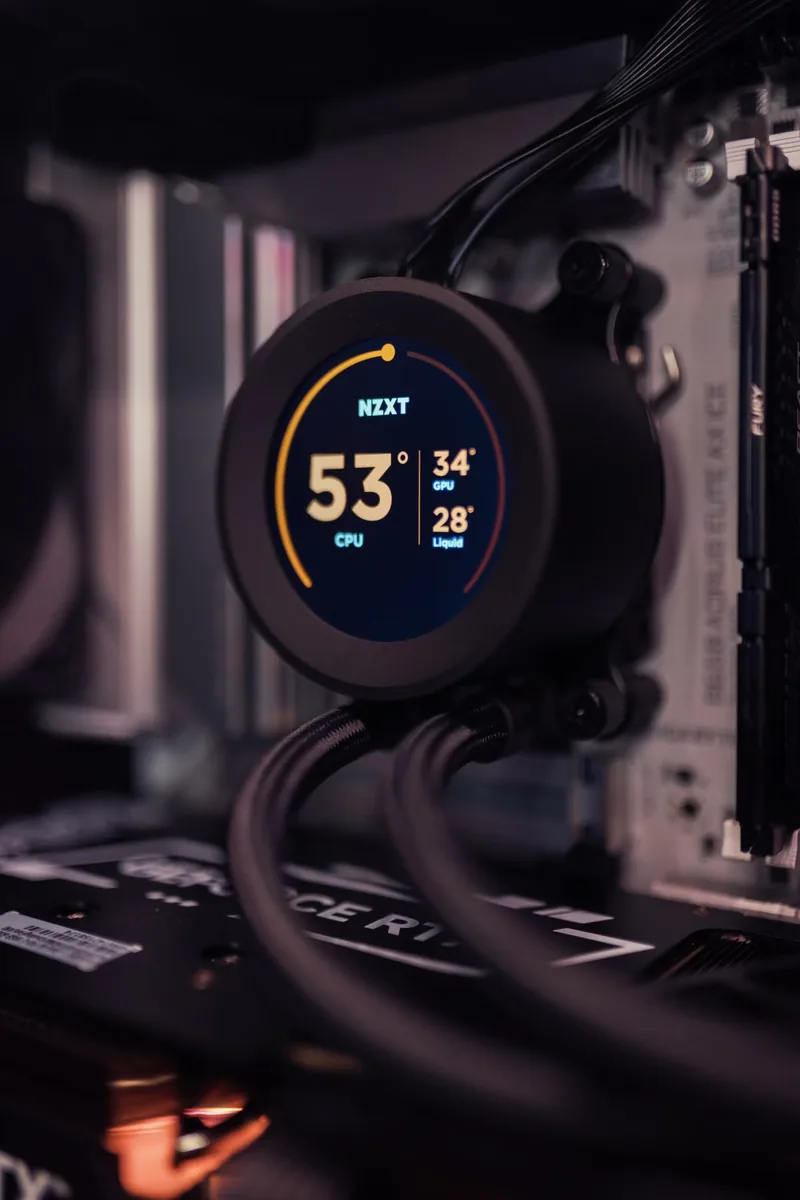
AIサーバー、SSD、高密度コンピューティング
複数の部品高さ、交換・保守可能なコールドプレート、大面積のパッドにより、厳しい加圧および公差の問題が生じます。シリコーンの使用制限は、顧客の材料規定、近接する光学部品、またはストレージデバイスの要件に起因する場合があります。.
AIサーバー向け熱伝導材料を見る
光通信・通信インフラ
トランシーバー、レーザーモジュール、屋外通信機器では、光学的な清浄性に加え、電力サイクルと長期使用への対応が求められます。業界分類だけに頼らず、熱伝導経路、揮発性物質の許容値、密閉容積を確認してください。.
Explore telecom and 5G materials
Relays, Contacts and Coated Assemblies
Electrical contacts, conformal coating, printing, painting and adhesive bonding may be sensitive to transfer or residue. Validate the pad, liner, handling and downstream process as one production chain.
Review electronics assembly materials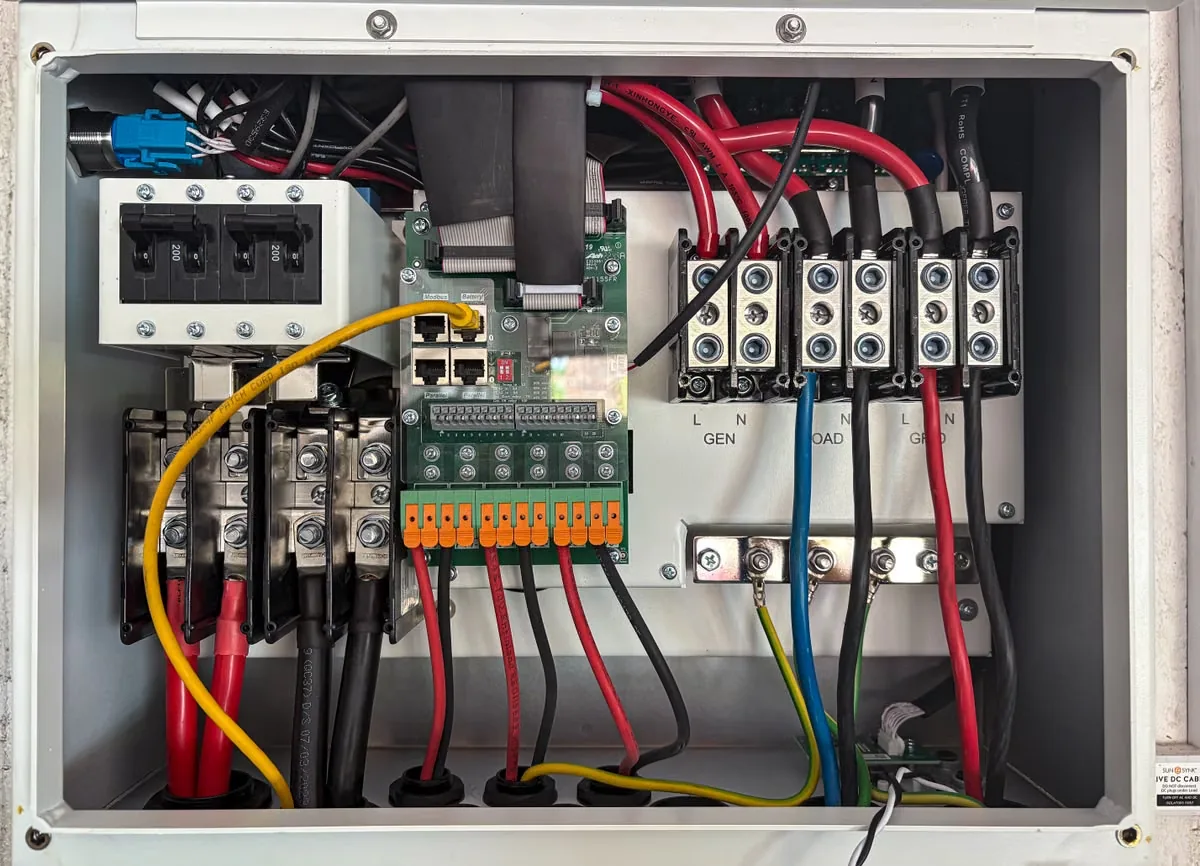
Medical and Industrial Instruments
Long life, serviceability, cleaning, electrical insulation and customer material controls may be as important as temperature. Confirm the exact regulatory and contamination requirement instead of assuming a generic medical grade.
産業用電子機器の資料を見る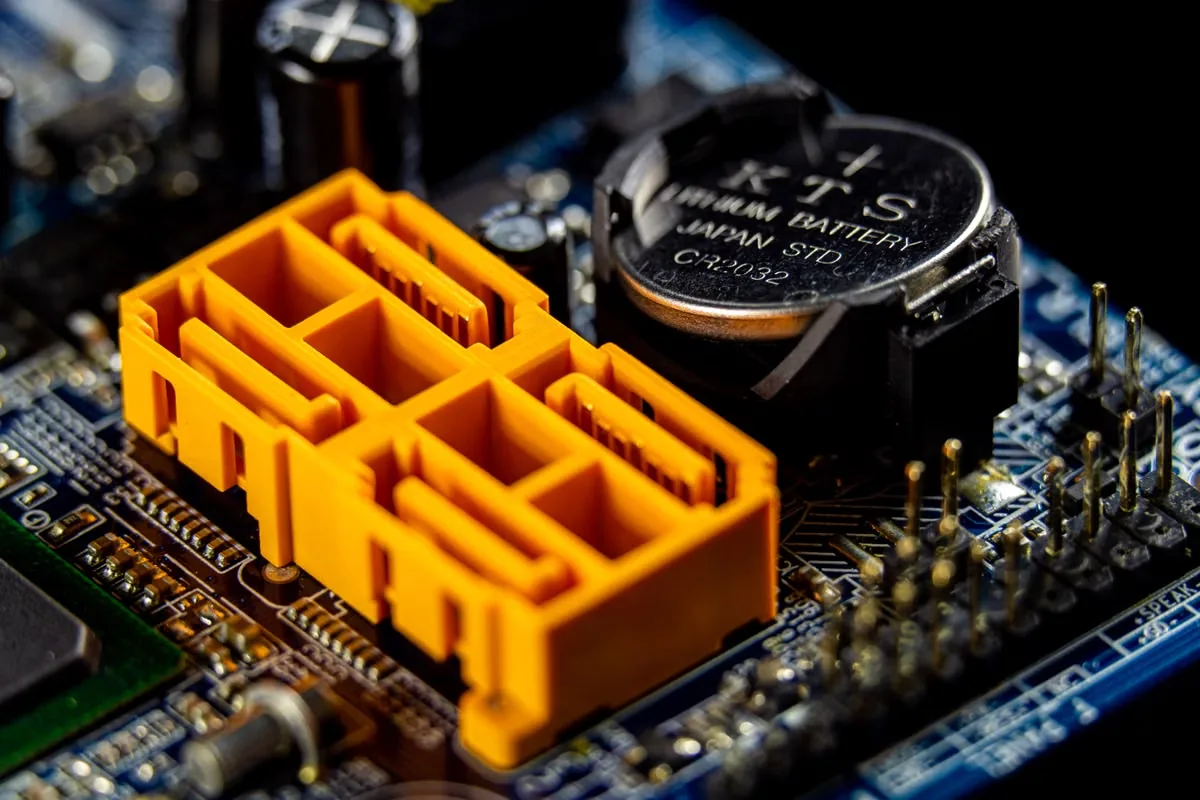
Compact Cameras and Consumer Devices
Small enclosures can place the pad close to lenses, displays, MEMS, microphones or cosmetic surfaces. Thin boards and low fastener loads also make softness and placement accuracy important.
シリコーンフリーの熱伝導パッド vs シリコーン製熱伝導パッド
Neither category is universally better. Conventional silicone pads are widely available, can be very soft and often cover broad temperature and performance ranges. Non-silicone pads are valuable when silicone-related composition or contamination is an identified risk. Compare exact product data at the intended thickness and pressure.
Is the silicone restriction real, documented and important enough to accept any change in softness, temperature window, availability or cost?
| 決定要因 | ノンシリコンパッド | シリコーンパッド | Engineering action |
|---|---|---|---|
| 使用する主な理由 | Composition restriction or control of silicone-related migration | Broad general-purpose gap filling, insulation and cushioning | State the actual failure mechanism before selecting chemistry |
| Typical matrix | Acrylic, polyurethane, polyolefin or proprietary non-silicone system | シリコーンエラストマー | Request the supplier’s formulation boundary and change control |
| 柔らかさと圧縮 | 軟質グレードもありますが、製品ごとに異なり、選択肢が限られる場合があります | 非常に柔らかく、形状追従性に優れたグレードを幅広く取り揃えています | 想定厚さにおける圧縮力を比較 |
| 温度耐性 | バインダーによっては、より狭くなる場合があります | 多くの場合、広範囲ですが、製品固有です | 界面の連続使用温度および短時間の温度逸脱を確認 |
| ガス放出 | Eliminates silicone as one source; does not eliminate all volatiles | 低シロキサン・低ブリードグレードもご用意できる場合があります | 手法および用途に特化した分析エビデンスを使用 |
| 熱性能 | Depends on conductivity, thickness, pressure and contact | Depends on the same complete interface variables | Test thermal impedance in the actual stack-up |
| Supply and cost | May have fewer grades, longer qualification or higher cost | Broad supply and mature converting options | Include lifecycle, risk and production cost, not price per sheet alone |
Read the detailed guide to silicone vs non-silicone thermal pads, or review the broader silicone thermal pad category.
Compare Silicone-Free Pads with Other TIM Formats
A pre-formed pad is not always the right answer. The same silicone restriction can be addressed with different material formats, but each changes bond-line control, assembly force, dispensing, rework and reliability.
シリコーンフリーの冷却ジェル
A dispensable gel can accommodate complex topography and lower stress over large areas. Process control, cure or settling, rework and cleanliness require review.
Review silicone-free thermal gelシリコーンフリーの熱伝導グリース
Grease can suit thin, clamped interfaces with good flatness. It does not bridge large structural gaps and may require pump-out and migration validation.
Review silicone-free thermal greasePhase-Change Material
A phase-change film can reduce bond-line thickness after activation on flat interfaces. Transition behavior, flow containment and cycling must fit the hardware.
Compare phase-change TIMsGraphite Sheet
Graphite is strong in-plane and electrically conductive. It is a heat spreader rather than a direct substitute for every compressible, insulating gap pad.
Review graphite thermal pads液体ギャップフィラー
One- or two-part gap fillers can reduce mechanical stress across broad and uneven assemblies. Chemistry, mix, cure, voids and automation define the process.
Compare thermal gap fillers
How to Test and Qualify a Silicone Free Thermal Pad
Qualification should prove both the thermal interface and the reason for avoiding silicone. A material coupon can characterize conductivity, thickness or outgassing, but it cannot reproduce final surface materials, gap distribution, fastener load, air volume, optical geometry, cleaning, die-cut edges or production handling.
Build the test plan around the failure mode. If the concern is optical fogging, inspect the relevant optical path after representative heat exposure. If the concern is coating adhesion, use the actual coating and surface-preparation process. If the concern is thermal performance, measure the completed joint before and after aging at production-representative pressure.
Define the restriction and acceptance limit
Name the sensitive component, prohibited chemistry or contaminant, exposure condition, analytical method and pass/fail requirement.
Record incoming material and construction
Verify thickness, dimensions, carrier, adhesive, liner, surface condition, lot identity, storage history and available declarations.
Establish the thermal and mechanical baseline
Measure interface temperature or impedance, compression, clamp force, contact marks, flatness and component stress at minimum and maximum conditions.
Run environment and compatibility aging
Use temperature dwell, thermal cycling, humidity, vibration, vacuum or process exposure that reflects the product risk. Inspect residue, fogging, adhesion and electrical behavior.
Re-measure the complete joint
Trend thermal resistance, thickness, force retention, pad movement, surface transfer and dielectric safety. Do not rely only on a final functional pass/fail.
Prove the production process
Run converted parts through representative liner removal, placement, clamping, inspection, rework and packaging. Define incoming and change-control requirements.
Haktakの 材料選定と試験 resources can help structure the comparison around the actual assembly.
Custom Die-Cut Silicone Free Thermal Pads
A production pad is a material construction plus a delivery system. The drawing defines contact area and keep-outs, but the converter must also control deformation, liner release, clean handling, waste stripping, part count, packaging and traceability.
Choose the material and nominal thickness before freezing fine geometry. A 0.5 mm hole behaves differently in a thin reinforced sheet and a 4 mm soft pad. Sharp inside corners, narrow bridges and small loose islands may distort or tear during cutting and liner removal.
レビュー thermal pad die-cutting design tips before releasing the final part drawing.
Drawing and functional area
Identify the useful heat-transfer footprint, electrical keep-outs, holes, slots, fasteners, critical dimensions and permitted edge exposure.
Material and laminate stack
State the exact pad grade, thickness, carrier, permanent film, PSA, surface tack and release liner. Each layer belongs in the part specification.
Tolerance and measurement
Use functional tolerances appropriate to a soft material. Define how dimensions and thickness will be measured without compressing or stretching the part.
Liner and pickup design
Choose individual parts, sheets, kiss-cut arrays or rolls. Add tabs or split liners where they reduce handling and placement errors.
Cleanliness and packaging
Control cutting debris, surface transfer, lot identification, bag or tray format, count and storage conditions for contamination-sensitive programs.
Pilot and scale-up
Test the converted part, not only the base sheet. Confirm release, placement, contact, insulation, thermal result and operator or automation capability.
Common Failure Modes and Troubleshooting
When a silicone-free pad underperforms, the root cause is often the completed interface or the evidence plan, not the polymer label. Inspect contact, force, dimensions, surfaces and process history before changing conductivity grade.
High temperature despite high W/m·K
The pad may be too thick, too firm, under-compressed or contacting only part of the surface. Check imprint, flatness, pressure distribution and cooler performance.
Board or package stress
The minimum gap may create excessive compression, especially across a large area. Measure force and deflection, then adjust thickness, softness, area or the pressure system.
Intermittent or uneven contact
Tolerance, housing ribs, fastener spacing or material recovery may leave local gaps. Map the contact footprint at minimum and maximum stack conditions.
Residue or fogging still appears
Non-silicone materials can still release other constituents. Review liners, adhesives, cleaning agents, packaging, nearby polymers and the analytical method.
Pad stretches, tears or shifts
The part may need a carrier, different liner release, larger radii, fewer narrow webs, controlled pickup or a fixture. Inspect the full converting and placement sequence.
Insulation margin is inconsistent
Cut-edge damage, puncture, excessive compression, contamination or thickness variation can reduce margin. Test the delivered die-cut part after assembly and aging.
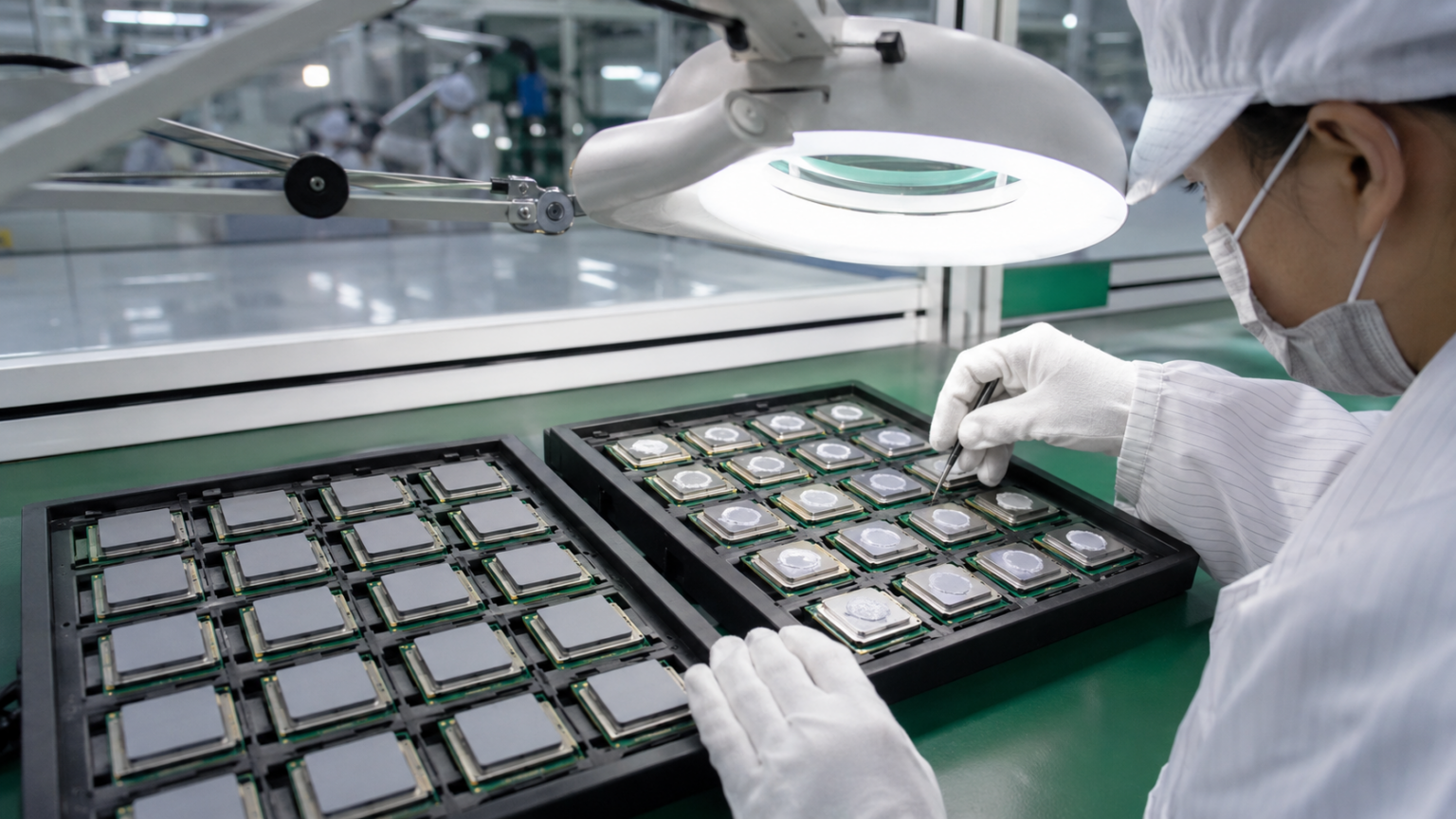
Prepare a Useful Material Screening Brief
A complete brief helps Haktak separate chemistry requirements from mechanical, thermal, electrical and production constraints. Estimated values are acceptable during early screening when they are clearly identified.
Include the current material and failure evidence if the project is a replacement. A clear problem statement is more useful than asking for the highest conductivity available.
制限
Reason for avoiding silicone, affected surface, prohibited species, evidence method and acceptance limit.
Interface drawing
Contact area, minimum/nominal/maximum gap, flatness, holes, keep-outs and tolerances.
Thermal boundary
Power, heat flux, device limit, cooler temperature and target thermal result.
Pressure system
Fastener torque, springs, clips, stops, allowable component load and assembly sequence.
Electrical and environment
Voltage, dielectric needs, temperature, humidity, vibration, fluids, vacuum and service life.
Production format
Sheet, individual part, kiss-cut array or roll, placement method, quantity and packaging.
Silicone Free Thermal Pad FAQ
What is a silicone free thermal pad?
It is a pre-formed thermal interface pad that does not use silicone elastomer as its primary polymer matrix. It fills a controlled gap between a heat source and a cooler while helping address silicone-related composition or contamination restrictions.
ノンシリコーンは、シロキサンフリーと同じ意味ですか?
必ずしもそうではありません。ノンシリコーンは、主たるポリマー系を示します。シロキサンフリーまたは低シロキサンは、特定の化学種に関する主張であり、対象化合物、分析方法、閾値を明示する必要があります。製品固有のエビデンスを確認してください。.
シリコーンフリーであれば、自動的に低アウトガスになりますか?
いいえ。アクリル、ポリウレタン、ポリオレフィンなどのポリマー系でも、揮発性成分が放出されることがあります。低アウトガス用途への適合性を確認するには、規定された試験方法、条件、限度値に基づく評価が必要です。汚染リスクが高い場合は、続けて実機での評価も行ってください。.
ノンシリコーン熱伝導パッドには、どのようなポリマー基材が使用されていますか?
一般的な配合には、充填アクリル、ポリウレタン、ポリオレフィン、独自配合の有機エラストマーなどがあります。正確な化学組成と特性範囲は製品ごとに異なります。サプライヤーに、プロジェクトに関連する配合上の制約範囲を確認してもらう必要があります。.
シリコーンパッドではなく、シリコーンフリーパッドを使用すべきなのはどのような場合ですか。
シリコーン含有成分、低分子量シロキサン、オイルブリード、または表面移行が、光学部品、接点、コーティング、接着、密閉機器、あるいは顧客の材料方針に対する文書化されたリスクとなる場合に使用します。そのようなリスクがない場合は、シリコーンパッドのほうが選択肢が広い可能性があります。.
シリコーンフリーのサーマルパッドは電気絶縁性を備えていますか。
充填された非シリコーンパッドの多くは電気絶縁用に設計されていますが、カテゴリー名だけで保証されるものではありません。絶縁耐力、絶縁破壊電圧、体積抵抗率、厚さ、基材、裁断端面、ならびに圧縮と経時劣化の影響を確認してください。.
How do I choose silicone free thermal pad thickness?
Measure the minimum, nominal and maximum assembled gap, then choose a delivered thickness that maintains contact at the largest gap without exceeding force limits at the smallest gap. Validate compressed thickness and thermal impedance in the actual hardware.
Are non-silicone thermal pads harder than silicone pads?
They often have fewer ultra-soft options, but the trend is not universal. Compare the complete force-versus-compression curve for the exact material and thickness. Shore hardness alone does not predict component stress.
Can a silicone-free thermal pad be used in an optical module?
有用な出発点となる分類ですが、光学用途への適合性を判断するには、組成の記載だけでは不十分です。想定する温度および筐体条件下で、揮発性物質と凝縮性物質を評価したうえで、実際のレンズ、ミラー、検出器または光路を確認してください。.
真空用途または航空宇宙用途では、何を確認すべきですか?
圧力、使用温度およびベークアウト温度、曝露時間、材料量、近傍の低温表面、ならびにコンタミネーション予算を定義してください。関連するTML/CVCMなどのデータを確認したうえで、組み立てたシステムを適格性評価してください。すべてのシリコーンフリーグレードが真空対応であるとは限りません。.
シリコーンフリーの熱伝導パッドは、カスタム打ち抜き加工に対応できますか?
はい。選択した材料が必要な形状に対応していれば、個片、シート、ハーフカット加工した配列、またはロールで供給できます。図面、ライナー、タブ、キャリア、公差、清浄な取り扱い、および梱包は、まとめて確認する必要があります。.
PSA の裏打ち材は、熱性能や清浄度に影響しますか?
影響する可能性があります。PSA によって別の材料と界面が加わるため、熱抵抗が増加する場合があり、リワーク性に影響し、裏打ち材自体に由来する揮発性物質や残留物が生じる可能性もあります。基材パッドのデータだけに依存せず、納入状態の積層材を評価してください。.
量産承認前にどのような試験を実施すべきですか?
一般的な評価項目には、受入寸法検査、熱特性および圧縮特性の初期値測定、必要に応じた電気安全性試験、温湿度エージング、熱サイクル試験、振動試験、表面適合性またはアウトガスに関する検証、エージング後の検査、パイロット生産が含まれます。.
サンプルを依頼するには、どのような情報が必要ですか?
制約の理由、接合部の図面、ギャップ範囲、熱負荷、冷却境界条件、許容圧力、電気的要件、使用環境、信頼性評価計画、必要な供給形態、想定数量をご提示ください. これらの情報は、サンプルを準備する前に材料系統を絞り込むのに役立ちます.