
Ready-to-dispense 1K thermal interface
Single Component Thermal Gel for Electronics Assembly
Fill uneven gaps with a pre-mixed, dispensable thermal interface—without an on-line two-part mix. Select the gel by the real bond line, dispense window, closure force and thermal result in your finished assembly.

Define the material state first
What Is Single Component Thermal Gel?
A single component thermal gel is a ready-to-use, dispensable thermal interface material placed between a heat source and a cooling surface. It fills irregular air gaps without metering and mixing a second component on the production line. The goal is a continuous, low-stress thermal contact—not simply a high catalog conductivity number.
“One component” describes the supplied format. It does không by itself prove whether a grade is pre-cured, non-curing or requires a later stabilization step. Confirm the exact formulation, delivered state, storage, handling and service behavior before writing the assembly specification.
For the broader material family and neighboring routes, start at Haktak’s liquid gap filler category.
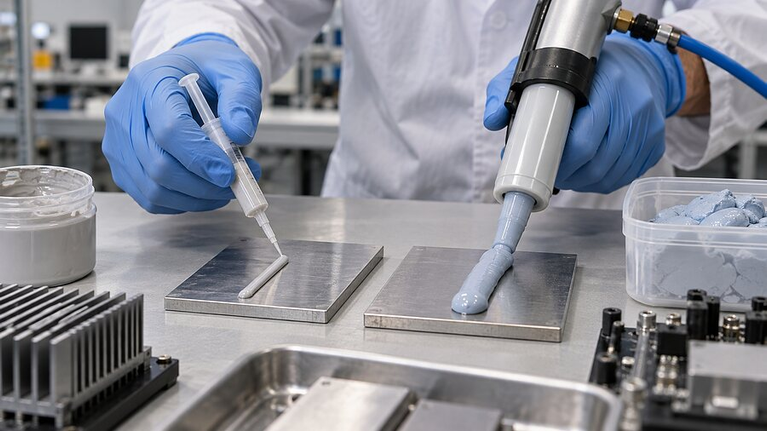 From syringe to closed interface: test the delivered material, not just a coupon.
A practical selection gate
When Should You Choose Single Component Thermal Gel?
Choose 1K when the joint and the line benefit from selective dispensing without two-part metering. A grade still needs to pass the actual geometry, pressure and reliability conditions.
Variable heights, one cooling surface
Use a shaped dot or bead to cover local tolerance variation where several components meet a housing or cold plate. Record the minimum and maximum finished gap.
One stream, controlled dispense
Avoid on-line mix ratio control, but qualify package conditioning, pump pressure, nozzle, shot mass, placement and stop-start stability at real cycle time.
Soft contact that survives use
Check thermal performance and contact after cycling, vibration and orientation. If rework matters, qualify removal, residue and replacement with the selected grade.
One connected production window
From 1K Thermal Gel Package to Finished Heat Path
Every operation changes the next. A stable gel in its package is not proof of a repeatable bead or low thermal resistance after assembly.
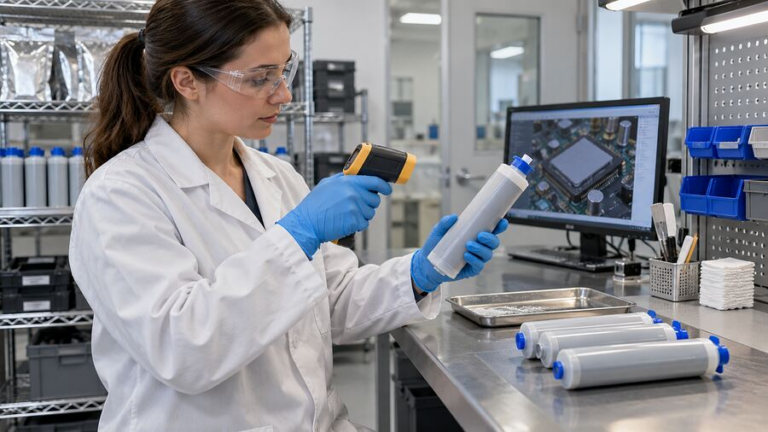
Prepare the package
Confirm shelf life, storage and material temperature before loading.
Set pump and nozzle
Match package, hose, orifice and pressure to the gel’s flow behavior.

Place the bead
Control shot mass, width, height, air and edge clearance.

Build the interface
Measure spread, final bond line, contact and component load.
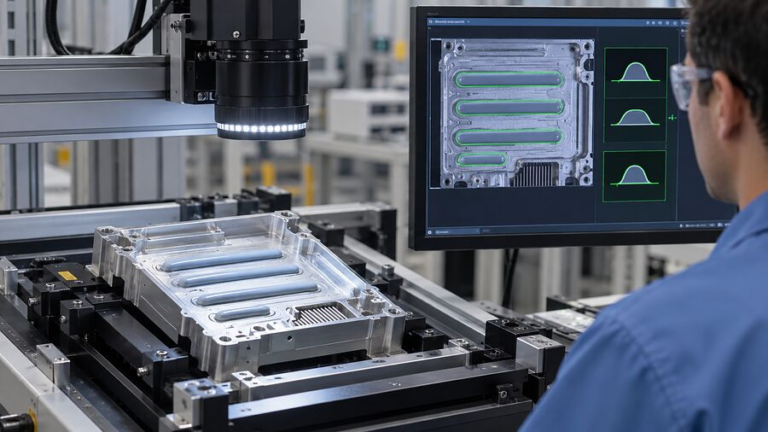
Release by evidence
Inspect placement and test thermal results in representative hardware.
Specify the joint, not a slogan
Single Component Thermal Gel Specifications That Matter
Ask for values with the specimen, method and conditions. A data sheet is useful for screening, but assembled thermal impedance must be checked at the actual bond line and contact area.
| Tham số | Tại sao điều đó quan trọng | What to record |
|---|---|---|
| Bulk thermal conductivity | Screen possible filler systems; it does not capture the whole joint. | Test method, specimen preparation and temperature. |
| Thermal impedance / device temperature | Captures the assembled heat path and its contact interfaces. | Final bond line, area, pressure, fixture and aging state. |
| Dispense flow and rheology | Determines pump/nozzle choice, shot repeatability and cycle time. | Pressure, orifice, temperature, flow rate and stop-start result. |
| Shape retention and slump | Controls the bead before closure, especially on vertical faces. | Orientation, dwell time, temperature and accepted deformation. |
| Compression force and spread | Limits load on boards, packages, cells and solder joints. | Min/nominal/max gap, clamp force and final coverage. |
| Electrical and cleanliness behavior | Determines insulation margin and compatibility near contacts or optics. | Required dielectric test, oil bleed, volatility and nearby surfaces. |
| Reliability and rework | Tests whether the interface remains functional in service. | Cycling, vibration, pump-out, residue and replacement test. |
On a narrow screen, swipe horizontally to view every table column.
For the distinction between bulk W/m·K and finished-joint performance, see Haktak’s thermal conductivity vs thermal impedance guide.
Application-led screening
Where 1K Thermal Gel Fits in Electronics
These are candidate applications, not blanket qualifications. The finished assembly defines gap, voltage, orientation, vibration and acceptable residue.
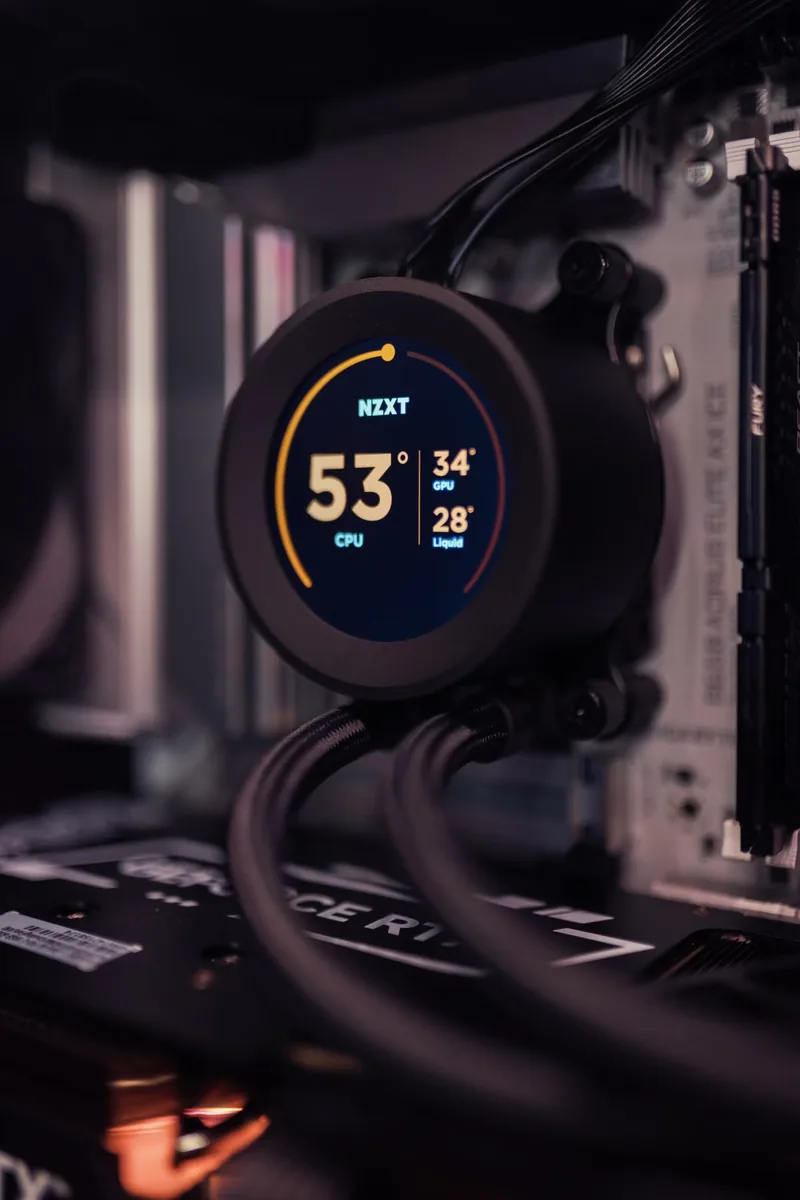 01 / compute
Processors and memory
Connect differing component heights to a common heat spreader.
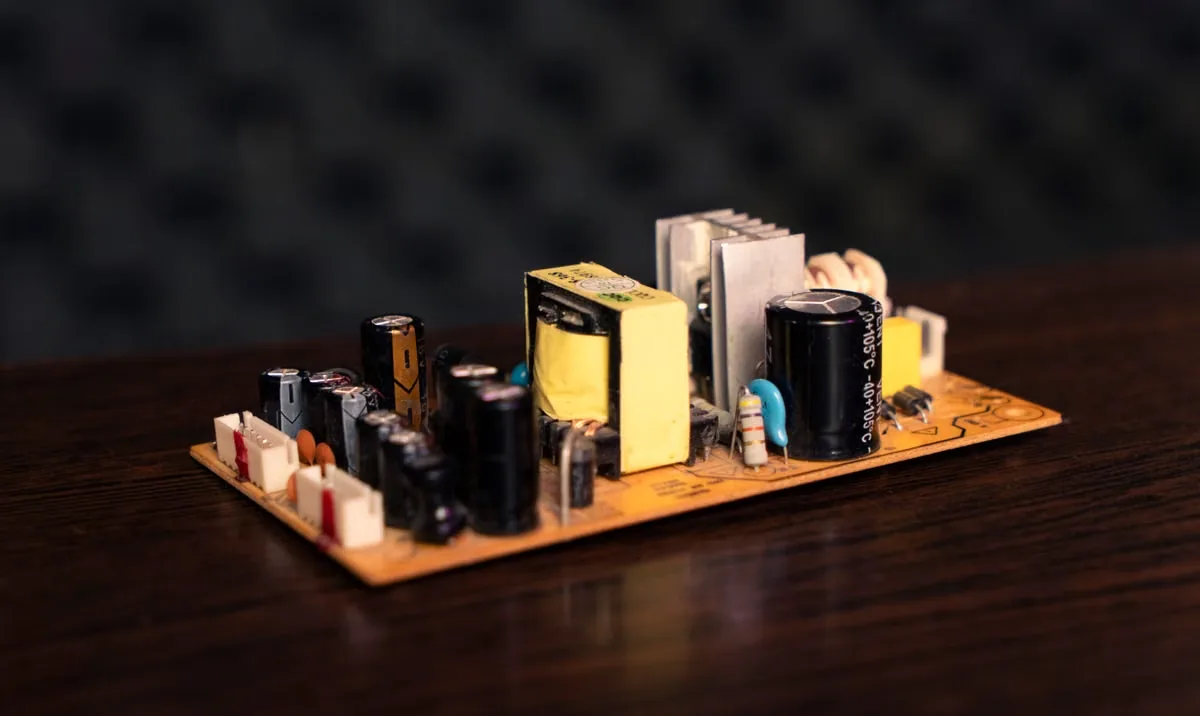 02 / power
Converters and modules
Manage hot components without excessive closure stress.
 03 / network
Thiết bị viễn thông
Qualify controlled beads under cycling and field-service conditions.
 04 / mobility
Điện tử ô tô
Check vibration, temperature and dielectric needs in the real enclosure.
Qualification sequence
Validate Single Component Thermal Gel After Assembly
Use the same representative hardware and acceptance limits before and after exposure. A visually acceptable bead can still leave a void or lose thermal contact.
Establish the baseline
Record gap, shot mass, bead shape, closure force, final bond line, device temperature and electrical boundary before aging.
Challenge the interface
Apply the actual thermal cycle, vibration, orientation, storage or humidity profile. Look for slump, bleed, pump-out and displacement.
Retest function
Repeat thermal, mechanical and electrical checks at the same conditions. If service is planned, validate cleaning and replacement.
Choose format by function
1K Thermal Gel vs Putty, Pads and Curing Fillers
Compare application state and service requirements before comparing conductivity. A similar W/m·K value does not make these materials interchangeable.
| Định dạng | Strongest fit | Production route | Main check |
|---|---|---|---|
| Single component thermal gel | Controlled dispensing into variable gaps without on-line two-part mixing. | Condition → dispense → close; confirm the exact grade’s final state. | Bead repeatability, bond line, slump and aging. |
| Keo tản nhiệt dạng dẻo | Soft, formable and potentially serviceable local filling. | Manual placement or dispensing, depending on grade. | Placement mass, shape retention and residue. |
| Miếng tản nhiệt | Defined footprint and controlled preformed thickness. | Die cut → place → compress. | Contact at largest gap and force at smallest gap. |
| Two-component liquid gap filler | Dispensed area-fill with a specified mixed/cured final state. | Meter → mix → dispense → close/cure. | Mix ratio, voids, open time and cure. |
| Post-curing thermal gel | Gel placement followed by a defined stabilization step. | Dispense → assemble → verify the specified cure route. | Final cure, dimensional stability and rework. |
On a narrow screen, swipe horizontally to view every table column.
If silicone transfer or residue near contacts, optics or later bonding is the limiting risk, evaluate a silicone-free thermal gel route separately.
Quick engineering answers
Single Component Thermal Gel FAQ
What does “single component” mean for thermal gel?
It means the material is supplied as one usable stream, without on-line mixing of two components. Its cure or service state still depends on the exact grade.
Does every 1K thermal gel remain uncured?
No. Some materials are pre-cured and dispensable; others are described as non-curing or have a defined stabilization process. Confirm the supplier’s stated material state and test it in the assembly.
Can single component thermal gel be automated?
Many grades support automated dispensing, but the package, pump, hose, nozzle, pressure, shot mass, bead geometry and cycle time must be validated together.
How is 1K gel different from a two-component gap filler?
1K avoids on-line two-part metering and mixing. A 2K system requires ratio and mix control and commonly cures after dispensing. Either route still needs final-joint thermal and reliability testing.
Is 1K thermal gel the same as thermal putty?
The naming overlaps in the market. Specify the delivered material state, placement method, shape retention and rework behavior instead of relying only on the product family name.
Is a higher W/m·K always better?
No. Final temperature depends on bond-line thickness, spread, contact area, interface resistance and stability after aging, not bulk conductivity alone.
What gap thickness can 1K thermal gel fill?
There is no universal range. Record the assembled minimum, nominal and maximum gap, then check the selected grade’s recommended bond line and compression/dispense behavior.
How can slump or pump-out be checked?
Test the actual bead, orientation and assembly through expected temperature, vibration and dwell conditions, then inspect placement and retest thermal contact.
Can 1K thermal gel be reworked?
Some grades are designed for rework, but residue, cleaning, replacement mass and performance after the next closure must be qualified for the specific material and surfaces.
What should be sent with a sample request?
Share a drawing, gap tolerance, heat-source power, cooling boundary, electrical requirement, dispense equipment, cycle time and the thermal/reliability acceptance criteria.
From shortlist to production
Match Single Component Thermal Gel to Your Real Interface
Send the stack-up drawing, gap range, target temperature, bead path, packaging choice and reliability plan. Haktak can review the right 1K material route and the evidence needed before release.