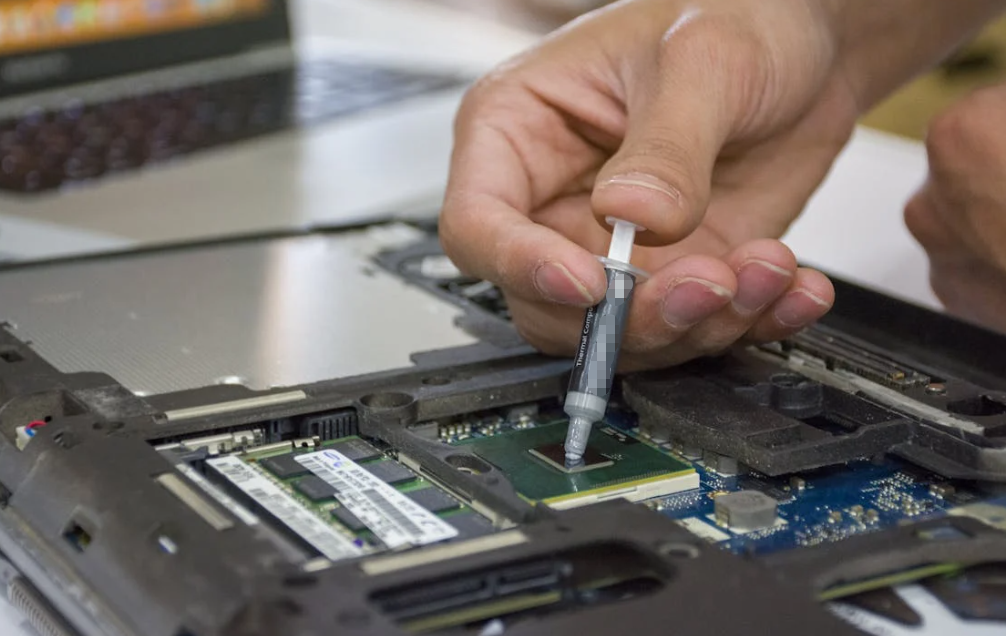
作業台の上に2つのカートリッジを置く。一方は「サーマルゲル」、もう一方は「サーマルパテ」と書かれている。両者は異なる挙動を示すかもしれないし、奇妙なことに、ほとんど同じかもしれない。これらの名称はサーマルインターフェイスマテリアル業界全体で標準化されていない。ラベルは手がかりであり、仕様ではない。.

適切な選定を行うために、硬化挙動、レオロジー、隙間範囲、組み立て荷重、製造性、再作業性、信頼性を比較してください。.
大多数の人が予想している以上に名前の重複がある
サーマルジェルとサーマルパティはどちらも より幅広いリキッドギャップフィラー製品ファミリー. これらは、発熱部品と、ヒートシンク、コールドプレート、金属筐体、またはヒートスプレッダーの間にある断熱空気層(※絶縁空気層)を置き換えます。どちらも、硬く強く圧縮されたパッドに比べて部品にかかるストレスが少なく、粗い表面や高さのバラつきに順応することができます。.
日常のエンジニアリング用語では、, サーマルパテ 通常は、より厚く、強いチソトロピー性を持つ、形状を保持する材料を意味します。一般的に1液型で硬化しません。. サーマルゲル 多くの場合、より柔らかく流動性のある塗布しやすい材料を指します。しかし、ジェルは一液型で既に安定している場合もあれば、混合後に硬化する二液型の場合もあります。.
多くの共通点があります。Parker Chomericsは次のように説明しています THERM-A-GAP GEL 75 ヘビーなペースト状のサーマルパテの一液型使い捨て隙間埋め材として。これは、業界で完全に一般的に使われているいくつかの名前を持つ一つの製品です。.
ラアードの液状ギャップフィラー製品群 未硬化のままの1液型材料と、塗布後に硬化する2液型製品の両方を含み、同じ市場の重複を別のアングルから可視化しています。.
したがって、すべてを2つの箱に無理に当てはめるのではなく、3つの実用的なグループを比較する方が安全である。
- 一液型形状保持サーマルパティ
- 1液型で、より柔らかく、流動性の高いサーマルゲル
- 2液性現場硬化型サーマルジェルまたはギャップフィラー

サーマルパテとは何ですか?
A 1液型サーマルパテ 通常、すぐに使用可能です。A/B液の混合や二次硬化は不要です。ペースト状、時には生地状の粘稠性により、筐体が閉じられる前に配置された場所に留まるのに役立ちます。.
パテは、不規則な形状や高さの異なる部品に適しています。小さな建物の列を想像してみてください。VRAMチップはある高さで、インダクタはそれより高く、コントローラーはそれより低い位置にあります。プレフォームパッドは、この凹凸のある「スカイライン」全体で圧縮されなければなりません。パテは局所的に変形し、変化する空間を満たすことができます。.
一般的な用途には、GPUのメモリや電圧レギュレータ、通信基板、サーバーの電源部、自動車用コントローラー、LED、および鋳造ハウジングを使用した産業用電子機器が含まれます。.
形状保持力があるからといって、その素材が構造体であるとは限りません。ほとんどのパテは、部品を固定するために依然としてネジ、クリップ、または筐体を必要とします。特定のグレードがそれらの機能のために設計および検証されていない限り、それらを接着剤、環境シール、または電磁波シールドとして扱ってはなりません。.

「サーマルジェル」とはどういう意味ですか?
ここから表現が少しややこしくなります。ジェルという言葉は、かなり異なる2つの製造経路を指す場合があります。.
1液型プレキュア(硬化済み)または非硬化ゲル
A 一液型サーマルジェル すぐに使用でき、混合の必要はありません。一部のサプライヤーは、これらの材料の有用な構造が吐出前にすでに存在するため、これらをプレキュア(プレ硬化)材料と呼んでいます。これらは柔らかいままであり、メンテナンスのために取り外すことができる場合がよくあります。.
パテとして販売されている製品と比較して、1液性ゲルは、より薄い接着ラインにおいて、より優れた流動性と濡れ性を示す場合があります。これは、利用可能な組立圧力が低い場合に役立ちます。それでも、これは傾向であり、規則ではありません。市販の「ゲル」の中には、パテのように振る舞うほど十分に粘稠なものもあります。.
2液混合硬化型ゲル
A 後硬化サーマルゲル 2つの成分から始まります。計量装置が通常はスタティックミキサーを介してAとBを混合します。材料が吐出された後、硬化して柔らかいエラストマーになります。.
その硬化体は位置安定性を高めることができる。しかし、製造においては、混合比、空気制御、可使時間、ミキサーの寿命、硬化温度、硬化時間など、考慮すべき要素が増加する。.
硬化ゲルは表面に密着することがありますが、密着は適切な構造接着と同じではありません。アセンブリに接着剤が必要な場合は、熱伝導性接着剤を指定し、それに応じて接合部をテストしてください。.

サーマルジェル vs サーマルパテ:徹底比較
以下の表は、一般的な傾向を示しています。製品データシートと代表的なアセンブリ試作品は、常にカテゴリラベルよりも優先されます。.
| 選択要因 | 通常の1液型パテ | 代表的な1液型ゲル | 二液硬化型ジェル |
| 供給された状態 | 排出の準備ができました | 排出の準備ができました | A成分とB成分を分離する |
| 行動療法 | 通常非硬化 | 通常、未硬化またはプレキュア済み | 混合硬化 |
| レオロジー | より硬く、優れた形状保持力 | 多くの場合、より柔らかい、またはより流れやすい | 塗布時は流動性があり、その後柔らかい固体になる |
| ギャップフィット | 変動またはそれ以上の不均一な間隔、学年別 | 薄めから中程度の可変ギャップ、グレード別 | 硬化安定性が役立つ可変ギャップ |
| 組立荷重 | 通常低め | しばしば非常に低い | 硬化前は低く、硬化後の弾性率はグレードによって異なります |
| 垂直安定性 | スランプ抵抗性に依存する | 配合に強く依存する | 治癒後に改善することが多い |
| 製造工程 | 1液型ディスペンス | 1液型ディスペンス | 計量、混合、吐出、硬化 |
| 作り直す | 多くの場合率直。新しい素材を適用する | 多くの場合率直。新しい素材を適用する | 皮むきや、より丁寧な残留物の清掃が必要になる場合があります。 |
| 主要プロセスのリスク | アンダーフィル、オーバーフィル、スランプ、分離、設備の摩耗 | マイグレーション、フローの偏流、薄肉部の飢餓 | 比率エラー、混合不良、空気の混入、硬化不良 |
表に何が記載されていないかに注目してください。どの系統が、あらゆる用途においてより伝導性が高く、安価で、長持ちすると断言しているわけではありません。そうした主張には、等級レベルの証拠が必要です。.

どの素材がよりよく熱を伝えますか?
2つのW/m·Kの数値を比較して、大きい方を勝ちと判断したくなるところですが……、まあ、そう急がないでください。.
熱は界面全体を通過しなければならない。性能は、熱伝導率、ボンデッドライン厚さ(接着層の厚さ)、濡れ性、接触抵抗、およびボイド(空隙)に依存する。熱伝導率の非常に高い材料であっても、厚く塗りすぎると、性能の控えめな材料が薄く完全な界面を形成した場合よりも、かえって大きな抵抗を生み出す可能性がある。.
冬のコートを思い浮かべてみてください。高価な断熱材も、背中がカバーされていなければほとんど意味がありません。同様に、優れた熱伝導性も、乾いた角や閉じ込められた空気の層を救うことはできません。.
実際の接合ラインにおける熱インピーダンスの比較
導電率または熱抵抗がどのように測定されたかを尋ねてください。厚さ、圧力、温度、表面状態、および試料の構造を記録してください。「標準」と「保証最低値」は同じではありません。.
ASTM D5470-17(2024) 関連する界面材料の定常状態熱伝達測定において広く参照されています。制御された比較をサポートすることができます。完成品におけるすべてのPCB、筐体、クランプ荷重、ボイド、または環境曝露を再現するものではありません。.
デバイスでパフォーマンスを確認する
公称図面だけでなく、最小および最大の製造公差の隙間をテストしてください。規定された電力および冷却条件下で部品温度を測定します。治具、センサーの位置、および組み立てトルクを一定に保ってください。.
優れた材料とは、公差の範囲内において実際のコンポーネントを熱限界内に保つものです。それがゲルであることもあれば、パテであることもあります。両方が機能する場合もあり、その場合は製造コストが決め手となります。.

機械的挙動が選択を決定付けることが多い
ギャップの変動と部品のストレス
形状保持パテは、固定されたパッドの厚さに頼ることなく、不均一な部品間を埋めることができます。より柔らかいゲルは、より薄い界面をより容易に濡らす可能性があります。力は依然として、接触面積、隙間、閉鎖速度、ストップ、およびレオロジーに依存します。.
基板の反り、部品の公差、ハウジングの平坦度、およびネジの締め付け順序により、各コーナーで異なる隙間が生じる可能性があります。1 mmで機能する材料は、最小時には押し出されてしまい、最大時には接触しなくなる可能性があります。.
垂直取り付け、スランプ、およびマイグレーション
「パテ」という言葉は安定した響きがする。「ジェル」という言葉は流れるような響きがする。現実の生活はそんなに片付いてはいない。.
1液型パテは、高いビードが熱せられると垂れ下がる場合があります。優れた1液型ゲルであれば安定性を保つことができます。2液型ゲルは硬化後に安定しますが、硬化前に移動させすぎると、早すぎる運搬時に動いてしまうことがあります。.
実際の厚みと温度での垂直安定性のエビデンスを要求する。アセンブリを輸送時および稼働時の向きでテストする。.
ポンプアウト、オイルブリード、および経年劣化
熱サイクルと振動によって動きが加わります。柔らかい界面材は、ずれ、ブリード(油分流出)、密着不良、または硬化を起こす可能性があります。硬化材料は、クラック(ひび割れ)、密着性の変化、あるいは内部のボイド(空隙)に直面する可能性があります。.
いかなるカテゴリ名も10年の耐用年数を保証するものではありません。環境プロファイルの実施後は、経年劣化した熱インピーダンス、外観、該当する場合は質量減少、およびデバイス温度を確認してください。.
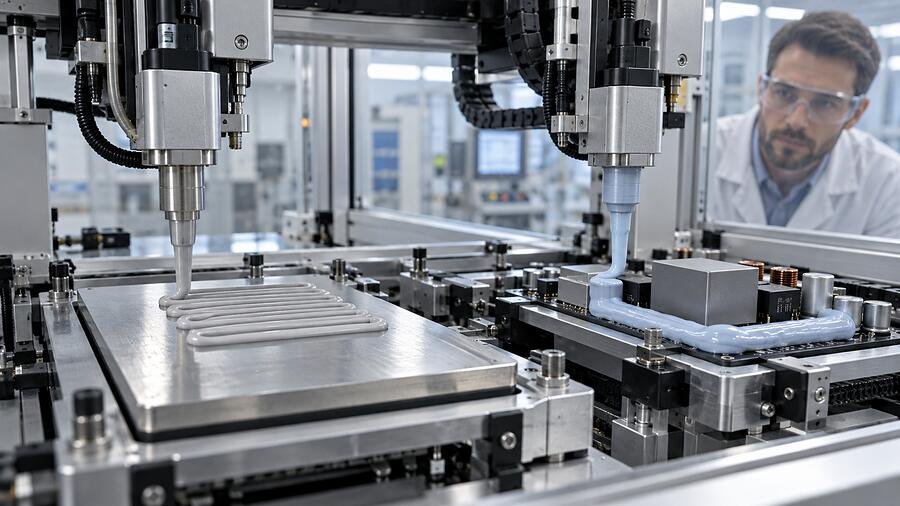
本番環境:手軽な1パーツ構成か、堅牢な2パーツ構成か?
1液型ジェルおよびパテは配合や硬化の管理が不要ですが、製造工程では依然として、コンディショニング、供給圧力、吐出量、ビードの位置、ノズルの状態、およびトレーサビリティの管理が必要です。.
2液性ゲルは計量・混合装置を追加します。配合比率の確認、ミキサーの交換、パージ、エア、組立タイミング、硬化を制御します。部分的に硬化が進んだミキサーは、完全に詰まる前に流れを変えてしまうことがあります。これは、まるでロボットの不具合のように見える、実に厄介なトラブルの一つです。.
関連する名前についての詳細な文脈については、 パテ対ギャップフィラーの用語 「ギャップフィラー」がより広い概念(ファミリー)である理由を説明します。.
総工程コストの比較
1キログラムあたりの価格は1行のみです。以下も含めてください:
- 預託量と廃棄物
- 包装・ディスペンシング機器
- サイクルタイムと硬化時間
- ノズル、ミキサー、ポンプ、およびシールの交換
- 検査、清掃、手直し作業
- 在庫として保管されているTIMのグレード数またはパッドの厚さの種類数
- フィールド故障リスク
パテは複数のパッドの厚みを置き換えることで、部品表(BOM)を簡素化できる。硬化性ゲルは設備を増やすかもしれないが、アセンブリ後の位置ズレを軽減する。より柔らかい1液型ゲルは、薄い接着層と高速自動化を可能にする。最も安い購入品が、最もコストのかかる工程になり得る。よくあることだ。.

サーマルジェルはサーマルパテの代わりになりますか?
おそらくそうですが、名前から名前への置き換えは承認しないでください。実際の2つの成績を比較してください。.
以下のチェックリストを使用してください:
- 1液型または2液型の構造および硬化挙動を確認してください。.
- 全ギャップ範囲と最終接着線厚さをテストしてください。.
- 利用可能な組み付け荷重で濡れ性(ウェットアウト)を確認してください。.
- 実方向でスランプと安定性を確認してください。.
- 熱サイクル、振動、輸送、および保管条件を確認してください。.
- 誘電性、化学性、コーティング、プラスチック、およびシールの適合性を確認してください。.
- シリコーン、揮発成分、フォギング、および清浄度に関する制限事項を確認してください。.
- 製造部門が代品を払い出し、検査し、手直しできることを証明してください。.
- デバイスレベルの熱テストを繰り返してください。.
2液硬化型ゲルから非硬化型パテへの移行は、製造工程と最終的な材料状態の両方を変化させます。1液のゲルからパテへの変更であれば、その変化はより小さい可能性があります。外見が似ていることは、同等性を示す証拠にはなりません。.
むき出しのCPUおよびGPUダイの取り扱いにはご注意ください
コンシューマー向けフォーラムでは、CPUやGPUのダイ上のペーストの代わりにギャップジェルやパテを使用できるかどうかがよく質問されます。それらの薄く高負荷がかかるインターフェースには通常、認定されたダイ直載せ用TIMが使用されます。VRAM、VRMコンポーネント、およびコイルには、より厚いパッド代替材料が使用されることがよくあります。.
OEMの構造に従ってください。もし近接部品の下のパテが厚すぎると、クーラーがダイから浮いてしまうことがあります。その小さな機械的ミスにより、パテ自体の熱伝導性が良くても、コア温度が予期せぬ上昇を引き起こす可能性があります。.

業界およびインターフェース別アプリケーションガイド
| アプリケーション | 何が選択の原動力となっているのか | 有用な出発点 |
| GPU VRAM、VRM、および異なる高さの基板部品 | ギャップ変動、クーラー接触、リワーク | 保形性のある一液パテまたは適格な一液ゲル |
| 通信機器と屋外用電子機器 | 垂直安定性、サイクリング、自動化、汚染 | 試験後のグレード別一液性材料または硬化システム |
| EVのバッテリーとインバーター | 大面積、スループット、ボイド、振動、誘電性のニーズ | プロセスに適した自動1液型または2液型隙間充填剤 |
| サーバーおよびデータセンターハードウェア | 高密度実装、保守性、サーマルマージン | 実際の接着面で検証済みの、貼り直し可能なゲルまたはパテ |
| 光モジュール、センサー、リレー | シロキサン、フォギング、残渣、ガス放出 | ノンシリコーンサーマルゲル 定められた清浄度試験とともに |
| LEDと産業用制御機器 | 鋳肌、長時間の稼働、方向 | 形状に基づく耐ダレ性パテ/ゲルまたは硬化物 |
これらはスクリーニングの指示書です。バッテリー・トレイと小型光トランシーバーはいずれも「サーマルゲル」を含んでいる可能性がありますが、それぞれ異なる化学組成と工程管理が必要です。.

見直すべき基準とテスト
規格は方法を管理するか、フレームワークを提供するものであり、あなたのために製品を選んでくれるわけではありません。.
ASTM D5470は熱的比較をサポートする場合があります。IEC 60068の試験方法は、温度、湿度、振動、および衝撃の計画に役立ちます。ASTM E595はアウトガスプログラムに適用される場合があります。UL 94の分類は、特定の材料やデバイスの決定において重要となる場合があります。.
電気絶縁に関しては、絶縁耐力、体積固有抵抗、最小厚さ、沿面距離、空間距離、エッジ、湿度、および経年劣化を確認してください。カタログの記載は、完成品アセンブリ全体の証明にはなりません。.
使用する 一般的なTIM試験規格 参照点として、さらにアプリケーションレベルのテストを追加します。敏感な光学系、リレー、センサー、またはコーティングされた接点の場合、化学的および汚染に関するテストが熱性能と同じくらい重要になることがあります。.

ジェルかパテを選ぶ前にサプライヤーに送るべき内容
役立つサプライヤー概要には、以下が含まれます:
- インターフェース図と接触面積
- 最小、定格、および最大ギャップ
- 熱源、電力、および目標温度
- ヒートシンクまたは筐体表面、組立荷重、およびメカニカルストッパー
- 向き、振動、温度、湿度、耐用年数
- 誘電性、難燃性、規制、および汚染の要件
- 生産速度、パッケージサイズ、および塗布装置
- 硬化、手直し、現行材料、および観察された不具合
もし複数の選択肢が依然として似通って見える場合は、を使用してください 材料選定および試験サポート 小さく管理された比較を構築するために。曖昧な条件でテストされた山のようなサンプルよりも、慎重に選ばれた2つか3つの候補の方が、通常は多くのことを教えてくれます。.
結論
サーマルゲルとサーマルパテは、その名称が示す以上に重複する部分が多い。パテは一般的に、より硬く、形状を保持する1液型の隙間埋め材を指すことが多い。ゲルは、より軟らかい1液型の製品や、硬化する2液型の材料を指す場合がある。しかし、サプライヤーによってその境界線の引き方は様々である。.
挙動による選択:硬化状態、レオロジー、隙間範囲、接着層、組み立て力、配向、製造方法、リワーク、および経時後の界面性能。最良の選択肢とは、実際の公差と実際の生産において接触を維持するものです。ラベルですか?確かに便利です。ただ、それだけでは不十分です。.
よくある質問
サーマルゲルとサーマルパテは同じものですか?
それらは非常によく似た1液型で使い捨ての隙間埋め材を指すこともあります。別のケースでは、ゲルはより柔らかい材質または2液硬化型製品を意味し、パテはより硬い非硬化性の化合物を意味します。名前に頼るのではなく、硬化性、レオロジー、隙間の範囲、およびプロセスを確認してください。.
サーマルジェルはサーマルパテよりも流動性が高いですか?
多くの場合はそうですが、常にそうとは限りません。一液型ゲルの中には、パテのように形状を保持する、重いペースト状の材料もあります。特定のグレードの粘度、チキソ性、スランプ、およびディスペンスのデータを使用してください。.
サーマルジェルは塗布後に硬化しますか?
場合によります。1液型のプレキュア(硬化済み)ゲルや非硬化型ゲルは、二次硬化を必要としません。2液型ゲルは、A液とB液を混合した後に硬化が始まります。それらの配合比、可使時間、硬化スケジュール、および最終的な弾性率を制御する必要があります。.
サーマルジェルはサーマルパテの代わりになりますか?
実際のゲルが同じインターフェース、プロセス、電気、リワーク、および信頼性の要件を満たしている場合は可能です。変更を承認する前に、隙間の被覆率、組立力、向き、接着層の厚さ、熱性能、および経年変化を検証してください。.
大きなくぼみや不規則な隙間にはどちらが良いですか?
形状保持パテは、高さのある隙間や不規則な隙間に対する優れた出発点となることがよくあります。適切なゲル状または2液混合型の隙間充填剤も効果的です。サプライヤーが検証済みの隙間範囲や組み立てテストは、カテゴリ名よりも重要です。.
どちらの素材の方が取り外しや再作業が簡単ですか?
1液型のパテやジェルは、硬化型の2液型材料に比べて、拭き取りや削り取りが簡単な場合が多いです。合わせ面を開けた後、新しい材料を塗布してください。形状が変化したり、ホコリやゴミが付着した取り除いた化合物は再利用しないでください。.
サーマルジェルやサーマルパティは、液漏れ、垂れ下がり、または乾燥を起こすことがありますか?
配合、隙間、温度、向き、または組み立てが不適切な場合、移動や劣化が生じる可能性があります。グレード別の安定性データを検討し、熱サイクル、振動、保管、および関連する環境曝露の後に完全なデバイスをテストしてください。.
サーマルジェルとサーマルパテは電気絶縁性ですか?
多くのグレードは電気絶縁性を持つように設計されていますが、すべての製品がそうであるとは限りません。誘電率データを確認し、最小厚さ、端部、沿面距離、空間距離、湿度、経年劣化を含む完全な絶縁システムを検証してください。.
サーマルジェルやサーマルパテは、CPUやGPUのダイに直接使用できますか?
そうとは限らない。ダイ直付けのインターフェースには通常、薄いボンディングラインと特定の固定設計に適格なTIMが必要である。パティやギャップゲルは、高さが異なるVRAM、VRM、コイル、および周辺の部品によく使用される。.
選定前にどのように熱性能を比較すべきか?
代表的な厚みと圧力における熱インピーダンスまたは熱抵抗を比較し、実際の組み立てものでコンポーネント温度をテストします。各候補について、同じ電力、周囲条件、冷却設定、センサー位置、組み立て力、および定常状態のルールを使用してください。.