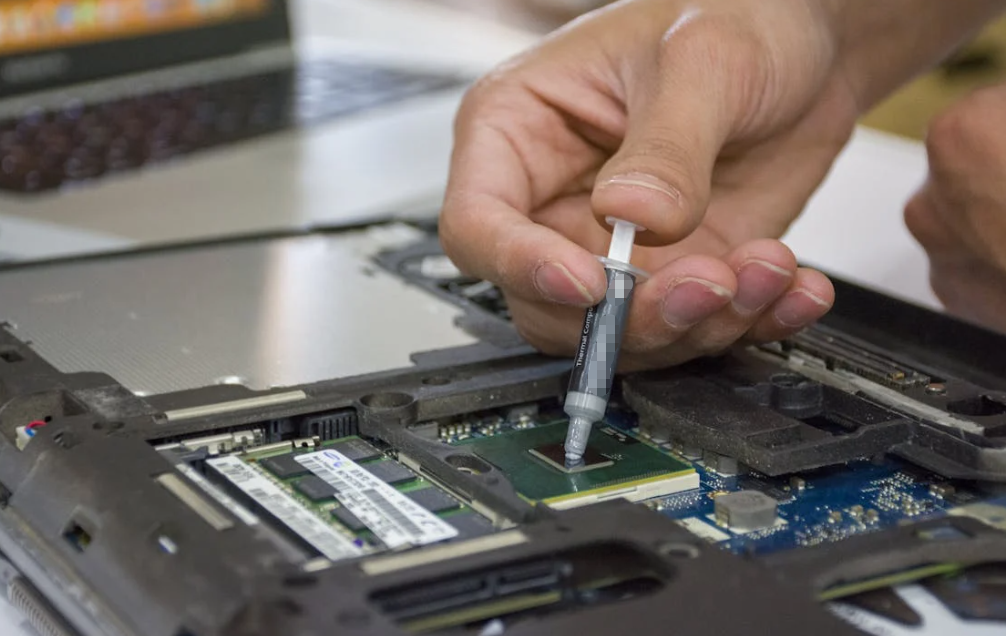
Để lựa chọn độ dày miếng đệm nhiệt cho thiết bị điện tử, trước tiên hãy đo khe hở thực tế giữa nguồn nhiệt và bề mặt tản nhiệt, sau đó chọn miếng đệm có thể lấp đầy khe hở lớn nhất nhưng vẫn nằm trong phạm vi độ nén khuyến nghị khi ở khe hở nhỏ nhất. Miếng đệm được chọn phải tạo ra sự tiếp xúc hoàn toàn mà không gây ứng suất cơ học quá mức, đồng thời độ dày sau khi nén phải duy trì điện trở nhiệt trong giới hạn thiết kế.

Nói một cách đơn giản: chọn miếng đệm nhiệt mỏng nhất tấm đệm lấp đầy đáng tin cậy toàn bộ khe hở trên Sự khoan dung độ biến thiên mà không làm cụm lắp ráp bị nén quá mức.
Không nên chỉ lựa chọn độ dày của tấm đệm tản nhiệt dựa trên khe hở danh nghĩa. Kỹ sư cũng cần xem xét dung sai khe hở, tỷ lệ nén, độ cứng của tấm đệm, áp suất tiếp xúc, độ dẫn nhiệt, trở kháng nhiệt, khả năng cách điện, độ phẳng bề mặt, rung động, chu kỳ nhiệt và độ biến dạng nén dư dài hạn.
Vì sao độ dày của tấm dẫn nhiệt lại quan trọng
Tấm dẫn nhiệt được dùng để truyền nhiệt từ linh kiện điện tử sang bộ tản nhiệt, vỏ kim loại, khung máy, tấm làm mát hoặc vỏ thiết bị. Chúng thường được sử dụng khi khe hở quá lớn hoặc không đồng đều để dùng mỡ tản nhiệt, nhưng vẫn cần đường truyền nhiệt sạch và có tính lặp lại.
Độ dày của tấm dẫn nhiệt rất quan trọng vì nhiệt phải truyền qua tấm trước khi đến bề mặt tản nhiệt. Tấm dày hơn thường tạo ra nhiệt trở cao hơn. Tấm mỏng hơn thường giúp truyền nhiệt tốt hơn, nhưng chỉ khi tiếp xúc hoàn toàn với cả hai bề mặt.
Điều này tạo ra một sự đánh đổi thực tế:
- Nếu miếng đệm quá mỏng, miếng đệm có thể không tiếp xúc với cả hai bề mặt.
- Nếu miếng đệm quá dày, điện trở nhiệt và ứng suất cơ học có thể tăng lên.
- Nếu miếng đệm quá cứng, nó có thể không được nén đủ mức.
- Nếu miếng đệm quá mềm, nó có thể bị biến dạng quá mức hoặc khó thao tác.
Độ dày phù hợp giúp cân bằng hiệu năng tản nhiệt và độ an toàn cơ học.
Để hiểu rõ hơn về mối quan hệ giữa độ dày và truyền nhiệt, hãy xem bài viết của HakTak: Độ dày đường keo ảnh hưởng như thế nào đến hiệu suất nhiệt.
Độ dày tấm tản nhiệt là gì?
Độ dày của miếng đệm tản nhiệt là độ dày của miếng đệm trước khi lắp ráp. Các độ dày phổ biến có thể bao gồm 0.5 mm, 1.0 mm, 1.5 mm, 2.0 mm, 3.0 mm và lớn hơn, tùy thuộc vào vật liệu và ứng dụng.
Tuy nhiên, kỹ sư cần phân biệt ba giá trị độ dày.
| Loại độ dày | Ý nghĩa | Tại sao điều đó quan trọng |
| Độ dày danh nghĩa của miếng đệm | Độ dày trước khi lắp ráp | Dùng để lựa chọn vật liệu ban đầu |
| Độ dày nén | Độ dày sau khi ép lắp ráp | Xác định độ dày thực tế của đường keo |
| Độ dày khe hở | Khoảng cách giữa linh kiện và bề mặt làm mát | Quyết định liệu miếng đệm có tiếp xúc hay không |
Giá trị quan trọng nhất đối với hiệu suất nhiệt thường là độ dày sau khi nén cuối cùng, còn được gọi là độ dày lớp liên kết. Đây là độ dày thực tế mà nhiệt phải truyền qua trong quá trình vận hành.
Bắt đầu bằng việc đo khe hở thực tế
Bước đầu tiên là đo khe hở thực tế. Không chỉ dựa vào kích thước danh nghĩa của CAD trừ khi thiết kế vẫn đang ở giai đoạn ý tưởng ban đầu.
Khe hở thực tế có thể khác với CAD do:
- Dung sai chiều cao linh kiện
- Dung sai độ dày của PCB
- Chiều cao mối hàn
- Độ phẳng của tản nhiệt
- Dung sai lắp ghép
- Biến động lực siết ốc
- Độ cong vênh của bo mạch
- Sự giãn nở vì nhiệt
- Xếp chồng lắp ráp
Đo khe hở tối thiểu, danh nghĩa và tối đa
Quy trình lựa chọn độ dày phù hợp cần ba giá trị:
- Khe hở tối thiểu: khoảng cách nhỏ nhất có thể sau khi cộng dồn dung sai
- Khoảng hở danh nghĩa: khoảng hở thiết kế dự kiến
- Khoảng hở tối đa: khoảng cách lớn nhất có thể sau khi cộng dồn dung sai
Ví dụ, một thiết kế có thể có khe hở danh nghĩa là 1.0 mm, nhưng phạm vi dung sai thực tế có thể từ 0.8 mm đến 1.25 mm. Một miếng đệm chỉ được chọn cho 1.0 mm có thể không đáp ứng nếu cụm lắp ráp đạt đến một trong hai giới hạn này.
Xác thực bằng đo đạc thực tế
Các phương pháp đo khe hở hữu ích gồm:
- Thước lá căn
- Đất sét hoặc màng đo khe hở có thể nén
- Đo độ dịch chuyển bằng laser
- Kiểm tra CMM
- Phân tích mặt cắt
- Lắp ráp thử với vật liệu kiểm chứng
- Phân tích cộng dồn dung sai cơ khí
Đối với sản xuất sản lượng lớn, việc kiểm chứng thực tế rất quan trọng vì các sai số dung sai nhỏ có thể tạo ra biến thiên nhiệt lớn giữa các sản phẩm.
Tìm hiểu về tỷ lệ nén

Tấm đệm dẫn nhiệt được thiết kế để nén. Việc nén giúp tấm đệm lấp đầy độ nhám bề mặt, loại bỏ các khe hở không khí và cải thiện độ tiếp xúc. Tuy nhiên, tấm đệm phải nằm trong phạm vi nén an toàn.
Tỷ lệ nén có thể được tính như sau:
Tỷ lệ nén = (độ dày ban đầu – độ dày sau khi nén) / độ dày ban đầu × 100%
Ví dụ, nếu một miếng đệm 1.5 mm được nén xuống còn 1.2 mm:
(1.5 – 1.2) / 1.5 × 100% = 20% độ nén
HakTak có một hướng dẫn chuyên sâu riêng về chủ đề này: Độ nén ảnh hưởng như thế nào đến hiệu suất của miếng đệm tản nhiệt.
Tại sao khoảng nén lại quan trọng
Tấm đệm tản nhiệt phải hoạt động trong toàn bộ dải khe hở.
Nếu khe hở tối thiểu rất nhỏ, tấm đệm có thể bị nén quá mức. Nếu khe hở tối đa lớn, tấm đệm có thể không tiếp xúc đủ.
Đây được gọi là khoảng nén.
| Điều kiện khoảng trống | Rủi ro | Những gì cần kiểm tra |
| Khoảng cách tối thiểu | Nén quá mức | Ứng suất linh kiện, uốn cong PCB, đùn tấm đệm |
| Khoảng cách danh nghĩa | Hiệu năng mục tiêu | Trở kháng nhiệt và lực lắp ráp |
| Khoảng cách tối đa | Nén chưa đủ | Tiếp xúc kém, khoảng rỗng khí, điện trở cao |
Độ dày miếng đệm được chọn phải chịu được cả ba điều kiện.
Phương pháp thực tế để lựa chọn độ dày miếng đệm tản nhiệt
Quy trình lựa chọn thực tế như sau:
- Đo khoảng hở tối thiểu, danh định và tối đa.
- Xác định áp lực kẹp hoặc lực siết vít hiện có.
- Chọn các độ dày miếng đệm phù hợp, bao phủ khe hở lớn nhất.
- Kiểm tra độ nén tại khe hở tối thiểu và khe hở danh nghĩa.
- Xem xét độ cứng của miếng đệm và dữ liệu nén–độ võng.
- Ước tính độ dày đường keo cuối cùng.
- So sánh trở kháng nhiệt ở áp suất thực tế.
- Kiểm tra ứng suất cơ học và khả năng cách điện.
- Xác nhận trong cụm lắp ráp thực tế.
- Thử nghiệm sau chu kỳ nhiệt và lão hóa.
Quy trình này đòi hỏi nhiều công sức hơn so với việc chỉ chọn một tấm đệm có độ dày bằng khe hở danh định, nhưng giúp giảm hỏng hóc ngoài hiện trường và biến động trong sản xuất.
Ví dụ: Lựa chọn độ dày tấm đệm theo khoảng khe hở
Giả sử một cụm linh kiện điện tử có:
- Khe hở tối thiểu: 0.85 mm
- Khe hở danh nghĩa: 1.00 mm
- Khe hở tối đa: 1.20 mm
- Độ nén mục tiêu: 15-30%
Các lựa chọn miếng đệm có thể dùng:
| Độ dày miếng đệm | Độ nén tại khe hở 0.85 mm | Độ nén tại khe hở 1.00 mm | Độ nén tại khe hở 1.20 mm | Kết quả |
| 1.0 mm | 15% | 0% | Không tiếp xúc | Quá mỏng so với khe hở tối đa |
| 1,5 mm | 43% | 33% | 20% | Có thể bị nén quá mức ở khoảng hở tối thiểu |
| 1.2 mm | 29% | 17% | 0% | Sát ngưỡng ở khe hở tối đa |
Trong trường hợp này, miếng đệm 1.2 mm chỉ có thể chấp nhận được nếu khe hở lớn nhất vẫn nhận đủ áp lực tiếp xúc. Miếng đệm 1.5 mm mềm hơn có thể phù hợp nếu cụm lắp ráp chịu được mức nén cao hơn tại khe hở nhỏ nhất. Quyết định cuối cùng cần được xác nhận thông qua đánh giá về lực, nhiệt và cơ học.
Điện trở nhiệt và độ dày tấm đệm
Điện trở nhiệt tăng khi độ dày tăng. Đối với đường truyền nhiệt được đơn giản hóa:
R = t / (k × A)
Ở đâu:
- R độ cản nhiệt
- t là độ dày lớp đệm cuối cùng
- k dẫn nhiệt
- A là diện tích tiếp xúc
Điều này có nghĩa là độ dày của tấm đệm có thể quan trọng hơn độ dẫn nhiệt. Một tấm đệm dày có độ dẫn nhiệt W/mK cao có thể cho hiệu quả kém hơn tấm đệm mỏng hơn có độ dẫn nhiệt W/mK trung bình nếu độ dày lớp liên kết cuối cùng lớn hơn đáng kể.
Để xem giải thích chi tiết hơn, hãy tham khảo bài viết của HakTak: Tại sao giá trị W/mK cao không phải lúc nào cũng đồng nghĩa với hiệu suất làm mát tốt hơn.
Độ dẫn điện là chưa đủ
Miếng đệm 10 W/mK không đương nhiên tốt hơn miếng đệm 5 W/mK. Nếu miếng đệm 10 W/mK quá dày, quá cứng hoặc bị nén không đúng cách, trở kháng nhiệt thực tế của nó có thể cao hơn.
Kỹ sư nên so sánh:
- Độ dẫn nhiệt
- Trở kháng nhiệt
- Độ dày nén cuối cùng
- Áp suất tiếp xúc
- Phạm vi nén
- Sự làm ướt bề mặt
- Sự ổn định lâu dài
Bài viết của HakTak Độ dẫn nhiệt so với trở kháng nhiệt trong việc lựa chọn vật liệu dẫn nhiệt (TIM) giải thích tại sao trở kháng nhiệt thường hữu ích hơn chỉ số W/mK đơn thuần.
Lựa chọn độ cứng và độ dày của pad

Không thể lựa chọn độ dày mà không xét đến độ cứng. Một miếng đệm mềm dày và một miếng đệm cứng dày có đặc tính hoạt động rất khác nhau.
Miếng đệm mềm
Miếng đệm nhiệt mềm hữu ích khi:
- Áp suất bị hạn chế
- Các linh kiện rất dễ vỡ
- Các bề mặt không bằng phẳng
- Phải giảm thiểu tối đa việc uốn cong bảng mạch in (PCB)
- Cần tiếp xúc với các linh kiện có nhiều chiều cao khác nhau
Các miếng đệm mềm có thể lấp đầy các khoảng hở dễ dàng hơn, nhưng có thể dễ hư hỏng hơn, khó xử lý hơn hoặc kém ổn định về kích thước hơn.
Miếng đệm cứng
Các miếng đệm cứng hơn có thể dễ xử lý hơn và ổn định kích thước hơn. Chúng có thể phù hợp khi khe hở được kiểm soát và cụm lắp ráp tạo đủ áp lực.
Tuy nhiên, các tấm đệm cứng có thể gây ra ứng suất nếu quá dày hoặc không được nén đủ. Chúng cũng có thể không thích ứng với các bề mặt gồ ghề hoặc không bằng phẳng.
Phải phù hợp độ dày và lực
Câu hỏi đúng là:
Điều này có thể tấm đệm độ dày có đạt đến chiều dày lớp keo liên kết cuối cùng theo yêu cầu trong giới hạn lực hiện có không?
Nếu câu trả lời là không, miếng đệm có thể có thông số tốt trên bảng dữ liệu nhưng lại không đáp ứng yêu cầu khi sử dụng trong sản phẩm.
Độ phẳng bề mặt và diện tích tiếp xúc
Độ dày của tấm đệm tản nhiệt cũng phụ thuộc vào độ phẳng và độ song song của các bề mặt.
Nếu bộ tản nhiệt và linh kiện phẳng, song song với nhau, miếng đệm mỏng hơn có thể phù hợp. Nếu các bề mặt bị nghiêng, cong vênh hoặc gồ ghề, có thể cần miếng đệm dày hơn hoặc mềm hơn để duy trì tiếp xúc.
Các nguyên nhân phổ biến gây tiếp xúc không đồng đều gồm:
- Dung sai gia công tản nhiệt
- Biến dạng vỏ bảo vệ
- Độ cong vênh PCB
- Biến động chiều cao linh kiện
- Lực siết ốc vít không đều
- Sự không tương thích giãn nở nhiệt
Nếu một phía của bề mặt tiếp xúc có khoảng hở 0.5 mm và phía còn lại có khoảng hở 1.0 mm, miếng đệm đồng nhất có thể bị nén không đều. Điều này có thể tạo ra các điểm nóng và ứng suất cơ học.
Đối với các cụm lắp ráp nhiều thành phần, keo tản nhiệt dạng bột nhão hoặc vật liệu lấp đầy khe hở đôi khi có thể phù hợp hơn miếng đệm tiêu chuẩn. Bài viết của HakTak Keo tản nhiệt dạng đất nặn (Thermal Putty) vs Miếng đệm tản nhiệt (Thermal Pad): Cách lựa chọn cho các khe hở không đều giải thích sự đánh đổi này.
Cách điện và độ dày
Nhiều miếng đệm tản nhiệt có tính cách điện. Trong lĩnh vực điện tử công suất, miếng đệm có thể cần vừa truyền nhiệt vừa cách ly điện môi.
Các tấm đệm dày hơn có thể làm tăng độ bền điện môi, nhưng cũng làm tăng điện trở nhiệt. Các tấm đệm mỏng hơn có thể cải thiện hiệu năng nhiệt, nhưng vẫn phải đáp ứng các yêu cầu cách điện.
Các kỹ sư nên kiểm tra:
- Độ bền điện điện môi
- Điện trở suất thể tích
- Điện áp đánh thủng
- Yêu cầu về chiều dài đường rò và khoảng cách thông thoáng
- Ảnh hưởng của độ nén đến khả năng cách điện
- Lão hóa sau chu kỳ nhiệt
Điều này đặc biệt quan trọng trong:
- Biến tần xe điện
- Nguồn điện
- Mô-đun IGBT
- Các cụm MOSFET
- Bộ điều khiển LED
- Truyền động động cơ công nghiệp
Khi vật liệu cách điện có vai trò then chốt đối với an toàn, việc lựa chọn vật liệu nhiệt phải được phối hợp với các yêu cầu về an toàn điện.
Hướng dẫn độ dày theo ứng dụng
Bảng dưới đây cung cấp hướng dẫn chung. Lựa chọn cuối cùng luôn cần được xác nhận trên cụm lắp ráp thực tế.
| Ứng dụng | Điều kiện khe hở phổ biến | Ưu tiên lựa chọn độ dày |
| CPU/GPU mô-đun | Mỏng và được kiểm soát | Trở kháng thấp, BLT mỏng, tiếp xúc tốt |
| Mô-đun LED | Phẳng nhưng nhạy với diện tích | Nén đồng đều và tiếp xúc ổn định |
| Nguồn điện | Khe hở trung bình và nhu cầu cách điện | Độ bền điện môi và khả năng chịu nhiệt |
| Biến tần xe điện | Nhiệt độ cao và rung động | Độ ổn định khi nén và khả năng cách nhiệt |
| Thiết bị viễn thông | Tuổi thọ cao | Aging, compression set, thermal cycling |
| Hệ thống quản lý pin | Multiple components | Gap tolerance and soft conformity |
| Điều khiển công nghiệp | Variable housings | Mechanical tolerance and reliability |
| Máy chủ AI | Mật độ công suất cao | Low thermal impedance and repeatability |
When a Thermal Pad May Not Be the Best Choice
Thermal pads are useful, but they are not always the best TIM.
Choose thermal grease or paste when:
- The interface is very thin and flat
- Strong clamping pressure is available
- Việc thao tác sạch sẽ không quá quan trọng
- Cần độ dày lớp liên kết nhỏ nhất
Bài viết của HakTak Mẹo bôi keo tản nhiệt và cách thức hoạt động của nó giải thích những điểm cần cân nhắc khi bôi mỡ.
Chọn miếng đệm nhiệt PCM khi:
- Bạn cần khả năng thao tác như với miếng đệm
- Bề mặt tiếp giáp có thể đạt đến nhiệt độ kích hoạt
- Cần cải thiện khả năng thấm ướt sau khi gia nhiệt
- Khả năng tái lập trong sản xuất là yếu tố quan trọng
Xem Giải thích về Miếng đệm tản nhiệt chuyển đổi pha (PCM) để biết thêm chi tiết.
Chọn keo trám khe tản nhiệt hoặc vật liệu lấp khe khi:
- Khoảng cách không đều nhau
- Chiều cao linh kiện không đồng đều
- Áp suất bị hạn chế
- Cụm lắp ráp có hình dạng phức tạp
Chọn hợp chất đổ bầu dẫn nhiệt khi:
- Linh kiện cần được đóng gói bảo vệ
- Cần bảo vệ môi trường
- Nhiệt phải truyền qua một thể tích được lấp đầy
- Cần hỗ trợ cơ học
HakTak's Hướng dẫn về Hợp chất đổ khuôn dẫn nhiệt trong điện tử giải thích về danh mục này.
Kiểm tra độ dày tấm đệm nhiệt
Việc lựa chọn tấm đệm dẫn nhiệt cần được xác nhận bằng thử nghiệm. Các giá trị trong bảng dữ liệu rất hữu ích nhưng không thể thay thế việc thẩm định cụm lắp ráp.
Các bài kiểm tra hữu ích bao gồm:
- Đo khe hở
- Thử nghiệm nén-độ võng
- Thử nghiệm trở kháng nhiệt
- Kiểm tra nhiệt độ thiết bị
- Kiểm tra cách điện
- Chu kỳ nhiệt
- Thử nghiệm rung động
- Kiểm tra độ biến dạng nén vĩnh viễn
- Đánh giá khả năng sửa lại
ASTM D5470 thường được viện dẫn để đánh giá các đặc tính truyền nhiệt của vật liệu cách điện dẫn nhiệt và được áp dụng rộng rãi trong thử nghiệm trở kháng TIM. Kỹ sư có thể xem thông tin chính thức về ASTM tại đây: ASTM D5470.
Để đo các tính chất nhiệt của vật liệu polyme trên phạm vi rộng hơn, ISO 22007-2 quy định phương pháp nguồn nhiệt phẳng chuyển tiếp nhằm xác định độ dẫn nhiệt và độ khuếch tán nhiệt của nhựa. Trang ISO chính thức tại đây: ISO 22007-2:2022.
Bài viết của HakTak Các tiêu chuẩn kiểm tra TIM phổ biến mà kỹ sư nên biết cung cấp cái nhìn tổng quan thực tế về cách các phương pháp này hỗ trợ lựa chọn TIM.
Những sai lầm thường gặp khi lựa chọn độ dày miếng đệm tản nhiệt
Sai lầm đầu tiên là chỉ đối chiếu độ dày pad với khe hở danh nghĩa. Các cụm lắp ráp thực tế có dải dung sai.
Sai lầm thứ hai là chọn tấm đệm nhiệt dày hơn “cho chắc”. Độ dày quá lớn làm tăng điện trở nhiệt và có thể gây ứng suất cơ học.
Sai lầm thứ ba là bỏ qua độ cứng. Miếng đệm quá cứng có thể không được nén đủ, trong khi miếng đệm quá mềm có thể bị biến dạng quá mức.
Sai lầm thứ tư là so sánh độ dẫn nhiệt mà không kiểm tra độ dày cuối cùng. Một tấm đệm có độ dẫn nhiệt W/mK cao vẫn có thể hoạt động kém nếu đường keo quá dày.
Sai lầm thứ năm là thử nghiệm ở mức áp suất không thực tế. Một miếng đệm được thử nghiệm ở áp suất cao trong phòng thí nghiệm có thể không hoạt động tương tự trong thiết bị áp suất thấp.
Sai lầm thứ sáu là bỏ qua độ biến dạng nén dư trong dài hạn. Miếng đệm có thể mất áp lực tiếp xúc sau quá trình lão hóa hoặc chu kỳ nhiệt.
Sai lầm thứ bảy là bỏ qua khả năng cách điện. Tấm đệm mỏng hơn có thể cải thiện khả năng truyền nhiệt nhưng không đáp ứng các yêu cầu về độ bền điện môi.
Góc nhìn HakTak
Tại HakTak, độ dày của miếng đệm tản nhiệt được xem là một quyết định thiết kế đồng thời về nhiệt và cơ khí. Miếng đệm phải lấp đầy khe hở, nén an toàn, duy trì tiếp xúc, đáp ứng yêu cầu cách điện và giữ điện trở nhiệt ở mức thấp theo thời gian.
Để nhận được khuyến nghị đáng tin cậy, kỹ sư cần cung cấp:
- Khe hở tối thiểu, danh định và tối đa
- Khu vực liên hệ
- Công suất nguồn nhiệt
- Vật liệu bề mặt
- Áp suất khả dụng hoặc lực siết ốc
- Dung sai chiều cao linh kiện
- Độ cứng PCB
- Cách nhiệt yêu cầu
- Dải nhiệt độ hoạt động
- Yêu cầu về độ rung và chu kỳ nhiệt
- Xây dựng lại những kỳ vọng
- Phương pháp lắp ráp trong sản xuất
Với những thông tin này, nhà cung cấp có thể đề xuất chính xác hơn về độ dày, độ cứng, cấp độ dẫn nhiệt, phạm vi nén và loại vật liệu.
Độ dày tối ưu của miếng đệm dẫn nhiệt không phải là phương án dày nhất có thể lấp đầy khe hở, mà là phương án mỏng nhất vẫn lấp đầy được khe hở trong trường hợp bất lợi nhất, nén an toàn trong trường hợp thuận lợi nhất và duy trì tiếp xúc nhiệt ổn định trong suốt vòng đời sản phẩm.
Kết luận
Việc lựa chọn độ dày tấm đệm dẫn nhiệt cho thiết bị điện tử không chỉ đơn thuần là chọn tấm đệm phù hợp với khe hở danh nghĩa. Kỹ sư phải tính đến dung sai khe hở, tỷ lệ nén, độ cứng của tấm đệm, độ dày lớp liên kết sau cùng, nhiệt trở, áp suất tiếp xúc, khả năng cách điện và độ tin cậy lâu dài.
Nhìn chung, miếng đệm mỏng hơn giúp giảm trở nhiệt, nhưng chỉ khi tiếp xúc hoàn toàn với cả hai bề mặt. Miếng đệm dày hơn có thể xử lý các khe hở lớn hơn, nhưng làm tăng trở nhiệt và có thể gây ứng suất cơ học. Độ dày miếng đệm phù hợp là độ dày đáp ứng được toàn bộ dải dung sai, đồng thời duy trì sự ổn định về nhiệt và cơ học của cụm lắp ráp.
Đối với thiết bị điện tử sản xuất hàng loạt, lựa chọn cuối cùng cần được xác nhận thông qua các thử nghiệm thực tế về độ nén, trở kháng nhiệt, nhiệt độ thiết bị và độ tin cậy.
Câu hỏi thường gặp
Làm thế nào để chọn độ dày miếng đệm tản nhiệt?
Đo khe hở tối thiểu, danh nghĩa và tối đa, sau đó chọn tấm đệm lấp đầy khe hở tối đa nhưng vẫn nằm trong phạm vi độ nén khuyến nghị khi khe hở ở mức tối thiểu.
Miếng đệm dẫn nhiệt có nên dày hơn khe hở không?
Thông thường là có, tấm đệm nhiệt khi chưa nén thường dày hơn khe hở một chút để có thể nén lại và tạo tiếp xúc đầy đủ. Mức độ này phụ thuộc vào phạm vi độ nén khuyến nghị của tấm đệm.
Điều gì xảy ra nếu miếng đệm tản nhiệt quá mỏng?
Nếu miếng đệm quá mỏng, nó có thể không tiếp xúc với cả hai bề mặt, tạo ra các khe hở không khí và làm tăng nhiệt trở.
Điều gì xảy ra nếu miếng đệm dẫn nhiệt quá dày?
Nếu miếng đệm quá dày, nó có thể làm tăng nhiệt trở, làm cong PCB, gây ứng suất lên các linh kiện, làm biến dạng vỏ hoặc gây khó khăn cho việc lắp ráp.
Miếng đệm tản nhiệt dày hơn có làm mát tốt hơn không?
Không. Miếng đệm dày hơn thường làm tăng điện trở nhiệt. Chỉ nên dùng miếng đệm dày hơn khi cần lấp đầy khe hở.
Miếng đệm tản nhiệt nên được nén bao nhiêu?
Không có một giá trị áp suất nén áp dụng chung. Mức độ nén phù hợp phụ thuộc vào vật liệu, độ cứng, độ dày của miếng đệm, dung sai khe hở và áp lực hiện có. Cần sử dụng dữ liệu từ nhà cung cấp và tiến hành thử nghiệm lắp ráp.
Độ dẫn nhiệt có quan trọng hơn độ dày không?
Cả hai đều quan trọng. Độ dẫn nhiệt có vai trò đáng kể, nhưng độ dày sau khi nén và chất lượng tiếp xúc mới là những yếu tố ảnh hưởng lớn đến hiệu suất truyền nhiệt thực tế.
Tôi có thể xếp chồng các miếng đệm tản nhiệt để tăng độ dày không?
Thông thường không nên xếp chồng các miếng đệm vì sẽ tạo thêm các bề mặt tiếp xúc và làm tăng điện trở tiếp xúc. Sử dụng một miếng đệm duy nhất được lựa chọn đúng thường tốt hơn.
Tấm đệm tản nhiệt mềm có phù hợp hơn với các khe hở không đồng đều không?
Tấm đệm mềm có thể ôm sát tốt hơn khi chịu áp lực thấp, nhưng có thể đi kèm một số đánh đổi về khả năng thao tác hoặc độ ổn định. Đối với các khe hở rất không đồng đều, bột dẫn nhiệt hoặc vật liệu lấp đầy khe hở có thể phù hợp hơn.
Có nên kiểm tra độ dày của tấm dẫn nhiệt sau khi lão hóa không?
Có. Độ biến dạng dư sau nén, chu kỳ nhiệt và rung động có thể làm thay đổi áp lực tiếp xúc theo thời gian, vì vậy việc kiểm tra độ tin cậy là rất quan trọng.