
Ja, Wärmeleitpads haben eine Haltbarkeit. Sie hören jedoch nicht am Tag nach dem Ablaufdatum plötzlich auf, Wärme zu übertragen.
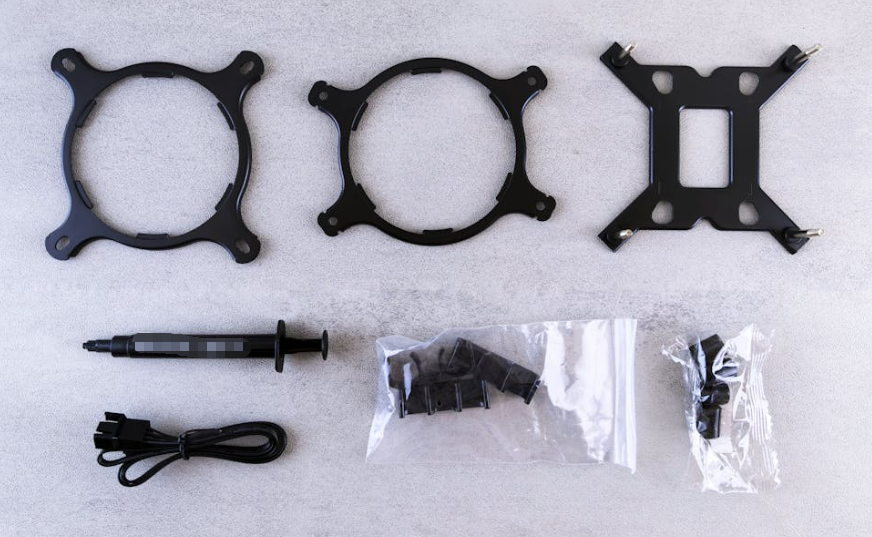
Ein Haltbarkeitsdatum kennzeichnet den Zeitraum, in dem der Hersteller garantiert, dass ein Produkt bei Lagerung unter angegebenen Bedingungen die veröffentlichten Anforderungen erfüllt. Nach Ablauf dieses Zeitraums kann das Kissen zwar noch normal aussehen und sich auch so anfühlen. Seine Einlage, sein Klebstoff, seine Dicke, sein Oberflächenzustand oder sein Kompressionsverhalten können jedoch möglicherweise nicht mehr garantiert werden.
Es gibt keine universelle Haltbarkeit für jedes Wärmeleitpad. Der genaue Zeitraum hängt vom Material, der Klebstoffkonstruktion, dem Trägermaterial, der Verpackung und dem Lieferanten ab. Einige veröffentlichte Produktbeispiele nennen sechs Monate. Andere geben 12 Monate, 24 Monate oder länger an.
Deshalb lautet die richtige Frage nicht einfach: “Wie viele Jahre halten Wärmeleitpads?”
Eine bessere Frage ist:
Wurde dieses exakte Wärmeleitpad korrekt gelagert und ist es für das Risikoniveau der geplanten Anwendung immer noch geeignet?
Diese Frage führt zu einer viel nützlicheren Antwort.
Was die Haltbarkeit von Wärmeleitpads wirklich bedeutet
Die Haltbarkeit von Wärmeleitpads ist die Zeit, in der unbenutztes Material unter definierten Bedingungen gelagert werden kann, während es innerhalb der Spezifikation des Lieferanten bleibt.
Das Wort “unbenutzt” ist wichtig. Die Haltbarkeit gilt normalerweise, bevor das Pad in eine Baugruppe eingebaut wird. Sobald es zwischen einer Komponente und einem Kühlkörper komprimiert wird, tritt es in eine andere Lebensphase ein.
Lagerfähigkeit ist nicht dasselbe wie Lebensdauer
Mehrere verwandte Begriffe werden oft miteinander vermischt:
| Begriff | Was es bedeutet | Wann es gilt |
| Haltbarkeit | Die vom Lieferanten unterstützte Lagerdauer für ungenutztes Material | Vor der Installation |
| Lebensdauer | Die Einsatzdauer eines Pads in einem Operationsgerät | Nach der Installation |
| Haltbarkeit nach dem Öffnen | Die Verwendungsdauer nach dem Öffnen der Originalverpackung | Bei der Handhabung im Lager oder in der Produktion |
| Arbeitsleben | Die Zeit, die zum Platzieren oder Verarbeiten eines Materials zur Verfügung steht | Relevanter für flüssige oder aushärtende TIMs |
| Garantiezeit | Der vom Lieferanten abgedeckte gewerbliche Zeitraum | Definiert durch Vertriebs- und Qualitätsdokumente |
Ein 18 Monate lang gelagertes Wärmeleitpad und ein 18 Monate lang in einem Wechselrichter verbautes Pad waren völlig unterschiedlichen Bedingungen ausgesetzt. Das gelagerte Pad war möglicherweise nur geringer Hitze, dafür aber einer höheren Belastung durch Luft, Staub und den Druck der Verpackung ausgesetzt. Das verbaute Pad hat möglicherweise Kompression, Vibrationen, elektrischen Stress und Tausende von thermischen Zyklen erfahren.
Diese beiden Zeitpläne sollten nicht als austauschbar behandelt werden.
Für eine umfassendere Erklärung von Pads, Fett, Wärmeleitpaste, Phasenwechselmaterialien und Füllmaterialien bietet HAKTAK Leitfaden für thermische Schnittstellenmaterialien liefert den materiellen Basiskontext.
Wann beginnt die Haltbarkeitsuhr zu ticken?
Die Haltbarkeit beginnt oft ab dem Herstellungsdatum, nicht ab dem Lieferdatum. Dieses kleine Detail kann ein überraschend großes Bestandsproblem verursachen.
Stellen Sie sich ein Produkt mit einer Haltbarkeit von 12 Monaten vor:
- Es bleibt für einen Monat beim Hersteller.
- Der internationale Versand und der Zoll dauern noch weitere zwei Monate.
- Ein Vertriebspartner hält es drei Monate lang.
- Der Kunde erhält es mit einer angegebenen Haltbarkeit von nur noch sechs Monaten.
Das erneute Starten der Uhr beim Wareneingang würde Zeit hinzufügen, die der Hersteller nie genehmigt hat.
Vor der Annahme von Material ist zu prüfen:
- Herstellungsdatum
- Verfallsdatum oder Nachprüfungsdatum
- Chargenbezeichnung
- Produktcode und Revision
- Konformitätsbescheinigung
- Erforderliche Lagerbedingungen
- Vom Einkauf vorgegebene Mindestresthaltbarkeit
Wenn auf den Unterlagen nur ein Versanddatum angegeben ist, fragen Sie den Lieferanten, was dieses Datum bedeutet. Rätselraten ist kein Qualitätssystem.
Wie lange sind Wärmeleitpads bei der Lagerung haltbar?
Es gibt keine pauschale Antwort für alle Wärmeleitpads. Ein häufig genannter Richtwert liegt bei etwa 12 Monaten, aber das ist nur eine grobe Marktbeobachtung. Es ist keine branchenweite Regel.
Die Formulierung bleibt möglicherweise physisch wesentlich länger stabil als ihre angegebene Haltbarkeit. Unterdessen kann ein druckempfindlicher Klebstoff oder Trennliner, der an demselben Kissen angebracht ist, schon viel früher schwer zu verarbeiten sein.
Zum Beispiel, Henkels BERGQUIST GAP PAD Leitfaden gibt an, dass die meisten GAP-PAD-Materialien nach der Herstellung eine Haltbarkeit von einem Jahr haben, während Versionen mit Klebstoff eine Haltbarkeit von sechs Monaten aufweisen. Henkel erklärt zudem, dass sich das kürzere Limit auf die Klebrigkeit und die Haftung auf dem Trägermaterial bezieht und nicht auf die Langzeitstabilität des eigentlichen Pads.
Das ist ein wichtiger Unterschied. Ein Wärmeleitpad ist nicht immer nur ein einziges Material. Es kann ein kleines Schichtsystem sein.
| Wärmeleitpad-Konstruktion | Möglicher Haltbarkeitsbegrenzer | Was zu überprüfen ist |
| Einfaches Silikon-Spaltfüllmaterial | Oberflächenbeschaffenheit, Schutzfolienabzug oder Verpackung | Dicke, Ebenheit und Kompression |
| Selbstklebendes Kissen | Haftklebstoff | Klebrigkeit, Schälfestigkeit und Klebstoffübertrag |
| Glasfaserverstärktes Kissen | Bindemittel, Bewehrungs- und Deckschichten | Delamination und Kantenbeschaffenheit |
| Graphitlaminat | Schutzfolie und Klebstoff | Knickspuren, Kantenbeschädigungen und elektrische Isolierung |
| Phasenwechsel-Wärmeleitpad | Beschichtungs- und Trägerstabilität | Oberflächengleichmäßigkeit und Phasenwechselverhalten |
| Kiss-Cut-Pad-Anordnung | Träger-, Matrix- und Teilefreigabe | Saubere Tonabnahme und Formbeständigkeit |
Das Produktdatenblatt, das Etikett auf der Verpackung und das Zertifikat für die genaue Charge sollten immer Vorrang vor einem allgemeinen Artikel oder einer Faustregel haben.
Warum Wärmeleitpads altern, während sie im Regal liegen
Ein Wärmeleitpad verbringt möglicherweise Monate damit, absolut nichts zu tun, und dennoch können Veränderungen auftreten. Materialien interagieren weiterhin mit Hitze, Sauerstoff, Feuchtigkeit, Trägermaterialien und Verpackungen, selbst wenn kein Strom fließt.
Es ist ein bisschen wie ein Reserverad. Es hat keinen einzigen Kilometer zurückgelegt, aber Zeit und Lagerungsbedingungen spielen trotzdem eine Rolle.
Der Pad-Körper ist möglicherweise nicht das erste Bauteil, das versagt
Ein typisches thermisches Wärmeleitpad kann enthalten:
- Eine Silikon-, Acryl- oder andere Polymermatrix
- Aluminiumoxid, Bornnitrid oder ein anderer leitfähiger Füllstoff
- Glasfaser- oder Folienverstärkung
- Einseitig oder zweiseitig klebend
- Ein Haftklebstoff
- PET-, Papier- oder Polymer-Trennlagen
- Ein Schutzbeutel und Karton
Das Hauptelastomer kann weich und thermisch funktionsfähig bleiben. Gleichzeitig kann sich der Liner nur schwer ablösen lassen oder der Klebstoff kann auf die falsche Oberfläche übertragen werden.
Aus diesem Grund kann das Aussehen allein die Nutzbarkeit nicht bestätigen.
Trägerschichten und Klebstoffe können sich verändern
Ein Trennpapier hat einen unauffälligen Job. Es schützt das Pad und löst sich dann im richtigen Moment sauber ab. Wenn es schlecht altert, wird die Produktion schnell mühsam.
Mögliche Symptome sind:
- Das Abheben des Pads mit dem falschen Liner
- Ecken dehnen sich beim Abziehen der Trägerfolie aus
- Rückstände von Klebstoff auf dem Trägermaterial
- Unemäßige Oberflächenklebrigkeit
- Teile kleben zusammen
- Stanzteile haften nicht auf dem Trägermaterial
- Auskleidungsfolie reißt oder absorbiert Feuchtigkeit
Diese Probleme verändern möglicherweise nicht den anfänglichen W/mK-Wert. Sie können dennoch Platzierungsfehler, eingeschlossene Luft, Verunreinigungen und eine geringere Montageausbeute verursachen.
Hitze beschleunigt die Materialalterung
Die Lagerung in der Nähe eines Ofens, Heizgeräts, sonnenbeschienenen Fensters oder eines heißen Lagerdachs kann chemische und physikalische Veränderungen beschleunigen.
Hohe Temperaturen können beeinträchtigen:
- Klebepunkt
- Auskleidung freigeben
- Polymerhärte
- Erdölmigration
- Oberflächenblockierung
- Maßhaltigkeit
- Verpackungsfolien
Eine kurze Temperaturabweichung ruft nicht automatisch das Ende eines Lots hervor. Dennoch erzeugen undokumentierte Abweichungen Unsicherheit. Qualitätsteams müssen dann entscheiden, ob sie das Lot testen, die Freigabe des Lieferanten einholen oder es verschrotten.
Feuchtigkeit kann mehr als nur das Kissen beeinträchtigen
Viele Silikonelastomere vertragen feuchte Bedingungen recht gut. Der vollständige Produktaufbau tut dies möglicherweise nicht.
Feuchtigkeit kann Folgendes beeinflussen:
- Papiereinlagen
- Klebeschichten
- Gedruckte Identifikation
- Kartons und Schutzverpackungen
- Verstärkungsschichten
- Oberflächensauberkeit
- Elektrische Isolierung nach Verschmutzung
Kondensation ist ein größeres Problem. Wenn kaltes Material in einen warmen, feuchten Produktionsbereich gebracht wird, kann sich Feuchtigkeit auf dem Pad oder der Auskleidung bilden. Die Verpackung sollte normalerweise Raumtemperatur erreichen, bevor sie geöffnet wird, gemäß den Anweisungen des Lieferanten.
Licht, Sauerstoff und Ozon spielen ebenfalls eine Rolle
Direkte Sonneneinstrahlung kann das Paket erhitzen und Polymere Ultraviolettstrahlung aussetzen. Ozon kann bestimmte Elastomere angreifen. Es kann in der Umgebung bestimmter elektrischer Geräte, Motoren und Hochspannungsanlagen entstehen.
Wärmeleitpads sollten daher ferngehalten werden von:
- Direktes Sonnenlicht
- UV-Lampen
- Öffnen Sie Fenster mit starker Sonneneinstrahlung
- Ozonerzeugende Geräte
- Reaktive Chemikalien
- Lösungsmitteldampf
- Nicht zugelassene Reinigungsmittel
Langzeitdruck kann weiche Polster verformen
Weiche Wärmeleitpads sollten nicht unter schweren Kartons, Werkzeugen oder Metallteilen gelagert werden. Langfristige Belastung kann die Dicke verändern oder Randdeformationen verursachen.
Stellen Sie sich ein weiches Polster wie einen Laib Sliced Bread am Boden einer Einkaufstasche vor. Am Ende des Ausflugs ist es vielleicht immer noch Brot, aber die Form entspricht nicht mehr ganz dem, was gekauft wurde.
Mögliche Auswirkungen sind:
- Permanente Dickenreduzierung
- Unebene Oberflächen
- Kantenextrusion
- Bettlaken kleben zusammen
- Lokale Dellen
- Roll telescoping
- Difficulty separating die-cut parts
This matters because the final thermal result depends on compressed thickness and contact pressure, not only bulk conductivity. The relationship is explained in more detail in HAKTAK’s guide to Wärmeleitpad-Verdichtungsverhältnis.
How to Store Thermal Pads Correctly
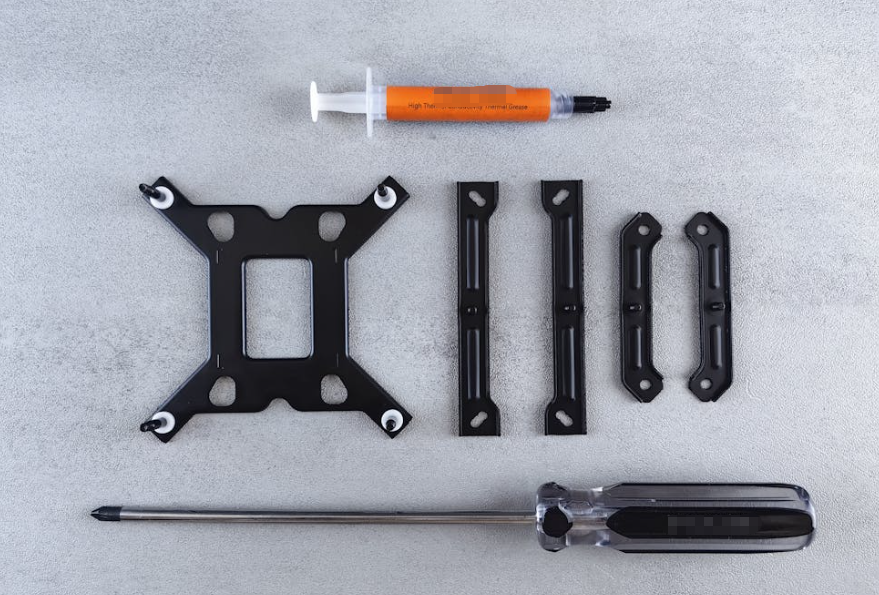
The safest storage instructions are the ones provided for the exact product. If the supplier specifies a temperature range, humidity limit, package orientation or maximum stacking load, follow those values.
Where no special instruction is provided, the following controls form a practical baseline.
Keep Thermal Pads in Their Original Packaging
Original packaging protects the material from dust, moisture, light, handling damage and accidental mixing.
Do not remove the release liners until assembly. The liner is not just packing waste. It is part of the product’s handling system.
If material must be repacked:
- Use a clean bag or container compatible with the pad.
- Keep the original product and lot labels.
- Prevent the pad surface from contacting dirty cardboard.
- Avoid folding or bending sheets.
- Reseal the package promptly.
- Record the date the original package was opened.
Store Sheets Flat and Without Extra Weight
Flat sheets should remain supported across their full area. Do not let them hang over a shelf edge or sit under heavy inventory.
Roll material may require a core, horizontal support or a defined winding orientation. Follow the supplier’s instructions because soft laminates can telescope or take a set when stored incorrectly.
Kiss-cut sheets need extra care. Their thin connecting matrix and release liner control how parts feed into manual or automated assembly. A bent carrier sheet can turn an easy pickup operation into a frustrating little battle.
Custom shapes also need packaging designed around their geometry. Thin tabs, narrow bridges and holes near an edge can deform during shipping or storage. HAKTAK’s article on thermal pad die-cutting for custom shapes explains how liner choice, geometry and delivery format affect production handling.
Use a Stable, Cool and Dry Storage Area
Avoid large temperature swings. Stability is often as important as the room’s average temperature.
A controlled storage area should be:
- Sauber
- Dry
- Protected from sunlight
- Away from heaters and exterior hot walls
- Free from chemical vapor
- Monitored where the application requires traceability
- Organized so older lots can be used first
Do not invent a universal storage temperature such as “always below 25°C” unless the supplier specifies it. Different products carry different limits.
Protect the Surface from Contamination
Thermal performance depends on intimate surface contact. Dust, hair, fibers, oil and fingerprints can interfere with that contact.
Operators should handle pads by the liner or edges where possible. Gloves or clean handling tools may be appropriate for optical, automotive, medical or high-reliability assemblies.
Avoid writing directly on a pad or placing loose labels against its functional surface.
Label Opened Packages
Every opened package should show:
- Product name and code
- Lot number
- Original expiration date
- Date opened
- Remaining quantity
- Operator or department
- Storage location
- Any approved extension or deviation number
A handwritten note is better than no record, but a scannable inventory system is more reliable at production scale.
Thermal Pad Storage Requirements by Material Type
Different pad families do not age in exactly the same way. The material name alone still does not define the shelf life, but it helps identify likely risks.
Silicone Thermal Pad Storage
Silicone thermal pads are widely used because they are soft, stable over a broad temperature range and available with useful dielectric properties.
Storage concerns commonly include:
- Dust attracted by a tacky surface
- Liner release changes
- Oil or low-molecular-weight siloxane migration
- Deformation under load
- Damage to very soft grades
- Mixing pads with different hardness or thickness
A properly packaged silicone thermal pad should remain flat, identified and protected until placement. For silicone-sensitive optical contacts, relays or coatings, contamination requirements may be stricter than ordinary warehouse controls.
Silicone-Free Thermal Pads
Silicone-free does not mean aging-free.
These pads may use acrylic, urethane or another polymer system. Their storage risks can include adhesive aging, moisture interaction, surface tack changes and mechanical deformation.
Silicone-free materials are often selected to reduce siloxane migration or contamination. That benefit can be lost if they are stored beside unsealed silicone products or handled with shared contaminated tools.
Fluorosilicone Thermal Pads
Fluorosilicone pads may be chosen for better resistance to oils, fuels or aggressive fluids during service. They are useful in automotive, industrial and sealed-module environments.
That chemical resistance does not remove the need for controlled storage. Liners, adhesives and packaging may still have their own limits. The actual exposure fluid and storage conditions should be considered when choosing a fluorosilicone thermal pad.
Graphite Thermal Pads and Heat Spreaders
Graphite materials behave differently from soft silicone gap pads. They are often thin and designed to spread heat laterally.
Storage risks include:
- Creases
- Tears
- Edge flaking
- Punctures
- Delamination
- Protective-film damage
- Adhesive deterioration
- Loss of electrical insulation at a damaged edge
Graphite may also be electrically conductive. A visually small tear in a laminate can create an electrical risk near exposed circuitry. Store a graphite thermal pad flat and protect thin edges from handling damage.
Phase-Change Thermal Pads
Phase-change materials soften or flow at a defined operating temperature to improve surface contact. Before installation, many are dry or solid enough for clean handling.
High storage temperatures may affect the coating, carrier or release liner. A phase-change pad should not be left in a hot vehicle, next to a curing oven or in direct sunlight.
An intact room-temperature appearance does not prove that its phase-change behavior remains unchanged. Suspect lots may require thermal cycling and impedance evaluation.
Selbstklebende Wärmeleitpads
With adhesive-backed products, the adhesive can set the practical shelf-life limit.
Checks should include:
- Liner removal force
- Adhesive transfer
- Initial tack
- Peel strength
- Edge lifting
- Residue after rework
- Bonding after heat and humidity exposure
Do not add a generic adhesive to a plain thermal pad without testing. The new layer changes thickness, contact resistance, dielectric behavior and long-term reliability.
How to Store Opened Packages and Cut Parts
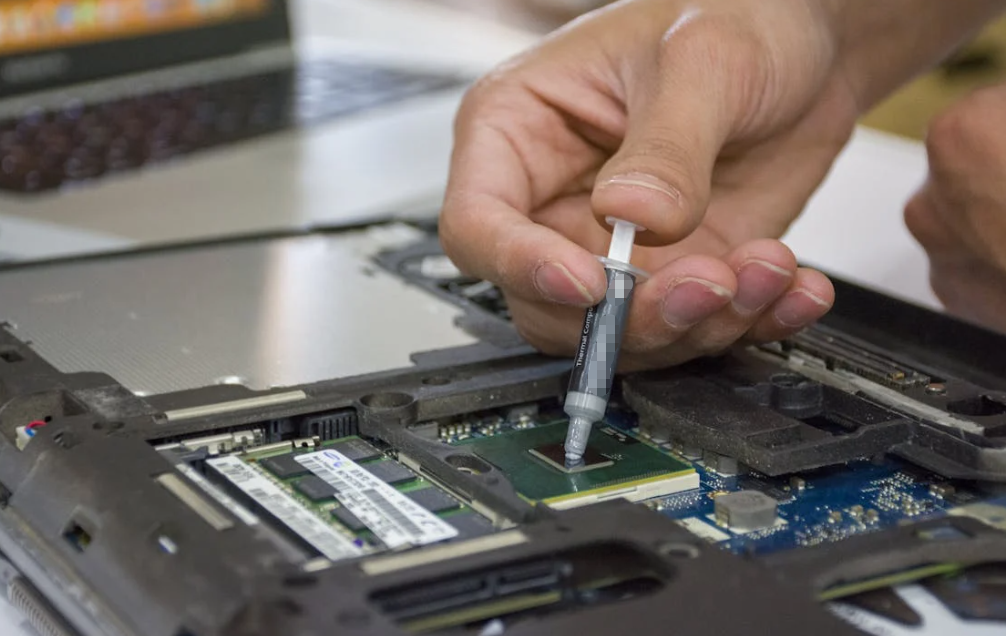
An opened package is not automatically damaged. It has simply lost part of its controlled barrier.
Unused material should be returned to storage quickly. Leaving a sheet uncovered on a workbench overnight creates unnecessary exposure to dust, fibers, cleaning chemicals and accidental pressure.
A Practical Resealing Process
- Confirm the product and lot number.
- Check that both protective liners remain in place.
- Inspect the package and pad for contamination.
- Place unused material back into a clean protective bag.
- Avoid tight vacuum pressure unless the supplier approves it.
- Reseal the package.
- Add the opened date and remaining quantity.
- Return it to the correct storage location.
Cut scraps can be kept only when their identity is preserved. A small blue rectangle without a label could be 1.0 mm, 1.5 mm, 3 W/mK or 8 W/mK. Human memory is not a dependable measurement tool.
Should Thermal Pads Be Refrigerated?
Usually, not unless the manufacturer says so.
Refrigeration can introduce condensation, temperature cycling and handling delays. It may also cause liners or adhesives to behave differently until the package returns to room temperature.
If refrigerated storage is specified, keep the package sealed while it warms to the required opening temperature. This reduces moisture condensation on the material.
Can Expired Thermal Pads Still Be Used?
Possibly, but expiration should trigger a controlled decision rather than an automatic yes or no.
An expired pad might still pass all required tests. Another pad stored badly for only three months might already be unusable. Time matters, but storage history matters too.
Match the Decision to Application Risk
| Anwendung | Reasonable Approach | Main Concern |
| Early engineering prototype | Inspect and use for limited evaluation if appropriate | Results may not represent production material |
| Consumer repair | Replacement is often simpler | Storage history and prior compression are unknown |
| Industrielle Steuerungsanlagen | Supplier review and defined requalification | Long operating life |
| AI server or GPU assembly | Verify thermal and handling performance | High heat flux and costly downtime |
| Automotive or EV electronics | Use formal deviation or approved recertification | Traceability, vibration and long service life |
| Medical or aerospace electronics | Replace unless an approved process permits extension | High consequence of failure |
The current ASTM D5470 test method measures steady-state thermal impedance and can be used to calculate apparent thermal conductivity under defined conditions. It is useful for comparing material performance, but it is not a thermal pad shelf-life standard. Passing one thermal test does not automatically reapprove every other property.
Standards and Documents for Thermal Pad Storage
No single standard provides a universal expiration date for all thermal pads.
The order of authority should normally be:
- Product-specific datasheet
- Package label
- Konformitätsbescheinigung
- Supplier storage specification
- Approved drawing or material specification
- Internal quality procedure
- Relevant general standards
ISO 2230 for General Rubber-Product Storage
ISO 2230:2026 provides guidance for inspecting, recording, packaging and storing vulcanized or thermoplastic rubber products before use.
It is relevant to many elastomer-based products, and its emphasis on controlled packaging and identification fits thermal pad inventory management well. Still, it does not replace a thermal pad manufacturer’s product-specific instructions.
A silicone gap pad with an adhesive and PET liner is not simply a generic piece of rubber. The complete construction must be considered.
Customer and Industry Requirements May Be Stricter
Automotive, medical, aerospace and other controlled industries may require:
- Approved suppliers
- Lot traceability
- Minimum remaining shelf life at receipt
- Environmental storage records
- Change notifications
- Quarantine procedures
- Deviation approval
- Retention samples
- Requalification after expiry
A material can be physically usable and still be unacceptable under the project’s quality rules. Both conditions matter.
Thermal Pad Storage by Industry and Application
Automotive Electronics and EV Batteries
Automotive pads may operate near inverters, onboard chargers, BMS boards, cameras, sensors and battery modules.
Storage controls should support long service life and traceability. An informal shelf-life extension is a weak fit for a part expected to survive years of vibration, humidity and thermal cycling.
AI Servers and High-Power GPUs
Server and accelerator assemblies place pads around GPUs, memory, power stages, network processors and chassis heat spreaders.
A slightly deformed pad can create uneven contact across multiple components. The result may be a local hot spot that only appears under sustained workload. Old inventory should therefore be checked for thickness, liner handling and assembled thermal performance.
Industrial Power Electronics
Converters, drives, power supplies and IGBT assemblies may remain in service for many years. Electrical isolation and compression behavior can be as important as thermal conductivity.
Medical and Aerospace Electronics
These industries place greater weight on controlled materials and documented decisions. Unknown storage history is normally a strong reason to reject a lot.
LED Modules
LED boards often use thin pads or insulating interface sheets. Liner damage, contamination and thickness variation can affect both assembly flatness and junction temperature.
Repair and Maintenance
A replacement pad kept loose in a toolbox has an uncertain history. Dust, oil and mechanical damage are common. For low-cost repairs, using a new correctly specified pad is usually more sensible than testing an unknown one.
Common Thermal Pad Storage Mistakes
Assuming Every Thermal Pad Lasts 12 Months
Twelve months appears often in product literature, but it is not a universal standard. Check the exact product.
Starting Shelf Life from the Delivery Date
The supplier may define shelf life from manufacture. Confirm the start point before calculating remaining life.
Removing Liners in Advance
This exposes the functional surface and makes soft pads harder to handle. Remove liners only when the assembly process requires it.
Stacking Heavy Material on Soft Sheets
Long-term pressure can change thickness and flatness. Give pads a supported shelf location.
Mixing Different Lots
Mixed lots make traceability and expiration control difficult. Even visually identical pads may come from different material revisions.
Leaving Opened Bags Unsealed
Dust and humidity exposure are easy to prevent and annoying to investigate later. Reseal the package.
Using Appearance as the Only Acceptance Test
A clean-looking pad may still have changed compression, adhesive or dielectric behavior.
Reusing a Removed Thermal Pad
A removed pad may be permanently compressed, torn or contaminated. It may also return to a different thickness unevenly. Reuse should not be the default for production or reliability-critical equipment.
A Simple FEFO System for Thermal Pad Inventory
FIFO means first in, first out. FEFO means first expired, first out.
FEFO is usually more useful for thermal interface materials because two lots received on the same day may have different manufacture and expiration dates.
A practical system should include:
- Lot-level identification
- Expiration-date alerts
- Minimum remaining shelf life at receiving
- Open-package labels
- Defined storage locations
- Temperature or humidity records where required
- A quarantine area for questionable lots
- Authorized personnel for shelf-life extensions
- Regular inventory review
- Clear disposal records
When production begins, operators should verify the product, thickness and lot instead of selecting a pad by color. Color is not a controlled specification unless the supplier explicitly makes it one.
When Replacement Is Better Than Retesting
Testing is useful, but it is not always economical.
Replacement is usually the cleaner decision when:
- The product code is unknown.
- The lot number is missing.
- Storage history is unavailable.
- The pad was removed from an old assembly.
- The surface is contaminated.
- The liner or packaging is badly damaged.
- The sheet has permanent dents or wrinkles.
- The quantity is small and replacement cost is low.
- The application is safety-critical.
- The supplier does not allow shelf-life extension.
- The full requalification cost exceeds the material value.
The expensive part is rarely the pad itself. It is the labor, delayed production, investigation and field risk around it.
Fazit
Thermal pads do expire, but no universal expiration period applies to every product. Shelf life depends on the pad body, adhesive, reinforcement, release liner, packaging and manufacturer specification.
The expiration date is also not a switch that turns thermal conductivity off. It is the boundary of the supplier’s guaranteed storage period. After that point, the material needs a documented decision.
Good storage keeps pads sealed, flat, clean, identified and free from uncontrolled heat, light, moisture and pressure. Good inventory management tracks manufacture dates, opened packages and remaining shelf life. When a lot becomes questionable, application risk should determine whether it is inspected, requalified, returned or replaced.
So, yes, the humble thermal pad deserves a proper shelf. It is cheaper than finding out later that a small piece of material has stopped an entire production line.
Häufig gestellte Fragen
Do thermal pads expire?
Yes. Thermal pads normally have a manufacturer-defined shelf life. The exact period depends on the formulation, adhesive, liner, packaging and storage conditions. Expiration means the supplier no longer guarantees the original specification without further review.
How long can unused thermal pads be stored?
Many products list periods around 12 months, but shorter and longer periods also exist. Use the datasheet, package label or certificate for the exact product and lot. Do not apply one manufacturer’s shelf life to another product.
Does thermal pad shelf life start from manufacture or delivery?
It often starts from the date of manufacture, although some suppliers may define it differently. Confirm the starting date in the product documentation instead of assuming it begins at delivery.
Should thermal pads be refrigerated?
Not unless the supplier requires refrigerated storage. Unnecessary refrigeration can introduce condensation and temperature-cycling problems. When refrigeration is specified, let the sealed package reach the required opening temperature before use.
How should thermal pads be stored after opening?
Keep both liners in place, return the material to a clean protective bag, reseal it and label the package with the opened date. Store it flat under the same controlled conditions required for unopened material.
Can expired thermal pads still transfer heat?
Possibly. Expiration does not mean heat transfer stops immediately. However, thermal impedance, compression, adhesion, dielectric performance and handling may no longer be guaranteed. The lot may require inspection or requalification.
Can expired thermal pads be recertified?
Some products and suppliers allow recertification or a controlled shelf-life extension. Others do not. Contact the supplier with the product number, lot, expiration date and storage history before extending the material internally.
Why do thermal pads stick to the release liner after storage?
Liner release and adhesive behavior can change with time, heat, humidity and pressure. The pad may lift with the wrong liner, stretch during removal or leave adhesive residue. This is a common reason adhesive-backed pads have shorter shelf-life limits.
Can a removed thermal pad be stored and reused?
Reuse is risky because the pad may be compressed, torn, contaminated or permanently deformed. A removed pad should generally be replaced in production, high-power or reliability-critical equipment.
Do graphite and silicone thermal pads have the same shelf life?
Not necessarily. Silicone pads, graphite laminates, adhesives and protective films age differently. Each product needs its own storage specification and expiration period.