
Materialien, die auf die Anwendung zugeschnitten sind
Elektronische Materialien für die Funktionsweise Ihres Systems
Beginnen Sie mit dem Gerät, der Wärmequelle, dem Spalt, dem Substrat und dem Montageprozess – keinem Chemienamen. Erkunden Sie Wärmemanagementmaterialien und elektronische Klebstoffe für neun anspruchsvolle Elektronikmärkte.
MontageEin Materialbriefing
Wählen Sie Ihren Startpunkt
Drei Wege, wie Ingenieure zum richtigen Material gelangen
Sie benötigen keine fertige Spezifikation. Beginnen Sie mit den Informationen, die Ihnen bereits vorliegen, und verfeinern Sie die Anforderungen mit unserem Materialteam.
Ich kenne die Anwendung.
Beginnen Sie mit der Betriebsumgebung und der Komponentenarchitektur.
- Wärmequelle und Kühlpfad
- Elektrischer Isolationsbedarf
- Schock-, Vibrations- und Witterungseinflüsse
Ich weiß, was sich verbessern muss.
Übersetzung eines Ausfallmodus oder einer Fertigungsbeschränkung in Materialanforderungen.
- Grenzflächenwiderstand reduzieren
- Eine Variable einfügen
- Eine Baugruppe verkleben, abdichten oder schützen
Ich weiß, wie es gebaut sein muss.
Ordnen Sie die Materialform der Dosierung, Platzierung, Aushärtung und Taktzeit zu.
- Vorgeschnittenes Pad oder Flüssigspender
- Einteiliges oder zweiteiliges System
- UV-, hitze- oder feuchtigkeitsvernetzbar
Anwendungsmärkte
Materialien nach System finden, nicht nach Abkürzung
Jedes Anwendungszentrum verbindet Optionen für Thermik, Kleben, Dichten und Schutz mit den relevanten Komponenten und Produktionsbedingungen.
EV-Batterien & Energiespeicher
Spalte zwischen Zellen und Kühlplatte, Packvibration, elektrische Isolation, Flammverhalten und automatisierte Dosierung regeln.
Erkunden Sie Elektrofahrzeuge und Batteriematerialien →Leistungselektronik
Regeln Sie den Wärmewiderstand von Sperrschicht zu Kühlkörper bei IGBT-, MOSFET-, Wechselrichter-, Umrichter- und Hochspannungs-Leistungsbaugruppen.
Leistungselektronik erkunden →Rechenzentren & KI-Server
Baue niederohmige Schnittstellen für GPU-, HBM-, CPU-, VRM- und Netzwerk-Hardware unter hohem Wärmefluss.
KI-Server-Kühlung erkunden →Telekommunikations- und 5G-Ausrüstung
Unterstützen Sie Outdoor-Funkgeräte, AAUs, RRUs und Leistungsverstärker durch Temperaturwechselbeständigkeit, Witterungsbeständigkeit und eine lange Lebensdauer.
Telekommunikation & 5G entdecken →Halbleiter- und Elektronikmontage
Schützen Sie Bauteile mit feinen Rastermaßen und Präzisionsbaugruppen durch Unterfüllung, Beschichtung, Verklebung und spannungsarme Verkapselung.
Erkunden Sie die Halbleitermontage →Elektronik im Kraftfahrzeug
Ingenieur für ADAS, Steuergeräte (ECU), Infotainment und Leistungsmodule, die Temperaturwechseln, Vibrationen und langen Qualifizierungszyklen ausgesetzt sind.
Automotive Elektronik erforschen →LED-Beleuchtung
Leite Wärme von LED-Platinen und Treibern ab und gewährleiste dabei Durchschlagsfestigkeit, optische Stabilität und Zuverlässigkeit im Außenbereich.
Entdecken Sie LED-Beleuchtung →Industrieelektronik
Verbessern Sie die Haltbarkeit von Motorantrieben, SPS, Netzteilen, Sensoren und Steuerungen in rauen Betriebsumgebungen.
Industriesysteme erkunden →Unterhaltungselektronik
Ausgewogene dünne Klebstoffraupen, geringes Auspumpen (Low Pump-Out), Nacharbeitbarkeit, Haptik und skalierbare Platzierung in kompakten High-Volume-Geräten.
Entdecken Sie Unterhaltungselektronik →Ingenieurtechnische Herausforderungen
Was muss das Material in Ihrer Baugruppe tun?
Die Auswahl der Anwendung ist eine Systementscheidung. Die Wärmeleitfähigkeit spielt eine Rolle, aber ebenso die Fugen- oder Schichtdicke, der Kontaktdruck, die Aushärtungsbedingungen, die dielektrische Leistung, der Modul und die Langzeitstabilität.
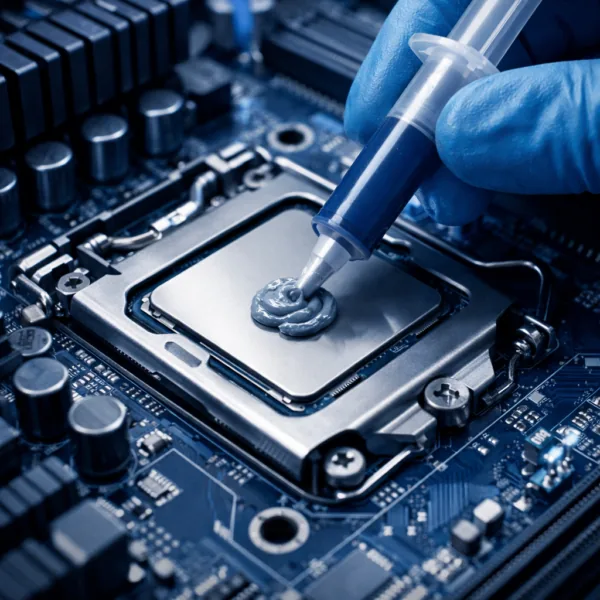
Wärme über eine Grenzfläche übertragen
Minimierung des Gesamtwiderstands der Grenzfläche zwischen einer Wärmequelle und einem Hitzeverteiler, Kühlkörper oder einer Kühlplatte.
Füllen Sie eine Variable oder eine komplexe Lücke
Toleranzketten, Nichtplanarität und empfindliche Bauteile ohne übermäßige Montagespannungen ausgleichen.
Leiten und verbinden Sie Wärme
Ersetzen Sie mechanische Befestigungen oder reduzieren Sie Bauteile bei gleichzeitiger Beibehaltung eines definierten thermischen Pfades und der strukturellen Integrität.
Versiegeln, einkapseln oder schützen
Kontrollieren Sie Feuchtigkeit, Staub, Chemikalien, Vibrationen und elektrische Einflüsse in der Umgebung empfindlicher Elektronik.
Den Herstellungsprozess anpassen
Viskosität, Dosierung, Platzierung, Offenzeit und Aushärtungsprofil mit Ausrüstung und Produktionstakt abstimmen.
Überlebe das Zuverlässigkeitsprofil
Berücksichtigen Sie Temperaturwechsel, Alterung, Auspumpen, Ausgasen, Flammenleistung und Feldeinsatzbedingungen.
Materialform-Matrix
Vergleiche die gängigsten Lösungswege
Nutzen Sie dies als engere Startauswahl. Die endgültige Auswahl hängt von der Schnittstellengeometrie, den Betriebsbedingungen und den Validierungszielen ab.
| Materialfamilie | Bester Ausgangspunkt, wenn… | Prozesspassung | Überwachungsvariablen | Erkunden |
|---|---|---|---|---|
| Wärmeleitpads | Sie benötigen eine kontrollierte Dicke, eine saubere Platzierung und Spanausgleich. | vorgeschnittenManuell / Pick-and-Place | Kompression, Härte, Dicke, Kontaktdruck | Pad-Lösungen |
| Flüssige Spaltfüllstoffe | Der Spalt ist variabel, komplex oder für eine hohe Montagekraft ungeeignet. | EntbehrlichAutomatisierungsreif | Viskosität, Aushärtung, Standfestigkeit (oder Setzverhalten), Dosierbahn | Füllwörter |
| Wärmeleitpaste | Die Grenzfläche ist dünn und ein geringer Wärmewiderstand hat Priorität. | Bildschirm / ausgebenKeine Heilung | Abpumpen, Entlüften, Klebstofffugen-Kontrolle, Wartung | Fettoptionen |
| Phasenwechsel-TIM | Sie wollen sauberes, trockenes Handling mit Durchfeuchtung unter Betriebshitze. | Film / BlockStanzteil | Aktivierungstemperatur, Druck, Zyklenbetrieb | Phasenwechsel-TIM |
| Wärmeleitkleber | Der thermische Pfad muss zudem eine Fixierung oder strukturelle Verklebung ermöglichen. | 1K / 2KVerteilen | Bindefestigkeit, Modul, Aushärtung, Nacharbeit | Leitfähige Klebstoffe |
| Elektronik-Klebstoffe | Der Hauptbedarf liegt im Kleben, Dichten, Underfill oder Oberflächenschutz. | UV / Hitze / Feuchtigkeit | Substratadhäsion, Chemie, Aushärtungsschatten, WAK | Elektronik-Klebstoffe |
Auswahlprioritäten nach Markt
Dieselbe Eigenschaft kann in jedem System etwas anderes bedeuten
Nutzen Sie diese Profile, um das erste technische Gespräch zu strukturieren. Sie verdeutlichen den operativen Kontext hinter der Materialauswahl, nicht eine allgemeine Spezifikation.

EV-Batterien und stationäre Energiespeicher
Große Schnittstellen, Modultoleranzen und eine lange Lebensdauer machen mechanische Nachgiebigkeit und Dosierkonsistenz zu zentralen Anforderungen. Ein Material muss möglicherweise Wärme zwischen Zellen oder Modulen und einer Kühlplatte übertragen und gleichzeitig elektrische Isolation, Vibrationsbeständigkeit und automatisierte Montage unterstützen. Der tatsächliche Auslegungsbereich – nicht nur der Nennspalt – sollte die erste engere Auswahl bestimmen.
- Karte zuerst
- Zell- bzw. Modulgeometrie, Kühlplatten-Ebenheit und Spaltverteilung
- Validieren
- Temperaturwechsel, Vibration, dielektrisches Verhalten und Flammenziele

Leistungselektronik
IGBTs, MOSFETs, Stromrichter und Wechselrichtermodule können hohe Wärmestromdichten mit Hochspannung und zyklischen Lastwechseln verbinden. Die Kontaktschicht muss unter dem tatsächlichen Anpressdruck und den gegebenen Oberflächenbedingungen funktionieren. Elektrische Isolierung, Dickentoleranz und Stabilität bei Temperaturwechseln können einen geringen Unterschied in der nominellen Leitfähigkeit aufwiegen.
- Karte zuerst
- Weg vom Sperrschicht zum Gehäuse und weiter zum Kühlkörper sowie Befestigungsmethode
- Validieren
- Wärmewiderstand, Dielektrizitätsfestigkeit und Leistungswechselbeständigkeit

Rechenzentren und KI-Server
Beschleuniger platzieren dichte Wärmequellen in der Nähe von HBM, VRMs und Hochgeschwindigkeits-Netzwerkkomponenten. Schnittstellen sind möglicherweise dünn, aber mechanisch empfindlich, mit engen Toleranzen für den Anpressdruck und hohen Erwartungen an die Wartbarkeit. Ein nützlicher Vergleich bildet die tatsächliche Kühlplatten-Ebenheit, das Verschraubungsmuster, die vertikale Ausrichtung und den Temperaturwechsel nach, anstatt ein Material isoliert zu testen.
- Karte zuerst
- GPU-/HBM-Höhenvariation, Kühlplatte und Druckverteilung
- Validieren
- Pump-out, contact resistance, aging and rework

Telekommunikations- und 5G-Ausstattung
Outdoor AAUs, RRUs and power amplifiers operate continuously through weather, solar load and wide temperature swings. Enclosure gaps can be irregular, and maintenance intervals may be long. Material selection should pair thermal performance with sealing strategy, compression retention, corrosion awareness and resistance to repeated hot-cold exposure.
- Karte zuerst
- Radio, amplifier and enclosure conduction paths
- Validieren
- Outdoor aging, thermal cycling and compression set

Halbleiter- und Elektronikmontage
Fine-pitch packages and compact assemblies often need underfill, corner bonding, coating or encapsulation rather than only a conventional TIM. Flow behavior, substrate wetting, cure shadow, ionic cleanliness and stress after cure all affect reliability. The dispense path and cure profile should be treated as part of the material specification.
- Karte zuerst
- Package geometry, keep-out zones and substrate surfaces
- Validieren
- Flow, cure, adhesion, CTE stress and contamination
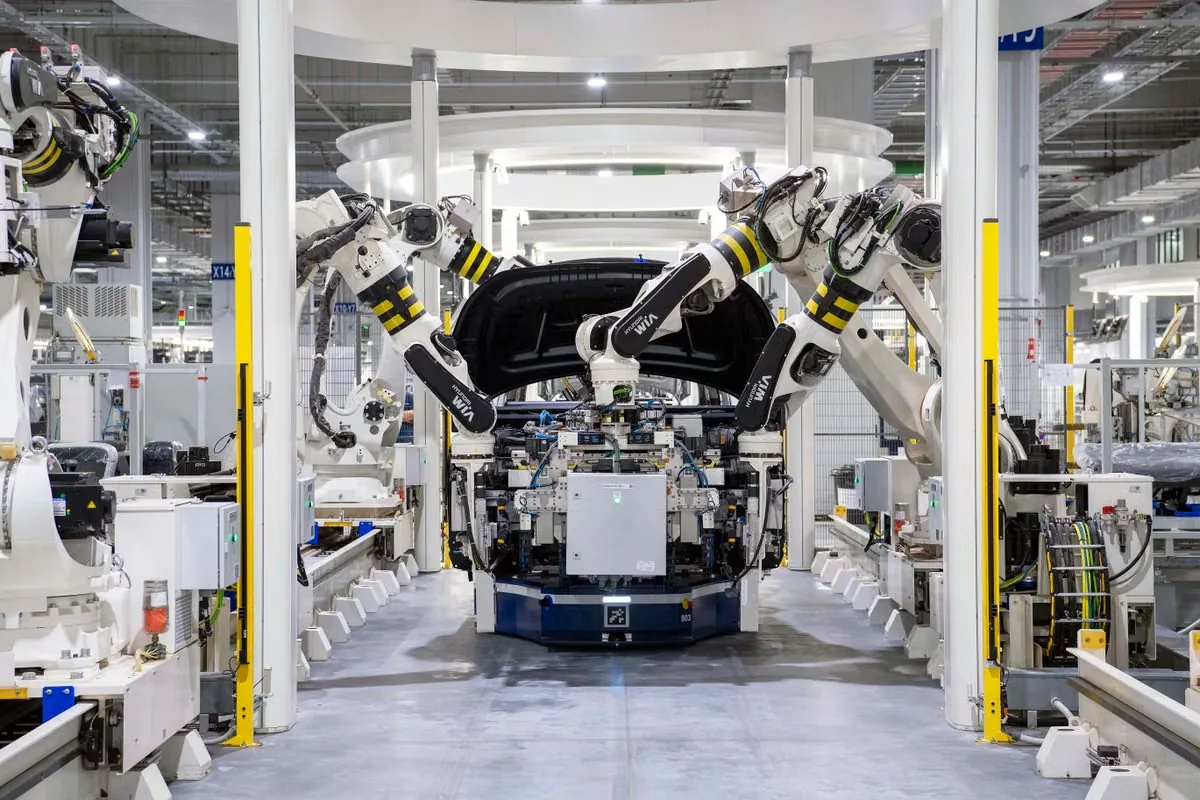
Elektronik im Kraftfahrzeug
ADAS, ECU, infotainment and power modules combine compact packaging with vibration, temperature cycling and long qualification horizons. Production traceability and process repeatability matter as much as an initial thermal result. Material changes should be assessed against the whole reliability plan and the specific substrate and surface-treatment combination.
- Karte zuerst
- Module location, interfaces, mounting and exposure
- Validieren
- Automotive cycling, vibration, humidity and process controls
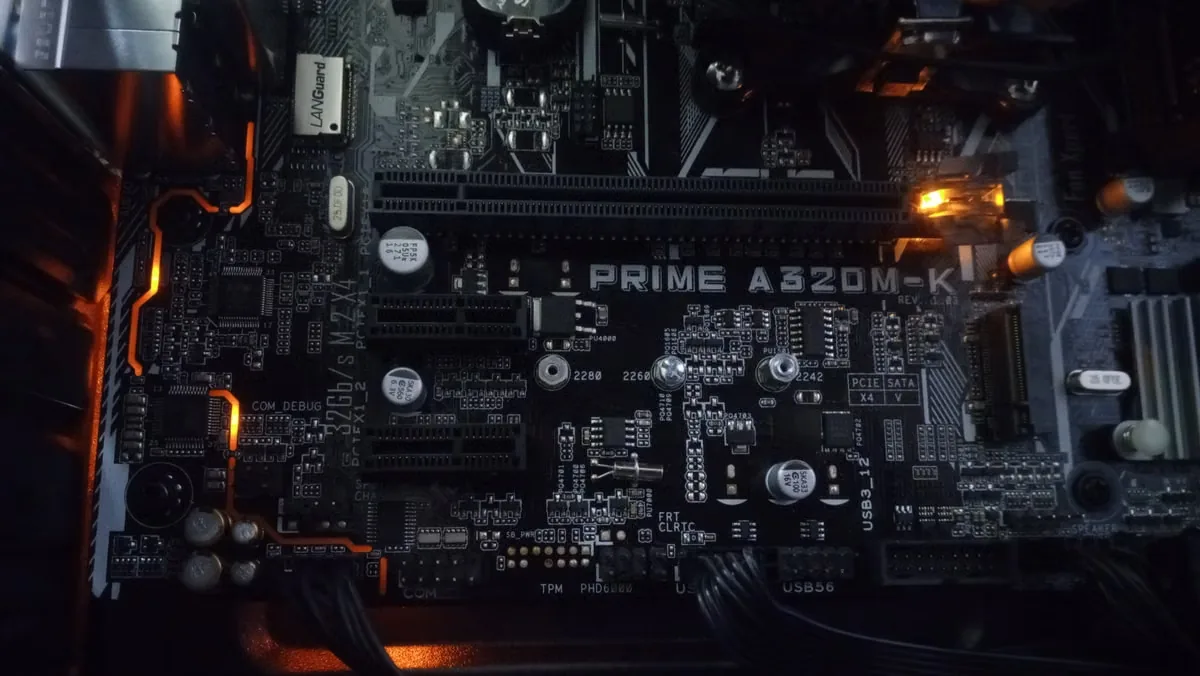
LED-Beleuchtung
LED boards, drivers and housings need stable heat transfer to protect lumen output and lifetime. Thin interfaces can benefit from grease, pads or adhesive systems depending on assembly method and service needs. Outdoor products add moisture, UV and temperature exposure; optical areas may also make contamination and volatile control important.
- Karte zuerst
- LED board-to-housing path and driver hot spots
- Validieren
- Thermal aging, dielectric performance and outdoor exposure
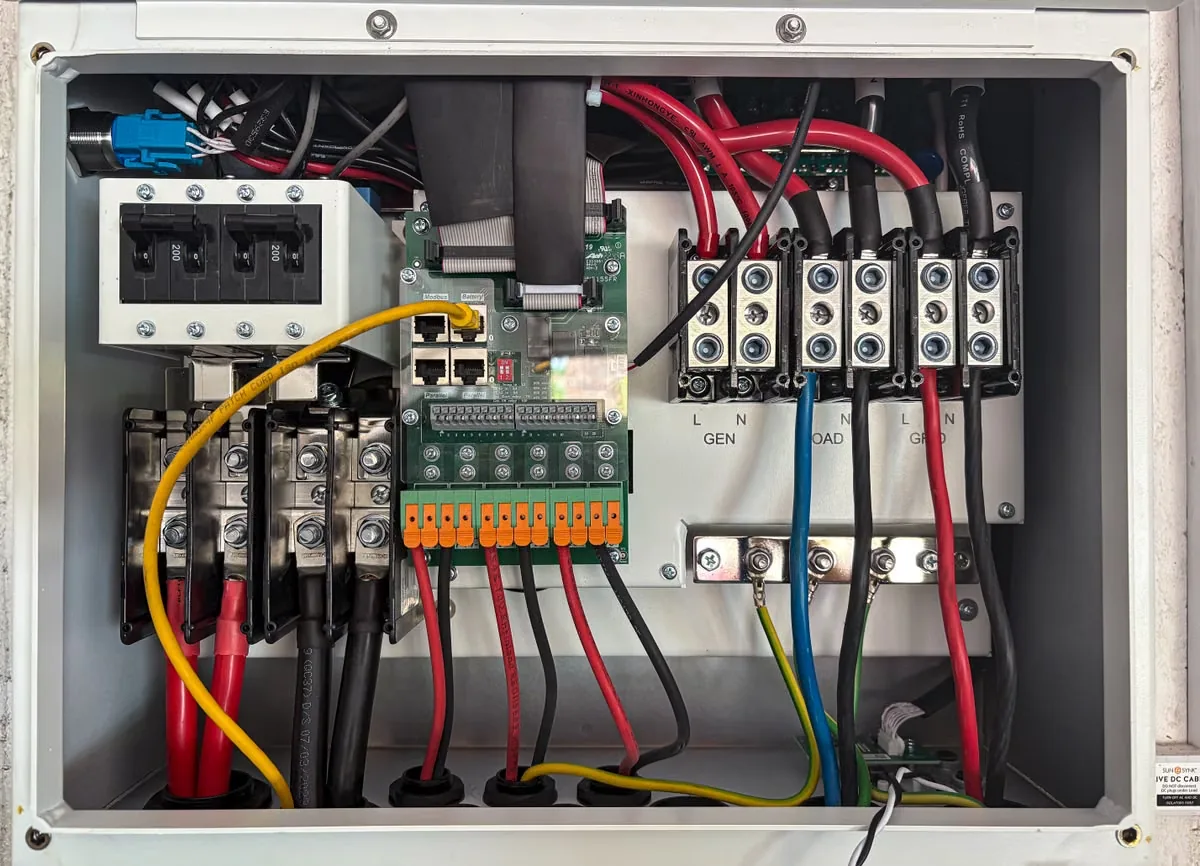
Industrieelektronik
Motor drives, PLCs, sensors and control power supplies see varied duty cycles and environments. Dust, oils, vibration or limited airflow may drive the need for sealing or encapsulation alongside thermal management. Repair strategy matters: a fully potted assembly behaves very differently in production and service from a coated or locally bonded design.
- Karte zuerst
- Duty cycle, enclosure, airflow and service approach
- Validieren
- Chemical exposure, shock, vibration and field temperature
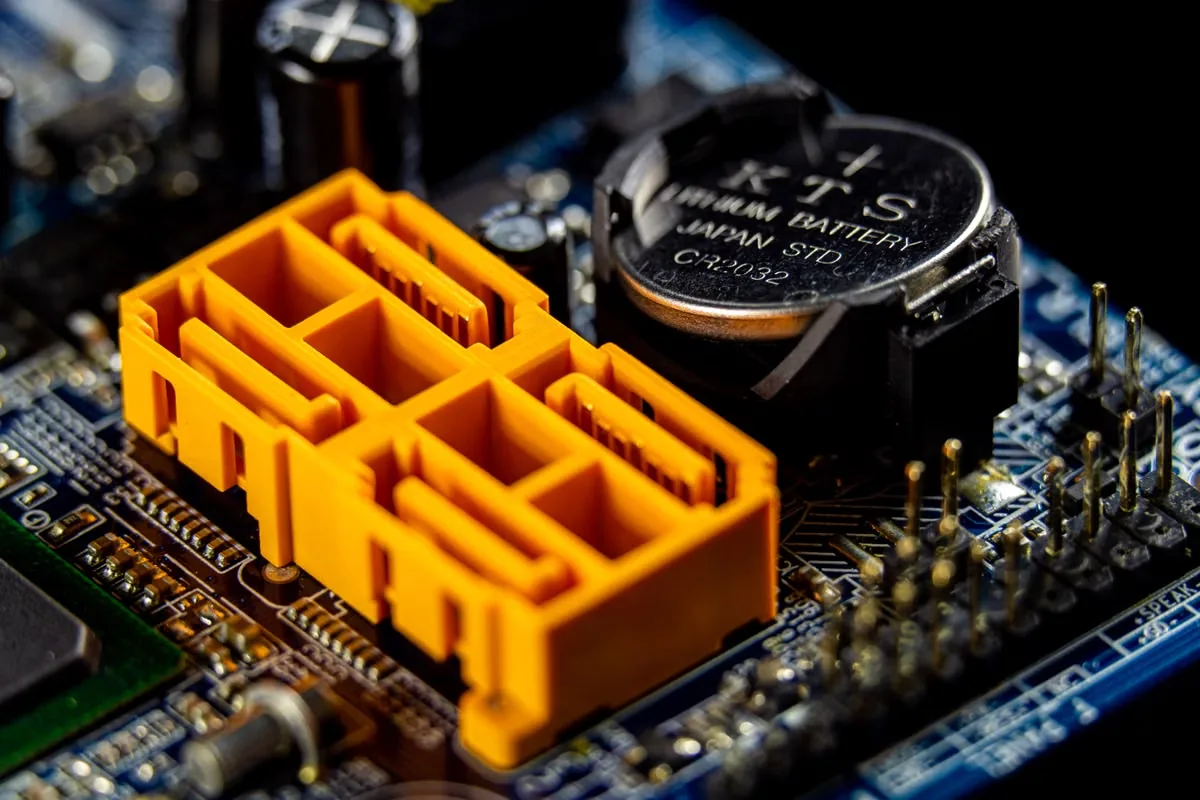
Unterhaltungselektronik
Laptops, gaming systems and mobile devices compress multiple hot components into thin enclosures. Low bond-line thickness, placement speed, feel, acoustic behavior and rework can all influence the choice. Testing should represent device orientation and repeated user heat cycles, especially where grease migration or pad compression can change over time.
- Karte zuerst
- Stack height, enclosure flex, component tolerance and touch points
- Validieren
- Drop, cycling, migration, compression and repair
Inside the assembly
Typical Component-Level Use Cases
These examples show how the heat source, interface and reliability target shape a practical material shortlist.

Battery module to cold plate
Bridge large, tolerance-sensitive gaps while limiting cell and module stress. Evaluate dispense volume, bond-line control, dielectric behavior, flame targets and vibration.
- Lückenfüller
- Soft pad
- Potting
- Bindung
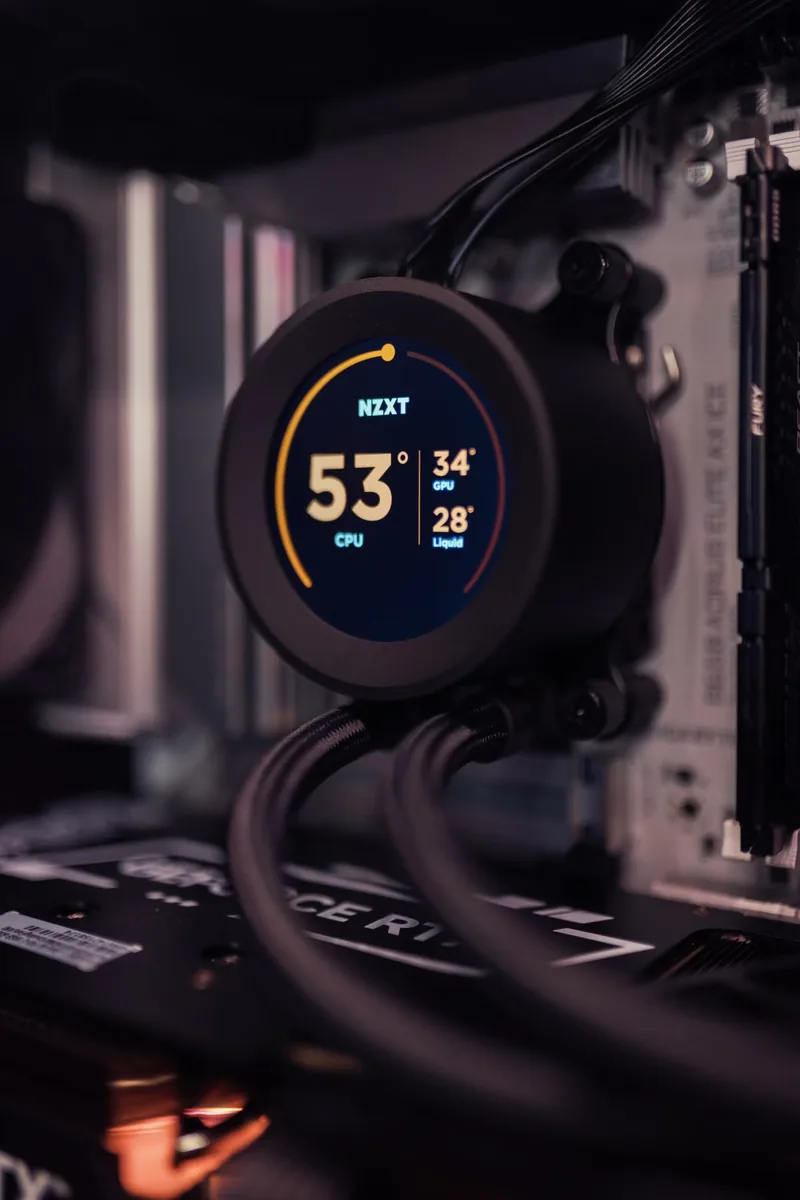
GPU, HBM and cold-plate interfaces
High heat flux and dense component layouts require careful control of interface thickness, pressure distribution, pump-out and serviceability.
- High-performance pad
- Grease
- PCM
- Gel
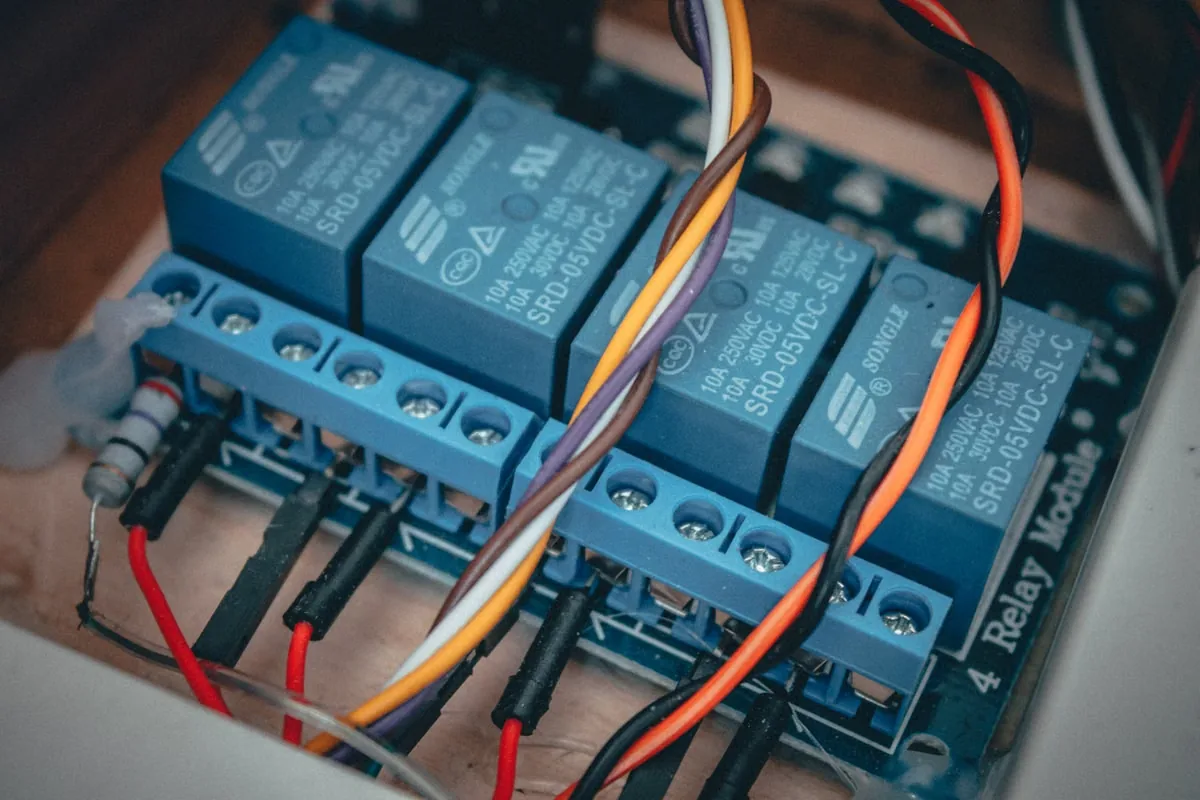
IGBT and MOSFET power modules
Combine low interface resistance with electrical isolation, controlled mounting pressure and stability through power cycling.
- Insulating pad
- Grease
- Klebstoff
- Kapselung

Outdoor radio and power amplifier
Manage uneven enclosure gaps and continuous heat while accounting for weather sealing, thermal cycling and long unattended service.
- Gap pad
- Wärmegel
- Grease
- Dichtmittel
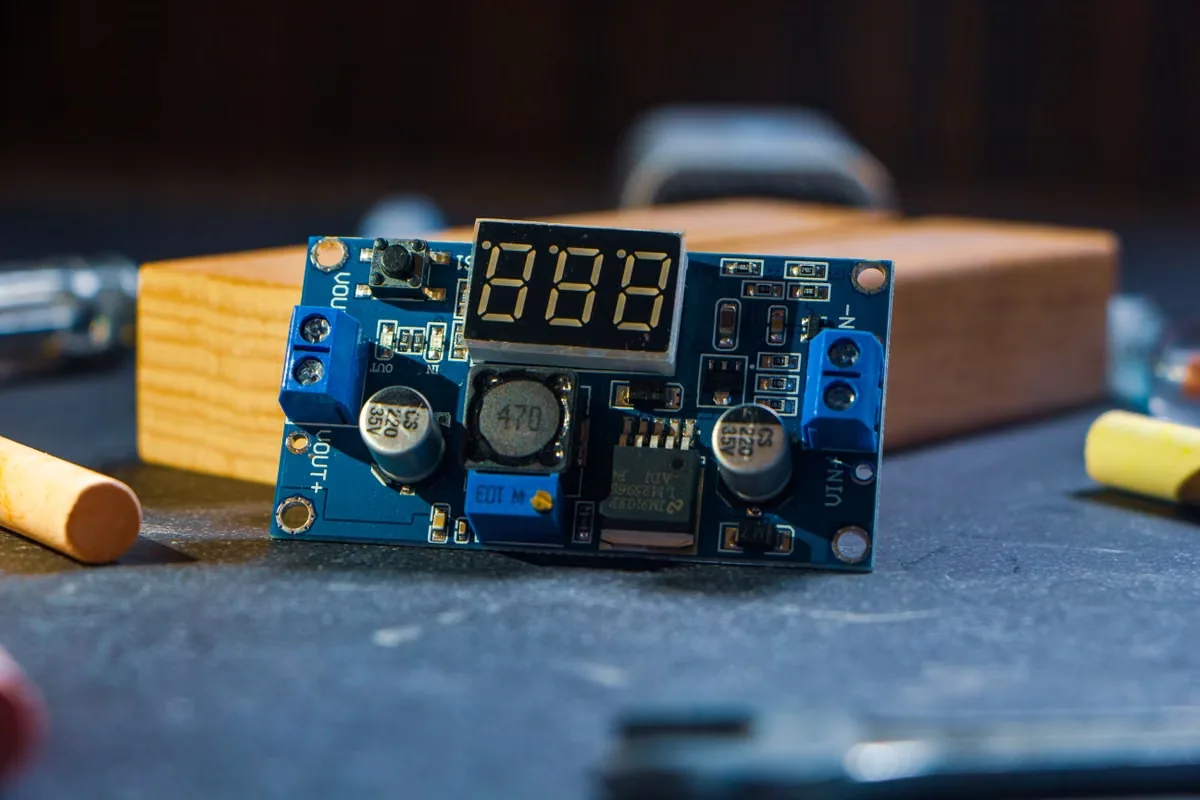
LED board, housing and driver
Protect lumen maintenance by moving heat efficiently from the board while maintaining dielectric properties and outdoor durability.
- Thin pad
- Grease
- Potting
- Klebstoff
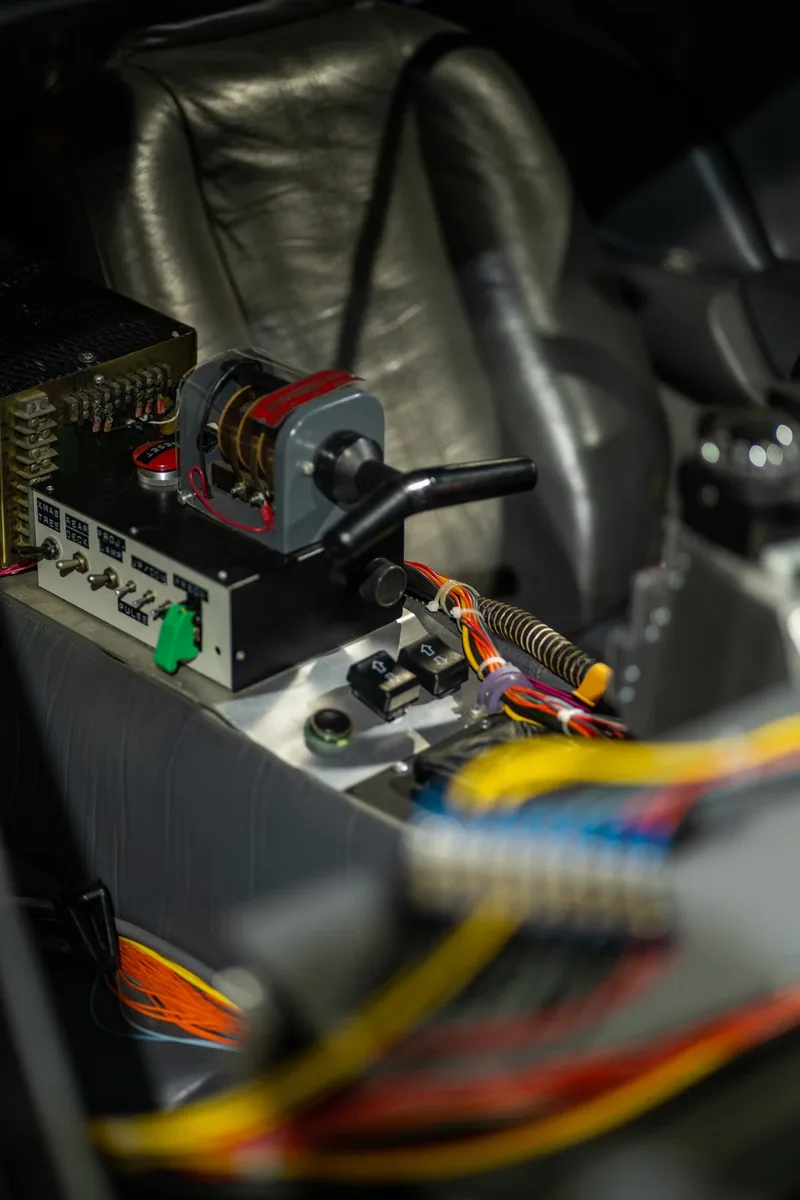
ECU, ADAS and infotainment modules
Thermal cycling, vibration, contamination control and automotive qualification make long-term mechanical behavior as important as initial conductivity.
- Pad
- Gel
- Unterfüllung
- Beschichtung
Selection workflow
Turn Your Application into a Material Brief
A concise, measured brief helps us recommend realistic materials and reduces iteration during sampling.
Map the interface
Identify heat source, target surface, footprint, nominal gap and flatness.
Set operating limits
Provide continuous and peak temperature, voltage, pressure and environment.
Define the process
Share placement or dispensing method, cure window, takt time and rework need.
Rank requirements
Separate must-have limits from targets for conductivity, hardness, adhesion and protection.
Validate in-system
Test candidate materials in the real stack-up and reliability profile before release.
Useful inputs: drawing or interface area, substrate materials, gap range, assembly pressure, thermal target, dielectric requirement, cure conditions, reliability tests and estimated annual volume.
Engineer’s resource shelf
Go Deeper on the Variables That Change Results
Use these technical articles to prepare a better comparison, test plan or design review.
Wärmeleitfähigkeit vs. Wärmewiderstand
Understand why a high W/m·K number alone does not predict interface performance.
Read article →Wie sich die Kompression auf die Leistung von Wärmeleitpads auswirkt
Connect compression ratio, contact area, force and long-term behavior.
Read article →How Bond-Line Thickness Affects Thermal Performance
See why the complete interface geometry belongs in every material comparison.
Read article →Gängige TIM-Prüfstandards, die Ingenieure kennen sollten
Build a test approach that matches the property and decision you need to make.
Read article →Thermal Putty vs. Thermal Pad for Uneven Gaps
Compare handling, tolerance accommodation, pressure and process trade-offs.
Read article →Understanding Low-Outgassing Thermal Materials
Identify when contamination and volatile control should enter the specification.
Read article →Applications FAQ
Questions Before You Shortlist a Material
Good selection begins with the full interface and process—not a single headline property.
Which thermal material is best for a large or uneven gap?
Soft thermal pads and dispensable gap fillers are common starting points. Pads offer controlled thickness and clean placement; liquid gap fillers better accommodate complex geometries and can reduce stress when dispensed and cured correctly.
Ist eine höhere Wärmeleitfähigkeit immer besser?
No. Effective performance depends on bond-line thickness, wet-out, contact resistance, assembly pressure and long-term stability. A lower-conductivity material with better contact can outperform a higher-rated but poorly fitted option.
When should I choose a pad instead of grease or gel?
Choose a pad when handling, controlled thickness, electrical isolation or die-cut geometry is important. Grease is useful for very thin interfaces and low contact resistance. Gel or liquid gap filler is useful for variable gaps, complex surfaces and low assembly stress.
Can a thermal material also provide structural bonding?
Yes. Thermally conductive adhesives can combine heat transfer with fixation, but strength, modulus, cure conditions, rework and thermal cycling must be evaluated together.
What information is needed for a material recommendation?
Share the substrates, interface area, nominal and maximum gap, operating temperatures, pressure, thermal target, electrical isolation need, dispensing or placement process, cure constraints, reliability tests and expected volume.
Can Haktak customize thickness, shape, hardness or formulation?
Application development can include material selection, formulation changes, die-cut geometry, dispensing support, testing and prototype samples. Feasibility depends on the target properties, process and production volume.
Material recommendation
Bring the Assembly. We’ll Help Narrow the Material Path.
Send your gap range, substrates, thermal target, process constraints and reliability requirements. Haktak can support comparison, customization and prototype sampling.