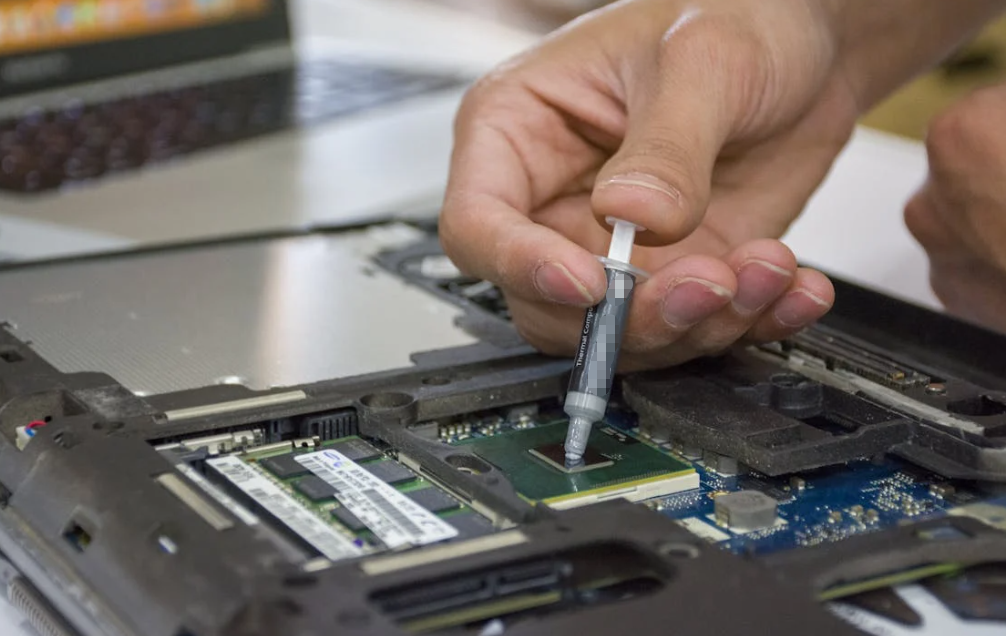
In a world where electronics are becoming smaller, faster, and more powerful, managing heat effectively has never been more critical. Overheating is one of the primary causes of component failure, performance throttling, and reduced lifespan in electronic devices. To combat this, engineers rely on advanced materials that not only conduct heat but also serve structural or mechanical functions. One such class of materials — the unsung hero of thermal management — is thermal adhesive.

Thermal adhesive might sound like a simple glue with a high thermal conductivity claim, but beneath that modest name lies a technology engineered to solve some of the most pressing thermal challenges in modern electronics and industrial applications. This article explores what thermal adhesive is, how it works, where it’s used, the science behind it, best practices for selection and application, and why it’s indispensable for thermal management.
1. Understanding the Basics: What Is Thermal Adhesive?
At its core, a thermal adhesive is a specialized adhesive compound with the ability to conduct heat between two surfaces while creating a permanent or semi-permanent mechanical bond. Unlike typical adhesives that solely provide adhesion, thermal adhesives are engineered to serve as thermal interface materials (TIMs) — materials that facilitate heat transfer between components such as heat-generating chips and heat sinks.
In traditional electronics, air gaps between components are a significant barrier to efficient heat transfer. Air is a poor conductor of heat, and even microscopic imperfections on a surface can trap air pockets, inhibiting thermal flow. Thermal adhesives solve this problem by filling these gaps and providing a continuous path for heat conduction, improving the efficiency of thermal management systems.
Thermal adhesives are often available as:
- Paste adhesives — similar to thermal paste but with bonding properties.
- Tape or film adhesives — pre-formed adhesive films with thermal conductivity.
- Two-component systems — typically epoxy-based, curing into a solid bond.
All of these are designed to ensure that heat flows from a heat source (like a semiconductor) into a heat sink or chassis without compromise.
2. How Thermal Adhesive Works: The Science Behind the Bond

The thermal transfer in these adhesives happens predominantly through conduction — the transfer of heat through solid materials. The adhesive matrix itself (often epoxy, silicone, or acrylic) acts as a vehicle, and within that matrix are dispersed thermally conductive fillers such as metal oxides, ceramic particles, or metal particles.
At a microscopic level:
- The polymer matrix forms the base of the adhesive, providing structural integrity.
- Filler particles (such as aluminum oxide, boron nitride, or silver) bridge heat paths and significantly raise the overall thermal conductivity.
- When cured, these fillers create a network that transfers heat across the adhesive layer.
- The elimination of air at the interface reduces thermal resistance and enhances efficiency.
The effectiveness of a thermal adhesive depends on three primary factors:
- Thermal conductivity of the fillers — higher conductivity means better heat transfer.
- Filler content and distribution — higher loading and even dispersion improve performance.
- Interface contact quality — better surface contact lowers thermal resistance.
3. Key Properties of Thermal Adhesives
Thermal adhesives must strike a balance between thermal performance, mechanical strength, and chemical stability. Here are the most critical properties to understand:

Thermal Conductivity
Measured in watts per meter-kelvin (W/m·K), thermal conductivity describes how efficiently the adhesive transfers heat. Typical values for thermally conductive adhesives range widely:
- Lower-performance adhesives may have ~0.5 W/m·K.
- Higher-performance epoxy systems can reach several W/m·K or more.
For context, thermal paste (a non-adhesive TIM) might have similar conductivity values but does not offer mechanical bonding.
Adhesion Strength
Unlike ordinary thermal paste, thermal adhesive forms a bond strong enough to mechanically secure two surfaces, such as a heat sink to a chip, eliminating the need for screws or brackets.
Temperature Resistance
Good thermal adhesives maintain their bond and performance at elevated operating temperatures, often up to or exceeding 150°C. Specialized formulations might withstand even higher temperatures.
Chemical and Moisture Resistance
Many thermal adhesives are designed to resist humidity, chemicals, and outgassing, ensuring reliability in harsh environments.
Electrical Properties
Some adhesives are electrically insulating — crucial when bonding components that should not create a short circuit. This is achieved by using ceramic or mineral fillers instead of metallic ones.
4. Common Types of Thermal Adhesives
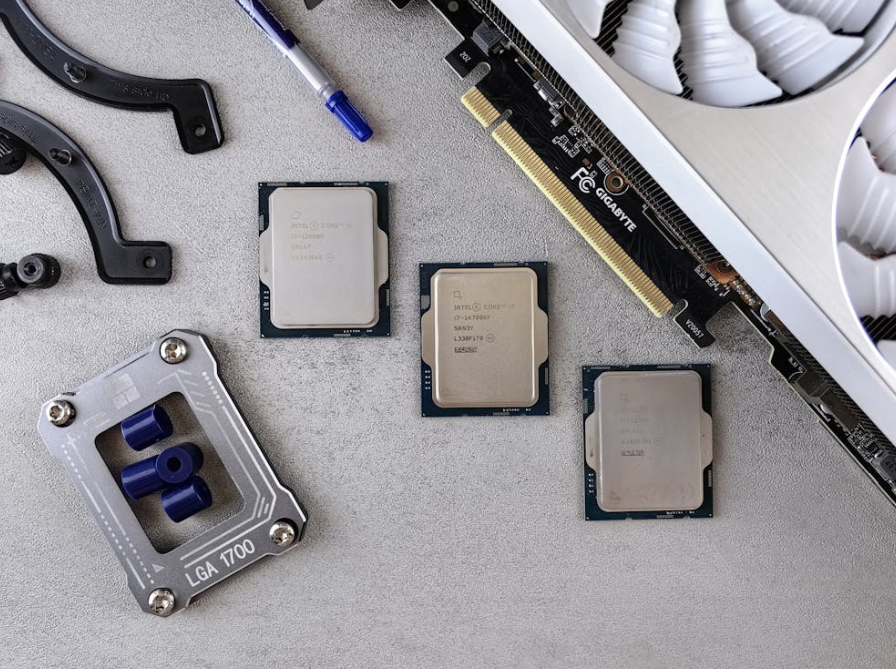
Thermal adhesives can be categorized based on their chemistry and application method:
Epoxy-Based Thermal Adhesives
These are the most common industrial thermal adhesives. They typically involve two components (resin and hardener) that cure to form a rigid, strong bond. They offer excellent thermal conductivity and high adhesion strength.
Silicone Thermal Adhesives
Silicone adhesives offer more flexibility, making them suitable for applications where slight movement or thermal cycling occurs. They also maintain performance over a broad temperature range.
Acrylic and UV-Curing Thermal Adhesives
Acrylic systems cure quickly and can be used in rapid production environments. UV-curing variants solidify when exposed to ultraviolet light, making them ideal for precise manufacturing processes.
Thermal Adhesive Tapes
Pre-formed tapes provide convenience and consistency. They are ideal when a uniform adhesive layer is needed and often used in assembly lines.
5. Where Thermal Adhesive Is Used: Applications Across Industries
Thermal adhesives play a critical role in a wide array of industries and applications where heat management is essential:
Electronics and Semiconductor Devices
One of the most common uses of thermal adhesive is bonding heat sinks to chips, MOSFETs, power modules, and other heat-generating components. The adhesive ensures efficient heat transfer while securing the component mechanically.
LED Lighting
High-power LEDs generate heat that can degrade light output and longevity. Thermal adhesives help bond LEDs to heat sinks or substrates, improving heat dissipation and extending lifespan.
Mobile and Consumer Devices
In smartphones, tablets, laptops, and other compact devices, thermal adhesives are used internally to connect processors, memory modules, and other components to thermal management structures.
Automotive Electronics
From battery packs in electric vehicles to advanced driver assistance systems (ADAS), automotive electronics benefit from thermal adhesives that provide reliable performance under vibration and temperature extremes.
Power Electronics
Power supplies, converters, and inverters generate significant heat. Thermal adhesives contribute to efficient heat transfer and structural integrity in these systems.
6. Thermal Adhesive vs. Thermal Paste: What’s the Difference?
Though their names can be confusing, there’s a clear functional distinction:
- Thermal Paste (or Compound): Provides only thermal conductivity without mechanical bonding. It fills microscopic gaps but requires external mounting mechanisms for heat sinks.
- Thermal Adhesive: Combines thermal conduction with mechanical adhesion. Once cured, it bonds surfaces permanently or semi-permanently while facilitating heat transfer.
In essence, thermal adhesive replaces both a TIM and a mechanical fastener in one solution.
7. Benefits of Using Thermal Adhesives
Thermal adhesives come with a host of advantages that make them indispensable in modern thermal design:
Improved Thermal Efficiency
By eliminating air gaps and ensuring uniform contact between surfaces, thermal adhesives can enhance heat transfer efficiency substantially compared with traditional mounting methods.
Simplified Assembly
Eliminating screws, clips, or other mechanical fasteners speeds up assembly and reduces labor costs — especially important in automated manufacturing.
Enhanced Reliability
Good thermal adhesives resist vibration, shock, and thermal cycling, increasing the long-term reliability of assemblies.
Space Savings
In compact electronics where space is at a premium, thermal adhesives can replace bulky mechanical fixings, allowing sleeker designs.
Versatility
With multiple formulations — from flexible silicones to rigid epoxies — thermal adhesives can be tailored to specific application needs.
8. How to Choose the Right Thermal Adhesive
Selecting the correct thermal adhesive depends on several factors:
Thermal Conductivity Requirements
Identify the expected operating temperature and how much heat needs to be transferred. Higher conductivity adhesives are needed for high-power applications.
Mechanical and Environmental Conditions
Assess whether the application will experience vibration, thermal cycling, humidity, or chemical exposure.
Electrical Considerations
Decide whether the adhesive needs to be electrically insulating or conductive, depending on circuit design and safety requirements.
Curing Method and Process Constraints
Consider whether a heat-curing, UV-curing, or room-temperature curing adhesive is suitable for your production environment.
9. Best Practices for Applying Thermal Adhesives
Proper application ensures optimal performance and reliability:
Surface Preparation
Clean and degrease surfaces before application. Contaminants like oils or residues reduce adhesion and thermal performance.
Controlled Thickness
Apply adhesive at an optimal thickness. Too thick, and thermal resistance increases; too thin, and mechanical performance suffers.
Curing Conditions
Follow manufacturer recommendations for curing time and temperature. Improper curing can compromise both adhesion and thermal properties.
Avoiding Air Pockets
Spread the adhesive uniformly to eliminate voids, which are thermal insulators and reduce effectiveness.
Testing and Validation
Measure temperature and thermal performance after assembly to confirm that the adhesive meets design objectives.
10. Real-World Case Studies
LED Lighting Module Improvement
A leading LED manufacturer replaced mechanical clips and thermal paste with a thermally conductive adhesive to bond LED chips to aluminum heat sinks. The result was a measurable improvement in thermal performance, reduced assembly time, and enhanced product lifespan.
Consumer Electronics Cooling
In a high-end gaming laptop, thermal adhesive was used to secure VRM components and heat pipe interfaces. This not only improved heat transfer efficiency but also prevented loosening due to vibration over time.
11. Conclusion
Thermal adhesive is far more than just a glue with fancy properties — it’s a strategic material that blends thermal management with structural bonding. In applications ranging from consumer electronics to automotive power systems and industrial equipment, thermal adhesives play a vital role in ensuring that devices operate reliably, efficiently, and safely.
As electronics continue to evolve — becoming more powerful and more compact — the role of thermal adhesives becomes increasingly essential. By understanding how these materials work, how to select them, and how to use them properly, designers and engineers can optimize thermal performance while simplifying assembly and improving product longevity.
12. Frequently Asked Questions (FAQs)
What is the difference between thermal adhesive and thermal paste? Thermal adhesive bonds components and conducts heat, while thermal paste only conducts heat without creating a mechanical bond.
Can thermal adhesive be used in high-temperature environments? Yes, many formulations can withstand elevated temperatures, with some exceeding 150 °C.
Is thermal adhesive electrically insulating? Some thermal adhesives are electrically insulating when ceramic fillers are used, while others with metallic fillers are conductive.
How is thermal adhesive applied? It can be applied as paste, tape, or liquid and is typically cured by heat, room temperature, or UV light, depending on the formulation.
Does thermal adhesive replace mechanical fasteners? Yes — thermal adhesives often eliminate the need for screws, clips, or brackets by securely bonding components while managing heat.