
Prototype and Sample Support
Prototype Samples for Thermal Materials and Electronic Adhesives
Turn the real gap, substrate, heat path, voltage, geometry and assembly process into production-relevant material samples—not a generic coupon that answers the wrong question.

Start With the Decision
What Must the Prototype Sample Prove?
A sample is useful only when it answers a defined engineering question. The required material, geometry and test method change depending on whether the team is screening options, checking assembly fit or preparing for pilot production.

Screen the Material Direction
Compare candidate chemistry, hardness, viscosity, thermal behavior, dielectric protection or adhesion before investing in a finished part format.

Check Geometry and Assembly
Confirm thickness, outline, holes, keep-outs, liner, pickup and placement against real components, housings, fasteners and tolerance stacks.

Measure Functional Performance
Evaluate device temperature, contact, compression, adhesion, cure, electrical insulation, environmental resistance or another application-level output.
Four Sample Stages
Choose the Right Prototype Sample Stage
Not every project needs a finished die-cut part on day one. Match sample fidelity to the decision being made, then increase production relevance as the design becomes more stable.
 01
01Material Screening Samples
Use small sheets, coupons, strips, syringes or cartridges to compare the most promising material directions.
- Fast early comparison
- Property and handling screen
- Low commitment before geometry lock
 02
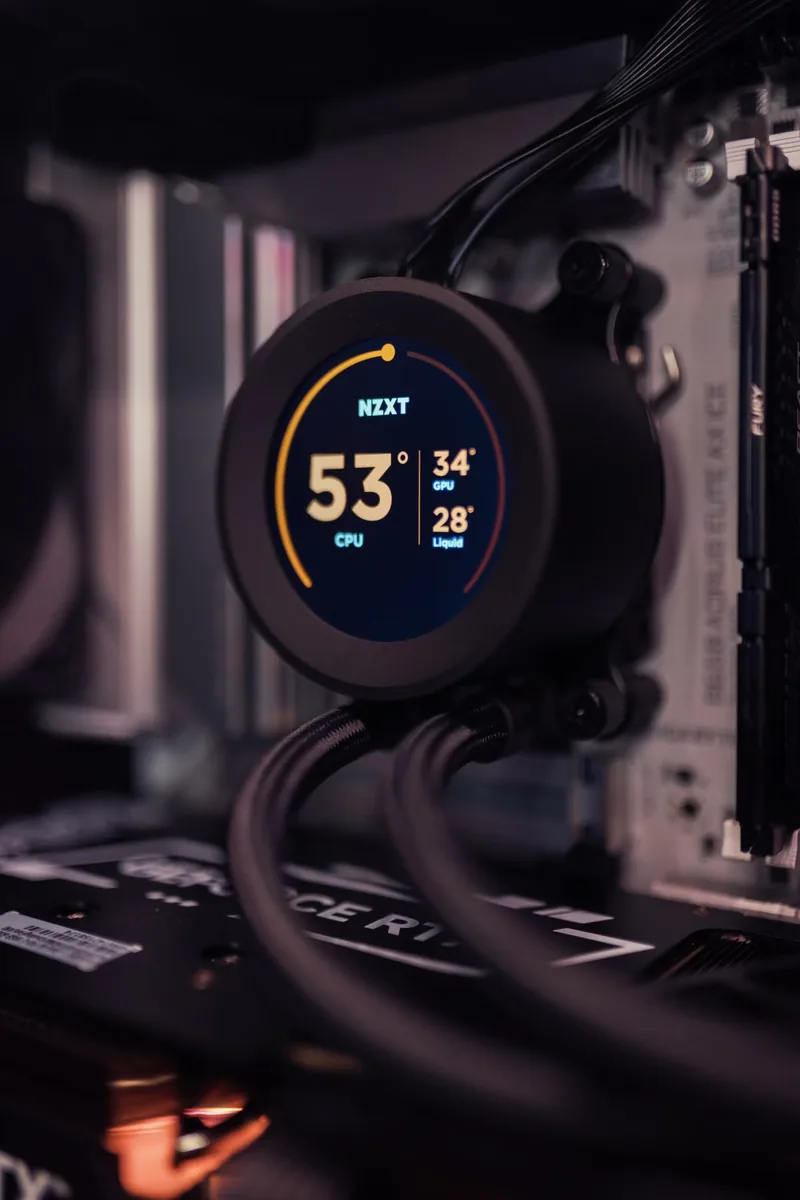
02Geometry and Fit Samples
Use intended thickness, outline, cutouts, tabs, adhesive and liner to check assembly access and tolerance coverage.
- CAD-cut production-like shape
- Placement and compression review
- Early DFM feedback
 03
03Functional Assembly Samples
Place the material in representative hardware to measure thermal, mechanical, bonding, dielectric and processing behavior.
- Real substrates and interfaces
- Representative load and cure
- Initial reliability evidence
 04
04Pilot and Production-Representative Samples
Lock the selected material, drawing, process, presentation and inspection approach in a repeatable pre-production batch.
- Controlled revision and batch
- Production-like handling
- Release data for scale-up
Material Families
Prototype Samples for Thermal Management Materials
A representative sample includes more than the headline W/mK value. Thickness, pressure, surface contact, dielectric behavior, adhesive layers, liner and application method can change the result inside the assembly.
 01
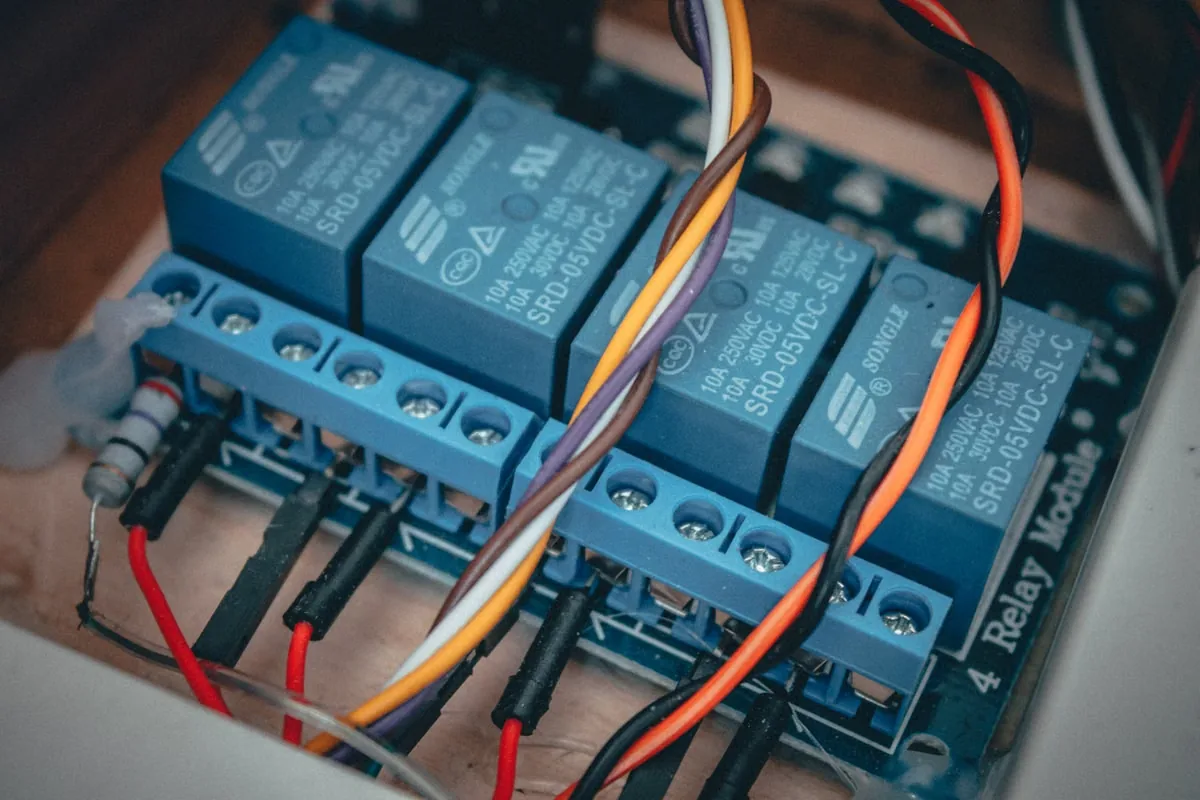
01Custom Thermal Pad Samples
Compare thickness, softness, compression force, thermal impedance, tack, reinforcement and electrical insulation in the actual gap range.
- Sheets or die-cut parts
- Natural tack or PSA
- Gap and force validation
 02
02Liquid Gap Filler Samples
Evaluate viscosity, flow, bead shape, slump, assembly stress, cure and thermal contact across large or variable gaps.
- 1K or curing formats
- Manual and automated trials
- Void and bond-line review
 03
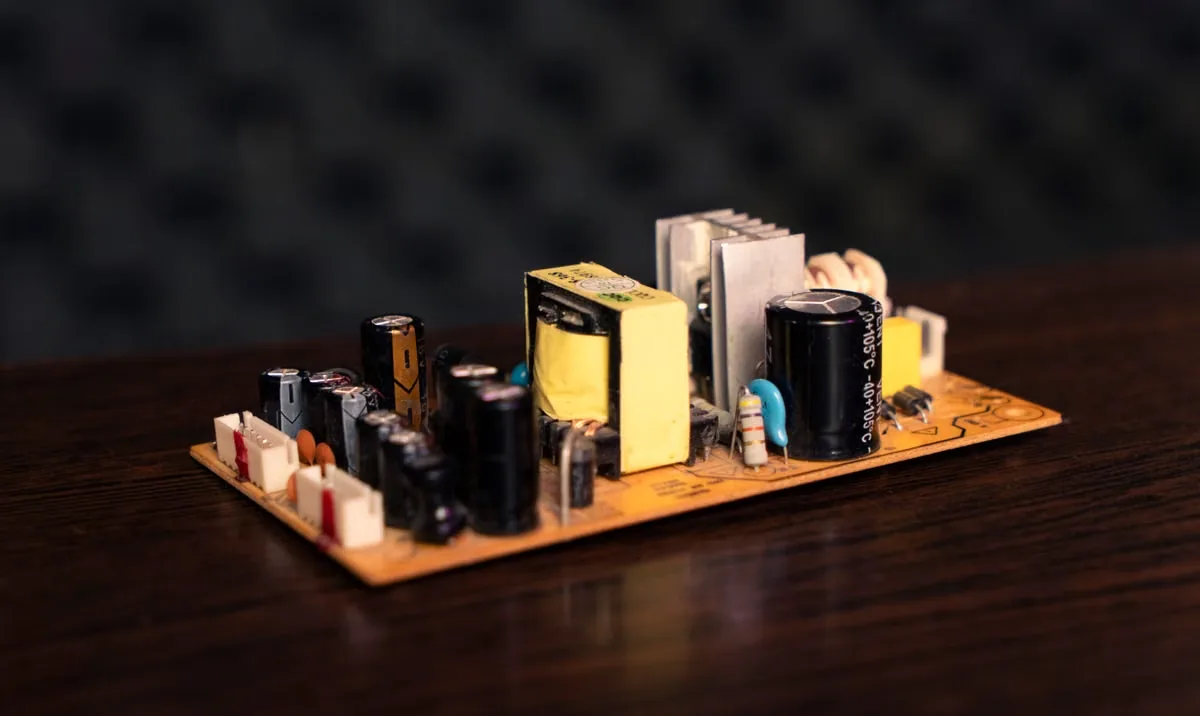
03Thermally Conductive Adhesive Samples
Test heat transfer and mechanical attachment together, including bond-line control, cure, fixture and long-term stress.
- 1K and 2K systems
- Adhesion to real substrates
- Thermal and mechanical output
 04
04Thermal Grease, Gel and Phase Change Samples
Compare wetting, thin bond-line behavior, placement consistency, pump-out, rework and operating-temperature contact.
- Thin interface screening
- Print, dot or film formats
- Fresh and aged comparison
 05
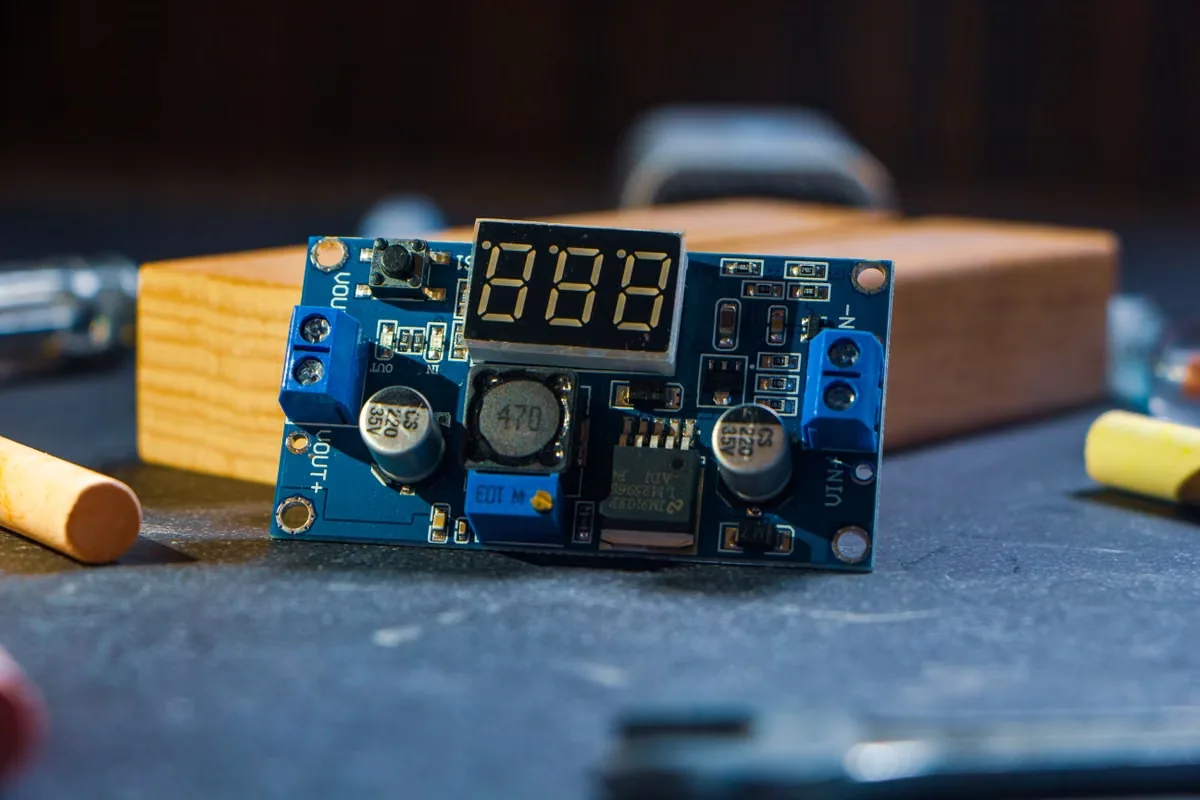
05Insulation and Functional Pad Samples
Check heat blocking, dielectric protection, flame behavior, edge geometry, attachment and fit around electrical features.
- Thermal and electrical function
- Custom outline and holes
- Adhesive and liner options
 06
06Die-Cut and Laminated Samples
Translate a material into a placement-ready component with cutouts, tabs, selective adhesive, insulation film or layered construction.
- PDF, DXF or dimensional input
- Kiss-cut sheets or individual parts
- Assembly-friendly presentation
Electronic Adhesives
Electronic Adhesive Prototype Samples Must Match the Real Process
A cured drop on a laboratory coupon may not predict wetting, placement, bond line, cure or stress in the real assembly. Package the sample and define the trial around the intended manufacturing route.
One-Component or Two-Component
Confirm storage, conditioning, mix ratio, pot life, open time and purge requirements before comparing final properties.
Actual Substrates and Preparation
Use the intended metal, plastic, ceramic, glass, coating or PCB finish with realistic cleaning and surface treatment.
Dispensing Method and Package
Match syringe, cartridge, meter-mix or automated dispensing to viscosity, filler, shot volume, path and production takt.
Bond Line, Wetting and Squeeze-Out
Control material volume, spacers, mating speed, pressure and fixture so the tested joint represents the intended design.
Energy, Time and Access
Evaluate ambient, moisture, heat or UV cure at the coldest, thickest or most shadowed location—not only an exposed bead.
Adhesion and Functional Performance
Choose lap shear, peel, pull, thermal, dielectric, sealing or reliability tests that reflect the joint’s real failure mode.
Engineering Inputs
What Haktak Needs Before Preparing Prototype Samples
A finished specification is not required, but the sample should reflect the best information currently available. Minimum and maximum conditions are more useful than one nominal number when the design is still changing.
 Share unknowns as unknowns. The sample plan can be structured to resolve them in the correct order.
Assembly and Decision
Describe the device, material function, current design stage and the decision the sample must support.
Heat Path and Thermal Target
Provide heat source, power, cooling surface, temperature limit and any available thermal model or baseline data.
Gap, Pressure and Geometry
Share minimum, nominal and maximum gap, available pressure, part area, fragile components, drawing and tolerances.
Substrates and Electrical Requirements
Identify surface materials, coatings, cleanliness, operating voltage, dielectric need, creepage and clearance constraints.
Process and Sample Format
Define dispensing, placement, assembly, cure, liner, packaging, quantity and the equipment available for evaluation.
Environment and Reliability
Include temperatures, cycling, vibration, humidity, fluids, service life, flame target and the planned qualification tests.
Sample Workflow
From Application Brief to Production-Relevant Prototype Samples
The workflow should preserve the link between the original engineering question and the evidence collected from the sample. Changes after each iteration need to be visible rather than hidden in email threads.
Define the Decision
State the question, current baseline, pass/fail target and what remains unknown about the assembly or material.
Review the Application Brief
Organize gap, pressure, substrate, voltage, process, environment, quantity, drawing and timing into a usable sample request.
Narrow Candidate Materials
Select a small set of meaningful candidates instead of testing many materials that differ in uncontrolled ways.
Prepare the Sample Format
Choose coupon, sheet, die-cut part, syringe, cartridge, dispensed plate or production-like batch based on the decision.
Test and Document Results
Record material revision, sample condition, assembly details, method, environment, measurements and observed failure mode.
Refine and Lock the Direction
Adjust one controlled variable at a time, confirm the result and translate the successful sample into production requirements.
Format Comparison
Choose Prototype Sample Formats for Fit, Process and Performance
Sample fidelity should increase only when it improves the decision. A low-cost coupon is appropriate for early screening, while a pilot batch is necessary when presentation, process drift and inspection are the remaining risks.
| Sample Format | Best Question to Answer | Typical Delivery | Main Limitation |
|---|---|---|---|
| Material coupon or strip | Is this material family worth further evaluation? | Small sheet, strip, cured plaque or small liquid package | Does not represent the full geometry, interface or manufacturing process |
| CAD-cut geometry sample | Does the part fit, compress, peel and place correctly? | Individual part, kiss-cut sheet, array or simple kit | Material, tooling or presentation may still change before production |
| Dispensed process sample | Can the material feed, deposit, hold shape, mate and cure? | Syringe, cartridge, test plate or representative bead pattern | Customer equipment and production pauses still require confirmation |
| Functional assembly sample | Does the complete interface meet thermal, bonding or dielectric targets? | Material installed in representative hardware | Higher preparation cost and dependent on realistic fixtures and methods |
| Pilot or production sample | Can the locked design run repeatedly and be inspected? | Controlled pre-production batch with intended packaging | Requires stable specifications and agreed acceptance criteria |
Validation Plan
Validate More Than One Datasheet Number
A material property is not the same as assembly performance. Build the sample review around the interface, process and reliability conditions that determine success in the finished electronic system.
 01 · Contact
Fit and Surface Contact
Check witness marks, coverage, flatness, component-height variation, interference, edge lift and assembly access.
 02 · Heat
Thermal Performance
Measure component and cooling-surface temperatures, bond-line thickness and results at minimum and maximum gap conditions.
 03 · Force
Compression and Mechanical Stress
Review total force, board strain, package loading, screw torque, extrusion, compression set and recovery after disassembly.
 04 · Bond
Adhesion and Cohesion
Test the intended substrate, surface treatment, cure and joint geometry, then record where and how failure occurs.
 05 · Voltage
Dielectric Protection
Confirm thickness, cut edges, voids, breakdown behavior, creepage, clearance and performance after aging or compression.
 06 · Process
Dispensing and Cure Behavior
Evaluate material conditioning, shot repeatability, slump, working life, assembly delay, cure access and post-cure state.
 07 · Aging
Environmental Reliability
Use relevant thermal cycling, high-temperature aging, humidity, vibration, fluid exposure and power-cycling conditions.
 08 · Factory
Assembly Time and Rework
Observe liner removal, orientation, placement, contamination, cure handling, inspection, disassembly and residue.
Review TIM Testing StandardsApplication Coverage
Prototype Samples for Electronics Applications
Each market changes the dominant sample question. Large battery gaps, fragile processors, outdoor radios, compact consumer devices and high-voltage power assemblies cannot be validated with one universal sample plan.
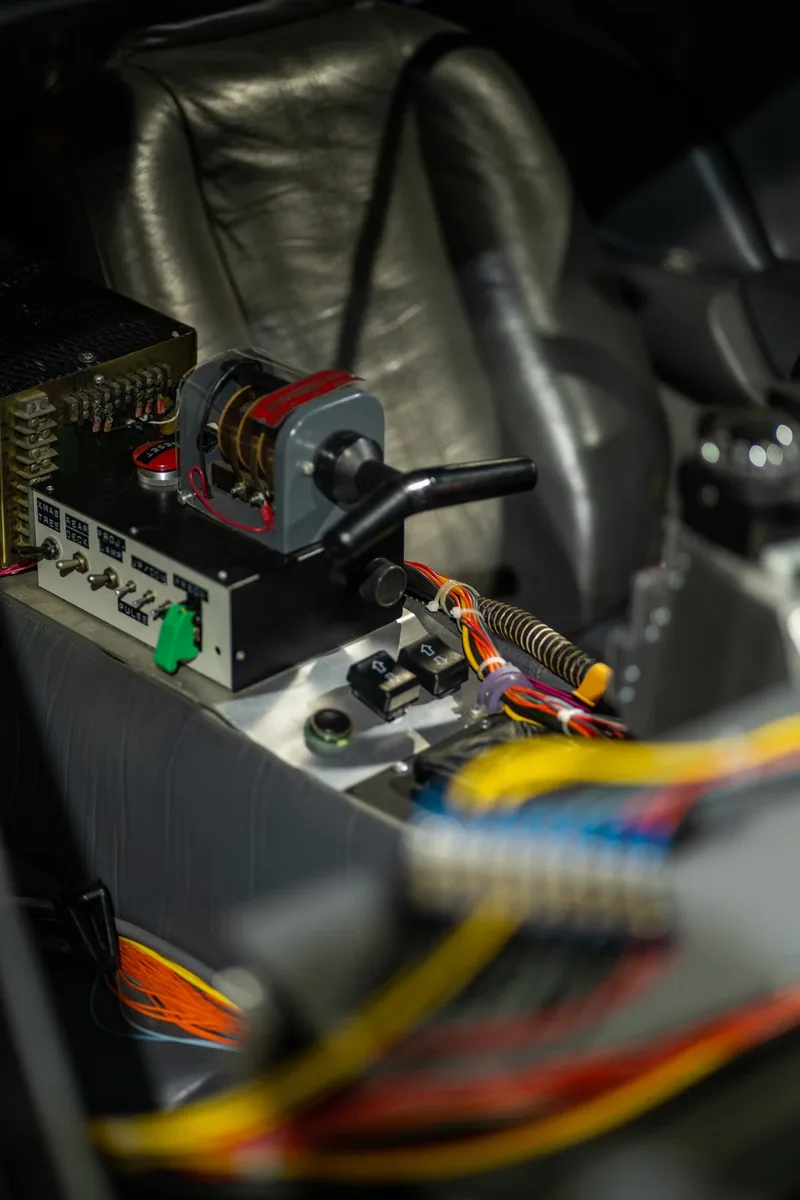
Automotive Electronics
Validate thermal contact, vibration, fluids, cycling, dielectric protection and production placement.
Review Automotive Electronics
Telecom and 5G Equipment
Test amplifier heat paths, enclosure contact, outdoor reliability, sealing and service temperature.
Review Telecom and 5G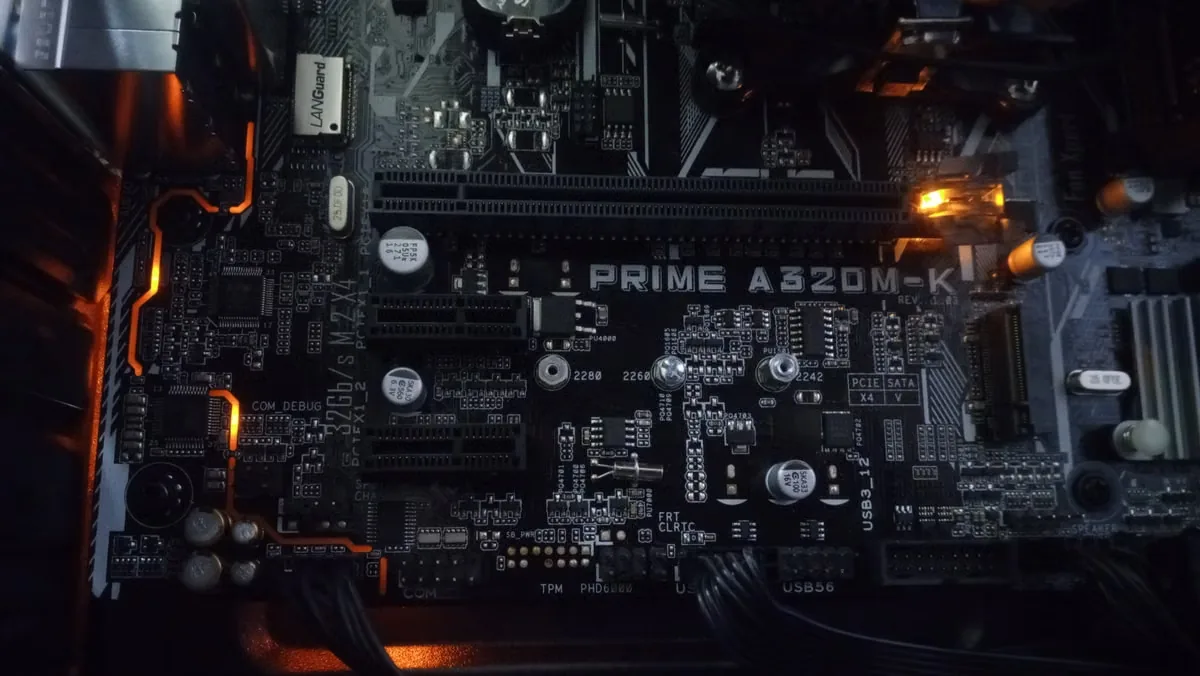
LED Lighting
Measure board-to-housing contact, optical compatibility, cure, thermal cycling and driver reliability.
Review LED Lighting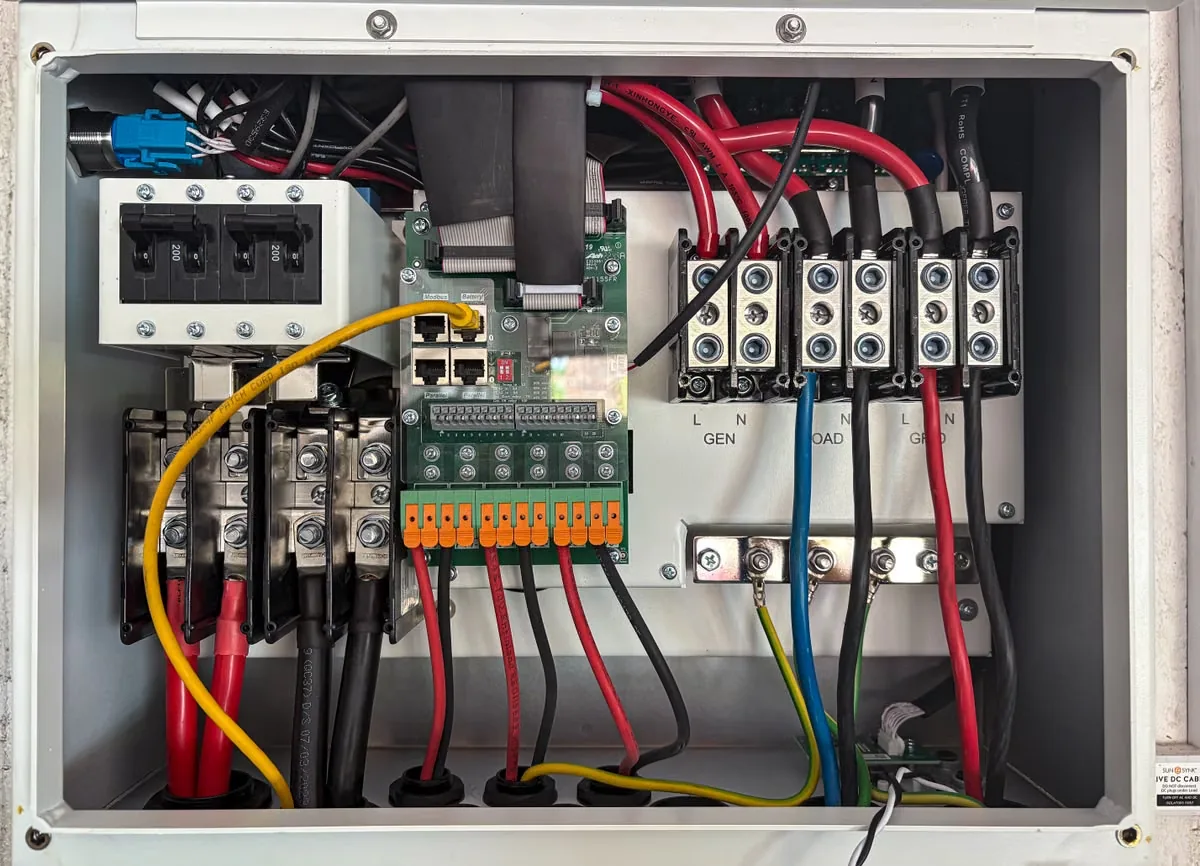
Industrial Electronics
Evaluate motor drives, PLCs, controls and power supplies under heat, vibration, dust and long service life.
Review Industrial ElectronicsEV Batteries and Energy Storage
Large-area gaps, cell and module interfaces, cold plates, low assembly stress, insulation and automated dispensing.
Review EV Battery ApplicationsPower Electronics
IGBT, MOSFET, inverter and converter interfaces with controlled bond line, insulation and thermal cycling.
Review Power ElectronicsData Centers and AI Servers
GPU, HBM, CPU and VRM interfaces requiring low thermal resistance, pressure control and reliable placement.
Review AI Server ApplicationsSemiconductor and Electronics Assembly
Underfill, bonding, coating and precision deposition for packages, sensors, modules and compact PCB assemblies.
Review Semiconductor AssemblyAvoid False Confidence
Common Prototype Sample Mistakes
A sample can pass while the future product fails if the sample does not represent the controlling geometry, load, process or environment. Record what each sample proves and what remains untested.
Testing Only a Generic Material Piece
A coupon can screen chemistry but cannot prove contact, force, placement, edge behavior or assembly temperature.
Using Only the Nominal Gap
Build samples at minimum and maximum tolerance conditions to expose under-contact, excessive force and squeeze-out.
Selecting Only by Thermal Conductivity
Thickness, contact resistance, pressure, area and heat spreading can outweigh a difference in bulk W/mK.
Hand-Applying a Future Automated Material
Manual success does not prove feed stability, bead repeatability, cycle time, pause recovery or equipment compatibility.
Testing Only New Samples
Repeat critical measurements after thermal, humidity, vibration, chemical or power cycling that reflects service risk.
Failing to Lock the Successful Revision
Record material, thickness, adhesive, liner, drawing, cure, packaging and test method before purchasing production parts.
Read the Custom Thermal Pad GuidePrototype to Production
Move From Prototype Samples to Pilot and Production
The approved sample should become a controlled technical reference. Translate it into documents, process windows and inspection criteria that purchasing, quality and manufacturing can use without relying on memory.
Material Grade and Revision
Identify chemistry, property targets, color where relevant, shelf life, storage and allowed material substitutions.
Drawing and Critical Dimensions
Define thickness, profile, holes, tolerances, layer stack and measurement method for soft or flexible parts.
Application and Cure Window
Document conditioning, dispensing or placement, working time, assembly, fixture and cure ranges.
Presentation and Packaging
Specify liners, tabs, sheets, rolls, kits, orientation, labels and protection needed by the production line.
Inspection and Acceptance
Agree on dimensional, visual, process and functional checks, sampling frequency and failure disposition.
Traceability and Change Control
Connect production lots to material batches and define notification or requalification for meaningful changes.
Prototype Sample Brief
Prepare the Information for a Useful Sample Request
Send what is known today and identify the unknowns. A concise, structured brief helps Haktak recommend the right sample stage instead of assuming that every project needs the same material format.
Decision and Current Baseline
What must the sample prove, what material or design is used today, and what failure or limitation triggered the request?
Device, Heat Path and Interface
Describe the heat source, cooling path, power, temperatures, gap, area, pressure and relevant component limitations.
Drawing, Dimensions and Tolerances
Attach PDF, DXF, DWG or a dimensioned sketch and identify critical holes, edges, keep-outs, tabs and layer functions.
Substrates and Required Properties
List surface materials, coatings, thermal, mechanical, dielectric, flame, chemical and contamination requirements.
Dispensing, Placement and Cure
Explain equipment, package, takt, assembly order, pressure, fixture, cure energy and downstream handling.
Quantity, Timing and Production Volume
Provide sample quantity, decision date, pilot timing, expected annual demand, packaging and documentation needs.
Frequently Asked Questions
Prototype Samples for Thermal Materials and Adhesives FAQ
The correct sample depends on the engineering decision, material availability, geometry, process and validation plan. Haktak can help define the next useful sample stage.
What Types of Prototype Samples Can Haktak Provide?
Potential formats include material coupons, sheets, strips, small liquid packages, syringes, cartridges, CAD-cut thermal pads, laminated parts, dispensed trial samples and production-representative pilot samples. Availability depends on material, geometry and project requirements.
Do I Need a Finished Drawing Before Requesting Samples?
No. Early material screening can begin with assembly dimensions, a sketch, photos and target conditions. A controlled drawing becomes more important for fit samples, converted parts and pilot production.
How Many Prototype Samples Should I Request?
Quantity should cover setup, measurement, comparison, destructive inspection, environmental conditioning and expected variation. One sample is rarely enough to understand repeatability or separate part variation from material behavior.
How Long Do Prototype Samples Take?
Timing depends on material availability, sample format, drawing complexity, cutting or lamination, packaging, curing and the amount of application work required. Standard material coupons are usually simpler than custom formulations or pilot batches.
Can Samples Use the Final Die-Cut Shape and Liner?
Yes, production-like shape, adhesive, liner, tabs and presentation can be evaluated when those details are defined. Early digital-cut samples may still need confirmation with final tooling and production-converted parts.
How Should Thermal Material Samples Be Tested?
Use intended geometry, gap, pressure, substrates, fasteners, cooling and environmental conditions. Measure temperatures, contact, compressed thickness, force, strain, extrusion, electrical behavior and results after relevant aging.
Can Haktak Support Adhesive Dispensing and Cure Trials?
Haktak can review material packaging, viscosity, dispensing behavior, bead geometry, mixing, mating and cure requirements. Final capability must be confirmed with the customer’s production equipment and assembly conditions.
What Happens After a Prototype Sample Passes?
Lock the material revision, drawing, critical properties, application and cure window, packaging, inspection criteria, traceability and change-control expectations, then confirm them in a pilot or production-representative batch.
Build the Right Sample
Build a Prototype Sample Around Your Real Assembly
Send the device, drawing, gap, substrates, thermal target, voltage, process, reliability conditions, quantity and timing. Haktak can help define the material and sample stage that answers the next engineering decision.