
Thin-Bond-Line Thermal Interfaces
Thermal Grease for Electronics and Low-Resistance Interfaces
Reduce contact resistance between processors, power modules, heat spreaders, heat sinks and cold plates with a thermal grease selected around the complete assembly. Compare bond line, wetting, clamp pressure, application process and long-term stability—not W/mK alone.

Inside the Interface
How Thermal Grease Reduces Contact Resistance
Apparently smooth metal, ceramic and package surfaces contain microscopic peaks and valleys. Thermal grease displaces trapped air and creates a more continuous conduction path, but it performs best as a thin interface rather than a material for filling a visible mechanical gap.
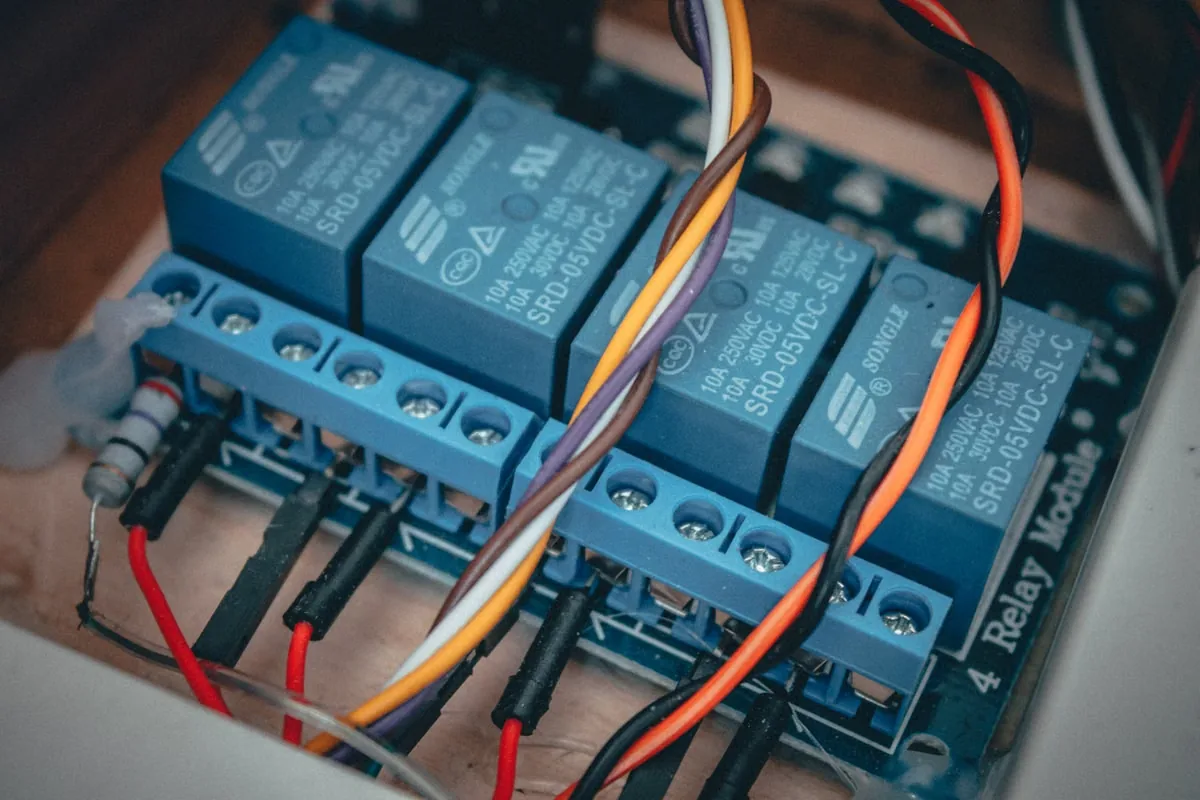
Replace Air in Surface Valleys
Grease flows into microscopic roughness that direct solid-to-solid contact cannot reach. Good wetting lowers contact resistance at both boundaries without requiring a thick layer.
Form a Continuous Bond Line
The useful target is the thinnest complete interface the surface flatness and clamp system can maintain. Excess material lengthens the heat path and may increase migration risk.
Maintain Contact Through Service
Initial wet-out is only the beginning. Thermal cycling, warpage, vibration, temperature and clamp-load changes decide whether coverage remains stable over the product life.
Material Families
Compare Thermal Grease Types for Electronics
The Haktak thermal grease range has two focused starting points. Select the performance objective first, then verify the formulation in the real interface and production process.
 01
01Low Thermal Resistance Grease
Wet thin, flat and clamped interfaces where low installed impedance and a serviceable heat path are the main priorities.
- Low bond-line potential
- Strong microscopic surface wetting
- Processor and power-module interfaces
 02
02Silicone-Free Thermal Grease
Control heat near contacts, optics, relays, coatings or bonding zones where siloxane migration and silicone contamination must be reduced.
- Silicone-sensitive assembly strategy
- Clean-contact and optical considerations
- Product-specific bleed and outgassing validation
Interface Definition
Choose Thermal Grease by the Real Assembly
A datasheet cannot define the final interface by itself. Record the hardware, contact geometry, pressure, temperature and service profile before comparing formulations.
 Start with the assembled heat path—not a chemistry name or isolated conductivity value.
Heat Source and Cooling Surface
Identify the package, module, lid, spreader, heat sink or cold plate, including material, coating and surface finish.
Flatness, Roughness and Contact Area
Measure the real contact footprint and distortion after assembly. Grease cannot reliably compensate for a large or changing gap.
Bond Line Thickness
Define the expected minimum, nominal and maximum grease thickness after mounting rather than the wet deposit height.
Clamp Pressure and Movement
Review fasteners, springs, torque, board strain, package fragility, warpage and pressure change across temperature.
Electrical and Cleanliness Needs
Confirm insulation, conductive-edge risk, nearby contacts, optics, relays, coatings and downstream bonding operations.
Temperature and Reliability Profile
Define continuous and peak temperature, power cycling, vibration, humidity, storage, orientation, service interval and lifetime.
Performance Metrics
Thermal Conductivity vs. Thermal Resistance and Impedance
Bulk thermal conductivity is useful, but it does not include both surface contacts, final thickness, pressure, voids or aging. Compare candidates at the same interface conditions whenever possible.
Thermal Conductivity
W/mK describes heat flow through the bulk compound under a stated method. Different methods, temperatures and sample preparation can produce values that are not directly comparable.
Thermal Resistance
Resistance connects heat flow to temperature rise through a defined area and thickness. A simplified bulk relationship is R = t/(k × A), but real contacts add extra resistance.
Thermal Impedance
Impedance measured under controlled pressure and thickness can better represent a complete interface than conductivity alone. Test conditions must still match the intended assembly.
Component Temperature
Junction, case or board temperature under real power and cooling is the final system result. Record initial performance and drift after cycling or aging.
Compare Like With Like
Use the same area, substrate, surface preparation, bond line, pressure, thermal load and aging profile when comparing two materials.
Application Engineering
Match Thermal Grease to the Production Process
Grease that spreads well in a hand trial may behave differently through a long hose, small nozzle, screen or stencil. Qualify the package, equipment, deposit and mounting sequence together.

Manual or Automated Dispensing
Set package, feed pressure, hose, nozzle, stand-off, speed and shot volume. Challenge cold starts, refills, idle periods and stop-start repeatability.
Screen and Stencil Printing
Match mesh or stencil opening, thickness, squeegee conditions and release behavior to the target printed area and dry-free process window.
Deposit Pattern and Volume
Dots, lines or printed shapes must spread across the active footprint without trapping air or flooding connectors and keep-out zones.
Surface Preparation
Remove old compound, dust, oil and incompatible residues. Define allowed cleaners, drying time and handling to preserve wetting.
Mounting Sequence
Control alignment, closure direction, torque order, fastener load and delay between deposit and assembly to manage spread and voids.
Inspection and Traceability
Set shot-mass limits, print coverage, visual criteria, torque records, teardown sampling, lot tracking and reaction plans.
Reliability Risks
Prevent Thermal Grease Pump-Out, Dry-Out and Bleed
A grease can produce an excellent day-one temperature and still lose performance as the assembly moves or the carrier changes. Reliability testing must preserve both coverage and material condition.
Pump-Out
Repeated expansion, warpage, pressure change and vibration can shear grease away from the active hot region. Check edge buildup and center coverage after representative cycling.
Review Thermal Grease Pump-OutDry-Out and Hardening
Carrier loss, oxidation, separation or prolonged heat can reduce wetting and leave a stiff filler-rich layer. Monitor impedance and teardown condition over time.
Oil Migration
Separated carrier may move toward contacts, optics, coatings, seals or bonding areas. Evaluate actual materials, temperature, orientation and keep-out distance.
Excess Bond Line
Too much grease increases the thermal path and mobile volume. Control the applied quantity and verify compressed thickness rather than relying on appearance.
Unstable Clamp Load
Low force may leave poor wet-out, while excessive force can squeeze out material, bow boards or damage fragile packages. Validate the complete mounting system.
Silicone and Volatile Contamination
Silicone-free addresses one chemistry concern but does not automatically prove low outgassing or zero bleed. Require product-specific evidence and compatibility tests.
Understand Low-Outgassing GreaseFormat Comparison
Thermal Grease vs. Pads, Gap Fillers and Phase Change TIMs
No material format is universally best. Choose the format that can control the real gap, pressure, handling, production volume, service and lifetime movement.
| Material Format | Best-Fit Interface | Primary Advantage | Design Watch Points |
|---|---|---|---|
| Thermal grease | Very thin, flat and clamped interfaces | Excellent wetting, low bond-line potential and serviceability | Application volume, pump-out, dry-out, bleed and cleanliness |
| Thermal pad | Defined or moderately variable gaps | Controlled thickness, clean placement and die-cut geometry | Compression force, tolerance, hardness and contact quality |
| Liquid gap filler | Larger variable gaps and mixed component heights | Low-stress conformance and scalable selective dispensing | Bead, slump, cure/set behavior, voids and rework |
| Phase change TIM | Thin clamped interfaces needing cleaner handling | Solid placement or pre-application with heat-activated wetting | Activation temperature, pressure, cycling and residue |
| Thermal adhesive | Thermal path also requiring mechanical attachment | Bonding and heat transfer in one process | Cure, modulus, stress, durability and disassembly |
Application Markets
Thermal Grease for High-Demand Electronics
Each market changes heat flux, flatness, mounting, electrical exposure, contamination sensitivity and reliability. Use the application as a screening input—not as proof that one grease fits every design.

EV Batteries and Energy Storage
Support BMS, converters, charging electronics and flat module-to-cooler interfaces under cycling, vibration and long service requirements.
Explore EV Battery Materials
Data Centers and AI Servers
Wet processor, accelerator and cold-plate interfaces where heat flux, mounting uniformity, service and cycling stability matter.
Explore AI Server Cooling
Automotive Electronics
Manage heat in ECUs, ADAS, infotainment and charging hardware through shock, vibration, temperature cycling and qualification.
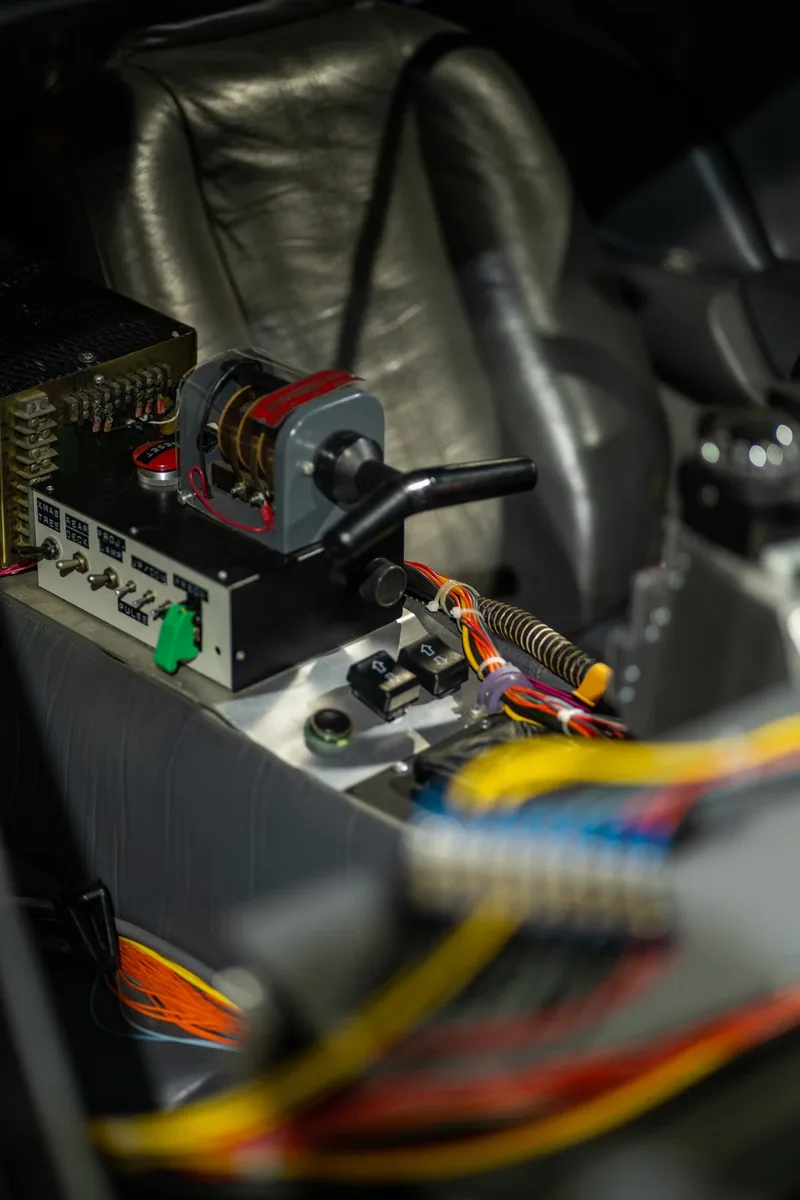
Explore Automotive Electronics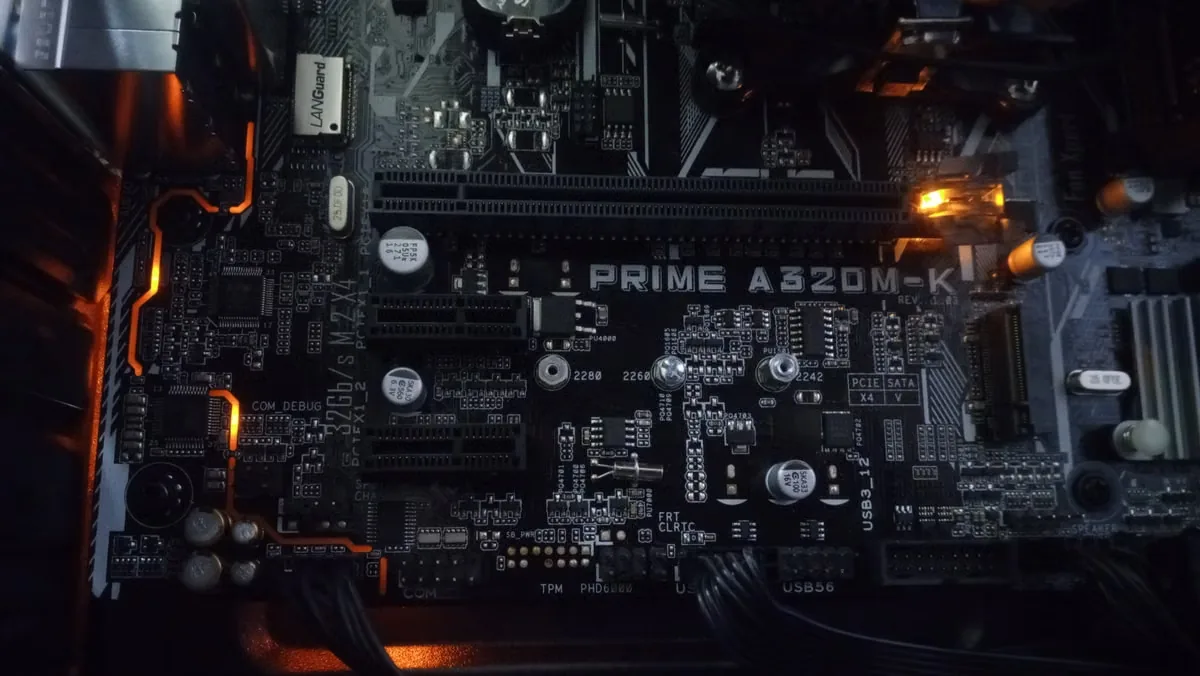
LED Lighting
Connect MCPCBs, LED modules and driver heat sources to aluminum housings while controlling volume, optical cleanliness and long-temperature exposure.
Explore LED Lighting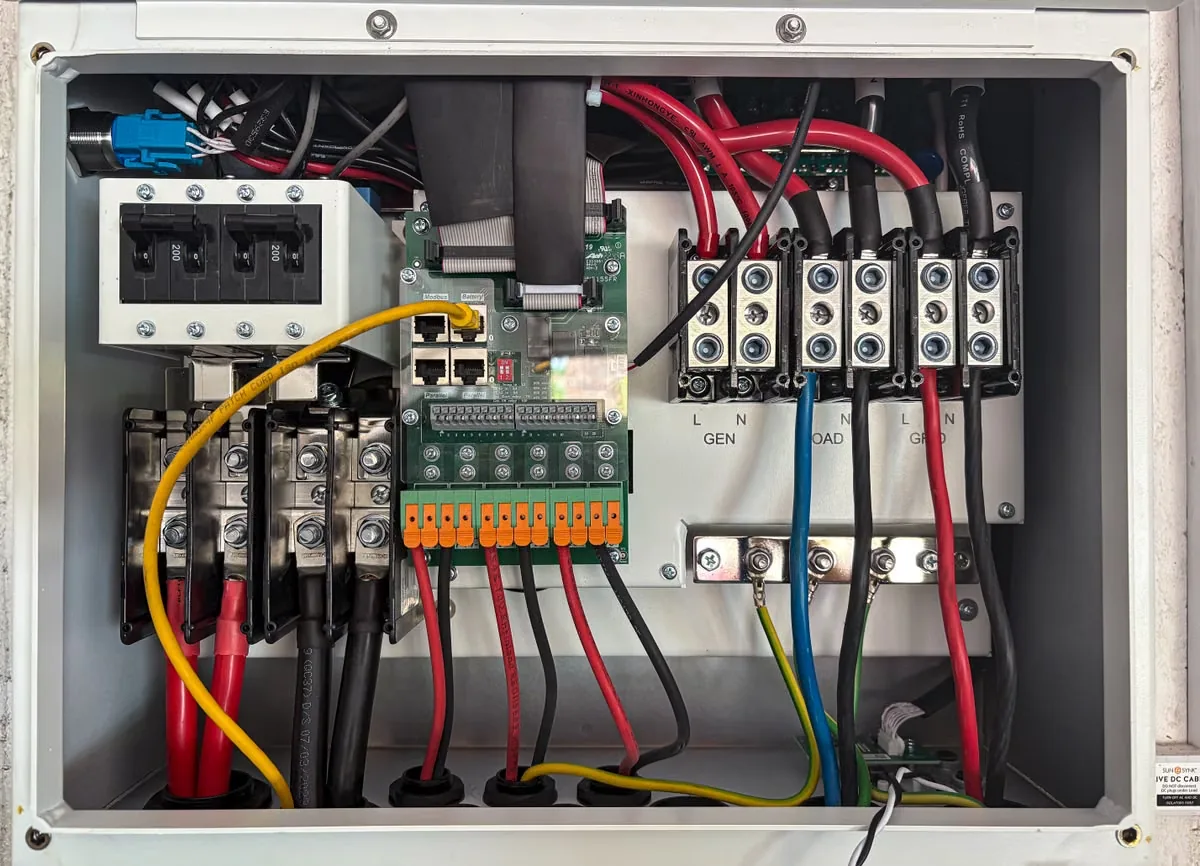
Industrial Electronics
Cool drives, PLCs, power supplies and control hardware where serviceable assembly and rugged field reliability are important.
Explore Industrial Electronics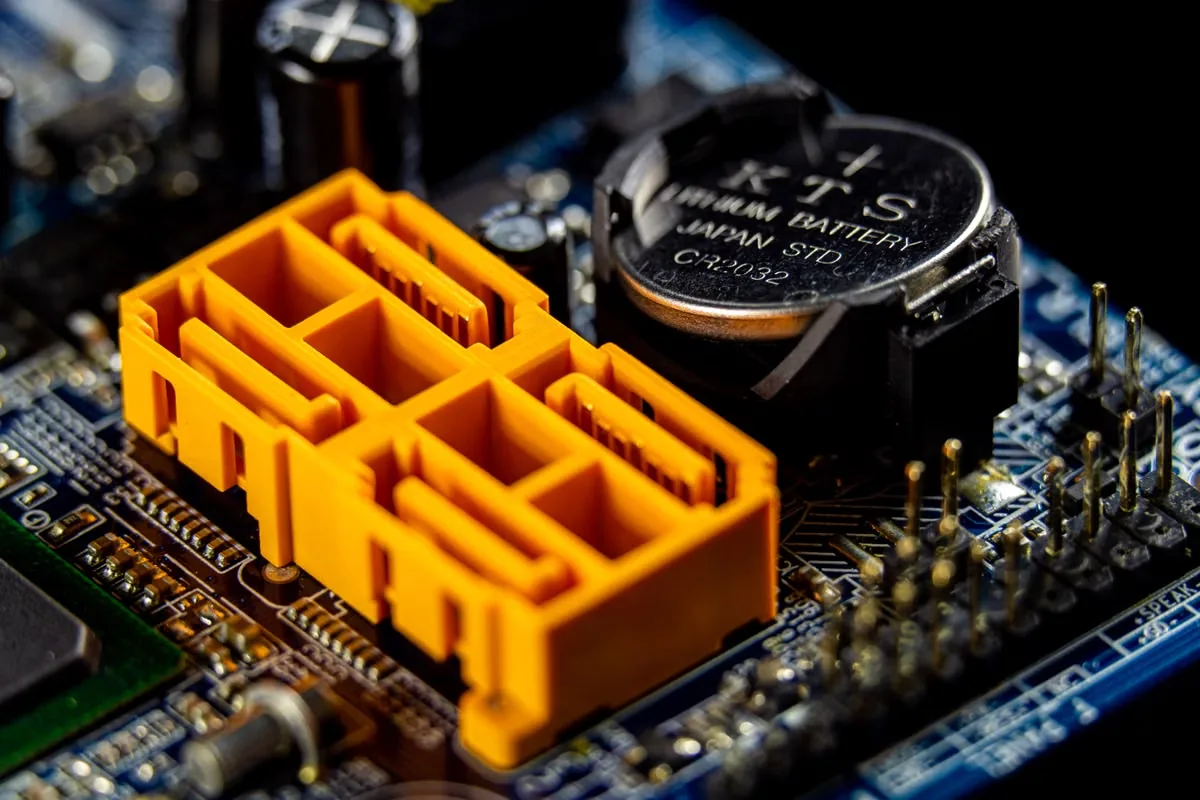
Consumer Electronics
Support compact processors, graphics devices and power components with controlled deposits, low profile and planned service or rework.
Explore Consumer ElectronicsValidation Plan
Validate Thermal Grease in the Finished Assembly
Reproduce the final substrates, area, deposit, bond line, mounting sequence, clamp system, heat load and reliability profile. Measure both the initial result and its change after exposure.
Request Prototype SamplesInitial Thermal Result
Measure impedance or component temperature at the target power, cooling condition, bond line and pressure.
Coverage and Bond Line
Review wet-out, voids, edge squeeze-out, active footprint and thickness using teardown or suitable imaging.
Application Repeatability
Track shot mass, print geometry, placement, surface preparation, torque and operator or equipment variation.
Thermal and Power Cycling
Challenge CTE movement, warpage and pressure change while monitoring thermal drift and post-cycle coverage.
Bleed, Volatility and Aging
Inspect nearby sensitive areas and the remaining bond line after high-temperature storage and representative orientation.
Electrical and Material Compatibility
Confirm insulation or conductivity requirements, corrosion, coatings, plastics, seals, cleaners and optical surfaces.
Prototype to Production
Scale Thermal Grease With a Controlled Process Window
Use representative hardware to screen materials, then transfer the selected grease into the intended package, equipment and mounting process with documented acceptance limits.
Screen by the Real Interface
Compare grease family, wetting, impedance, cleanliness and aging on representative surfaces and clamp hardware.
Develop the Application Window
Challenge temperature, deposit volume, speed, pressure, print settings, assembly delay and mounting sequence.
Select Production Packaging
Match syringe, cartridge, jar, pail or custom package with storage, filler stability, line handling and annual volume.
Release With Change Control
Lock the material revision, package, process, inspection, approved substitutions and requalification triggers.
Selection Mistakes
Avoid Common Thermal Grease Specification Errors
The largest errors usually come from treating grease as an isolated material instead of one part of the thermal and mechanical assembly.
Choosing Only by W/mK
A high conductivity value cannot compensate for a thick bond line, poor wetting, voids or unstable contact.
Using Grease to Fill a Large Gap
Visible or variable gaps usually need a pad, putty or liquid gap filler designed for tolerance compensation.
Applying More Than the Interface Needs
Excess volume increases thickness, squeeze-out and mobile material without guaranteeing better coverage.
Ignoring Flatness and Clamp Load
Uneven or changing pressure can leave dry areas, damage hardware or accelerate material movement.
Treating Silicone-Free as Complete Proof
Silicone-free does not automatically establish low outgassing, no bleed, electrical safety or compatibility.
Qualifying Only the Initial Temperature
Repeat thermal measurements after cycling and aging, then inspect the interface to understand any change.
Engineering Resources
Thermal Grease Design and Reliability Guides
Use focused technical resources for questions that need more depth than a parent category page should carry.
How Thermal Grease Works and How to Apply It
Review surface preparation, deposit control, mounting and practical application fundamentals.
Read the Application GuideThermal Grease for Power Modules
Connect IGBT, MOSFET and inverter interface design with impedance, clamp pressure and reliability.
Read the Power Module GuideWhite vs. Gray Thermal Grease
Understand why color may reflect formulation but should never replace measured performance data.
Compare White and Gray GreaseBrowse Thermal Interface Materials
Place grease within the wider choice of pads, gels, phase-change and bonding materials.
Explore Thermal Interface MaterialsBrowse Electronics Application Markets
Start with the device, heat source, assembly, environment and production constraints of the target system.
Explore Application MarketsBuild a Custom Material Brief
Connect formulation targets, samples, packaging and process support with the real production need.
Explore Custom FormulationFrequently Asked Questions
Thermal Grease FAQ
Final material selection should always be verified with the actual surfaces, bond line, pressure, process and reliability conditions.
What is thermal grease?
Thermal grease is a non-curing or paste-like thermal interface compound that fills microscopic air gaps between a heat source and a cooling surface. It improves contact in thin, clamped interfaces but is not intended to bridge a large structural gap.
Is thermal grease the same as thermal paste?
The terms are commonly used interchangeably. Thermal compound and heat sink compound can also describe similar materials. For industrial selection, rely on the exact formulation, test data and intended application rather than the name alone.
Is higher thermal conductivity always better?
No. Final temperature also depends on bond line thickness, surface contact, clamp pressure, voids and stability after aging. Compare installed impedance or system temperature under equivalent conditions.
How thick should thermal grease be?
Use the thinnest complete bond line that wets the active area and remains continuous across the actual flatness and pressure distribution. The correct target must be established with the assembly.
When should thermal grease be used instead of a pad?
Use grease for very thin, reasonably flat and mechanically clamped interfaces. Use a thermal pad when the gap is defined but larger, when tolerance compensation is needed or when clean pre-formed placement is preferred.
Does thermal grease cure?
Many thermal greases remain paste-like and do not cure. Some adjacent compounds may set or cure, so confirm the exact product behavior. A curing material changes rework, stress and reliability considerations.
Can thermal grease pump out?
Yes. Thermal cycling, warpage, vibration and clamp-load change can move grease away from the active region. Test thermal drift and inspect coverage after representative cycling.
When is silicone-free thermal grease needed?
Consider it near optics, relays, contacts, coatings, sensors or downstream bonding where siloxane migration or silicone contamination could affect function. Silicone-free still requires product-specific bleed, outgassing and compatibility data.
Can thermal grease be automatically dispensed or printed?
Yes, depending on rheology and filler behavior. Qualify the package, pump, nozzle, screen or stencil, deposit geometry, repeatability, surface preparation and mounting process together.
What information does Haktak need for a recommendation?
Share the heat source, cooler, contact area, surface finish, flatness, bond-line target, clamp load, temperature, voltage, application method, package, reliability profile, sample quantity and annual volume.
Start With the Interface
Send the Bond Line, Clamp, Process and Reliability Profile
Haktak can help compare low-resistance and silicone-free thermal grease, application behavior, packaging and validation options for electronics prototypes and production.