
Thermal Pads for Electronics
Thermal Pads for Electronics and Custom Thermal Management
Bridge real gaps between heat-generating components and heat sinks, housings, spreaders or cold plates with a controlled, production-ready thermal interface. Compare material family, thickness, compression, insulation and custom format around the complete assembly—not one headline conductivity value.
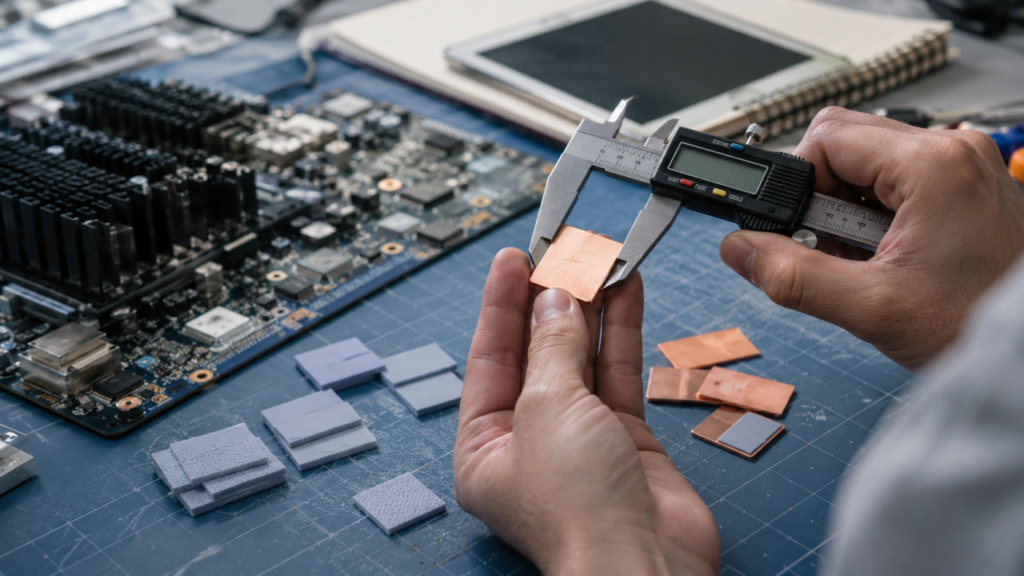
Inside the Assembly
How Thermal Pads Work in Electronics
A thermal pad replaces thermally insulating air with a solid, conformable heat-transfer path. Its job is not simply to sit between two surfaces. It must remain in useful contact while the assembly moves through tolerance, fastening, temperature cycles and service life.

Fill Air Gaps and Surface Irregularities
Soft pads conform around flatness error, component-height variation and surface texture. Useful contact area, not nominal footprint alone, determines where heat can cross the interface.
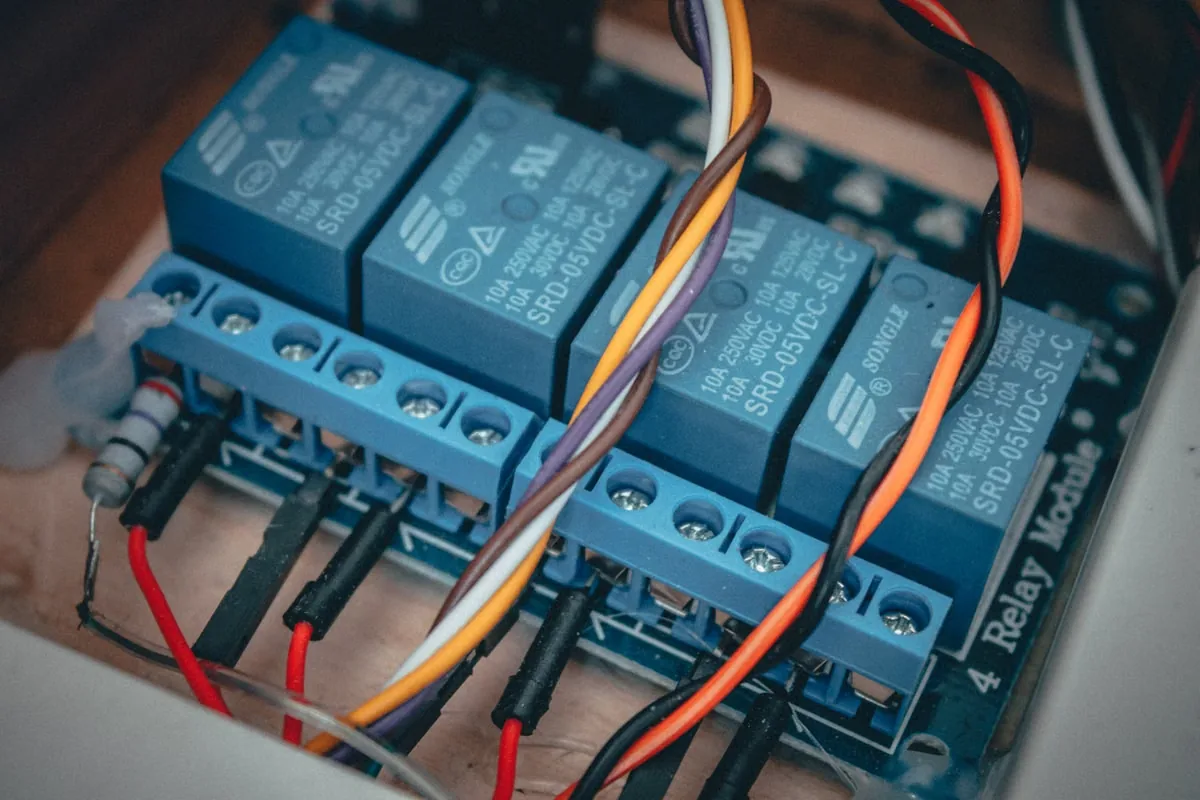
Move Heat Into the Cooling Structure
The pad connects a device, package or board to a heat sink, metal housing, chassis or cold plate. Compressed thickness and interface resistance strongly influence the real temperature rise.

Preserve Electrical and Mechanical Separation
A suitable thermal interface pad can add dielectric separation, cushioning or controlled spacing. These functions must be evaluated after cutting, compression and environmental exposure.
Material Families
Compare Thermal Pad Types for Electronics
Each family solves a different version of the interface problem. Compare conformability, heat-flow direction, electrical behavior, contamination risk, environment and production format before requesting a sample.
 01
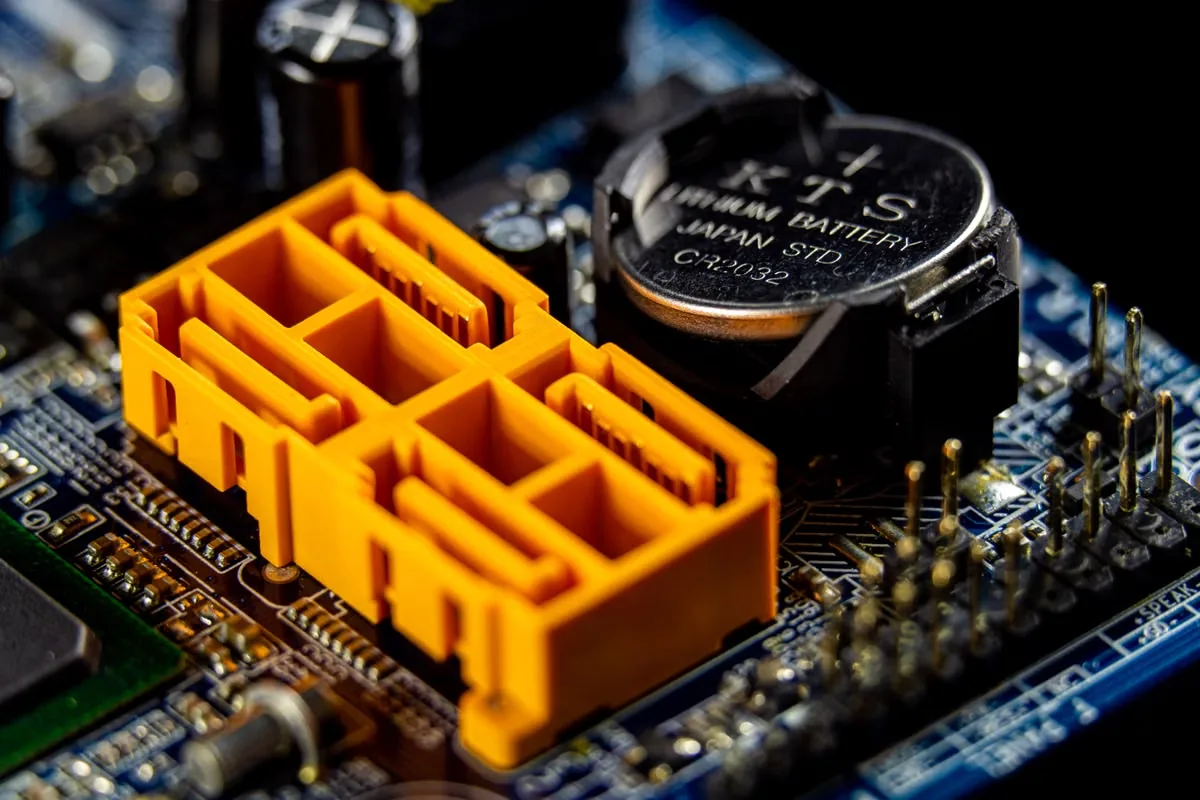
01Silicone Thermal Pads
A versatile choice for component-to-housing and component-to-heat-sink gaps that require softness, dielectric behavior and repeatable sheet-based placement.
- Broad thickness and hardness options
- Natural tack or adhesive constructions
- General electronics and power assemblies
 02
02Silicone-Free Thermal Pads
Support heat transfer near sensitive contacts, optics, coatings and downstream bonding zones where silicone migration or siloxane contamination matters.
- Clean-contact design strategy
- Thin device and optical compatibility
- Application-specific validation required
 03
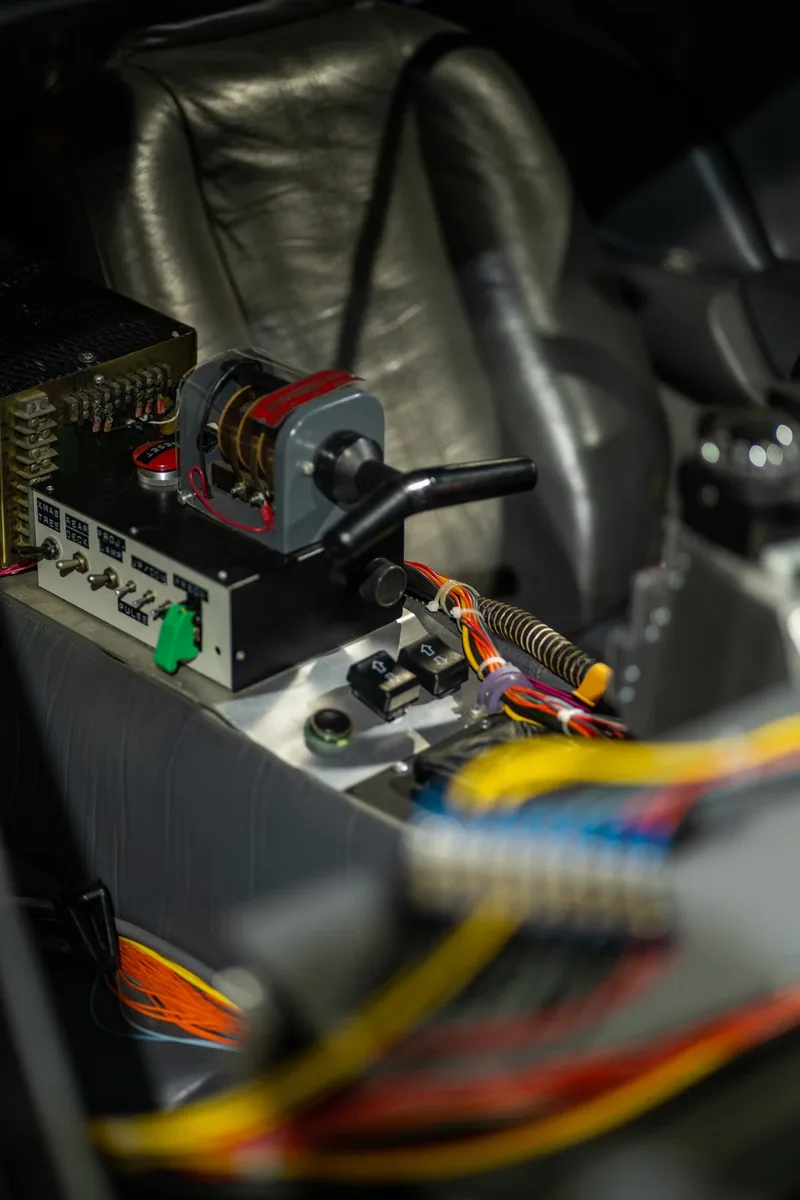
03Heat-Insulating Pads
Create a localized heat barrier around batteries, heaters, power zones, plastics or temperature-sensitive electronics when the design goal is protection rather than cooling.
- Reduce unwanted heat exposure
- High-temperature protection options
- Custom barrier shapes and placement
 04
04Thermal Electromagnetic Absorber Pads
Combine thermal contact with electromagnetic absorption in compact RF, networking and compute assemblies where heat and interference share the same constrained space.
- Thermal and EMI function
- Frequency and placement review
- Custom shape and thickness
 05
05Thermal Insulation Pads
Provide thermal separation, dielectric spacing and cushioning around boards, busbars, sensors, housings or adjacent components that must remain protected.
- Thermal and electrical separation
- Dielectric and flame options
- Custom zones and placement geometry
 06
06Thermal Silicone Cloth
Combine a reinforced carrier with thermal and electrical performance when puncture resistance, dimensional stability and thin insulation are more important than deep gap filling.
- Reinforced construction
- Controlled thin interface
- Die-cut insulating geometries
 07
07Graphite Thermal Pads
Spread concentrated heat laterally through a thin, light layer when in-plane conduction and hot-spot uniformity matter more than filling a thick, uneven gap.
- High in-plane heat spreading
- Thin and low-mass construction
- Conductive edge and handling review
 08
08Fluorosilicone Thermal Pads
Manage thermal interfaces exposed to oils, fuels, coolants, solvents or demanding under-hood and industrial environments where ordinary elastomers may change.
- Chemical-resistant elastomer options
- Gap filling with dielectric choices
- Fluid-specific compatibility testing
Selection Priorities
Choose Thermal Pads by the Real Interface, Not W/mK Alone
Bulk thermal conductivity helps compare materials under a defined test method. It does not include every contact interface, thickness, pressure distribution or aging effect present in the finished assembly.
Gap and Compressed Thickness
Measure minimum, nominal and maximum gap across tolerance. Choose a supplied thickness that maintains contact without excessive material or force.
Hardness and Contact Pressure
Available clamping load, board strain, package fragility and housing stiffness determine how soft the pad must be.
Thermal Impedance
Evaluate the complete interface at a relevant thickness and pressure. A thin, conformable pad can outperform a higher-W/mK pad with poor contact.
Electrical and Environmental Fit
Confirm dielectric, flame, temperature, humidity, fluid, vibration, outgassing and service-life requirements.
Production Delivery Format
Include shape, liner, adhesive, orientation, packaging, placement method, inspection and annual volume in the material decision.
Thickness and Compression
Match Thermal Pad Thickness to the Entire Gap Range
The correct pad is not simply the closest catalog thickness to the nominal CAD gap. It must remain inside an acceptable compression window at the smallest and largest assembled gaps while protecting components and preserving useful contact.
 Use measured assembly evidence and tolerance—not a single nominal dimension—to define pad thickness.
Measure the Minimum Gap
Check whether the thickest component, housing bow, tolerance stack or fastener location could over-compress the pad and overload the board or package.
Measure the Maximum Gap
Confirm the thinnest component and widest housing condition still produce continuous contact after aging, vibration and fastener relaxation.
Define the Compression Window
Use supplier compression-deflection data and assembly force limits. Percent compression is not meaningful without the material curve and geometry.
Check Contact Area and Pressure Peaks
Ribs, screw bosses, package corners and local flatness can concentrate load. Review imprint or pressure evidence across the useful thermal footprint.
Avoid Stacking Thermal Pads
Stacked layers add interfaces, trap air, shift during assembly and create unpredictable thickness. Select one qualified construction where possible.
Recheck After Aging
Compression set, hardening, softening, vibration and housing movement can reduce recovery and contact pressure long after the first thermal test.
Format Comparison
Thermal Pads Versus Other Thermal Interface Materials
No TIM format is universally best. The choice changes with gap, flatness, pressure, assembly speed, repair, orientation and lifetime movement.
| Material Format | Best-Fit Interface | Primary Advantage | Design Watch Points |
|---|---|---|---|
| Thermal pad | Defined component-to-housing or heat-sink gaps | Clean placement, controlled thickness and cushioning | Compression, hardness, tolerance and aging |
| Thermal grease | Very thin, flat and well-clamped interfaces | Low bond line and strong surface wetting | Pump-out, drying, volume control and service |
| Liquid gap filler | Complex topography and variable component heights | Low assembly stress and automated dispensing | Slump, dispense repeatability, cure and rework |
| Phase-change TIM | Thin processor and power-device interfaces | Dry handling followed by wetting in operation | Activation temperature, preload and cycling |
| Thermal adhesive | Interface also requiring structural attachment | Bonding and heat transfer in one material | Cure, modulus, bond line, strength and repair |
Application Markets
Thermal Pads for High-Demand Electronics Applications
Heat load is only one difference between markets. Gap variation, voltage, vibration, fluid exposure, service access, takt time and reliability profile change the best pad construction.

EV Batteries and Energy Storage
Bridge cells, modules, BMS electronics and cold plates while balancing dielectric safety, tolerance, vibration and flame requirements.
Explore EV Battery Materials
Power Electronics and Modules
Move heat from IGBT, MOSFET, converter and inverter assemblies while maintaining insulation and clamping integrity.
Explore Power Electronics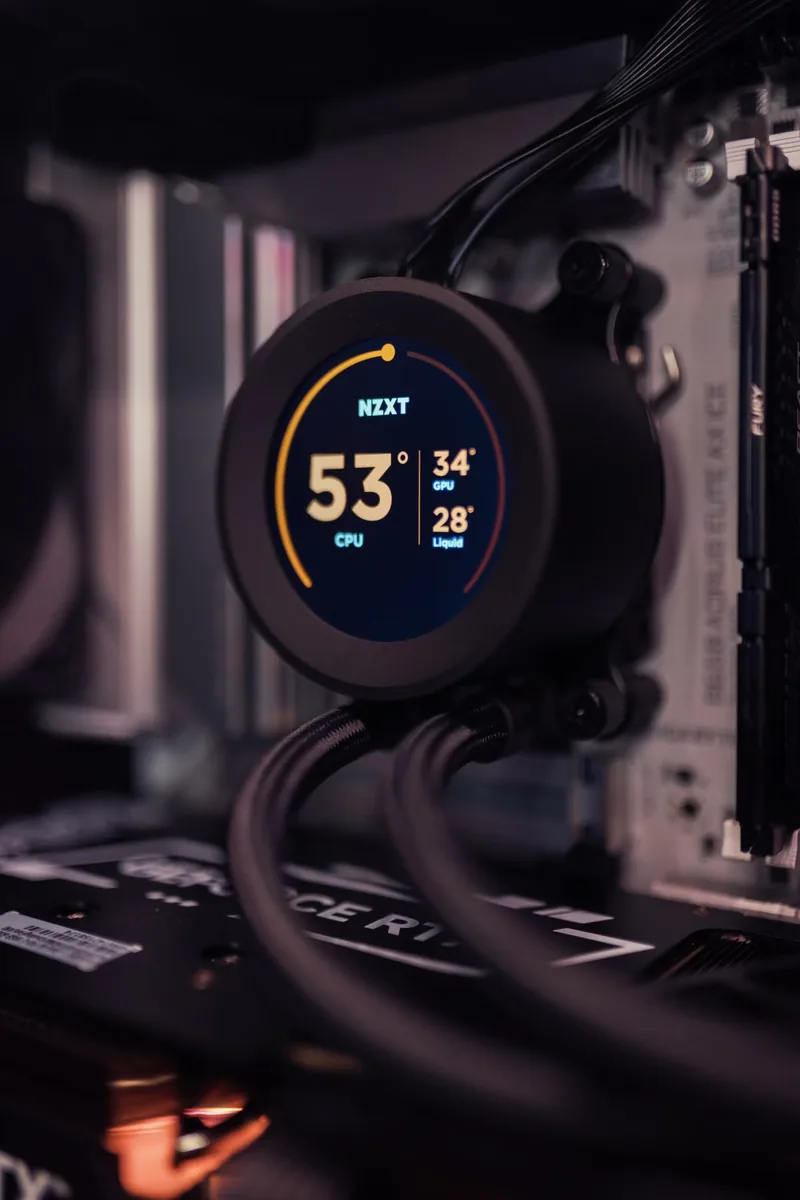
Data Centers and AI Servers
Control GPU, HBM, accelerator, VRM and networking temperatures through high power density and repeated service cycles.
Explore AI Server Cooling
Automotive Electronics
Support ECUs, ADAS, infotainment and power modules through temperature cycling, shock, vibration and long qualification programs.
Explore Automotive Electronics
Telecom and 5G Equipment
Connect radios, power amplifiers, RRUs and network hardware to outdoor housings through weather, solar load and long field service.
Explore Telecom and 5G
LED Lighting
Move heat from LED boards and drivers while supporting optical stability, insulation and long outdoor or architectural service.
Explore LED LightingCustom Production Formats
Custom Die-Cut Thermal Pads From Prototype to Production
A production thermal pad is more than a material and outline. Geometry, cut method, adhesive, liner, orientation, packaging and inspection all affect whether the part can be placed cleanly and consistently.

Custom Shapes and Keep-Out Areas
Design around screws, ribs, connectors, busbars, sensors and electrical clearance while preserving the useful thermal footprint.
Adhesive and Surface Options
Compare natural tack, one-sided PSA, selective adhesive or non-tacky films against placement, thermal resistance and rework needs.
Liners, Tabs and Placement Aids
Use pull tabs, split liners, controlled release and visible orientation to reduce stretching, contamination and placement errors.
Sheets, Parts, Arrays and Rolls
Match full-cut pieces, kiss-cut arrays, sheet layouts or continuous rolls to manual assembly, kitting or automated placement.
Prototype and First-Article Review
Check material construction, critical dimensions, liner behavior, part flatness, packaging and fit before scaling tooling and volume.
Production Change Control
Lock base material, thickness, adhesive, liner, cutting method, measurement practice and approved substitutions after qualification.
Engineering Brief
Information to Send for a Thermal Pad Recommendation
A complete brief reduces unsuitable samples and reveals whether the project truly needs a solid pad, another TIM format or a customized construction.
Review Material Selection and TestingHeat Source and Cooling Surface
Component, package, power or heat load, contact area, heat sink, housing, spreader or cold-plate material.
Gap and Tolerance
Minimum, nominal and maximum assembled gap, flatness, roughness, ribs, bosses and keep-out geometry.
Pressure and Fragility
Fastener or clip load, allowable compression, board strain, package limit and movement during service.
Electrical and Environmental Needs
Working voltage, dielectric margin, flame target, ambient range, humidity, fluids, vibration and expected life.
Assembly Process
Manual or automated placement, liner preference, adhesive, inspection, rework, cleanliness and takt time.
Commercial Requirements
Drawing revision, sample quantity, target timing, forecast, annual volume, packaging and change-control expectations.
Failure Prevention
Common Thermal Pad Selection Mistakes
A pad can produce an acceptable first temperature and still fail through assembly variation, mechanical stress, contamination or long-term loss of contact.
Choosing Only by Thermal Conductivity
W/mK does not include bond line, contact resistance, pressure or aging. Compare impedance under relevant conditions.
Compare Resistance and ImpedanceUsing a Pad That Is Too Thick
Extra thickness increases bulk resistance and can create excessive force, board bending or package stress.
Review Compression EffectsStacking Multiple Thermal Pads
Every added layer introduces another interface and more opportunities for air, shifting and inconsistent pressure.
Learn Why Pad Stacking Is RiskyIgnoring Compression Set and Aging
A pad may remain in position but lose recovery and useful contact after heat, cycling, vibration or fastener relaxation.
Review Thermal Pad FailuresAdding Adhesive Without Validation
PSA can aid placement but also adds thickness, stiffness, residue, aging risk and an additional thermal interface.
Read Die-Cutting Design TipsConfusing Conductive and Insulating Pads
A heat-conducting gap pad moves heat into a cooling structure. A thermal insulation pad protects a zone from heat. Define the function first.
Design a Custom Thermal PadEngineering Resources
Thermal Pad Design and Validation Guides
Use focused engineering guides for questions that need more depth than a parent product category should carry.
Thermal Pad vs. Thermal Paste
Compare controlled gap filling with thin-interface wetting, assembly cleanliness, cycling and service.
Compare Pads and PasteWhy Thermal Pads Fail
Review thickness, pressure, aging, contamination, cutting and application causes behind field problems.
Included in the failure section aboveThermal Pad Die-Cutting
Understand radii, holes, bridges, tolerances, liners, adhesive and delivery format for custom shapes.
Included in the failure section aboveExplore All Thermal Interface Materials
Place pads within the wider choice of grease, gap filler, phase-change and bonding materials.
Browse Thermal Interface MaterialsBrowse Electronics Application Markets
Start with the device, heat source, gap, environment and production constraints of the target system.
Explore Application MarketsBuild a Production-Ready Material Format
Connect formulation, converting, samples and process support with the actual manufacturing line.
Explore CustomizationFrequently Asked Questions
Thermal Pad FAQ
Final selection should be qualified in the real interface, pressure range, environment and production process.
What does a thermal pad do?
A thermal pad fills air gaps and surface irregularities between a heat-generating component and a cooler structure. It provides a more conductive path than air while offering controlled thickness and clean placement.
Is higher thermal conductivity always better?
No. Final thermal performance also depends on compressed thickness, contact resistance, pressure, surface flatness, coverage and aging. A conformable lower-W/mK pad can outperform a harder high-W/mK pad that makes poor contact.
How thick should a thermal pad be?
The pad should cover the complete assembled gap range with enough compression to maintain contact but without overstressing the component, board or housing. Measure minimum, nominal and maximum gaps rather than using nominal CAD alone.
How much should a thermal pad be compressed?
There is no universal percentage. Use the supplier’s compression-deflection data, actual pad area, available clamping force and component limits to define a safe compression window.
Are thermal pads electrically insulating?
Many silicone gap pads are formulated for dielectric performance, but graphite and some functional materials can be electrically conductive. Verify the exact construction, compressed thickness, cut edges and assembly clearances.
Can thermal pads be stacked?
Stacking is generally less predictable because it adds interfaces, traps air and allows layers to shift. A single qualified thickness or custom construction is normally preferred.
Should a thermal pad have adhesive backing?
Adhesive can simplify retention and placement, especially on vertical surfaces. It can also add thermal resistance, stiffness, residue and rework difficulty, so natural tack or selective adhesive may be better in some assemblies.
When should thermal paste or liquid gap filler be used instead?
Thermal paste suits very thin, flat and clamped interfaces. Liquid gap filler suits complex topography, variable heights and low-stress automated dispensing. Pads suit defined gaps, clean placement and repeatable solid-part handling.
Can Haktak provide custom die-cut thermal pads?
Haktak can support material selection and custom formats such as sheets, individual parts, kiss-cut arrays or rolls with application-specific shape, liner and adhesive requirements.
What information is needed for a sample?
Share the drawing, gap range, contact area, heat target, pressure limit, voltage, environment, placement method, reliability plan, sample quantity and expected production volume.
Start With the Complete Interface
Send the Gap, Pressure, Heat Load and Production Process
Haktak can help compare thermal pad materials, thicknesses, custom shapes and delivery formats for electronics prototypes and production assemblies.