
Thermal paste—also called thermal grease or thermal compound—is a humble but essential material in modern electronics. Its job is deceptively simple: fill microscopic air gaps between heat‑generating components (like CPUs, GPUs, and power semiconductors) and their heat sinks. But how hot can thermal paste actually get? And what happens when temperatures approach the limits of its design?

In this comprehensive guide, we’ll unpack the temperature behavior of thermal paste, explore what “maximum temperature” really means, and highlight practical considerations to help engineers, technicians, and enthusiasts understand thermal limits in real‑world applications.
Understanding Thermal Paste and Temperature Basics
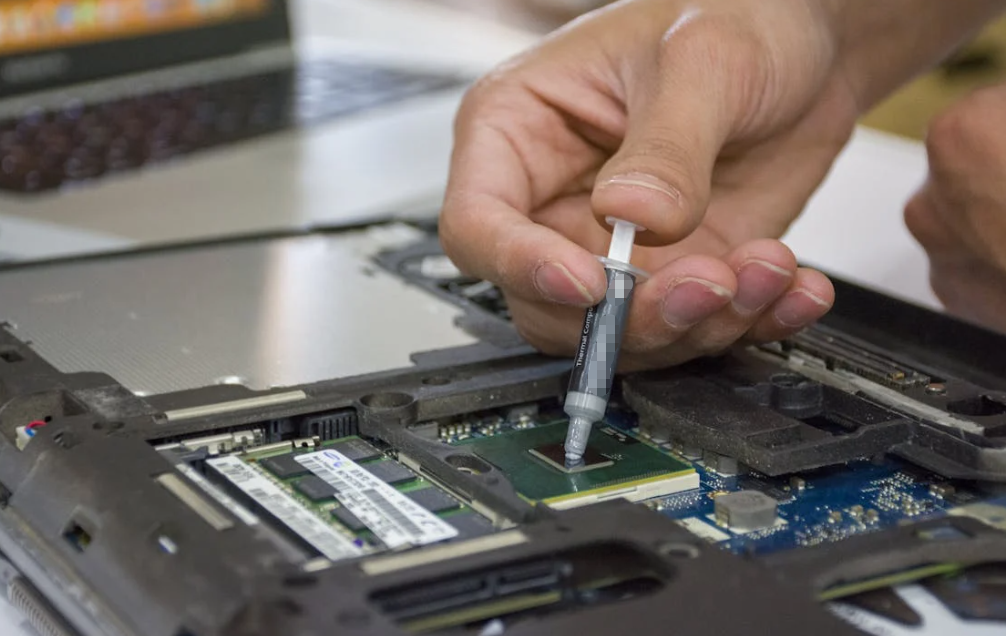
Thermal paste is a thermally conductive material designed to improve heat transfer across interfaces that would otherwise be plagued by tiny air pockets. These air gaps are bad for thermal performance because air is a poor heat conductor. Thermal paste displaces that air and enhances the heat flow from hot component to cooler heat sink.
From a temperature perspective, thermal paste must withstand both the operating temperatures it will experience in service and the maximum temperatures at which its physical and chemical integrity remains intact.
Thermal Paste Temperature Ratings: What the Specs Say
Thermal paste does not have a universal maximum temperature—it varies widely based on formulation, materials, and intended use. However, industry data shows several common temperature rating tiers:
- Typical General‑Purpose Thermal Pastes: Many standard thermal pastes are rated to operate roughly from ‑40 °C to +150 °C, though some extend as high as ‑50 °C to +200 °C.
- Higher‑Temperature Formulations: Specialty pastes designed for more demanding environments may withstand up to +250 °C or slightly higher.
- Extreme Temperature Options: Some niche materials—like boron nitride‑based or certain ceramic formulations—claim stability at temperatures approaching 300 °C and above.
This wide range illustrates that not all thermal pastes are created equal when it comes to thermal endurance.
Why Thermal Paste Has Temperature Limits
The temperature tolerance of thermal paste depends on several factors:

Base Fluid and Fillers
Thermal pastes consist of a base fluid (often silicone or hydrocarbon oils) and thermally conductive fillers (such as metal oxides or ceramic particles). The base fluid provides the paste’s consistency, while the fillers carry heat. These constituents determine temperature limits because:
- Fluids can break down, evaporate, or dry out at high temperatures.
- Fillers can oxidize, agglomerate, or chemically change under thermal stress.
When heated beyond their designed range, pastes can lose viscosity, separate (“pump out”), become brittle, or even char.
Long‑Term Thermal Cycling
Exposure to high temperatures repeatedly (e.g., CPU usage, shutdown cycles) can gradually degrade some thermal pastes. Prolonged heat accelerates chemical reactions within the paste, increasing the risk of cracking or drying, which negatively affects thermal performance over time.
Application and Interface Pressure
Thermal paste performs best when applied in a thin, uniform layer between mating surfaces under compression. Excessive heat can cause paste migration or “pump out,” especially if viscosity drops. In high‑pressure environments (e.g., power electronics), this effect is more pronounced without adequate mechanical constraints.
Maximum Temperature Vs. Operating Temperature
It’s essential to understand two closely related concepts:
Operating Temperature
This is the temperature range in which the paste is expected to function reliably without significant change to its thermal or mechanical properties. Most common pastes fall into roughly ‑40 °C to +150–200 °C, depending on the formulation.
Maximum Temperature
This is the upper limit at which the paste will not immediately fail, but it may no longer exhibit its designed properties beyond this point. Above the maximum temperature rating:
- The paste may degrade permanently.
- Heat transfer efficiency may fall off.
- Chemical breakdown products may form.
In practice, many thermal pastes survive short spikes above their rated operating limit, but doing so regularly can shorten lifespan or impair performance permanently.
Liquid Metal Thermal Pastes and Extreme Temperatures
A class of materials known as liquid metal thermal compounds—often based on gallium alloys—show markedly different behavior from conventional pastes:
- Liquid metal pastes have much higher thermal conductivity.
- Some varieties sustain higher peak temperatures, sometimes near 150 °C or more before degradation.
These products are frequently used in high‑performance applications (e.g., overclocked CPUs), but they also require careful handling due to electrical conductivity and reactivity issues.
Thermal Paste in Real‑World Applications

How hot you see thermal paste get in actual devices varies a lot from its nominal ratings. For instance, in everyday PCs:
- CPUs and GPUs often operate under load between 60 °C and 95 °C.
- Thermal paste under such conditions stays well below its upper limits, assuming good heat sink design.
In industrial or specialized environments:
- High‑power semiconductors and amplifiers may push junction temperatures well above 100 °C, making higher temperature compounds desirable.
- Some embedded systems and automotive electronics routinely see temperatures that stress general‑purpose pastes to their limits.
In these scenarios, choosing a thermal paste with a suitably high operating and maximum temperature rating is critical to reliability.
How Temperature Limits Affect Performance and Longevity
Higher Operating Temperatures
Operating at high temperatures doesn’t just test the thermal limits of the paste—it also can affect other system components:
- CPU/GPU thermal throttling: If the paste can’t efficiently transfer heat, device temperatures rise, triggering throttling.
- Component aging: Elevated temperatures accelerate wear for semiconductors and packaging materials.
Choosing a thermal paste with the right thermal conductivity and temperature tolerance can help mitigate these issues.
Thermal Paste Degradation Over Time
Even within rated ranges, thermal paste will eventually degrade:
- Drying and cracking from repeated thermal cycling.
- Pump‑out due to mechanical stress and heat cycles.
- Migration under high temperatures if not mechanically restrained.
Regular maintenance—especially in high‑use systems—ensures optimal thermal performance over the life of the hardware.
Selecting Thermal Paste Based on Temperature Needs
Here’s a simple heuristic:
| Application | Typical Operating Temp | Recommended Paste Type |
| Everyday PCs | <95 °C | Standard or High‑Performance Paste |
| Gaming/High‑Load Workstations | 70–105 °C | High‑Conductivity Paste |
| Industrial / Embedded | Varied, up to 200 °C | High Temp‑Rated Paste |
| Specialized High Heat | >200 °C | Specialist Compound / Ceramic or Metal Paste |
Always consult manufacturer datasheets and specifications to match thermal paste performance to environmental demands.
Signs Thermal Paste May Be Reaching Its Limits
Common signs that thermal paste is no longer performing as expected include:
- Rising component temperatures without a corresponding increase in workload.
- Greater temperature fluctuations under repeated load cycles.
- Evidence of paste drying, cracking, or migration on inspection.
These symptoms often indicate degradation due to temperature exposure or age.
Conclusion
Thermal paste is indispensable in thermal management, bridging microscopic gaps between hot components and their cooling systems. Its usefulness, however, is bound by its temperature limits, which vary by material and formulation. Most general‑purpose pastes handle up to around 150 °C–200 °C, while specialized or extreme‑temperature compounds can go higher. Beyond these thresholds, thermal paste can degrade, lose effectiveness, or fail altogether.
Understanding these limits—and selecting the right paste for your specific application—ensures both performance and longevity. Always consult datasheets and temperature ratings when designing or servicing thermal systems to ensure you match the paste’s capabilities with the system’s demands.
Frequently Asked Questions (FAQs)
Q1. Can thermal paste withstand temperatures above 200°C?
A: Some high‑temperature formulations can handle up to ~250 °C or more, but standard pastes typically max out around 150 °C–200 °C.
Q2. What happens if thermal paste gets too hot?
A: It can degrade, dry out, lose viscosity, or “pump out,” which reduces heat transfer efficiency.
Q3. Do all thermal pastes have the same temperature limits?
A: No—limits vary widely depending on the base fluid, fillers, and formulation.
Q4. Is thermal paste permanent once applied?
A: Not always. Over time and with heat cycling, thermal paste may lose performance and need replacement.
Q5. Are liquid metal pastes better for high temperatures?
A: They often have higher thermal conductivity and can be stable at higher temperatures, but they require careful handling due to electrical conductivity.