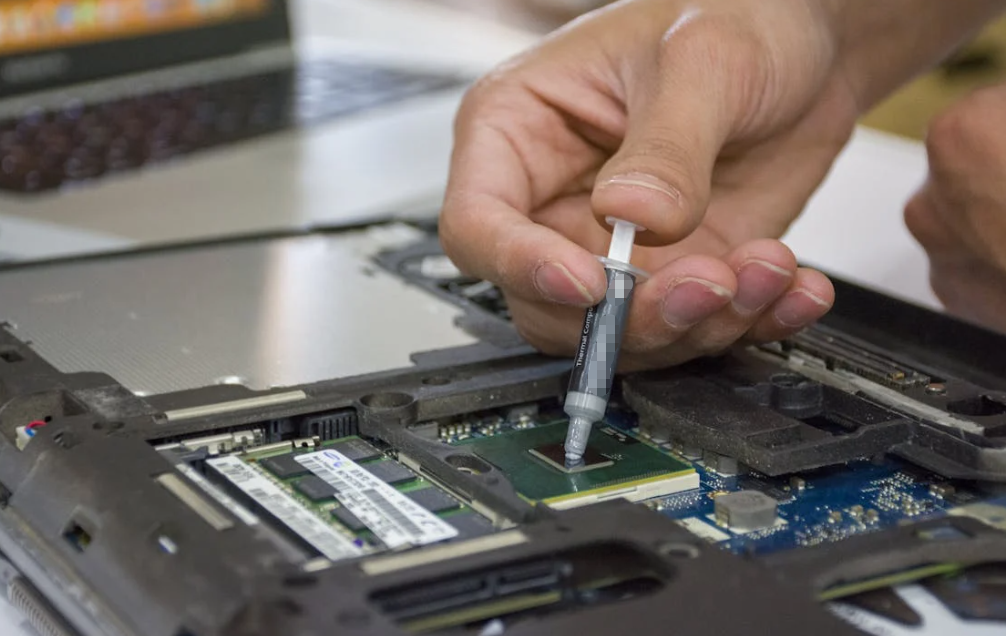
Thermal grease looks simple. A syringe, a spec sheet, a conductivity number. But when you are sourcing for electronics, LED modules, automotive control units, telecom hardware, or industrial devices, the wrong thermal grease can create expensive problems later.
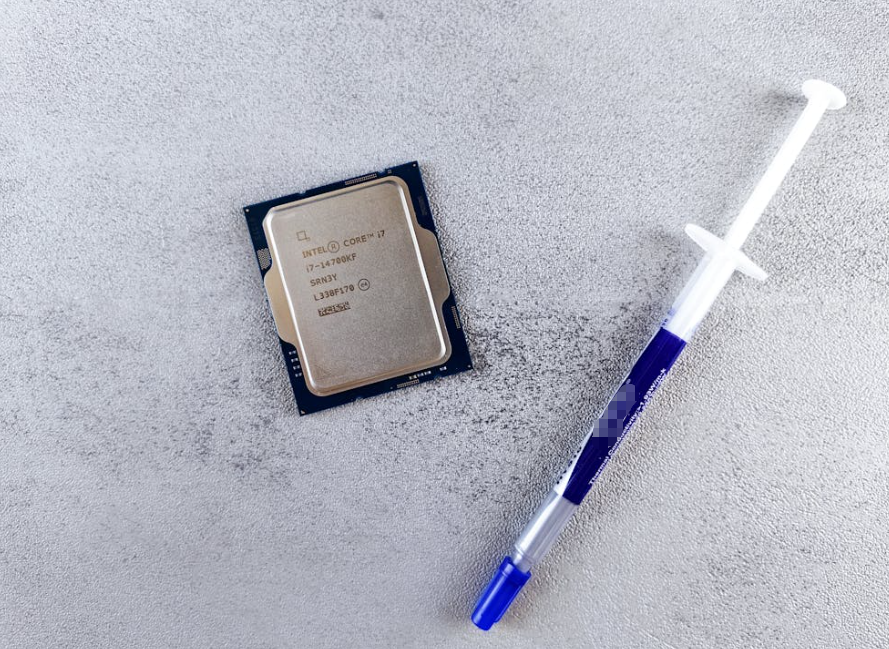
A product labeled 5W/mK thermal grease may perform well in heat transfer, yet fail environmental audits, trigger export compliance issues, separate during storage, or create reliability complaints after shipment. That is why smart buyers do not purchase on conductivity alone.
If you are looking for 5W/mK thermal grease that is both effective and compliant, this guide explains what to check before you place an order, how to read technical claims carefully, and how professional buyers reduce sourcing risk.
Why 5W/mK Thermal Grease Is a Popular Mid-to-High Performance Choice
Thermal grease fills microscopic air gaps between a heat source and heatsink. Air is a poor conductor of heat, so even a smooth metal surface still benefits from a thermal interface material (TIM).
The 5W/mK level is widely considered a strong commercial range because it balances:
- Better thermal performance than entry-level 1–3W/mK compounds
- Lower cost than ultra-premium exotic pastes
- Broad use in CPUs, MOSFETs, IGBTs, LED modules, power supplies, and industrial electronics
- Easier dispensing than many highly loaded compounds
Some commercial suppliers list 5W/mK grease products with operating ranges around -40°C to 150°C or even 200°C, depending on chemistry and filler system.
For many OEM buyers, that makes 5W/mK the practical “sweet spot.”
The First Mistake Buyers Make: Trusting Only the W/mK Number

A conductivity figure on packaging is not enough.
Different suppliers may measure thermal conductivity using different standards, sample thicknesses, or internal test methods. Two greases both labeled 5W/mK may not deliver the same real-world junction temperature.
What matters more is the complete picture:
- Thermal impedance
- Pump-out resistance
- Dry-out resistance
- Oil bleed behavior
- Viscosity and printability
- Long-term stability
- Dielectric properties
- Storage life
- Compliance documentation
One industry source notes that thermal grease performance also depends heavily on bond line thickness and interface quality, not conductivity alone.
So treat 5W/mK as a starting point, not the final decision.
Safety Standards You Should Require Before Buying
If you sell products internationally, safety documentation matters almost as much as thermal performance.
RoHS Compliance
RoHS restricts hazardous substances such as lead, cadmium, mercury, and others in electronics-related products.
Ask for:
- Latest RoHS declaration
- Third-party test report if available
- Material homogeneity statement
Many thermal grease suppliers specifically advertise RoHS compliance.
REACH Compliance
REACH applies to chemical substances entering European markets. You should verify whether the product contains SVHCs (Substances of Very High Concern) above reporting thresholds.
Request:
- REACH declaration
- Current SVHC version confirmation
- Notification process for future updates
UL Recognition or Related Fire/Material Data
Not every grease requires UL certification, but for some assemblies, buyers request supporting material data tied to flame safety or component systems.
UL-recognized thermal interface materials exist in the market.
SDS / MSDS
Always ask for the latest Safety Data Sheet.
It should clarify:
- Skin/eye handling guidance
- Storage conditions
- First aid measures
- Disposal recommendations
- Transportation status
If a supplier cannot provide an SDS quickly, that is a warning sign.
Environmental Standards Buyers Often Forget
Passing RoHS alone does not automatically mean a product is environmentally optimized.
Halogen-Free Requirements
Some industries request halogen-free materials for smoke toxicity or corporate sustainability goals. Certain suppliers list thermal greases as halogen-free compliant.
Low VOC / Low Odor
Important for indoor electronics assembly, enclosed systems, or clean manufacturing environments.
Silicone Migration Risk
Standard silicone greases work well, but in some optical, sensor, relay, or contamination-sensitive environments, silicone migration can be an issue. That is why silicone-free greases also exist commercially.
If your device contains cameras, contacts, optics, or sensitive coatings, ask whether silicone-free alternatives are better.
How to Evaluate a 5W/mK Thermal Grease Like a Professional Buyer

Check the Base Oil System
Common systems include:
- Silicone-based
- Synthetic hydrocarbon
- Ester-based
- Hybrid formulations
Silicone systems often provide strong thermal stability, but not every application wants silicone.
Review the Filler Material
Most thermal greases use ceramic or mineral fillers such as:
- Aluminum oxide
- Zinc oxide
- Boron nitride
- Other engineered fillers
These fillers influence conductivity, spreadability, and electrical insulation.
Verify Electrical Insulation
For power electronics, MOSFETs, IGBTs, and LED drivers, dielectric performance matters.
Some commercial datasheets highlight dielectric strength or insulation behavior.
Study Operating Temperature Range
Do not buy based on room-temperature performance only.
If your product ships to desert climates, automotive cabins, telecom cabinets, or industrial lines, verify:
- Low-temp startup behavior
- High-temp bleed resistance
- Thermal cycling durability
Red Flags That Suggest Low-Quality 5W/mK Thermal Grease
If you see these signs, pause the purchase.
Unrealistically Low Price
High filler loading and stable raw materials cost money. If the quote is dramatically below market average, something is missing.
No Test Method Listed
A supplier claims 5W/mK but provides no ASTM, ISO, or internal method reference.
No Shelf-Life Statement
Grease separation during storage creates headaches for distributors and factories.
No Batch Traceability
For OEM purchasing, traceability matters.
Generic White Label With No Technical Support
Some low-end products are relabeled with no real formulation control.
Questions to Ask Your Supplier Before Ordering
Use these questions and you will avoid many future problems.
- What test method was used to determine 5W/mK conductivity?
- What is the thermal impedance at defined pressure?
- Is the grease electrically insulating?
- What are the RoHS and REACH document dates?
- What is the shelf life in unopened packaging?
- What packaging sizes are available?
- Can viscosity be customized for automated dispensing?
- What is the oil bleed percentage after aging?
- Can you provide sample lots from production scale?
- What industries already use this material?
Strong suppliers answer quickly and specifically.
Why Sampling Is Essential
Even the best datasheet cannot replace production testing.
Run trials on:
- Dispensing equipment
- Manual assembly lines
- Rework conditions
- Thermal cycling
- Burn-in operation
- Storage aging
A grease that looks perfect on paper may be too stiff for your dispenser or too thin for vertical surfaces.
Professional sourcing teams almost always validate samples before mass orders.
Packaging Matters More Than Many Buyers Think
Choose packaging based on your operation:
Syringes
Best for lab work, repair, low-volume assembly.
Cartridges
Good for semi-automatic dispensing.
Pails / Bulk Containers
Best for large factories using pneumatic systems.
Wrong packaging can waste material, slow production, and increase contamination risk.
Imported vs Domestic Supply: What to Consider
Since HakTak is based in China, many global buyers compare Asian sourcing versus local distributors.
China-based sourcing can offer:
- Better pricing at volume
- OEM/private label flexibility
- Faster custom formulation options
- Broad manufacturing capacity
But buyers should still verify:
- Stable export documentation
- Consistent batch quality
- Lead time reliability
- English technical support
- Clear QC process
The best suppliers compete on professionalism, not just price.
How HakTak Buyers Commonly Use 5W/mK Thermal Grease
Typical applications include:
- CPU and GPU cooling modules
- LED lighting assemblies
- Power transistors
- IGBT systems
- MOSFET heatsinks
- Industrial control boards
- Telecom power units
- Consumer electronics thermal management
These are applications where stable heat transfer and electrical insulation often matter at the same time.
A Practical Buying Checklist
Before placing your PO, confirm all ten items below:
- 5W/mK verified by test method
- RoHS compliant
- REACH compliant
- SDS available
- Stable viscosity for your process
- Required temperature range passed
- Electrically insulating if needed
- Shelf life acceptable
- Sample approved internally
- Supplier quality system verified
If two suppliers quote the same price, choose the one with better documentation.
Why Cheap Thermal Grease Can Become Expensive
Saving $0.08 per unit sounds smart until you face:
- Higher CPU temperatures
- Field failures
- Rework labor
- Grease separation complaints
- Customs documentation delays
- Warranty claims
- Lost customer trust
In thermal management, low cost and low total cost are not always the same thing.
Conclusion
Buying 5W/mK thermal grease that meets safety and environmental standards is not just about choosing the highest conductivity number. The smarter path is balancing performance, compliance, reliability, and supply consistency.
Ask for RoHS, REACH, SDS, and real technical data. Validate samples in production. Choose suppliers who understand engineering, not only sales.
That approach usually saves more money than chasing the cheapest syringe online.
FAQs
Is 5W/mK thermal grease good enough for CPUs?
Yes. For many consumer and industrial CPUs, 5W/mK can perform well when applied correctly.
Is higher W/mK always better?
No. Real performance also depends on viscosity, contact pressure, and interface quality.
Do I need RoHS certification?
If you sell electronics internationally, usually yes or highly recommended.
Can thermal grease be electrically conductive?
Some formulas may be. Always check the datasheet before use.
How long does thermal grease last in storage?
Often 6–24 months depending on formula and packaging. Check supplier specifications.